Laily UPN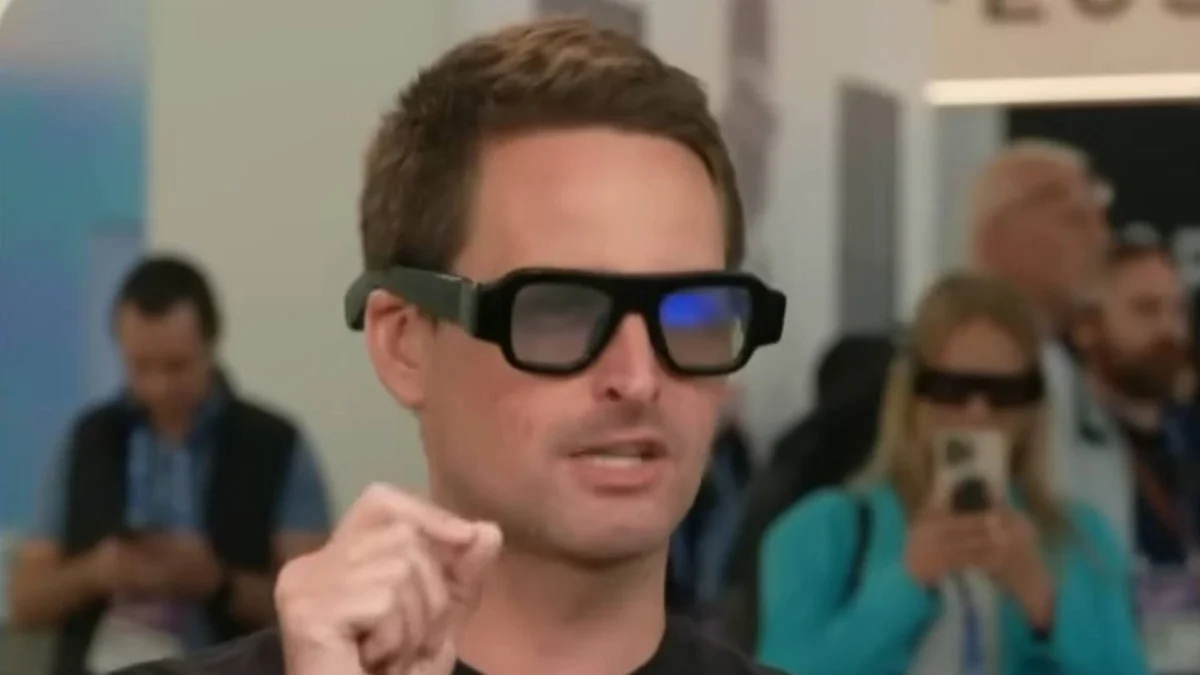
In the fast-evolving landscape of wearable technology, few companies have been as persistent as Snap Inc. Since its inception, the parent company of Snapchat has sought to pivot from a simple messaging app to a central pillar of the "camera company" ecosystem. Its latest, and perhaps most audacious, effort is the launch of its new Augmented Reality (AR) glasses, simply branded as "Specs." However, as the initial fanfare fades, the industry is left grappling with a significant question: Is the world ready for $2,195, face-crushing hardware that aims to replace the smartphone?
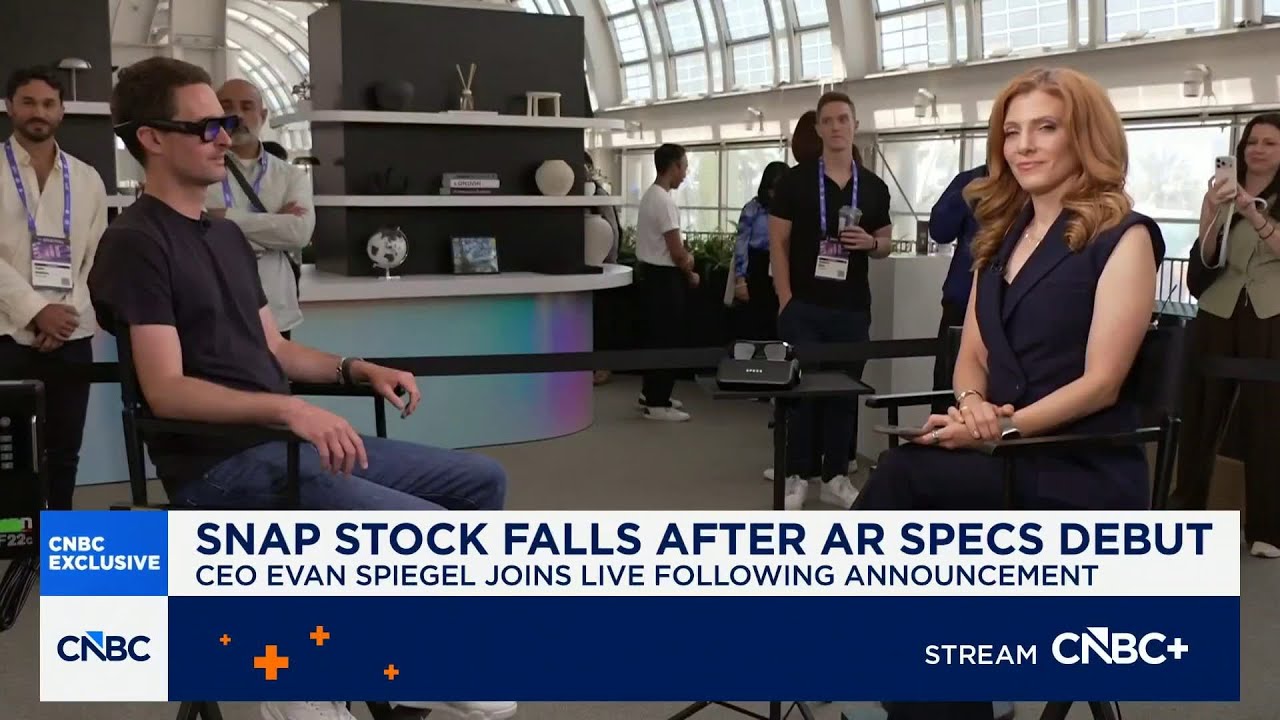
The unveiling of these new Specs on June 16, 2026, was framed by CEO Evan Spiegel as a transformative leap in computing. Yet, the reaction from both the tech community and the stock market suggests a disconnect between Snap’s vision and consumer reality.
The Core Specs: A Technical Deep Dive
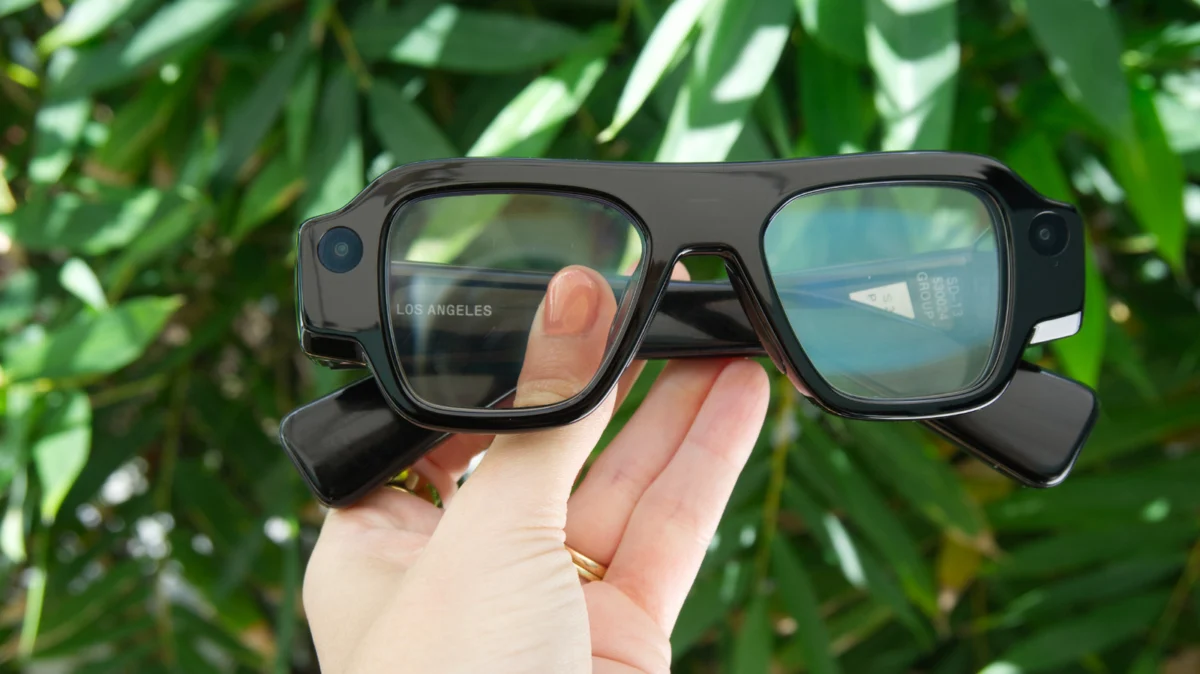
Under the hood, Snap has attempted to pack a desktop-class experience into a wearable form factor. The device is entirely self-contained, eschewing the "puck" or tethered battery packs that have plagued competitors. This design choice is both a technical achievement and a primary contributor to the device’s physical bulk.
The glasses house dual Snapdragon processors—a configuration Snap claims is necessary to achieve its performance targets. According to the company, one processor is dedicated solely to computer vision, while the second manages the rendering of AR Lenses. This architecture is designed to minimize the "motion-to-photon" latency, which Snap has officially verified at just 7 milliseconds. By utilizing advanced robotic measurement systems, the company argues that these glasses provide a level of responsiveness that makes digital assets appear truly anchored to the physical world.
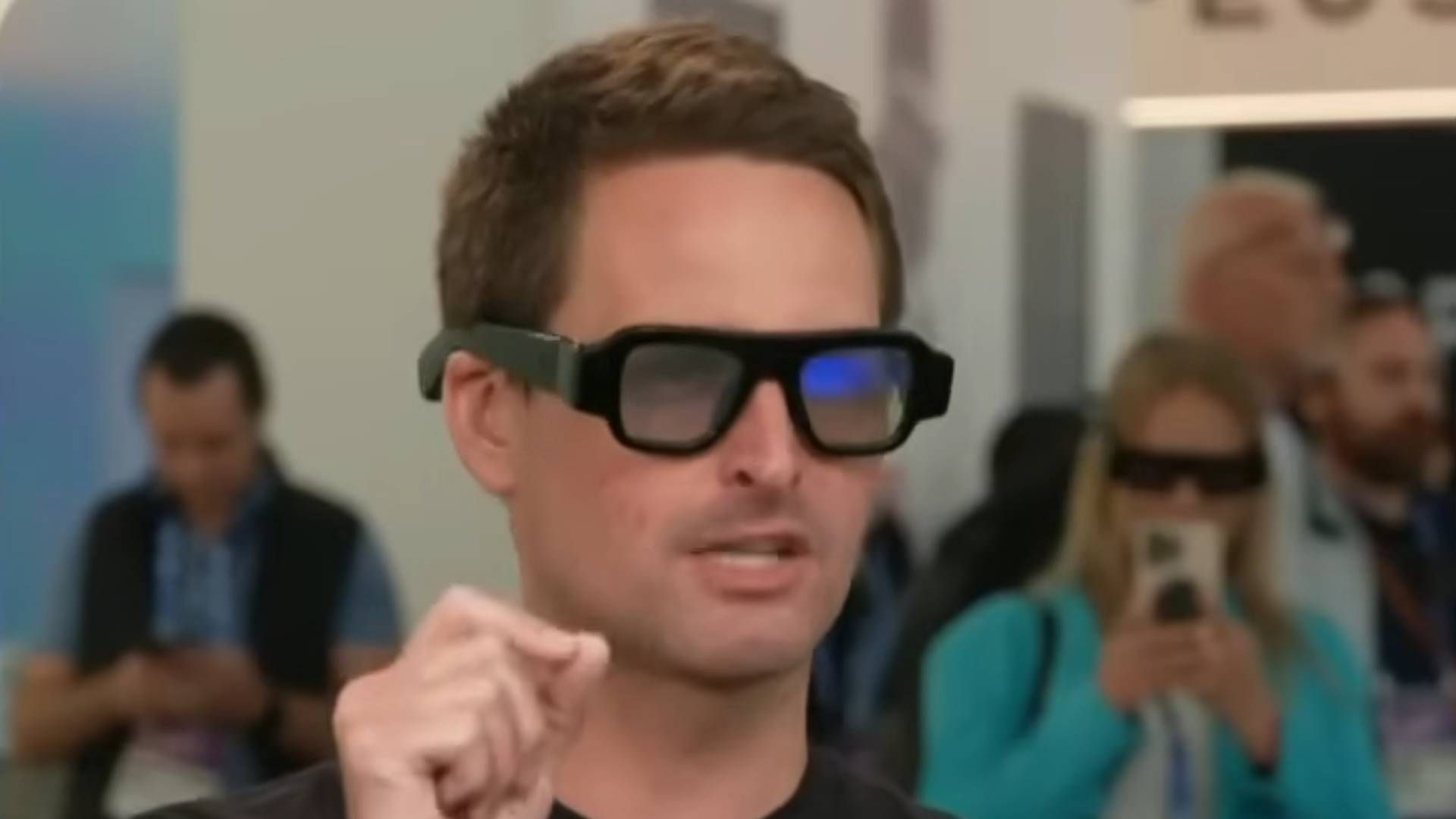
The visual experience is touted as offering a high-fidelity display that simulates a 24-inch desktop monitor for productivity or a massive 115-inch home cinema screen when the user is engaged in entertainment. Despite these impressive specs, the hardware remains a "chunky" proposition. The physical weight required to dissipate the heat generated by these high-performance chips has led to criticism regarding the device’s ergonomics. As seen in recent promotional footage, even for the CEO, the frames appear to put significant pressure on the ears, raising questions about long-term comfort for the average user.
Chronology of a Controversial Launch
The path to the release of these AR Specs has been marked by a long period of internal development, but the public timeline has been unforgiving:
- Pre-June 2026: Persistent rumors of a high-end, standalone AR device circulated within the tech industry. Snap maintained a policy of relative silence, focusing on iterative updates to its previous Spectacles models.
- June 16, 2026: The official unveiling event. Snap showcased the standalone capabilities and the sophisticated dual-processor architecture, positioning the device as a "computing platform" rather than a mere accessory.
- June 17–23, 2026: Following the announcement, market reaction was swift and negative. Snap’s share price began a steady decline, reflecting investor anxiety over the high price point and the potential for a limited consumer addressable market.
- Present Day: Snap continues to defend the product as a long-term investment in the future of spatial computing, even as the market remains wary of the high price tag and the bulky form factor.
Supporting Data: Performance and Limitations
For a device priced at $2,195, the battery life is perhaps the most glaring limitation. Snap officially lists the endurance at four hours of "mixed use." While this includes intensive tasks like video playback, AI assistance, and high-frequency AR lens usage, four hours is a difficult sell for a device marketed as an all-day smartphone replacement.
To mitigate this, Snap includes a proprietary charging case capable of providing four additional full charges, bringing the total "portable" battery life to 20 hours. While this is a practical solution for travel, it does little to solve the problem of a dead battery mid-usage.
Furthermore, the "all-in-one" design is a double-edged sword. While it provides freedom from tethers, it forces the hardware to carry the entire thermal and power load. The resulting weight and volume of the glasses create a barrier to entry that goes beyond price; it is a barrier of daily convenience.
Official Responses and Corporate Strategy
Snap’s leadership remains steadfast in its messaging. Evan Spiegel has characterized the device as an essential step toward bringing computing into the "world around you." The company is clearly betting on a future where mobile computing migrates from the palm of the hand to the face.
In its official press communications, Snap emphasizes the ecosystem benefits: "Together, they [the processors] enable fast hand tracking, low latency, and responsive interactions that help digital content feel anchored in the real world." The company is positioning itself as a pioneer, willing to absorb the short-term criticism of high pricing and aesthetic trade-offs in exchange for owning the next era of interface technology.
However, the silence from the market suggests that shareholders are looking for more than just a proof-of-concept. The six-session losing streak for Snap’s stock highlights a lack of confidence in the current consumer appeal of the hardware. Investors appear concerned that Snap is repeating the mistakes of early VR and AR entrants—prioritizing technical specifications over the "human factor" of wearability.
Implications for the Future of AR
The implications of this launch reach far beyond Snap. If a company with Snap’s deep expertise in AR lenses and social integration struggles to find the "sweet spot" between power and portability, what does it mean for the broader industry?
The "Form Factor" Trap
The current struggle with the Specs highlights the "form factor trap." To make AR useful, it needs significant compute power, high-resolution optics, and robust sensors. To make it wearable, it needs to be lightweight, stylish, and power-efficient. Currently, these two requirements are at odds. Snap has chosen to lean into the power side of the equation, resulting in a device that feels more like a piece of lab equipment than a consumer fashion accessory.
Market Viability and Pricing
At $2,195, the device is priced significantly higher than a premium smartphone. This places it in the realm of "prosumer" gear or enterprise-focused hardware. However, Snap is marketing it as a consumer-facing product. This mismatch in positioning may be the root cause of the current market skepticism. If the product is intended for developers and early adopters, the pricing is standard; if it is intended for the general public, the pricing is prohibitive.
The Smartphone’s Staying Power
The fundamental premise of the Specs is that the smartphone is a distraction—that looking down at a screen is a "broken" interaction. While many technologists agree with this sentiment, the smartphone has proven to be an incredibly resilient device. It is multi-functional, powerful, and socially normalized. For AR to truly disrupt the smartphone, it must not only be better at specific tasks but also provide a seamless, non-intrusive experience that doesn’t make the user feel like they are wearing a piece of heavy, hot machinery.
Conclusion: A Vision Out of Focus
Snap’s new Specs are an impressive engineering feat, and credit is due to the team that managed to strip away the tether in favor of a standalone, dual-processor design. However, the tech industry is littered with "great inventions" that failed to find a home in the daily lives of consumers.
The immediate future for Snap will be defined by its ability to pivot. Will it iterate on this design, reducing the bulk and the price in future versions? Or will it find that the market simply isn’t ready for a $2,000 wearable that leaves its users looking like they are struggling under the weight of their own innovation?
For now, the jury is out. But as the stock market continues to reflect, a vision of the future that is physically uncomfortable—and financially inaccessible—is a difficult sell, regardless of how low the latency is or how well the digital content is anchored. Snap has built the future, but they may have built it for a world that isn’t quite ready to wear it yet.


 Asro
Asro
 Muslim