Azzam Bilal Chamdy
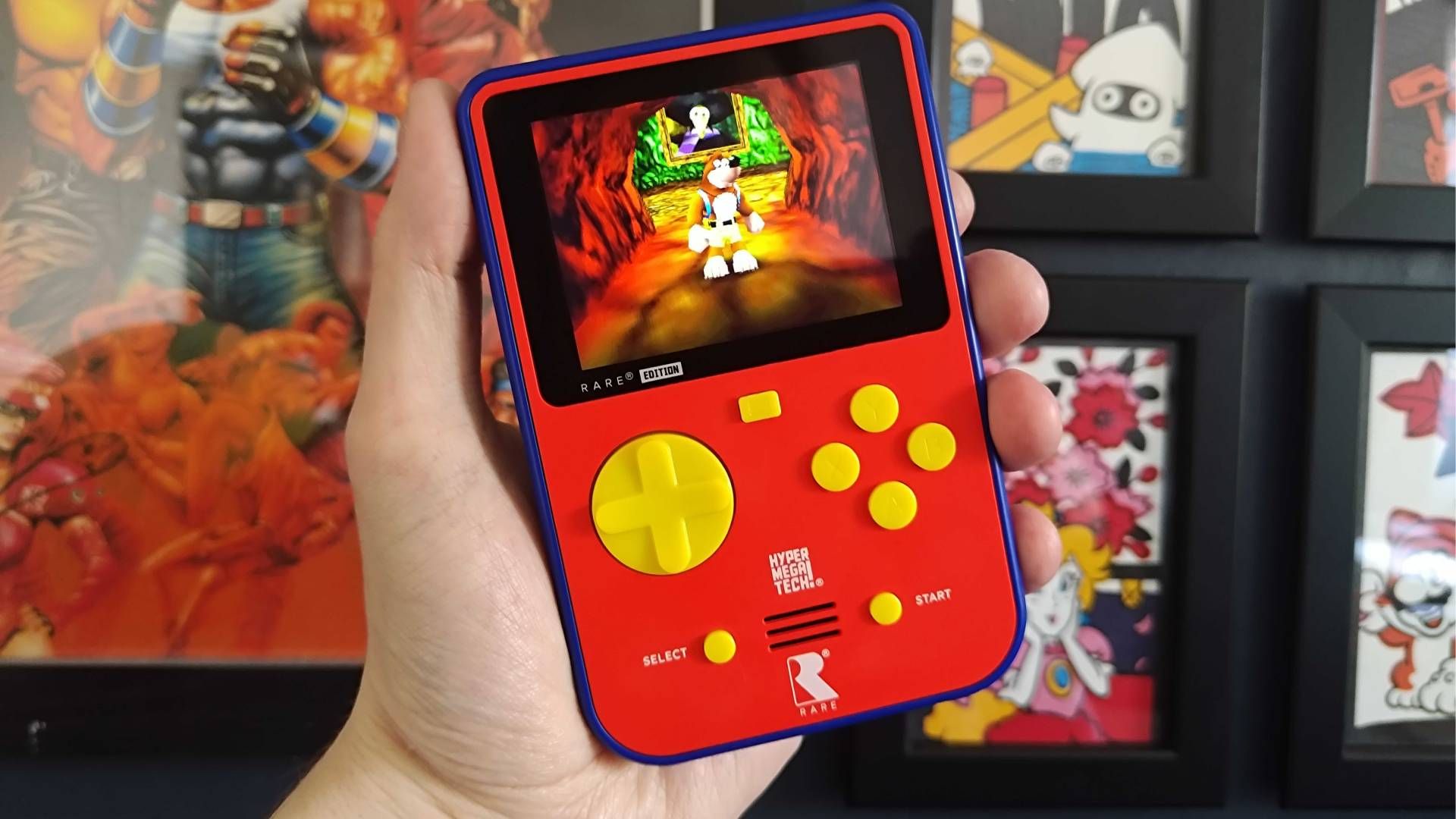
The retro gaming market is currently experiencing a renaissance, driven by a wave of affordable, high-quality handheld consoles. Among the most anticipated releases of the year is the Super Pocket Rare Edition, a bespoke handheld celebrating the storied history of the developer Rare. While the allure of playing Banjo-Kazooie on a dedicated, pocket-sized machine is undeniable, the savvy consumer might be wondering if there is a more cost-effective path to the same experience. By leveraging the modular nature of the Evercade ecosystem, players can potentially save a significant amount of money while still enjoying the same library of classic titles.
Main Facts: The Rise of the Super Pocket
The Super Pocket, manufactured by HyperMegaTech (a sibling brand to the renowned Evercade), has quickly become a staple for enthusiasts of "plug-and-play" retro gaming. Its defining feature is its commitment to physical media: it utilizes the same cartridge slot found in the premium Evercade consoles.
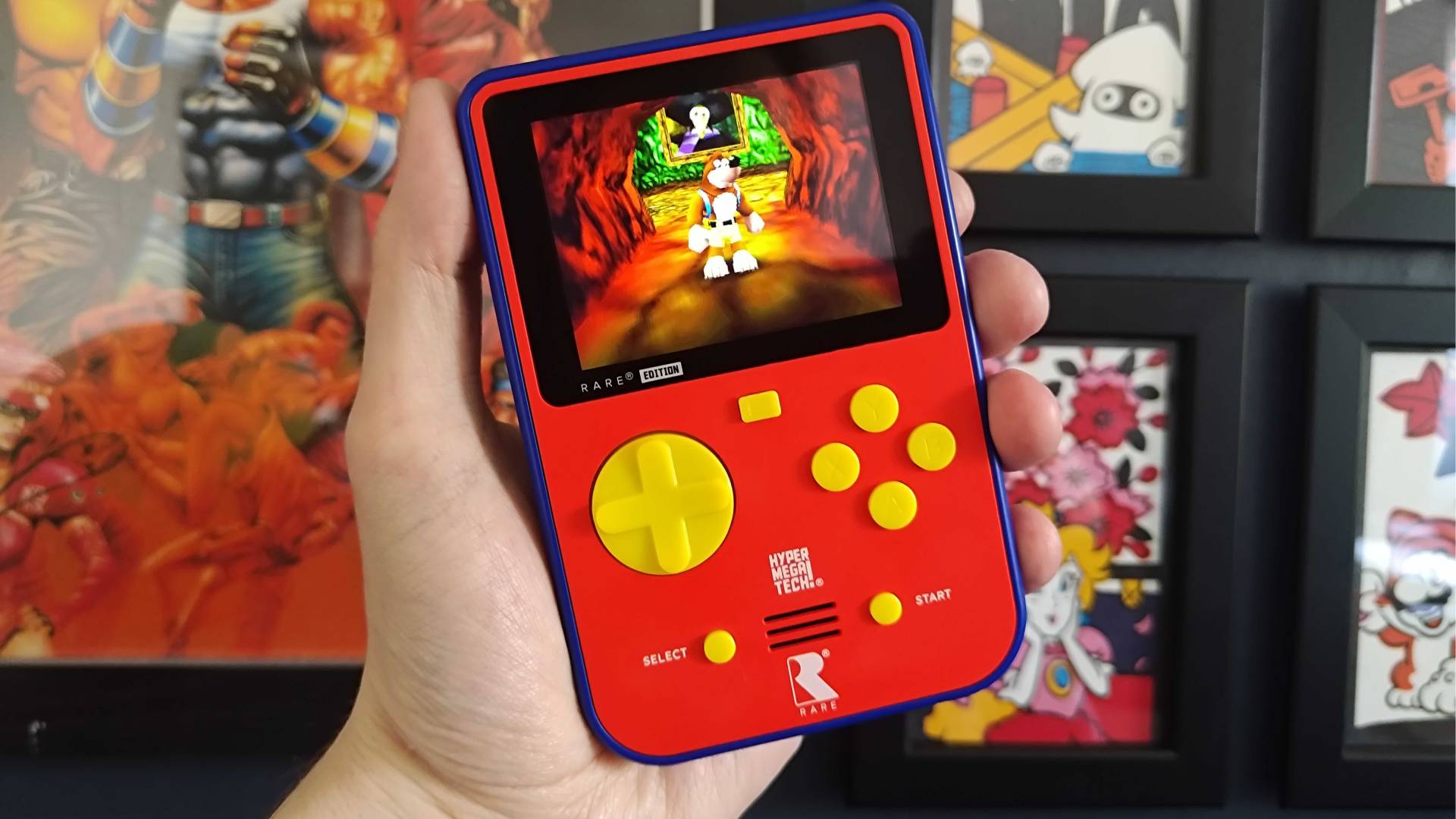
The newly announced Super Pocket Rare Edition ($69.99) arrives with a curated selection of Rare’s legendary catalog pre-installed. However, for those who do not strictly require the specialized branding or the specific selection of non-Banjo titles bundled with this unit, an alternative exists. The TECHNOS Edition of the Super Pocket, which frequently sees aggressive price cuts during major retail events like Amazon Prime Day, offers an identical hardware experience at a lower entry price point.
A Chronology of the Modern Retro Handheld
The evolution of the Super Pocket is rooted in the success of the Evercade platform.
- Initial Launch: Blaze Entertainment introduced the original Evercade to offer a modern, legal, and premium way to play licensed retro games via physical cartridges.
- The Super Pocket Debut: Recognizing a need for a more portable, budget-friendly "entry" device, the Super Pocket was launched to provide a streamlined experience without the complexity of the larger home consoles.
- The Rare Partnership: The collaboration with Rare represents a milestone for the platform, bringing N64-era classics into the portable fold.
- The Future (October 2024): The scheduled release of the physical Banjo-Kazooie collection cartridge marks a pivot point where the software becomes decoupled from the specialized hardware, allowing any Evercade-compatible device to run these titles.
Supporting Data: The "Hardware-Agnostic" Strategy
The key to "hacking" the cost of entry lies in the platform’s universal cartridge system. Every Super Pocket model features the exact same Evercade cartridge slot.
If a consumer purchases the TECHNOS Edition—which is often discounted to under $50 during seasonal sales—they gain access to 15 arcade classics, including Double Dragon and River City Ransom. By waiting until October, when the dedicated Banjo-Kazooie physical collection is released, the user can purchase that cartridge separately.
Mathematically, this represents a strategic split. While buying the Rare Edition bundle is convenient, it effectively charges a premium for the specific hardware aesthetic and a set of "bundled" games. By opting for the TECHNOS unit on sale and adding the Banjo cartridge later, the user avoids "double-buying" content they might not want, essentially allowing them to build a personalized library while keeping the total investment as low as possible.
Diversification: Beyond Banjo
The Super Pocket ecosystem is not limited to a single choice. For gamers with different tastes, other variants offer distinct value propositions:
- The Neo Geo Edition: This version is tailored for fans of high-octane arcade fighters and run-and-gun titles, featuring staples like The King of Fighters and Metal Slug X.
- The Atari Edition: A love letter to the 2600 era, ideal for those who prefer the foundational classics of the home console market.
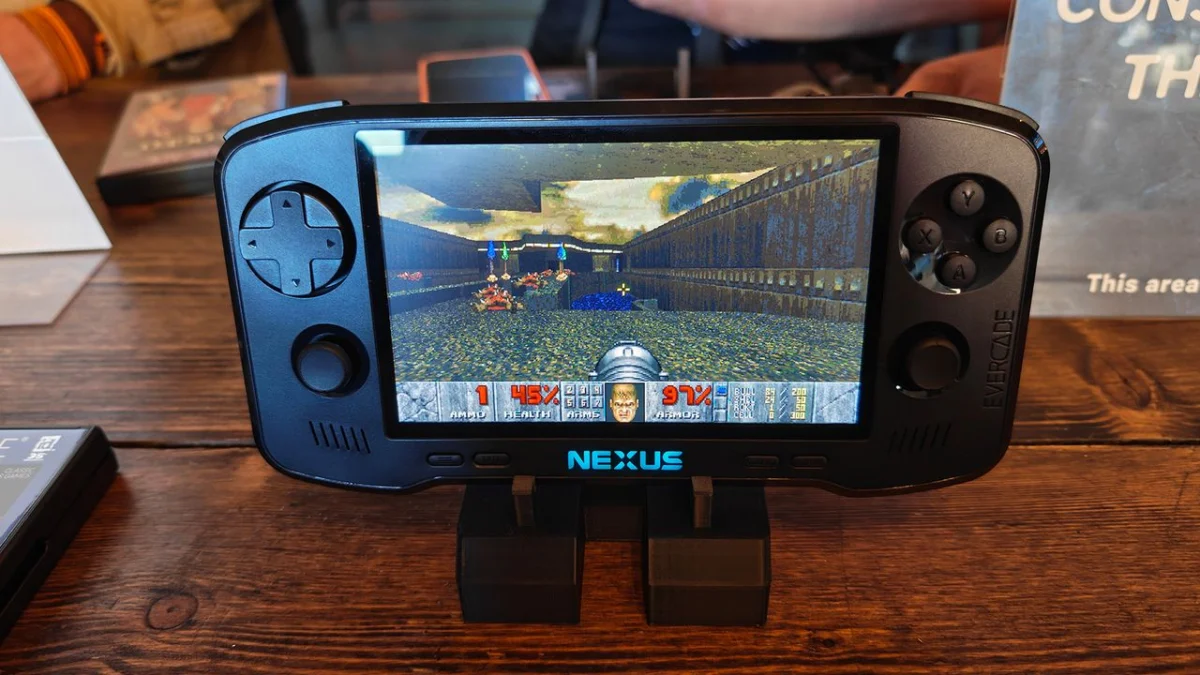
For those who find the Super Pocket too small, the Evercade EXP-R ($129.99) serves as the "Pro" version. It offers a larger screen, a 3,000mAh battery for extended play sessions, and Wi-Fi connectivity for seamless firmware updates. At the top of the hierarchy sits the upcoming Evercade Nexus, a high-performance handheld with dual analogue sticks and a 5.89-inch IPS screen, specifically designed to handle more complex 3D titles like the Banjo series with greater ergonomic comfort.
Official Perspectives and Industry Context
Blaze Entertainment, the company behind the Evercade ecosystem, has consistently maintained that their goal is to make physical retro gaming accessible. By creating a unified cartridge standard, they have effectively prevented the "walled garden" effect often seen in proprietary handhelds.
Industry analysts have noted that this modular approach is a direct response to the "subscription fatigue" currently affecting the gaming industry. By offering physical, permanent ownership of games, Blaze is positioning its hardware as a long-term investment rather than a disposable gadget. The ability to swap cartridges between a $50 pocket device and a $200 premium console ensures that the software investment remains protected regardless of which hardware the user chooses to upgrade to in the future.
Implications for the Consumer
What does this mean for your wallet? If you are a collector who simply must have the Rare Edition—with its unique color scheme and specific pre-installed library—the $69.99 price point is highly competitive for the value it provides.
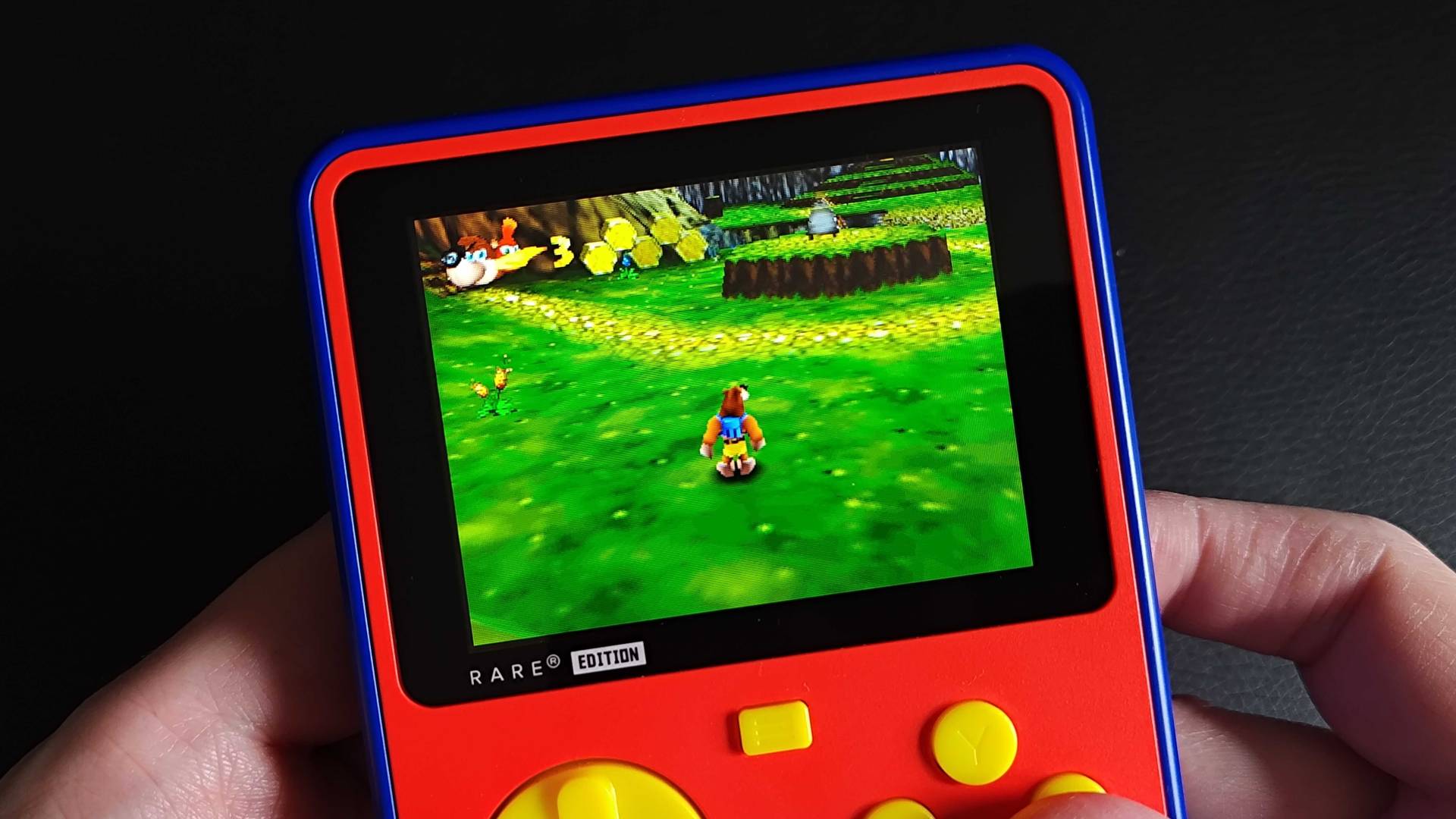
However, if you are a player who prioritizes the Banjo-Kazooie experience above all else, the "wait-and-buy-separately" strategy is arguably the most efficient route. It allows you to:
- Lower the entry cost: By utilizing sales on older Super Pocket models.
- Avoid bloat: You aren’t paying for games you don’t intend to play.
- Future-proof: By investing in the physical cartridge, you retain a collection that will work on future, more powerful Evercade hardware, such as the upcoming Nexus.
Ultimately, there is no "wrong" way to join the Evercade ecosystem. Whether you choose the compact, nostalgic aesthetic of the Rare Edition or the budget-conscious flexibility of the TECHNOS path, the Super Pocket remains one of the most compelling hardware stories in the current gaming landscape. As we approach the holiday season and the subsequent sales events, keeping an eye on these variants will be the difference between a simple purchase and a masterclass in smart, tactical consumerism.
For those looking to dive deeper into the technical specifications and the full list of compatible titles, the official Everything Evercade guide remains the definitive resource for navigating this modern-retro landscape. Regardless of your final choice, the enduring legacy of titles like Banjo-Kazooie has found a worthy home in the palm of your hand.


 Nana Wu
 Layla Zulfa