Asro
Asro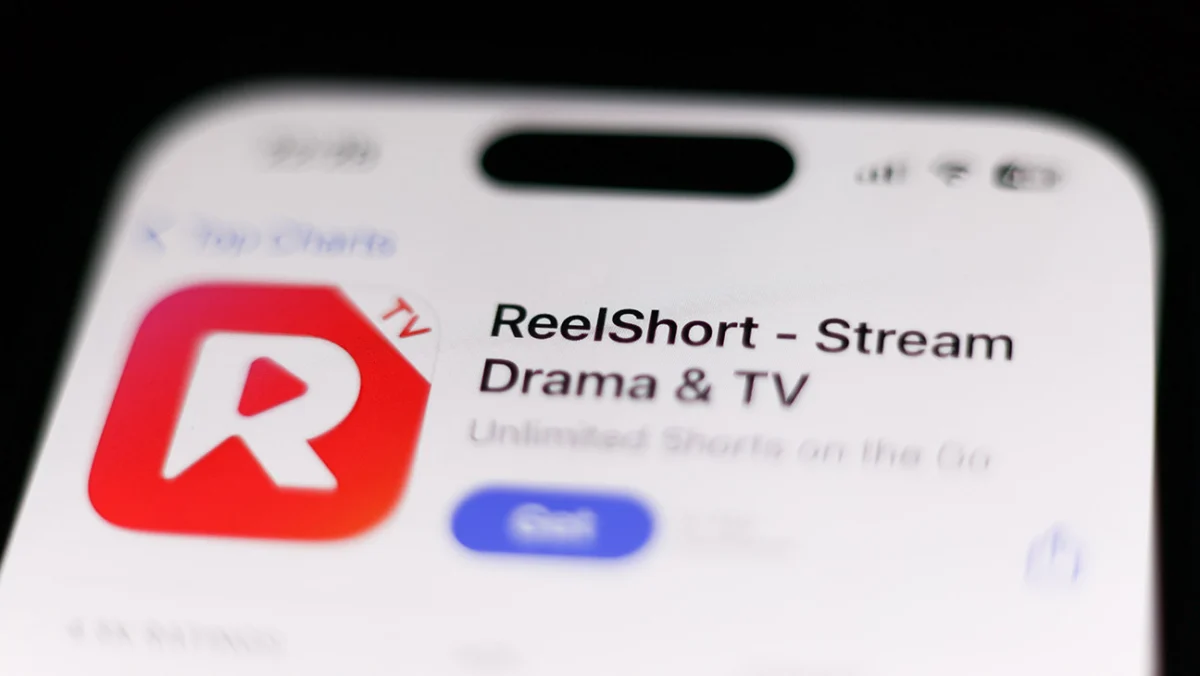
Main Facts: A New Frontier for Micro-Dramas
ReelShort, the Silicon Valley-based sensation that has redefined mobile entertainment through its library of high-octane, bite-sized "micro-dramas," has officially cemented its footprint in the Philippines. In a landmark distribution agreement announced at the APOS conference in Bali, the platform has partnered with Globe Telecom, one of the Philippines’ dominant telecommunications providers.
This strategic move marks ReelShort’s second major carrier tie-up in Southeast Asia within a span of just two months, signaling an aggressive, calculated shift toward capturing the region’s mobile-first demographics. By integrating its vast library of cliffhanger-driven, soapy content directly into the Globe ecosystem, ReelShort aims to bypass the friction of standalone app acquisition, leveraging the telco’s massive subscriber base to normalize the micro-drama format in a market that consistently ranks among the world’s heaviest consumers of mobile internet.
The Mechanics of the Deal: Connectivity Meets Content
The partnership, facilitated by AR Global Media Network—which acts as ReelShort’s exclusive distribution representative in Southeast Asia—is designed to integrate the streaming service into Globe’s value-added service offerings. Globe, backed by the formidable Ayala Corp. and Singapore’s Singtel, provides the ideal infrastructure for ReelShort’s growth.
For the Filipino consumer, the deal promises seamless access to a genre that thrives on impulse viewing. In a region where digital payments can sometimes be a barrier, telco-integrated billing offers a frictionless path to monetization. This follows the successful blueprint established in Thailand in April, when ReelShort partnered with AIS to bundle a co-branded, deeply discounted subscription into mobile data plans. By pricing these offerings at a fraction of the global premium rate—sometimes as low as $1 per month compared to the standard $17.50—ReelShort is effectively subsidizing its expansion to ensure it becomes a daily habit for millions.
Chronology: From Silicon Valley Startup to Global Phenomenon
To understand the significance of this move, one must look at the meteoric rise of ReelShort’s parent company, Crazy Maple Studio.
- 2022: Crazy Maple Studio launches ReelShort, bringing the Chinese-pioneered "micro-drama" format to Western audiences with high production values and English-language scripts.
- 2023: The app experiences viral growth, fueled by addictive tropes like billionaire romances and revenge sagas. Titles such as Bound by Honor reach hundreds of millions of views, proving that the short-form, vertical video format has global legs.
- Early 2024: ReelShort identifies Southeast Asia as its next major growth engine, recognizing the parallels between the region’s high mobile penetration and the platform’s native format.
- April 2024: The company signs its first major carrier deal with AIS in Thailand, testing the model of steep discounts and bundled billing.
- May 2024 (APOS Conference): The partnership with Globe in the Philippines is formally unveiled, marking a significant escalation in the regional strategy.
Supporting Data: The Micro-Drama Ecosystem
ReelShort’s growth is not merely a trend; it is supported by significant user engagement metrics. The platform currently claims to reach more than 70 million monthly active users across over 100 countries. Its library, which boasts nearly 3,000 titles, is built on a "formulaic excellence" model—a genre-specific approach that prioritizes fast pacing, emotional intensity, and structural cliffhangers that keep viewers tapping "next episode."
While the company is headquartered in Silicon Valley, its ownership structure reflects the global nature of its origins. China’s COL Group remains its largest outside shareholder with a roughly 49 percent stake, providing both financial backing and strategic insight into the micro-drama business model that was perfected in the Chinese market before being exported globally.
However, the industry is not without its fiscal hurdles. Despite "breakneck" user growth, the micro-drama sector faces questions regarding long-term profitability. Heavy outlays in content production—necessary to keep the "addiction loop" going—and aggressive marketing spending have weighed on the bottom lines of many operators in the space. The pivot to telco partnerships is, in many ways, a survival strategy to lower Customer Acquisition Costs (CAC) and ensure a more stable revenue stream through subscription bundling.
Official Responses: Aligning for Growth
The leadership at Crazy Maple Studio views the Philippine market as a cornerstone of their international roadmap.
"Following the tremendous response we received in Thailand, partnering with Globe in the Philippines is a significant milestone in our regional growth strategy," said Joey Jia, CEO of Crazy Maple Studio. Jia’s sentiment underscores the company’s commitment to adapting its business model to suit the economic nuances of Southeast Asia. By treating the carrier as a partner rather than just a pipe, the company is effectively outsourcing the difficult work of user acquisition to a trusted local entity.
For Globe, the deal represents a continuation of a well-established content-bundling strategy. In an era where data commoditization is rampant, telecom operators are increasingly looking to differentiate themselves by becoming "super-apps" or hubs for digital entertainment. By offering ReelShort, Globe keeps subscribers engaged within their network ecosystem, reducing churn and increasing the average revenue per user (ARPU) through premium content tiers.
Implications: A Crowded Arena and the Future of Mobile Media
The entry of ReelShort into the Philippines is emblematic of a broader "gold rush" in the micro-drama industry. The market is becoming increasingly crowded, with competitors like DramaBox (another major player with Chinese roots) vying for the same eyeballs.
1. The Battle for Market Share
As major players rush to capture Southeast Asia, the competition will likely shift from simple content libraries to platform exclusivity and marketing dominance. The battleground is no longer just about who has the most dramatic story, but who has the best distribution network. ReelShort’s move to secure partnerships with regional telco giants gives it a structural advantage that smaller, independent apps may struggle to replicate.
2. The Economic Sustainability Challenge
The central question remains: can the micro-drama model transition from a viral sensation to a profitable enterprise? Currently, the heavy investment in high-quality, short-form content creates a high "burn rate." If these telco partnerships do not convert enough free or discounted users into long-term subscribers, the platforms may face a reckoning. However, by lowering the entry price point via bundles, ReelShort is betting on volume over high-margin individual subscriptions.
3. Cultural Localization
As ReelShort expands, the next logical step will be the localization of content. While the platform has succeeded with English-language content, long-term success in the Philippines, Thailand, and beyond will likely require the production of indigenous micro-dramas. Tailoring the "billionaire romance" or "revenge" tropes to local cultural contexts will be the ultimate test of ReelShort’s global scalability.
4. A New Era of Mobile Consumption
This partnership signals the end of the "experimentation phase" for micro-dramas. The format is now being treated as a mainstream entertainment pillar, alongside established streaming services like Netflix or Disney+. By securing a place in the Globe content catalog, ReelShort is essentially certifying the micro-drama format as a legitimate, professionalized category of television.
Conclusion
The collaboration between ReelShort and Globe is a harbinger of the future of digital entertainment in Southeast Asia. It represents a marriage of convenience: the content creator needs the scale and billing power of the carrier, while the carrier needs the addictive, high-engagement content to retain a mobile-first generation of users. As the dust settles on this new partnership, the industry will be watching closely to see if this model can translate into the sustainable, long-term profitability that has so far eluded the micro-drama sector. One thing is certain: the era of the one-minute cliffhanger has arrived in the Philippines, and it is here to stay.

 Nana Wu
 Layla Zulfa