Basiran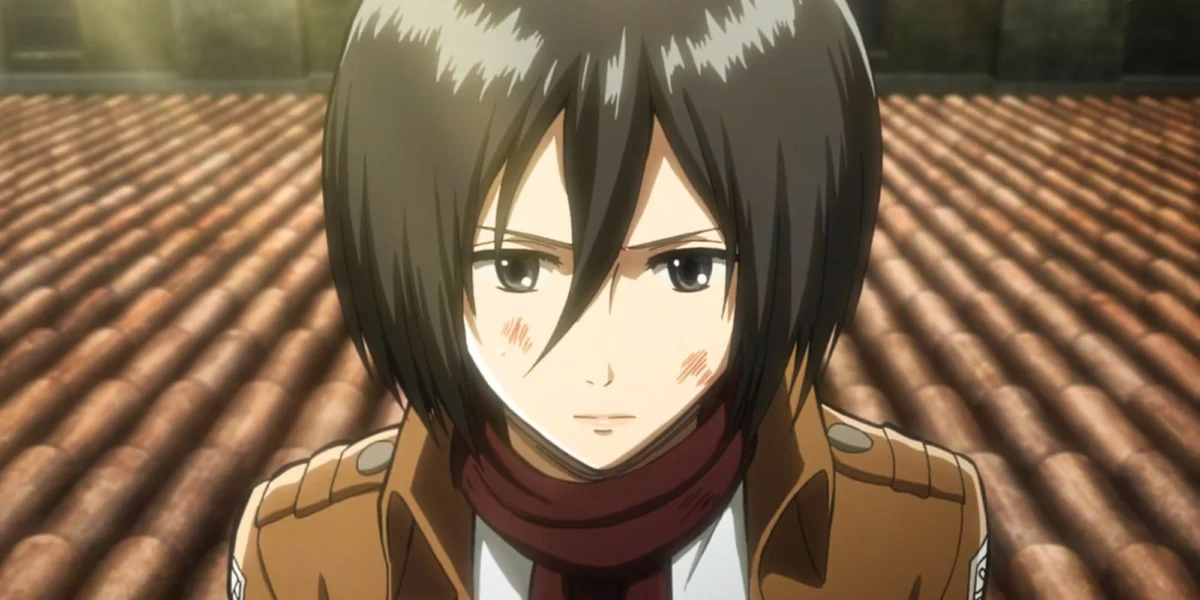
For decades, the medium of anime has been unfairly sidelined by Western audiences as mere "cartoons" for children. However, a deeper investigation reveals a sophisticated landscape of adult animation that challenges the intellect, explores the human condition, and experiments with narrative structure in ways that live-action television rarely dares. From the existential dread of digital identity to the crushing weight of systemic corruption, the best-written anime series function as profound social critiques, character studies, and works of high art.
Whether you are a seasoned otaku or a newcomer looking for a narrative experience that transcends genre tropes, these ten series represent the pinnacle of writing in the medium.
The Masterminds: Why Writing Matters in Anime
The success of an anime series is rarely an accident; it is the result of visionary screenwriters and directors who treat animation as a canvas for philosophical inquiry. Writers such as Gen Urobuchi, Hiroshi Seko, and the late, great Satoshi Kon have cultivated a reputation for excellence. When their names are attached to a project, the audience can expect a meticulously crafted experience.
Much like Western titans such as The Simpsons or Rick and Morty, these anime series use their animated medium to push boundaries. They are not merely telling stories; they are conducting experiments in pacing, dialogue, and thematic depth.

Chronology of Excellence: A Deep Dive into 10 Essential Series
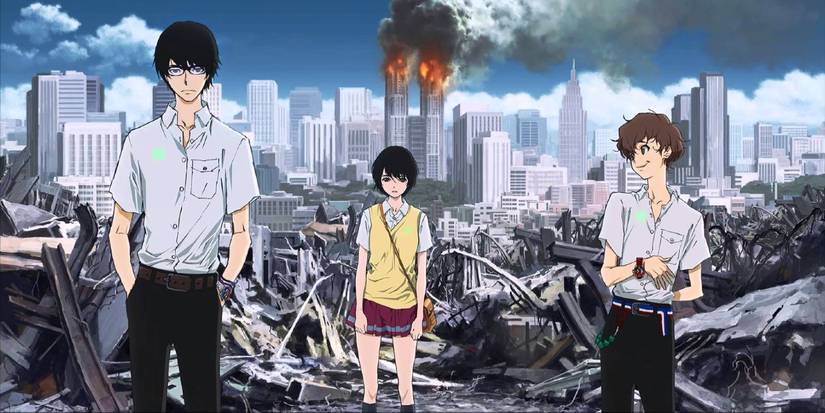
1. Terror in Resonance (2014)
Directed by the legendary Shinichirō Watanabe—the mastermind behind Cowboy Bebop—this 11-episode thriller is a masterclass in lean, precise storytelling. The plot follows "Nine" and "Twelve," two teenage boys who orchestrate elaborate terrorist attacks across Tokyo. However, they are not villains in the traditional sense; they are victims of a clandestine government project, using their "games" to force the public to confront a hidden, horrific truth. The show is a haunting exploration of trauma and systemic corruption, elevated by Yoko Kanno’s evocative score.
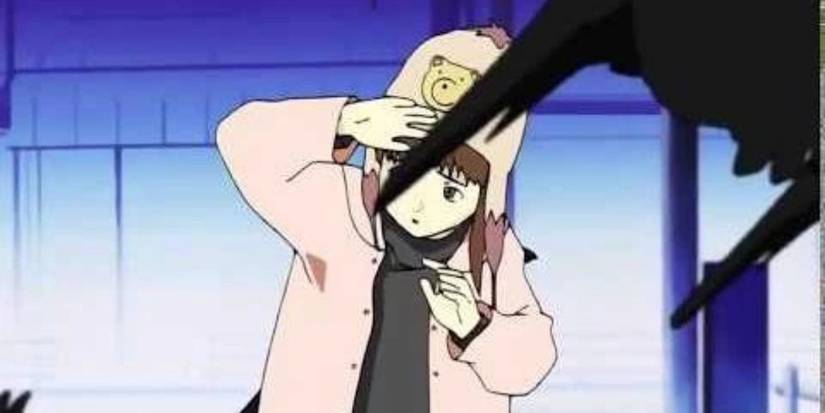
2. Serial Experiments Lain (1998)
Chiaki J. Konaka’s script for Serial Experiments Lain remains one of the most prophetic works in science fiction. The series follows a shy girl named Lain who becomes obsessed with the "Wired," a digital network that begins to bleed into reality. Long before social media dominated our lives, this show explored the psychological fallout of constant connectivity and the dissolution of the self. It is dense, abstract, and challenging—a surrealist descent into the paranoia of the digital age.
3. Violet Evergarden (2018)
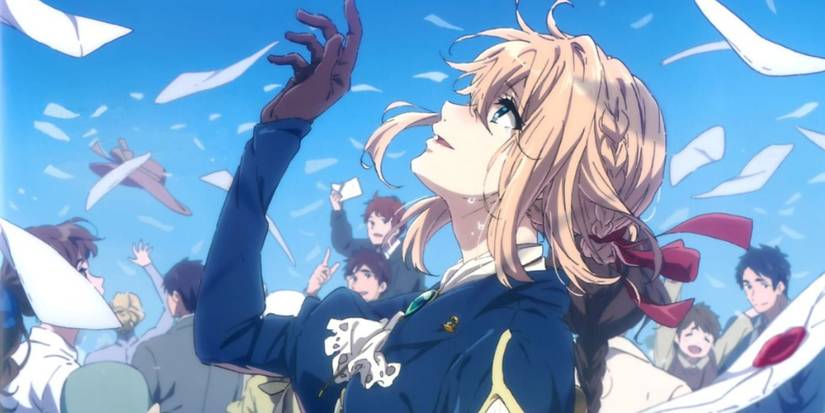
In the realm of emotional storytelling, few shows reach the heights of Violet Evergarden. Following a former child soldier who struggles to understand human emotions after the war, the series centers on her job as an "Auto Memory Doll"—a letter writer for those who cannot express their feelings. Reiko Yoshida’s screenplay turns a fourteen-episode arc into a profound meditation on grief, love, and the power of language. It is an emotionally gripping fantasy that remains a benchmark for character development.
4. Psycho-Pass (2012–2013)
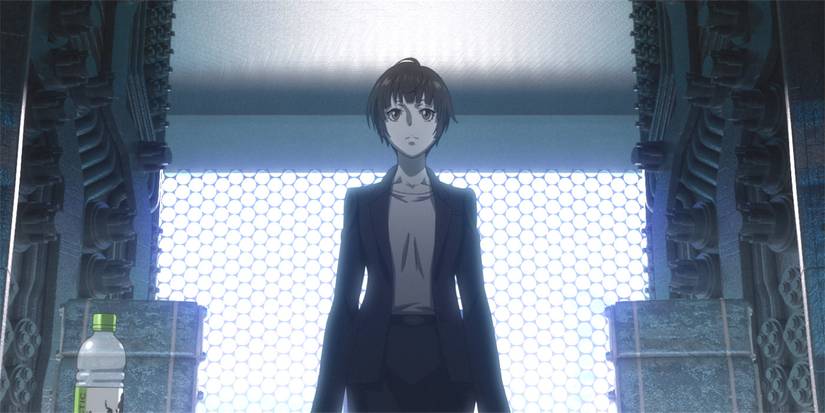
Gen Urobuchi returns with this dystopian cyberpunk masterpiece. Set in a future where a system called "Sibyl" scans citizens’ mental states to predict criminal intent, Psycho-Pass is a philosophical interrogation of free will and surveillance. The cat-and-mouse game between Inspector Akane Tsunemori and the charismatic mastermind Shogo Makishima serves as a springboard for debates on ethics, punishment, and individual agency. It is essential viewing for fans of Black Mirror or The Matrix.
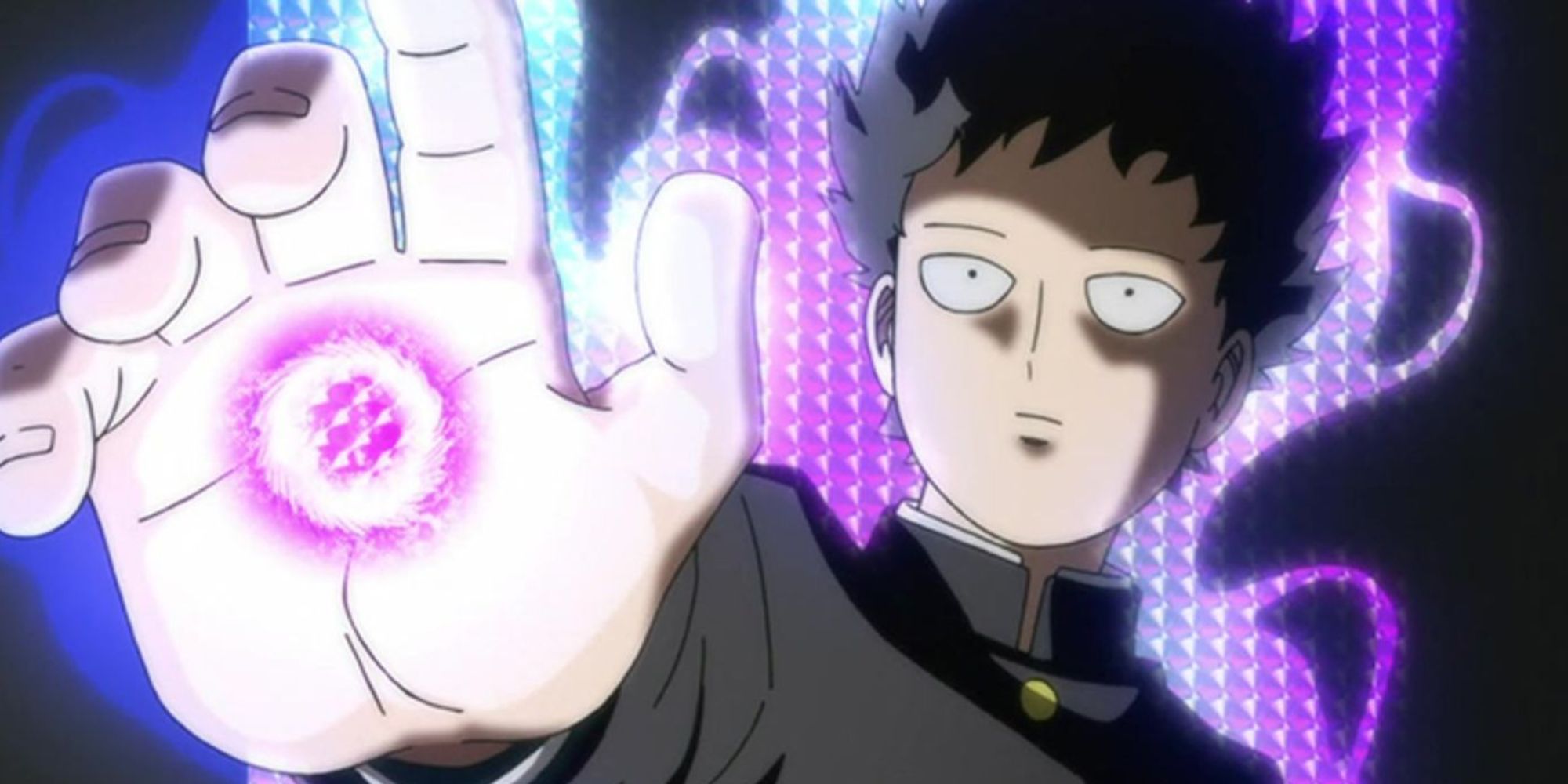
5. Mob Psycho 100 (2016–2022)
Written by Hiroshi Seko, Mob Psycho 100 is a brilliant subversion of the "superhero" genre. It follows Shigeo Kageyama, a socially awkward teenager with god-like psychic powers who just wants to live a normal life. While the action is spectacular, the writing shines in its depiction of emotional growth, adolescence, and the complexity of mentorship. It is widely considered a perfect series, balancing humor, heart, and high-stakes supernatural combat with ease.
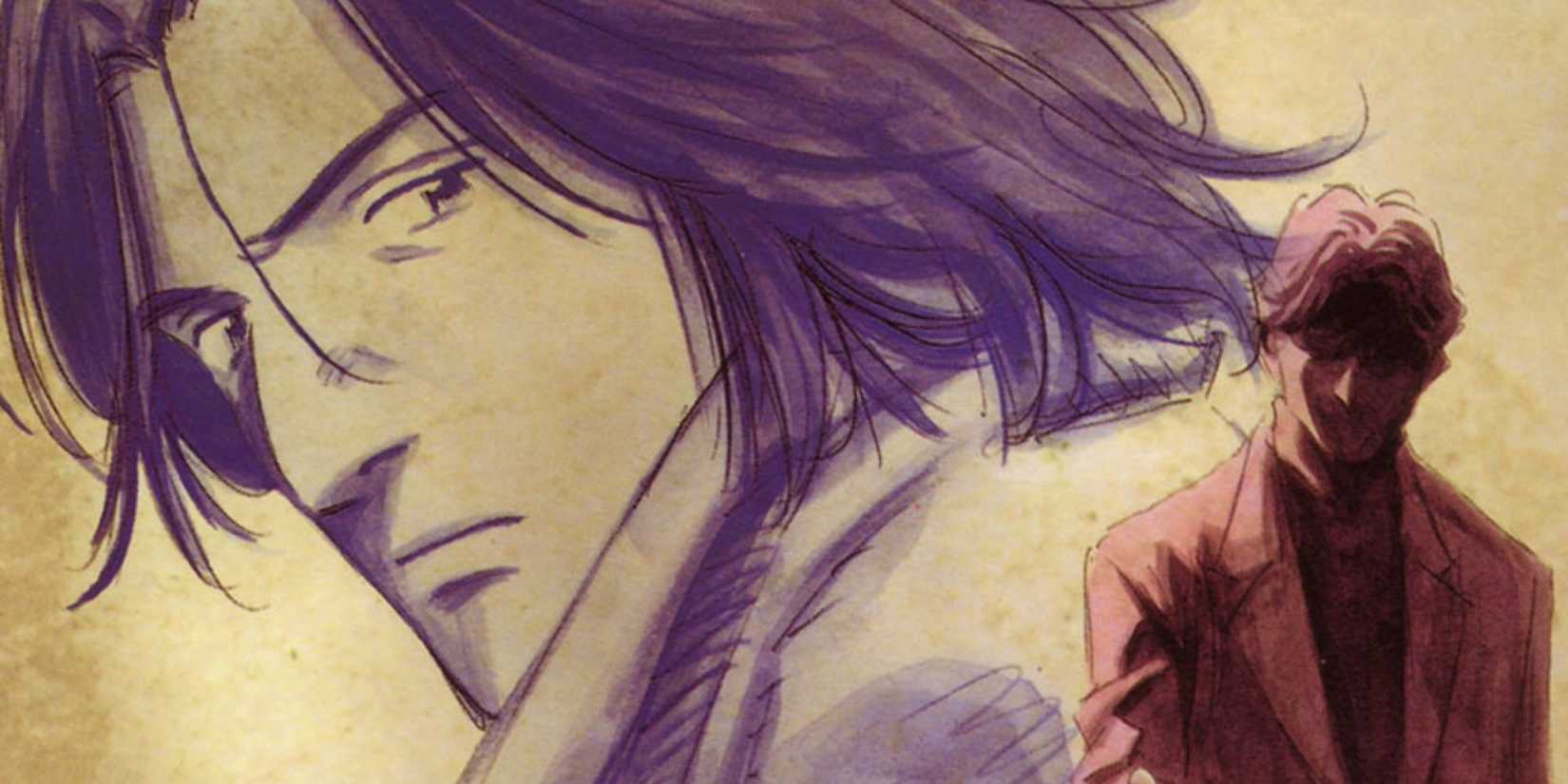
6. Monster (2004–2005)
If you are looking for a psychological thriller that stands toe-to-toe with the best live-action dramas, Monster is the gold standard. When a neurosurgeon chooses to save the life of a boy over a high-ranking politician, he inadvertently sets off a chain of events involving a sociopathic serial killer. The narrative is a slow-burn, 74-episode masterclass in suspense. The adaptation by Studio Madhouse is so faithful that it serves as a testament to the power of the original manga’s tight, intricate plot.
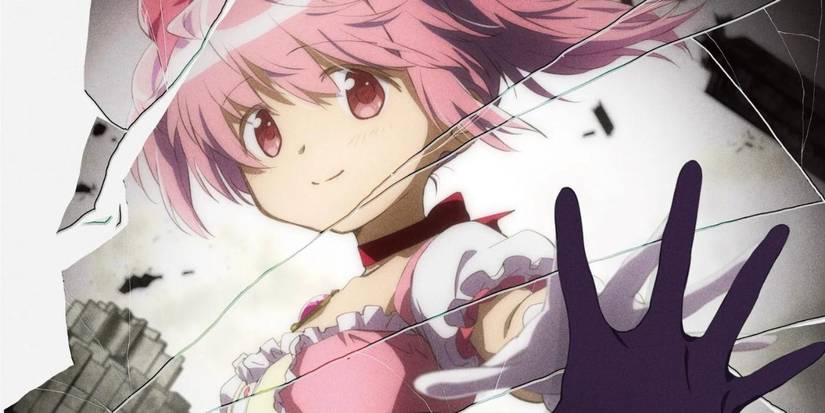
7. Puella Magi Madoka Magica (2011)
At first glance, this appears to be a standard, "cutesy" magical girl anime. This was a deliberate bait-and-switch by director Akiyuki Shinbo and writer Gen Urobuchi. Beneath the colorful art style lies a dark, deconstructive masterpiece that challenges the very nature of heroism and sacrifice. It is a show that forces the viewer to rethink what it means to be a "hero," proving that tone and visual style can be used to effectively mask—and then reveal—profound narrative complexity.
8. Death Note (2006–2007)
A global phenomenon, Death Note remains the ultimate example of a high-stakes intellectual thriller. The premise is simple: a genius high school student finds a notebook that kills anyone whose name is written in it. The subsequent battle of wits between Light Yagami and the detective L is legendary. The show’s tight plotting, moral ambiguity, and relentless tension make it a cornerstone of modern anime writing.
9. Attack on Titan (2013–2023)
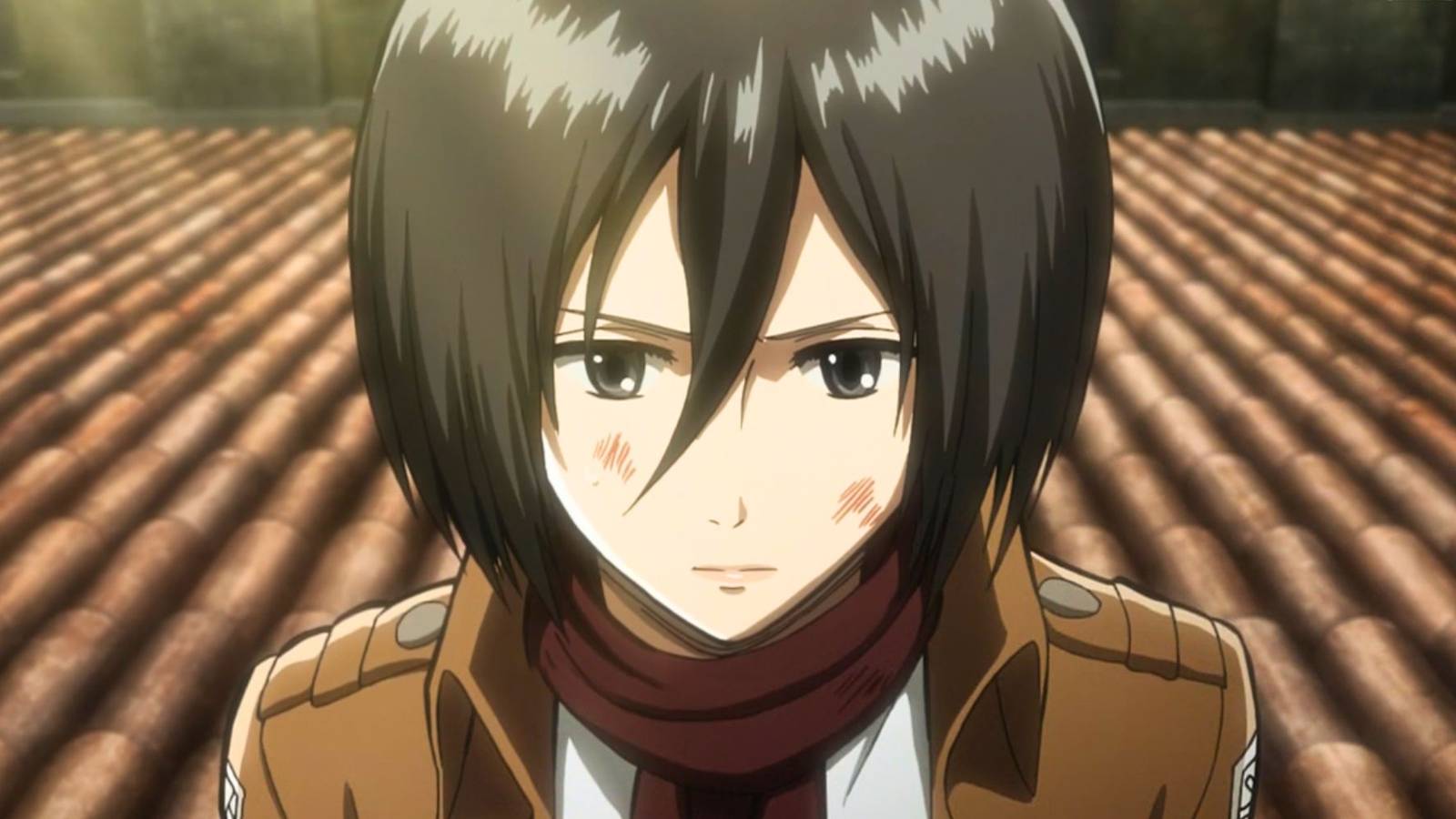
Hajime Isayama’s epic redefined the medium for a generation. Starting as a visceral survival horror about humanity hiding from man-eating giants, it evolved into a sprawling, politically charged war drama. Screenwriter Hiroshi Seko expertly navigated the series’ transition from action-heavy spectacles to deeply philosophical commentary on the cycle of hatred and generational trauma. With a massive, dedicated fanbase and a 9.1 rating on IMDb, it is arguably one of the most important works of fiction of the 21st century.
10. Paranoia Agent (2004–2005)
The only TV series by the visionary Satoshi Kon, Paranoia Agent is a masterful anthology-style miniseries. It follows a series of seemingly random attacks by a "Lil’ Slugger" in Tokyo, exploring how collective panic and mental health issues can warp a society. Each episode functions as a standalone character study, eventually weaving together into a cohesive, unsettling portrait of urban alienation.
Supporting Data: Why These Shows Dominate
The critical acclaim of these series is backed by consistent high rankings across platforms like MyAnimeList and IMDb. Shows like Attack on Titan and Monster consistently appear in the "Top 50" lists of all television series, not just anime. This success is primarily attributed to their willingness to tackle mature themes—such as the ethics of surveillance, the nature of evil, and the nuances of mental health—without resorting to the shallow tropes often found in more "mainstream" action programming.
Official Responses and Industry Impact
The anime industry has recognized this shift toward "prestige animation." Studios like MAPPA, Madhouse, and Kyoto Animation have invested heavily in writers who prioritize narrative structure over simple fan service. This has led to a wider cultural shift: major streaming platforms like Netflix and Crunchyroll have made these "well-written" series the centerpiece of their libraries, acknowledging that adult audiences are actively seeking out intellectually demanding animated content.
Implications: The Future of the Medium
The success of these series has profound implications for the future of global storytelling. By proving that animation can handle complex philosophical debates, moral ambiguity, and structural experimentation, these writers have effectively demolished the barrier between "animation" and "prestige drama."
As we look forward, the trend suggests that the most successful anime will be those that continue to prioritize the "written word"—deepening character arcs, utilizing non-linear timelines, and embedding social critiques within compelling narratives. For the viewer, this means we are living in a golden age of animation, where the next great story is only one episode away.
Whether you are seeking the cold, calculating thrill of Death Note or the haunting, ethereal beauty of Violet Evergarden, these ten series serve as a testament to the fact that when it comes to writing, anime is not just a genre—it is a masterclass in the art of the story.


 Nana Wu
 Layla Zulfa