Nana
Nana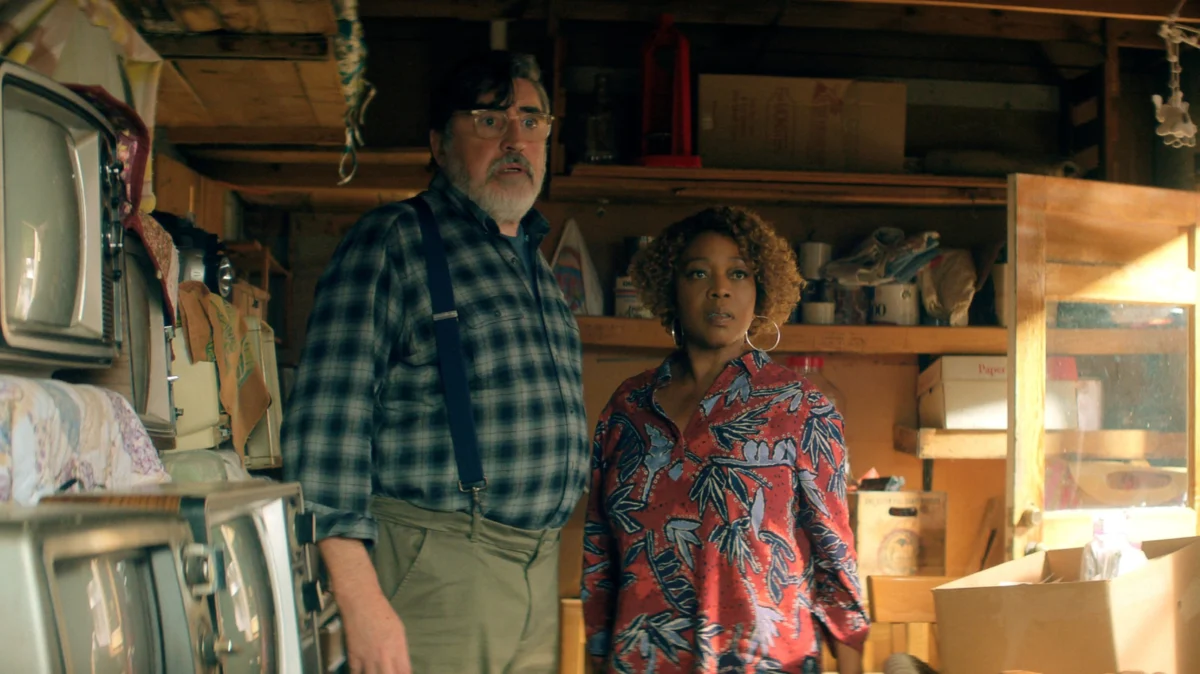
In the modern landscape of streaming television, critical acclaim is often treated as a currency of prestige, but it rarely acts as a shield against the cold, hard metrics of the boardroom. This week, the industry was reminded of that harsh reality when Netflix announced the cancellation of The Boroughs, the highly anticipated supernatural mystery series from the minds of The Dark Crystal: Age of Resistance creators Jeffrey Addiss and Will Matthews, and executive-produced by the Duffer brothers. Despite an A-list ensemble cast, glowing reviews, and an endorsement from horror royalty Stephen King, the series will conclude after a single, eight-episode season.
The decision has sent shockwaves through the streaming community, serving as a sobering case study in the current economic pressures facing platforms like Netflix. While the show boasted a 97% "fresh" rating on Rotten Tomatoes and was touted as a spiritual successor to the Stranger Things empire, it ultimately succumbed to the "churn and burn" reality of modern content production.
A Chronology of a Short-Lived Phenomenon
The trajectory of The Boroughs was one of rapid ascent followed by a sudden, jarring halt.
- April 2023: Netflix officially announced the project, immediately generating buzz by pairing Addiss and Matthews with the Duffer brothers, the architects behind Netflix’s biggest original hit, Stranger Things. The pitch—a group of senior citizens navigating a supernatural threat in a New Mexico retirement community—was framed as a genre-bending "prestige" series.
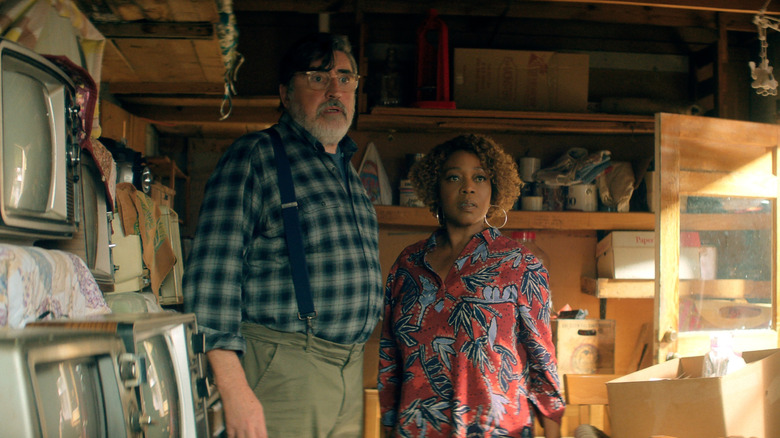
- May 2026: After three years of development and production, The Boroughs premiered to immediate fanfare. The cast, a "who’s who" of Hollywood talent including Alfred Molina, Alfre Woodard, Bill Pullman, Jena Malone, Geena Davis, and Denis O’Hare, drew significant viewer attention in the initial days.
- June 2026: Barely a month after its debut, industry reports confirmed that Netflix had opted against a second season. This decision was particularly shocking given that initial internal discussions at the streamer had reportedly floated the possibility of greenlighting two additional seasons back-to-back to capitalize on the show’s potential as a flagship franchise.
The Metrics of Disappointment: Behind the Data
To understand why a show with a 97% critical approval rating was canceled, one must look past the reviews and into the proprietary data that dictates Netflix’s decision-making process. The streamer operates on a model that prioritizes "completion rates" and "subscriber acquisition/retention" over simple critical praise.
According to industry reports, The Boroughs opened with a respectable 9.5 million views in its first week. However, the drop-off in the second week was precipitous, with viewership plummeting to 3.7 million. While some advocates for the show argued that this decline simply reflected "binge-watching" behavior—where a loyal audience finishes the series in one sitting—Netflix’s data analytics team interpreted the sharp dip as a lack of "long-tail" interest.
The Budgetary Burden
The primary catalyst for the cancellation was the imbalance between the series’ exorbitant budget and its viewership longevity. The Boroughs was an expensive undertaking. Between the high-caliber salary requirements for an ensemble of Hollywood veterans and the heavy reliance on sophisticated visual effects (VFX) required to render the supernatural elements of the New Mexico setting, the cost-per-subscriber-hour was likely unsustainable.
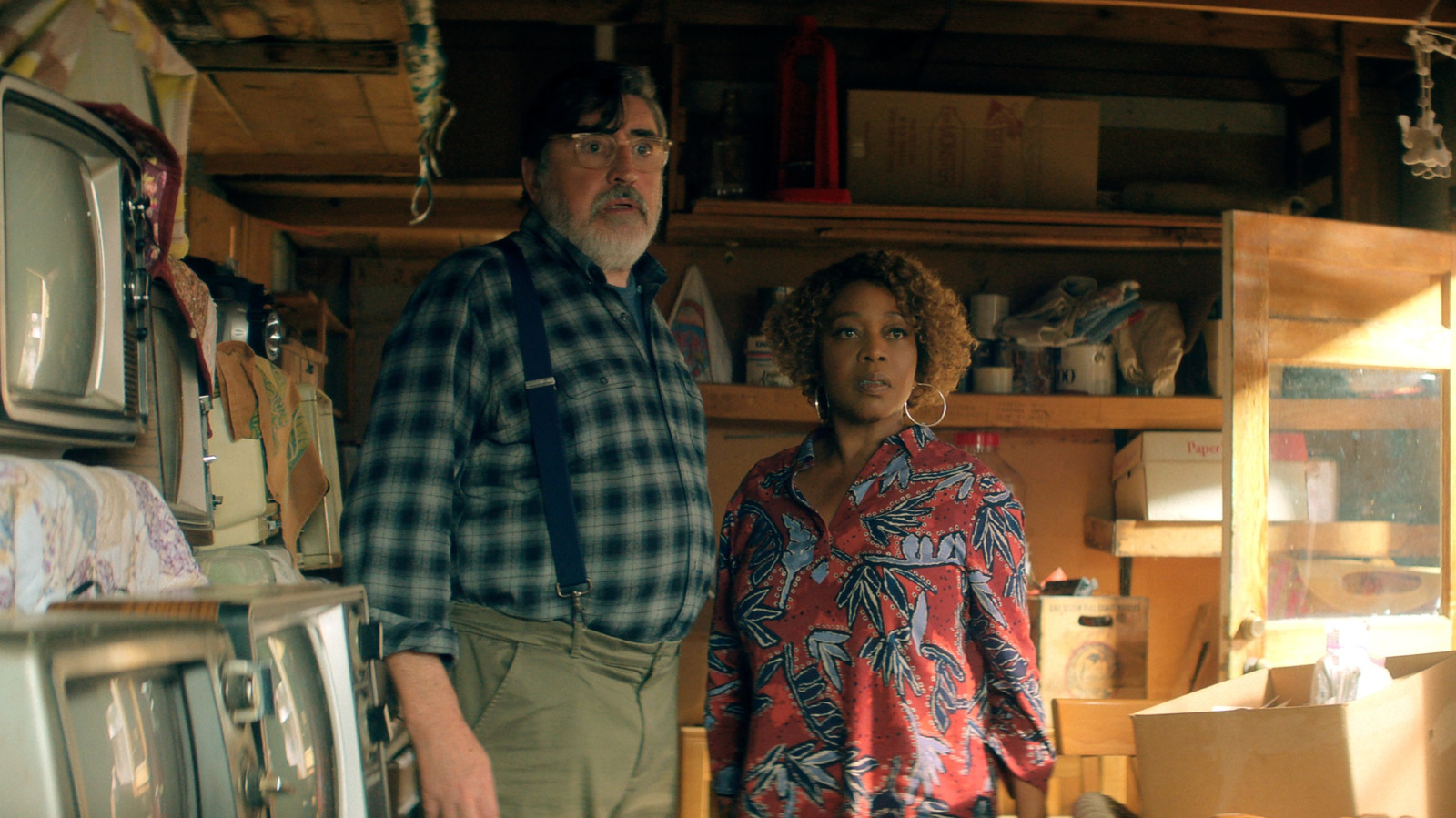
In the eyes of Netflix, a series with a massive production budget must serve as a "tentpole"—a show that keeps subscribers paying month after month. When the viewership dropped by more than 60% in its second week, the mathematical justification for the production’s high price tag evaporated.
The "Stranger Things" Paradox
The marketing for The Boroughs was inextricably linked to the Duffer brothers’ involvement. Netflix clearly hoped to recapture the lightning-in-a-bottle success of Stranger Things as that show moved toward its series finale. By positioning The Boroughs as a show with similar supernatural DNA, the platform attempted to lure the same demographic.
However, this strategy backfired. By placing the show under the shadow of its most successful property, Netflix invited comparisons that the newer show—which was fundamentally more niche and character-driven than the action-heavy Stranger Things—could not sustain. The audience for a supernatural drama about senior citizens is significantly different from the audience for an 80s-inspired sci-fi adventure, and the marketing failed to bridge that gap effectively.
Industry Implications: The Death of the "Prestige" Bet
The cancellation of The Boroughs is indicative of a broader shift in the television industry. For years, streamers were willing to "lose money" on high-budget prestige projects to build brand identity and win awards. Today, the climate has shifted toward extreme fiscal conservatism.
1. The End of the "Long-Leash" Approach
In previous years, a show with a 97% critical rating would have been granted a second season to "find its audience." Today, if a series does not become a global sensation within its first 14 days, it is increasingly viewed as a liability. The "second season grace period" is becoming a relic of the past.
2. The Cost of Talent
With the rise of "A-list" talent moving into television, the cost of production has inflated. Studios are now hesitant to invest in projects that require a massive ensemble cast unless those actors are guaranteed "global draws" who can move the needle on subscriber sign-ups.
3. The "Self-Contained" Defense
Interestingly, The Boroughs has been praised for its narrative structure. Because the first season was written with a degree of closure, fans have found the finale satisfying, even if they are disappointed that the broader mystery won’t be explored further. This "contained series" model may become the new standard for Netflix; rather than risking an expensive, multi-season commitment, the platform may pivot toward high-budget, limited-series "events" that allow them to attract talent without the burden of long-term renewal contracts.
The Fan Perspective: What Was Lost?
For the fans who championed the series, the cancellation feels like a betrayal of quality over quantity. The chemistry between stars like Alfred Molina and Alfre Woodard provided a grounding emotional reality that is rarely seen in supernatural dramas. The show’s refusal to lean solely on tropes, opting instead for a more contemplative, character-first approach, was what garnered the praise of critics and writers like Stephen King.
As it stands, The Boroughs remains available to stream. It serves as a hauntingly beautiful, single-season artifact—a reminder of a time when the biggest streamer on Earth was willing to take a gamble on a unique, sophisticated, and star-studded mystery. Whether it deserved a longer life is a debate that will continue in forums and social media for years to come, but the cold mathematics of the industry have rendered the verdict final.
For creators in the current era, the lesson is clear: in the streaming wars, high-quality storytelling is a luxury; high-volume, consistent, and sustained viewership is a necessity. For now, the residents of The Boroughs have closed their doors, leaving viewers to wonder what other stories remained untold in that quiet, supernatural corner of New Mexico.


 Reynand Wu
 Asep Darmawan