Pevita Pearce
It feels like only yesterday that the System Shock remake arrived on our monitors, yet in the volatile landscape of modern game development, three years is an eternity. Released in 2023, Nightdive Studios’ reimagining of the 1994 Looking Glass classic was met with critical acclaim, praised for its ability to marry the oppressive, claustrophobic atmosphere of the original with the polished mechanics of a modern immersive sim.
However, to the average player, the eight-year gap between the project’s announcement and its release might have seemed like a typical case of "development hell." Behind the scenes, the reality was far more harrowing. According to Nightdive producer Daniel Grayshon, speaking in the latest issue of PC Gamer magazine, the System Shock remake was not just delayed—it was, by all accounts, dead.
A Chronology of Near-Collapse: From Remaster to Resurrection
The journey of System Shock is a cautionary tale of scope creep and the fragility of independent game development. Originally announced as a remaster intended to preserve the legacy of the cult-classic series, the project quickly pivoted into a full-scale remake.
The 2016–2018 Pivot
The project’s initial years were defined by ambition that often outpaced its logistical reality. As Grayshon recalls, the studio was caught in a cycle of course corrections. The team was constantly iterating on game design, creating and destroying assets in a desperate attempt to find a direction that satisfied both the studio’s vision and potential external investors.
"I did feel like maybe some people—who were then with us—were trying to focus more on selling the game to a publisher to get more funding rather than actually build the game," Grayshon reveals. This focus on "vertical slices" and investor-pleasing demos instead of foundational development created a precarious situation. By 2018, the coffers were empty. The project had officially run out of money, and for many, it was the end of the line.
The Rise of "La Résistance"
When the funding dried up in 2018, the logical business move would have been to shutter the project. Instead, a core group of employees—devastated by the prospect of losing the game they had poured their souls into—formed a clandestine group they dubbed "La Résistance." This small, unofficial Discord collective of developers became the backbone of the project’s survival. Their mandate was simple yet radical: to get the game out, "come hell or high water."
The Technical Hurdle: Building Citadel Station from Scratch
Perhaps the most daunting challenge during this "guerrilla" phase was the technical barrier. For Grayshon, the task was monumental: he was responsible for architecting Citadel Station, the iconic, labyrinthine setting of System Shock, despite having no prior experience with Unreal Engine 4.
The Self-Taught Developer
In a industry where specialized experience is the standard, Grayshon’s journey is a testament to the power of grassroots passion. Without the budget for high-level consultants or the luxury of a fully staffed, well-funded department, he turned to the internet’s vast repository of knowledge.
"I was going onto websites, finding tutorials, finding whatever I could just to get a foot in the door," Grayshon explains. This period of rapid, forced upskilling allowed the team to overcome the technical stagnation that had plagued the project during its earlier, more corporate-focused years.
Modernizing the Architecture
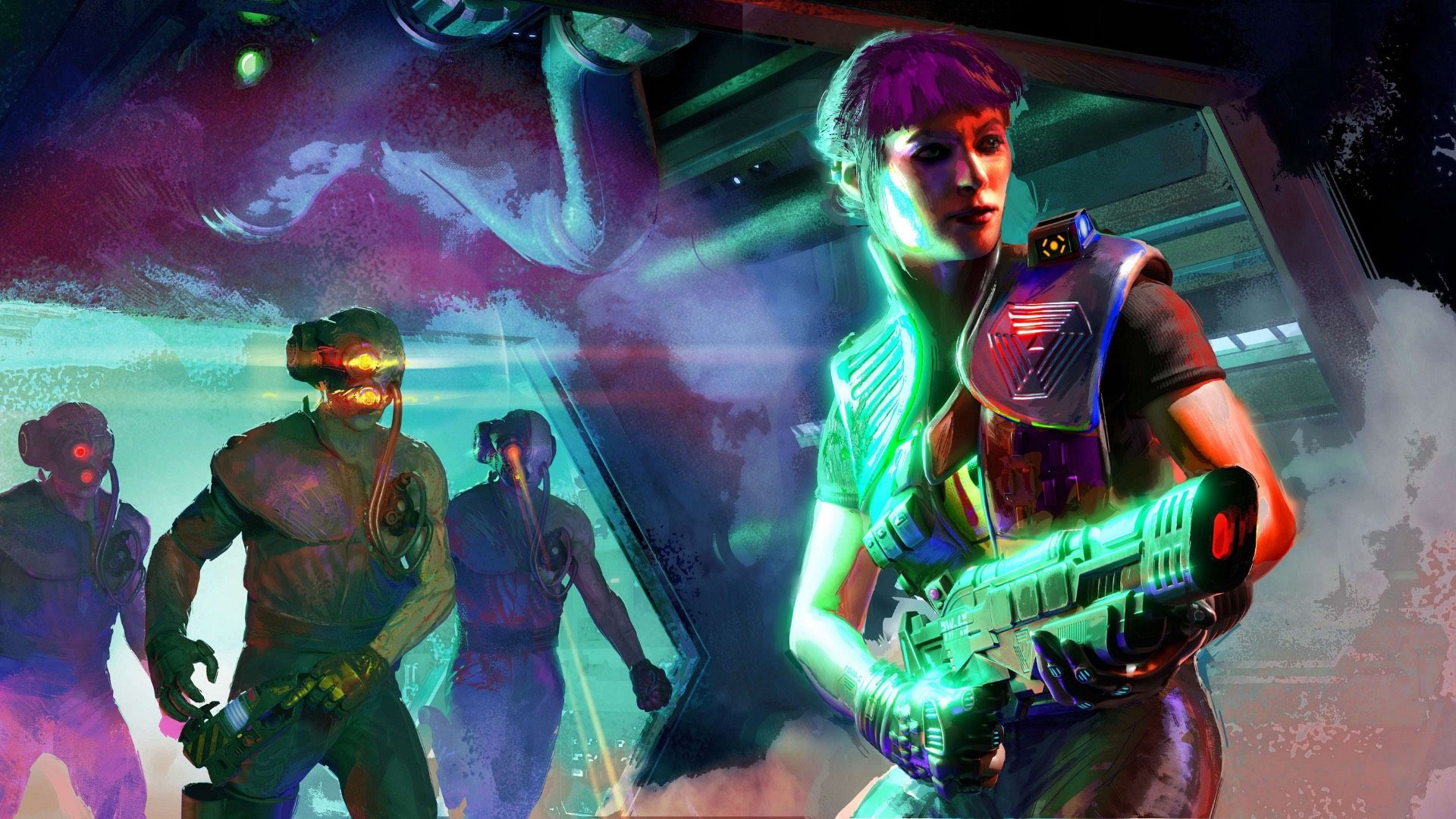
The transition from a 1994 engine to a modern powerhouse like Unreal Engine 4 necessitated more than just a fresh coat of paint. The original System Shock featured geometry that, while revolutionary at the time, relied on the player’s imagination to fill in the gaps.
Grayshon notes that the remake required a careful balancing act between nostalgia and functional logic. "It’s still very faithful to the original game," he says, "but it has a lot more staircases in it, and a lot more of a spaced-out feel to it… because it just mathematically wouldn’t work [otherwise]." By replacing "paper-thin" doors and impossible physics with layouts that felt grounded in a physical reality, the team managed to honor the vibe of the original while making it playable for a 21st-century audience.
Industry Implications: The Sustainability of Passion Projects
The survival and ultimate success of System Shock raise significant questions about how the industry treats mid-budget "passion projects."
The Cost of Scope Creep
System Shock serves as a stark reminder of what happens when a project loses its North Star. By shifting from a manageable remaster to a complete ground-up remake, the team exposed themselves to a level of risk that almost swallowed the studio whole. The "wheel-spinning" Grayshon describes is a common ailment in game development, where the desire to impress publishers leads to a degradation of the actual product.
The Role of Decentralized Teams
The success of the "La Résistance" Discord group highlights a shift in how game development teams communicate. In the post-pandemic world, where remote work is the norm, the ability of a small, committed team to self-organize outside of traditional corporate hierarchies proved to be the deciding factor in the game’s survival. It suggests that, in the future, the "guerilla developer" model may be a viable alternative to the rigid, top-down structures that often succumb to administrative rot.
The Legacy of Citadel Station
When the System Shock remake finally hit digital storefronts in 2023, it wasn’t just a win for Nightdive Studios; it was a win for the preservation of gaming history. Had the team chosen to walk away in 2018, one of the most important games in the immersive sim genre would have been lost to the annals of cancelled prototypes.
Instead, the title stands as a beacon of what can be achieved through sheer, stubborn persistence. The remake is not a perfect mirror of the original—it is, in many ways, an improvement—but it captures the same spirit of dread and isolation that SHODAN, the game’s iconic antagonist, first brought to our screens thirty years ago.
As we look back at the three-year anniversary of the remake, the story of System Shock serves as a powerful reminder: the difference between a forgotten prototype and a celebrated masterpiece often comes down to a small group of people who simply refused to let the dream die. In an industry defined by bottom lines and quarterly reports, the "La Résistance" approach stands as a refreshing, albeit chaotic, testament to the human element of game design.
The game is available now, and for those who enjoy the intricate, layered design of modern immersive sims, it remains a must-play. It is a product of fire, friction, and a digital band of rebels who proved that sometimes, the best way to build a future is to save the past.


 Asro
Asro
 Muslim