Ammar Sabilarrohman
In a landmark development for the global mobile ecosystem, Apple has officially enabled support for alternative app marketplaces in Brazil. This move marks the conclusion of a protracted regulatory tug-of-war and grants Brazilian iPhone users unprecedented control over how they acquire and install software on their devices. With this update, AltStore PAL—the leading alternative marketplace for iOS—is now fully operational in the region, signaling a significant shift in Apple’s historically "walled garden" approach to its mobile platform.
Main Facts: The New Landscape for Brazilian iPhone Users
The arrival of alternative app marketplaces in Brazil is not merely a software update; it is a fundamental reconfiguration of the iOS user experience. Following the rollout of iOS 26.5, users in Brazil can now bypass the official Apple App Store to download and manage third-party applications.
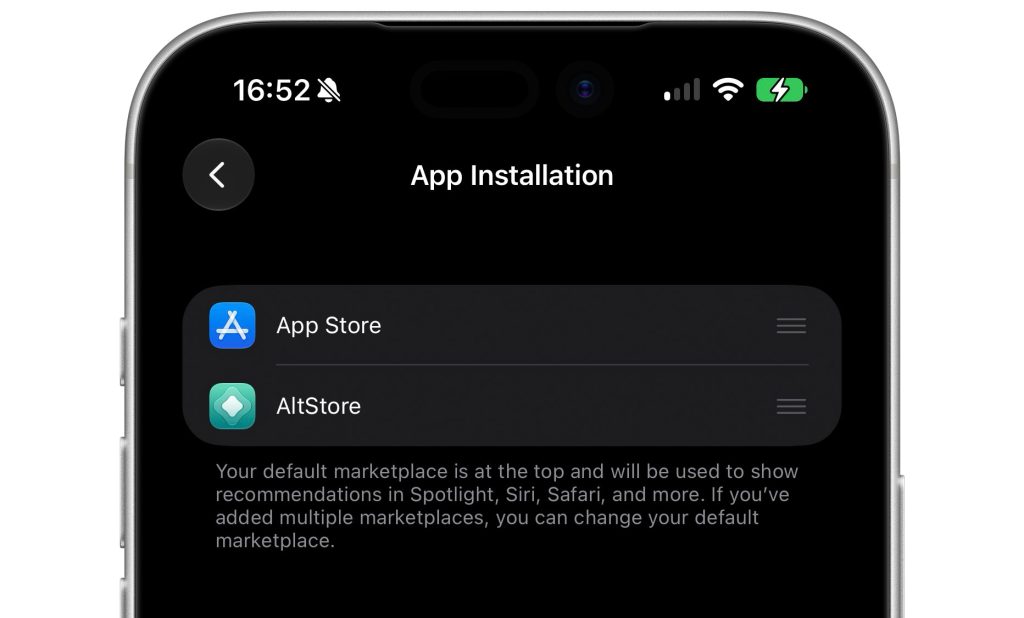
At the center of this transition is AltStore PAL. Users who reside in Brazil and operate an iPhone running iOS 26.5 or later can now install the marketplace directly via Safari. Once established, AltStore PAL functions as a hub for software distribution, allowing users to browse curated categories such as Games, Utilities, and Photo & Video tools. Perhaps most importantly, Apple has integrated the ability for users to set a third-party marketplace as their default installation source via the system settings, effectively demoting the official App Store from its mandatory status.

The installation process has been streamlined to comply with Apple’s security requirements while adhering to the new legal mandates. Users must grant specific permissions within the iOS Settings menu to authorize the installation of a "Marketplace" entity, ensuring that the transition remains within the bounds of Apple’s "walled garden" security protocols while facilitating the necessary technical openness required by local law.
A Chronological Breakdown of the Regulatory Battle
The path to this moment has been paved with years of legal scrutiny and intense pressure from competition watchdogs. The timeline reflects the increasing global pushback against Apple’s gatekeeping practices:
- Late 2023 – Early 2024: Mounting pressure from Brazil’s Administrative Council for Economic Defense (CADE), the nation’s primary antitrust watchdog, began to crystallize. CADE intensified investigations into whether Apple’s refusal to allow third-party app stores constituted an abuse of market dominance.
- December 2025: A pivotal settlement was reached. Apple agreed to overhaul its App Store policies in Brazil as part of a formal agreement with CADE. This settlement was not just a promise of future compliance but a structural commitment to allow alternative payment systems and marketplaces.
- May 2026: Preparations accelerated as iOS 26.5 Release Candidates (RC) began surfacing, containing the specific code hooks and regional geofencing requirements necessary to enable side-loading and alternative marketplaces specifically for Brazilian Apple IDs.
- June 2026: Apple officially toggled the server-side support for alternative app marketplaces in Brazil. This move officially integrated Brazil into a select, exclusive tier of regions—joining the European Union and Japan—where the mobile monopoly has been legally challenged and dismantled.
Supporting Data: Why Brazil Matters
Brazil represents one of the largest smartphone markets in the Southern Hemisphere. With an immense install base of iPhones, the opening of this market is a massive blow to the exclusivity of the Apple App Store’s revenue model.
In the European Union, where similar legislation (the Digital Markets Act) forced Apple’s hand, the impact on developer revenue and user choice has been substantial. Data suggests that in markets where AltStore and other independent marketplaces are allowed, developers are increasingly leveraging the ability to bypass the "Apple Tax"—the 15% to 30% commission Apple traditionally charges on digital transactions.
For the Brazilian consumer, this means potentially lower prices for digital goods, as developers are no longer forced to inflate their prices to account for Apple’s standard commission structure. Furthermore, the ability to add "other sources" to the AltStore directory—a feature unique to the platform—allows for a decentralized approach to app discovery that was previously impossible on iOS.
Official Responses and Strategic Pivot
Apple’s stance on this issue has shifted from staunch resistance to pragmatic compliance. In official communications regarding the Brazilian rollout, Apple emphasized its commitment to "user privacy and security," framing the implementation of alternative marketplaces as a carefully managed process. By including stringent requirements—such as the need for marketplaces to undergo a review process and the necessity for users to grant explicit permission in Settings—Apple is attempting to maintain its brand identity as the "secure" option, even while being forced to surrender its monopoly.
Conversely, the team behind AltStore has hailed the move as a victory for open computing. "Our goal has always been to provide developers with a platform that treats them as partners rather than subordinates," a spokesperson for the project noted. By expanding into Brazil, AltStore PAL is not just gaining a new user base; it is validating the argument that the iOS platform can remain secure even when the distribution of software is democratized.
CADE, for its part, has framed the development as a success for Brazilian antitrust law. By securing the ability for alternative payment systems to exist alongside alternative marketplaces, the watchdog has effectively ensured that the ecosystem in Brazil will be more competitive than in regions where only marketplaces are permitted, but payment processing remains restricted to Apple.
Implications: The Global Domino Effect
The inclusion of Brazil in the list of regions allowing alternative marketplaces creates a significant ripple effect across the tech industry.

1. The Death of the "Walled Garden" Myth
For over a decade, Apple argued that the single, closed App Store was the only way to guarantee a safe, malware-free experience. The successful integration of AltStore in Brazil proves that iOS can facilitate a more open marketplace without succumbing to the security risks that critics once claimed would be inevitable. This effectively forces Apple to defend its policies in other emerging markets with more difficulty.
2. A New Blueprint for Regulators
Regulators in other jurisdictions, including India, Australia, and the United Kingdom, are watching the Brazilian model closely. The specific nature of the CADE settlement provides a roadmap for how other nations can negotiate with Apple to achieve "fair market access" without the need for prolonged, multi-year court battles.
3. Developer Economics
Developers are the biggest winners. With the ability to host their own stores or utilize independent marketplaces, they can foster direct relationships with their users. This is particularly crucial for smaller independent studios in Brazil, which have historically struggled to compete on the global stage while navigating Apple’s rigid pricing tiers and commission structures.

4. Long-Term Strategy for Apple
For Apple, this is a transition from being a "Gatekeeper" to a "Platform Provider." While the company will undoubtedly lose some revenue from its 30% commission, it is likely pivoting its strategy toward growing its Services revenue through other means, such as increased iCloud adoption, premium hardware subscriptions, and potential advertising within the App Store. By conceding in Brazil, Apple is attempting to control the pace of change, ensuring that if the monopoly must end, it ends on terms that still allow Apple to maintain a degree of oversight and technical control.
Conclusion
The arrival of AltStore PAL in Brazil is a watershed moment for the digital economy. It serves as a testament to the power of regional regulatory pressure and the growing demand for digital sovereignty among mobile users. As the iPhone ecosystem becomes more fragmented—with different rules for different regions—the burden of choice now shifts to the consumer.
Whether this leads to a more vibrant, competitive app landscape or a more complex and fragmented user experience remains to be seen. However, one thing is certain: the era of the absolute, singular Apple App Store is drawing to a close, and Brazil is now at the forefront of this global transformation. For the millions of iPhone users in Brazil, the device in their pocket has just become a little more their own.


 Rifan Muazin