Nana Wu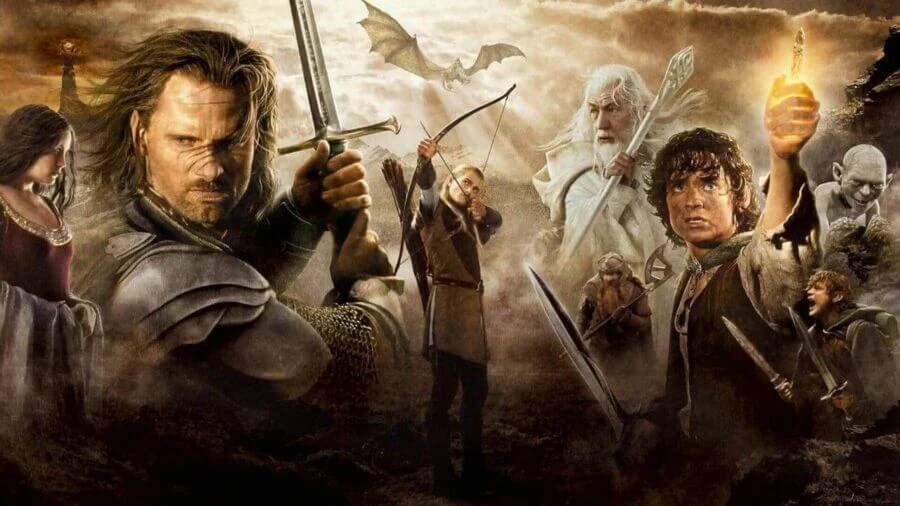
SEATTLE, WA – Amazon, a dominant force in e-commerce, cloud computing, and digital entertainment, is reaffirming its unwavering commitment to developing a game within J.R.R. Tolkien’s beloved Lord of the Rings universe. This declaration comes on the heels of recent reports suggesting the cancellation of a highly anticipated Lord of the Rings Massively Multiplayer Online (MMO) game, a project that had garnered significant attention from fans and industry observers alike. Despite the perceived setback, Jeff Gattis, Amazon’s head of games, has indicated that the company is actively exploring a variety of new concepts, signaling a strategic pivot rather than a complete withdrawal from the iconic fantasy realm.
The original MMO project, which had been in development for several years, reportedly faced termination due to contractual disputes following the acquisition of one of its co-developers, Leyou Technologies, by Chinese tech giant Tencent. While Gattis had previously maintained a non-committal stance on the specifics of the MMO’s fate, his latest statements to IGN clarify Amazon’s broader vision. He asserted that "nothing’s been cancelled per se" and that the company is "still looking at a number of [concepts]," even revealing he recently reviewed a "quite compelling" project for potential advancement. This renewed focus on alternative Lord of the Rings game experiences underscores Amazon’s broader strategy to prioritize established intellectual properties (IP) and deliver high-quality AAA gaming titles, aligning with their expansive entertainment ecosystem that includes Prime Video.
Chronology of Amazon’s Lord of the Rings Gaming Endeavors
Amazon’s journey into the gaming landscape of Middle-earth has been marked by ambition, partnership, and ultimately, a significant recalibration. The initial announcement of a Lord of the Rings MMO in 2019 generated considerable excitement, promising a free-to-play, immersive experience set thousands of years before the events of The Hobbit and The Lord of the Rings. This venture was a collaboration between Amazon Game Studios and Athlon Games, a publishing label under Leyou Technologies.
The partnership was seen as a significant move for Amazon, which was then striving to establish a credible footprint in the competitive video game development space. Athlon Games, with its experience in online multiplayer titles, seemed a fitting collaborator for an MMO project of such grand scale. The vision was to create a new, expansive online world for fans to explore, complementing the existing Lord of the Rings Online (LOTRO) developed by Standing Stone Games.
However, the landscape shifted dramatically in December 2020 when Tencent, one of the world’s largest video game companies, acquired Leyou Technologies. This acquisition brought the Lord of the Rings MMO project under Tencent’s vast umbrella, alongside other significant gaming properties. Reports from Bloomberg in April of the following year indicated that the Amazon-Leyou partnership had been dissolved due to contractual disputes stemming from Tencent’s involvement. While neither Amazon nor Tencent officially confirmed the cancellation at the time, sources close to the development cited the complexities of aligning two major technology giants with distinct corporate cultures and strategic objectives as a primary factor. Developers working on the project were reportedly reassigned to other Amazon Game Studios initiatives.
In the immediate aftermath of these reports, Jeff Gattis, Amazon’s head of games, offered a cautious but optimistic outlook. He refrained from directly confirming or denying the MMO’s cancellation, instead stating that Amazon was still developing a "new game experience" within the Lord of the Rings universe. He emphasized the company’s ongoing collaboration with Middle-earth Enterprises, the entity responsible for licensing rights to Tolkien’s works, and reiterated Amazon’s excitement about the IP. This subtle shift in language, from a specific "MMO project" to a more general "new game experience," hinted at an internal re-evaluation of their approach to the franchise, setting the stage for his more recent, clearer statements about exploring multiple concepts.
Supporting Data: Amazon Games’ Tumultuous History and Strategic Pivot
Amazon’s foray into the video game industry has been a challenging, often turbulent, journey marked by ambitious projects and high-profile setbacks. The company’s initial strategy appeared to involve developing original IP titles, leveraging its vast resources and cloud infrastructure. However, this approach yielded mixed results.
Titles like Crucible, a team-based shooter, were met with lukewarm reception upon release in 2020, eventually leading to its cancellation and return to a closed beta before being fully shut down. Similarly, Breakaway, a mythological sports brawler, was cancelled during its alpha phase in 2018. Even New World, Amazon’s flagship MMO launched in 2021, experienced a rocky start, despite attracting millions of players. While it saw initial success, it grappled with numerous bugs, server issues, and a fluctuating player base, requiring extensive post-launch support and content updates to stabilize. These experiences collectively highlighted the immense difficulties and high stakes involved in breaking into the highly competitive AAA game development market, particularly with new, unproven intellectual properties.
Learning from these trials, Amazon appears to have undergone a significant strategic recalibration under the leadership of Jeff Gattis. The company is now placing a much stronger emphasis on leveraging established and globally recognized intellectual properties. This pivot is evident in their recent announcements and partnerships:
- Tomb Raider: Amazon Games is set to publish the next installment in the iconic Tomb Raider series, developed by Crystal Dynamics. This partnership signals a commitment to a globally recognized franchise with a dedicated fanbase and a proven track record.
- James Bond: In another high-profile move, Amazon Game Studios is partnering with MGM and IO Interactive, the creators of the acclaimed Hitman series, to publish future James Bond titles. This collaboration brings another beloved franchise under Amazon’s gaming wing, further solidifying their IP-centric approach.
This shift towards established IP is not merely a tactical adjustment but a fundamental reorientation of Amazon’s gaming philosophy. By investing in known franchises, Amazon aims to mitigate some of the inherent risks associated with new IP development, such as building brand recognition from scratch and securing a dedicated audience. Established IPs come with a built-in fanbase, pre-existing lore, and often, cross-media recognition that can be leveraged across Amazon’s broader entertainment ecosystem, particularly Prime Video.
The synergy between Amazon Games and Prime Video is becoming increasingly clear. With Prime Video hosting the ambitious and high-budget The Lord of the Rings: The Rings of Power series, developing a complementary game experience in Middle-earth makes strategic sense. Such a game could capitalize on the renewed interest generated by the show, attracting both existing fans and new audiences drawn to the franchise. This cross-pollination between gaming and streaming content is a growing trend in the entertainment industry, offering powerful marketing opportunities and deeper audience engagement.
Furthermore, the broader landscape of Lord of the Rings gaming is diverse and active. Embracer Group, a Swedish video game holding company, acquired Middle-earth Enterprises in 2022, consolidating many of the rights to Tolkien’s literary works for games and other media. This acquisition suggests a renewed push for various Lord of the Rings game projects across different developers and publishers. While some recent titles, like The Lord of the Rings: Gollum, have faced critical and commercial disappointment, the enduring appeal of the IP ensures continued interest and investment from the gaming industry. Amazon’s continued pursuit of a Lord of the Rings game positions them as a key player in this evolving ecosystem, seeking to deliver an experience that lives up to the grandeur of Tolkien’s world and the expectations of its vast fanbase.
Official Responses: Jeff Gattis’s Vision for Amazon Games
Jeff Gattis’s recent statements provide the clearest insight yet into Amazon’s refined gaming strategy and its continued dedication to the Lord of the Rings universe. His comments suggest a nuanced approach, moving away from confirming or denying past project specifics and instead focusing on the future direction and underlying philosophy of Amazon Games.
Crucially, Gattis’s assertion that "nothing’s been cancelled per se" regarding the Lord of the Rings game projects hints at a re-evaluation rather than an outright abandonment. This could imply that elements, concepts, or even technology from the previously reported MMO might be repurposed or reimagined within a new framework. The emphasis on "still looking at a number of [concepts]" underscores a period of strategic exploration, where Amazon is not rushing into a single predetermined path but carefully weighing various possibilities for how to best bring Middle-earth to life in a gaming format.
His revelation of having recently reviewed a "quite compelling" project that "perhaps we can go forward with" injects a tangible sense of progress and renewed optimism. This indicates that the search for the "right" Lord of the Rings game is not theoretical but involves concrete proposals being actively considered by leadership. Gattis elaborated on the criteria guiding this selection process: "evaluating different concepts is trying to figure out what game we want to make, what’s the right one for our audience, what’s the right one for the broader audience." This multi-faceted approach considers not only creative vision but also market fit and appeal to a wide demographic, aligning with Amazon’s ambition for "broad appeal IP."
Gattis reiterated Amazon’s ongoing collaboration with Middle-earth Enterprises, reinforcing their commitment to authenticity and respect for the source material. This relationship is vital for ensuring that any new game aligns with the established lore and spirit of Tolkien’s work, a critical factor for satisfying the discerning Lord of the Rings fanbase.
Regarding Amazon’s broader portfolio, Gattis explicitly stated the company’s prioritization of developing established IP over creating original properties. This strategic shift is a direct response to the lessons learned from their earlier endeavors. "There are a lot of things that we’re investing in, which I call more innovative game mechanics," he explained. "There might be IP that comes out of that. We’ve got a ton of things in development right now. We almost just wish this stuff could come faster so that I could have proof points to tell you instead of saying, ‘Trust me, we’ve got stuff coming.’ But all in due time." This statement suggests that while the focus is on known brands, Amazon is also exploring cutting-edge gameplay innovations, potentially integrating them into licensed titles or using them to incubate new ideas that might eventually become original IP.
Finally, Gattis firmly affirmed Amazon’s commitment to the AAA gaming market. "That’s part of the assessment we’ve done over the past year, which is trying to understand what content makes sense," he said. "Broad appeal IP fits in with Prime Video. What we don’t want to necessarily do is AAA things that don’t have any real reason to exist in Amazon." This clarifies Amazon’s high-budget, high-quality aspirations while linking them directly to the company’s broader ecosystem. A AAA Lord of the Rings game, for instance, would have a clear "reason to exist" within Amazon, synergizing with The Rings of Power series and potentially offering exclusive content or benefits to Prime subscribers. This integration is key to Amazon’s long-term strategy, transforming their gaming division from a standalone venture into an integral part of their expansive digital entertainment offering.
Implications for Amazon Games and the Lord of the Rings Franchise
Amazon’s renewed and refined commitment to a Lord of the Rings game carries significant implications for both its own gaming division and the future of the beloved Middle-earth franchise in interactive entertainment. For Amazon Games, this signals a clearer, more focused strategic direction. The pivot from ambitious, original IP projects that struggled to gain traction towards high-quality AAA titles based on established, globally recognized brands like Tomb Raider, James Bond, and Lord of the Rings, represents a maturity in their approach. This strategy aims to leverage existing brand equity, reduce marketing hurdles, and tap into pre-existing fanbases, potentially accelerating their path to credibility and commercial success in the gaming industry.
The emphasis on "innovative game mechanics" within this IP-centric framework suggests that Amazon is not merely looking to produce generic adaptations. Instead, they appear to be seeking ways to push boundaries in gameplay while remaining faithful to the source material. While Gattis did not specify what these "innovative mechanics" might entail, they could range from advanced AI integration, novel multiplayer social systems, cutting-edge graphics, or even unique monetization models that integrate seamlessly with Amazon’s broader ecosystem. The cancellation of the MMO specifically points to a potential shift away from that genre, perhaps towards a single-player action RPG, a cooperative multiplayer experience with a strong narrative, or even a different type of online persistent world that is not a traditional MMO. A genre that can capitalize on the rich lore and character development of Middle-earth while offering a more focused, high-fidelity experience seems plausible.
For the Lord of the Rings franchise in gaming, Amazon’s continued involvement is a double-edged sword. On one hand, the sheer financial power and technological infrastructure of Amazon could lead to a truly groundbreaking and immersive game that finally does justice to Tolkien’s world on a modern scale. With The Rings of Power series attracting millions of viewers, a well-executed game could ride this wave of renewed interest, expanding the reach of Middle-earth to new audiences. The cross-media synergy is a powerful asset, allowing for integrated marketing campaigns and potentially even narrative connections between the game and the show, creating a more cohesive entertainment experience.
On the other hand, Amazon’s past gaming failures have instilled a degree of skepticism among some fans and industry observers. The Lord of the Rings IP commands immense respect and carries heavy expectations. A subpar or creatively compromised game could further damage Amazon Games’ reputation and disappoint a passionate fanbase. The challenge for Amazon will be to demonstrate that they have learned from their past mistakes, that their commitment to quality is genuine, and that they can execute on their ambitious vision for Middle-earth. Success will hinge not just on budget, but on creative leadership, a deep understanding of the IP, and flawless execution.
Looking ahead, Amazon Games appears to be entering a new, more focused phase. By aligning their gaming ambitions with established IP and leveraging the vast Amazon ecosystem, they are charting a course that seeks to minimize risk while maximizing potential impact. The future of their Lord of the Rings game, whatever form it ultimately takes, will serve as a critical test case for this refined strategy, potentially determining Amazon’s long-term viability and influence in the highly competitive world of AAA video game development. Fans will eagerly await further details, hoping that Amazon can finally deliver a Middle-earth gaming experience worthy of the legendary saga.


 Lina Irawan
 Sagoh
Sagoh