Neng Nana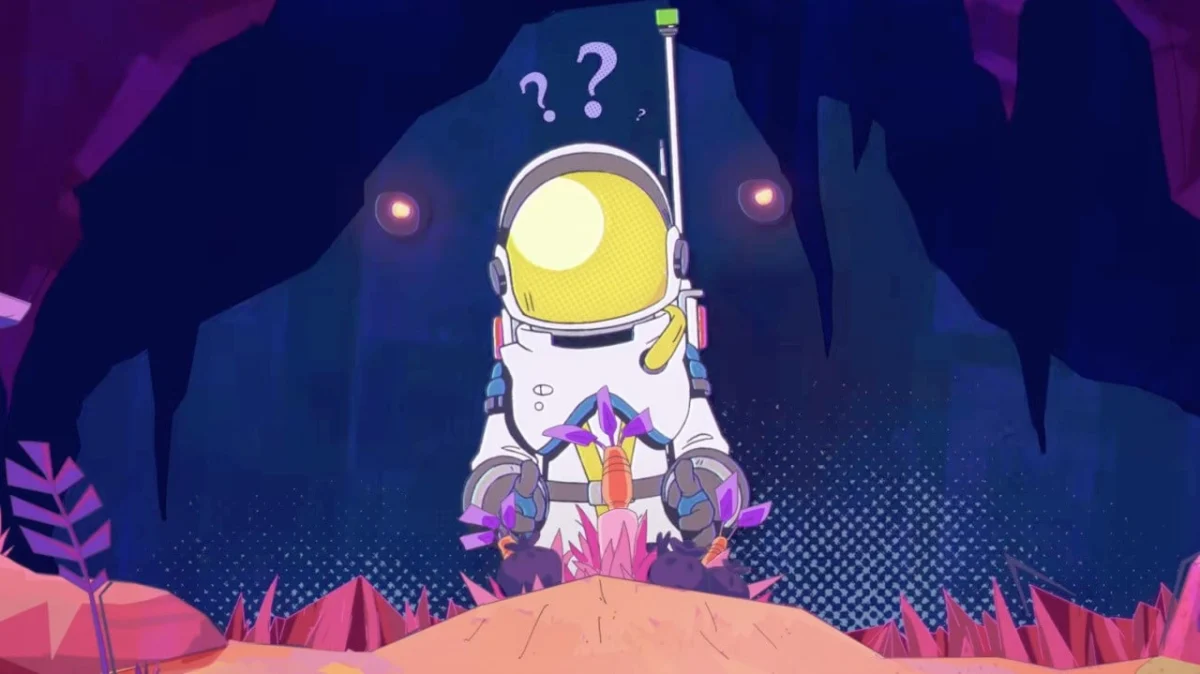
System Era Softworks, the studio behind the beloved galactic sandbox Astroneer, has embarked on an ambitious new venture with Starseeker: Astroneer Expeditions. Launched nearly a decade after its predecessor captivated players with its accessible, cartoony take on survival and exploration, Starseeker pivots dramatically, shifting its focus from open-ended sandbox gameplay to a more structured, extraction-style cooperative experience. This bold departure, while retaining the charming aesthetic and core mechanics that defined Astroneer, introduces a host of new considerations for players accustomed to the original’s freeform adventure.
The Evolution of a Franchise: From Solo Exploration to Cooperative Missions
Astroneer, upon its release, carved out a unique niche in the survival genre. Its appeal lay in its welcoming atmosphere, vibrant worlds, and the sheer freedom it offered players to explore, gather resources, and fundamentally reshape the environment with their trusty multi-tool. This emphasis on individual discovery and emergent gameplay fostered a dedicated fanbase. Starseeker: Astroneer Expeditions, however, is not a direct sequel in the traditional sense. Instead, it represents a significant mechanical evolution, designed from the ground up for cooperative play and structured expeditions.
"Right off the bat, it’s worth managing expectations of the game’s current state," notes the review, highlighting the game’s early access status. This is a crucial caveat for potential players. During initial testing, the presence of bugs and progress-blocking issues necessitated restarts and led to lost progress. While the development team has been actively releasing regular patches and the inherent popularity of the Astroneer IP is expected to bolster community growth and feedback, the current instability is a factor for early adopters to consider.
Furthermore, Starseeker is explicitly a "live-service game designed to be played with others." While solo expeditions are technically possible, the core experience is undeniably built around multiple players working in concert. This fundamental shift in design philosophy positions Starseeker as a distinct spin-off rather than a continuation of the Astroneer narrative or gameplay loop.
A Familiar Facade, A New Core: The Tutorial and the ESS Starseeker
The initial hours of Starseeker offer a deceptive sense of familiarity. The opening tutorial closely mirrors the rhythm and visual language of Astroneer. Players find themselves on a brightly colored planetoid, wielding the iconic multi-tool and manipulating the terrain. The core loop of identifying resource nodes, extracting materials, and utilizing them for crafting further tools and technology is immediately recognizable. This gentle introduction serves as a bridge, easing players into the game’s universe before the core differences become apparent.
The pivotal shift occurs upon entering the titular station, the ESS Starseeker. This central hub is the nexus of player activity, populated by non-player characters offering quests and, more importantly, by other players preparing for their next expedition. Within the confines of the Starseeker, players can craft and upgrade their gear, engage in social interactions with fellow explorers, and assemble crews for upcoming missions. The process of preparing for an expedition involves selecting dropships and descending to a planet to undertake specific research tasks and gather vital resources. These collected materials are then brought back to the station to further enhance equipment and unlock new technological advancements.

A key differentiating mechanic is the introduction of an O2 meter, which functions as a timer for each excursion. With a strict 30-minute deadline, players are compelled to work efficiently, downing tools and returning to base once their allotted time is up. This timeboxed format starkly contrasts with the "chilled-out, persistent experience" of the original Astroneer, a design choice that will undoubtedly be a defining factor for players deciding which game best suits their preferences.
The Expedition Loop: Compulsion, Variety, and Bespoke Environments
Despite the departure from the original’s sandbox freedom, the expeditions in Starseeker offer a compelling gameplay loop. The inherent compulsion to complete missions and the pursuit of resources necessary to expand one’s gear repertoire serve as strong motivators for players to repeatedly embark on new dropships. The game provides a "decent variety" in its "field ops," the more active components of the expeditions, ensuring that each mission feels distinct enough to maintain engagement.
However, the review suggests that "most of the fun comes from exploring these meticulously crafted biomes." This is a significant evolution from Astroneer‘s procedurally generated worlds. Starseeker features "bespoke environments with purposeful design quirks that feel tailor-made for social experiences." This shift from random generation to handcrafted locales allows for more intricate level design, incorporating elements like "huge mountain ranges, brightly colored forests, and scattered remnants of lore." These handcrafted biomes offer a greater sense of visual variety and narrative depth, and the ability to "utterly destroy them with your terrain-deforming abilities" remains a core, satisfying mechanic.
The Shadow of Danger: Combat and Solo Viability
A notable departure from Astroneer‘s relatively peaceful exploration is the introduction of danger within Starseeker‘s maps. Alongside environmental hazards, players now encounter "a menagerie of alien creatures to battle and run from." The effectiveness of utilizing tools and terrain deformation against these diverse enemies becomes a critical factor, directly influencing the viability of undertaking expeditions solo.
The reviewer’s personal experience highlights this challenge: "The server population was sparse during my time with it, so most of my expeditions were undertaken solo. One of my lonesome visits to harvest resin disturbed a huge beast that killed me in a couple of claw swipes before I could figure out how to fight it." This anecdote underscores the importance of cooperative play in overcoming the game’s emergent threats. The review concludes that "this is where friends can come to the rescue," reinforcing the game’s core design intent.
Performance and Presentation on Switch 2
The Starseeker: Astroneer Expeditions experience on the Switch 2 has been met with a largely positive assessment regarding performance and presentation. The game reportedly "looks and plays smoothly," with its "cartoonish aesthetic and vivid colors pop in both docked and undocked modes." Server connections remained stable throughout testing, contributing to a fluid online experience.

However, a minor performance concern was noted: "The main hub chugs a bit when populated with players, at one point tanking to low frames with barely anyone online." This suggests that while the core gameplay is optimized, the social hub might require further refinement to handle player density more effectively.
Microtransactions and Cosmetic Customization
The ESS Starseeker hub also serves as a marketplace for cosmetic items, purchasable with in-game currency earned through mission completion. While the availability of cosmetic customization is a positive, the review points to a contentious issue: the presence of microtransactions. This is particularly noteworthy as the developer had previously stated that such features would not be implemented. Despite this, the review acknowledges that "there’s plenty of cool stuff to buy just by playing the game," suggesting that the in-game currency system is sufficiently rewarding for players who choose not to engage with real-money purchases.
The Verdict: An Enticing Proposition for Cooperative Adventurers?
In conclusion, Starseeker: Astroneer Expeditions represents a significant reinterpretation of the Astroneer formula. It successfully transplants the beloved visual style and core mechanics into a cooperative framework, trading the open-ended sandbox for more focused, bite-sized adventures. The addition of hostile fauna injects a new layer of challenge and urgency, fundamentally altering the gameplay experience. Whether this new direction will achieve the same enduring impact as its predecessor remains to be seen.
System Era Softworks has articulated a vision for a live service that caters to casual players, aiming to mitigate the "FOMO" (Fear Of Missing Out) often associated with online multiplayer experiences. This commitment to accessibility and a less demanding engagement model is a potentially "enticing" prospect, particularly for those looking to assemble a regular expedition crew.
Starseeker: Astroneer Expeditions is available in Early Access on the Switch 2 eShop for $29.99 / £26.99. Its success will likely hinge on the developer’s continued commitment to refining its stability, addressing player feedback regarding microtransactions, and consistently delivering fresh, engaging expedition content that leverages its meticulously crafted environments and cooperative gameplay design. For fans of Astroneer seeking a fresh, collaborative challenge, Starseeker presents a compelling, albeit different, frontier to explore.


 Lina Irawan
 Sagoh
Sagoh