Nana Muazin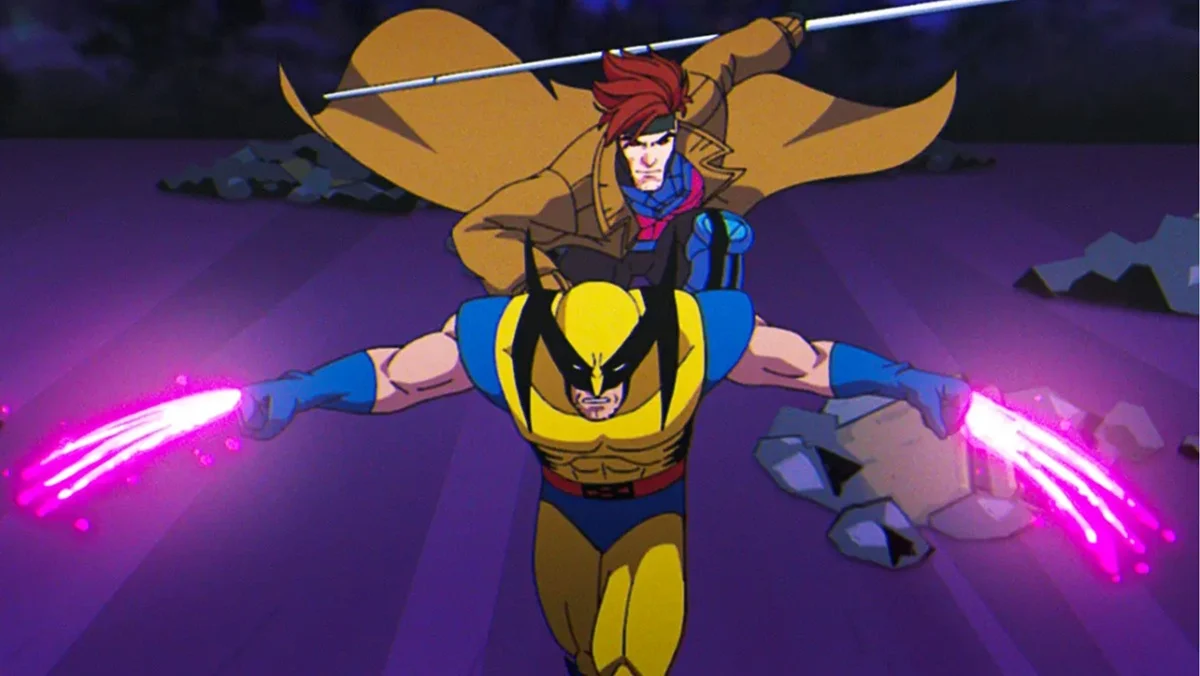
The wait is nearly over. After a grueling two-year hiatus that left fans of the mutant revolution teetering on the edge of their seats, X-Men ’97 is officially preparing to return for its highly anticipated second season. Premiering on Disney+ this July 1, the series promises to build upon the emotional stakes, high-octane action, and complex narrative threads that defined its critically acclaimed debut.
However, for those who missed the 2024 cultural phenomenon—or for those who simply haven’t found the time to dive into the Marvel Cinematic Universe’s animated corner—Marvel has extended an olive branch. In a rare move for a studio that typically gates its premium content behind subscription firewalls, the first two episodes of X-Men ’97 are currently available to stream for free on the official Marvel YouTube channel. This strategic release serves as a masterclass in audience retention and franchise building, inviting a new generation of viewers to step into Xavier’s School for Gifted Youngsters under its new, precarious management.
A Legacy Reimagined: The Main Facts
When X-Men ’97 burst onto the scene in 2024, it was met with skepticism. Reinvigorating a beloved 90s classic is a perilous endeavor; nostalgia is a powerful but fickle engine. Yet, the series managed to strike a delicate balance between honoring the source material and modernizing the animation style for contemporary sensibilities.
The show picks up where the original 1992 animated series left off, albeit with a fresh coat of high-definition paint and a narrative maturity that mirrors the complex themes of Chris Claremont’s iconic comic book run. The primary premise is simple yet devastating: the X-Men are forced to navigate a world that hates and fears them without the guidance of their founder, Professor Charles Xavier. This vacuum of leadership forces the team—specifically Cyclops and Storm—to step into roles of command that test their resolve, their morality, and their friendship.
By releasing the first two episodes for free, Marvel is effectively removing the barrier to entry. In an era where physical media is becoming increasingly scarce and streaming subscriptions are mounting, this “tasting menu” approach is designed to hook viewers who may have been on the fence, proving that the series isn’t just for die-hard comic book loyalists, but for anyone who appreciates character-driven science fiction.
The Chronology of Mutancy: From 1992 to ’97
To understand the significance of this revival, one must look at the timeline. The original X-Men: The Animated Series was the gateway for an entire generation of fans. When it concluded, it left behind a sprawling, interconnected universe that begged for a continuation.

- 1992-1997: The original animated series defines the Saturday morning block, introducing concepts like the Phoenix Saga, Days of Future Past, and the Genosha conflict to mainstream audiences.
- 2024: X-Men ’97 premieres on Disney+, successfully recapturing the aesthetic of the 90s while introducing mature, serialized storytelling.
- July 2026: The arrival of Season 2. The narrative is expected to escalate, likely drawing from the “Age of Apocalypse” or other major comic arcs that defined the late 90s era of Marvel Comics.
The free YouTube release of the first two episodes serves as a narrative primer. Episode one, “To Me, My X-Men,” is arguably one of the most effective pilot episodes in the history of animated superhero television. It immediately establishes the status quo: the team is leaderless, the Sentinels are a constant threat, and the internal politics of the team are strained.
Supporting Data: Why the Action Matters
Critics and fans alike have pointed to the action sequences in X-Men ’97 as a significant upgrade from the original series. For too long, the X-Men’s cinematic presence was dominated by the “Wolverine Show”—the Fox-produced live-action films that prioritized Logan’s perspective at the expense of the team’s ensemble dynamic.
In X-Men ’97, however, the power scaling is corrected. The first episode features a breathtaking sequence where the team takes on a battalion of Sentinels. We witness Cyclops, long relegated to the “boring leader” archetype, utilizing his tactical brilliance and optic blasts in a way that feels genuinely dangerous. Ororo Munro, the Storm, demonstrates why she is classified as an Omega-level mutant, commanding the weather with a scale and ferocity that hasn’t been captured on screen since the original 90s run.
By highlighting these moments in the free episodes, Marvel is showcasing its commitment to the lore. The series respects the source material’s commitment to internal logic: powers aren’t just flashy effects; they are expressions of the characters’ mental and emotional states.
Official Responses and Strategic Intent
While Marvel has kept the specific plot details for Season 2 under lock and key, the decision to push the first two episodes to YouTube is an explicit marketing strategy. In the digital age, YouTube is a massive funnel for discovery. By placing high-quality, full-episode content on the platform, Marvel bypasses the need for traditional advertising, letting the quality of the animation and the writing speak for itself.
Industry analysts suggest this is a response to the "streaming fatigue" currently affecting the entertainment sector. With viewers becoming more selective about their monthly expenditures, providing a "try-before-you-buy" experience for a flagship property like X-Men is a calculated move to secure subscribers ahead of the July 1 premiere date. It is a win-win: the fans get to revisit the beginning of the journey, and Marvel gets to showcase its premier animated product to the widest possible audience.
Implications: The Future of the Animated Universe
The success of X-Men ’97 has massive implications for the future of Marvel Animation. For years, the studio focused almost exclusively on its live-action Cinematic Universe. The critical and commercial triumph of this animated series has proven that there is a significant, hungry audience for high-quality, standalone animated storytelling that doesn’t necessarily need to tie into the multiverse-spanning plots of the live-action films.
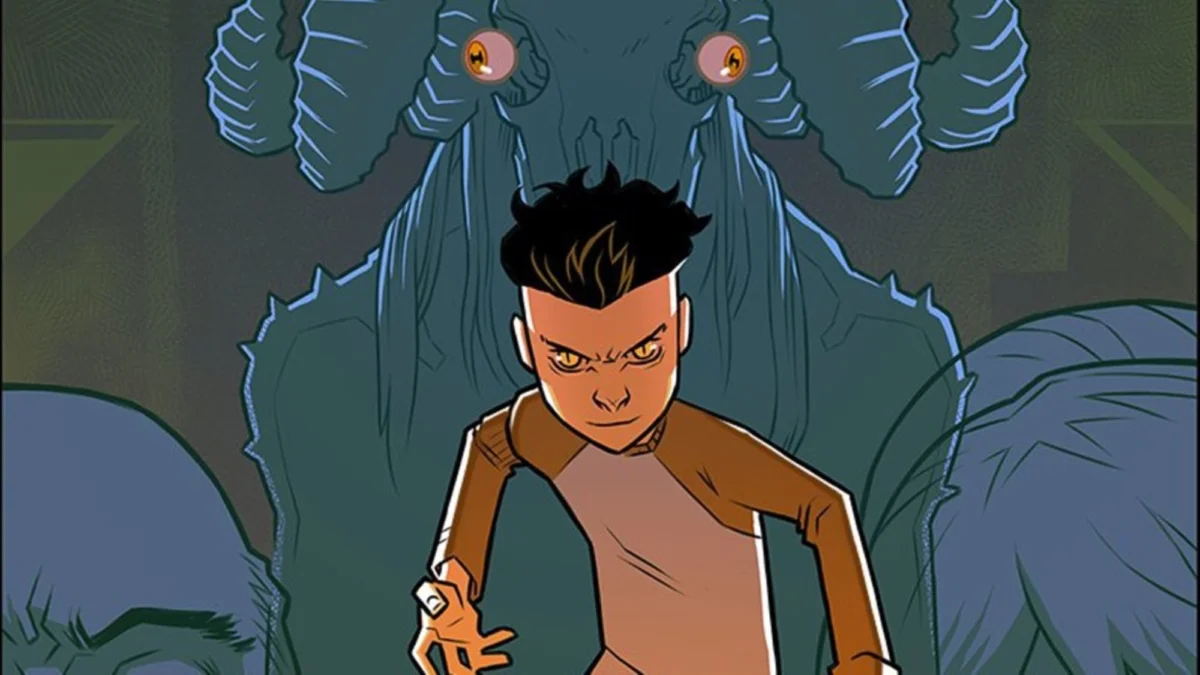
Furthermore, the introduction of characters like Nathan Summers—the son of Scott Summers and Madelyne Pryor—in the second episode serves as a narrative anchor for the future. For those unfamiliar with the comics, the revelation that Madelyne is a clone of Jean Grey is a heavy, dark narrative twist that elevates the show from a standard "hero-of-the-week" format to a complex soap opera involving identity, legacy, and trauma.
As the series moves into its second season, the implication is clear: the X-Men are no longer just a nostalgic curiosity. They are the standard-bearers for a new era of Marvel storytelling. Whether you are a fan who grew up with the original 90s animation or a newcomer attracted by the promise of gritty, character-first drama, the stage is set.
The mansion doors are open. The Sentinels are circling. And for a limited time, you can witness the beginning of the revolution for free. As we approach the July 1 launch of Season 2, the question isn’t whether you should watch X-Men ’97, but whether you are prepared for what happens when the X-Men are truly pushed to their breaking point.

 Siti Muinah
 Azzam Bilal Chamdy