Suro Senen
The PlayStation 2 era is frequently heralded as the "Golden Age" of the Japanese Role-Playing Game (JRPG). While modern titles boast unprecedented graphical fidelity and open-world scale, the PS2 generation possessed an intangible, haunting atmosphere that defined the genre’s identity. Beyond the turn-based systems and anime-inspired aesthetics, there was a pervasive, recurring theme: the world was not just in danger—it was actively falling apart.
Whether through theological decay, environmental collapse, or cosmic erasure, these games tapped into a deep-seated anxiety about the fragility of civilization. For players of the era, the journey was rarely about saving a functioning kingdom; it was about navigating the rubble of a world that had already begun its descent into the abyss.
Thematic Foundations: The Anatomy of a Collapsing World
In the mid-2000s, developers moved beyond the "save the world from the big bad wizard" trope. Instead, they began to explore systems of decline. This shift allowed for a more mature, introspective narrative style where the "world" functioned as a character suffering from a terminal illness.
In many of these titles, the player enters the story at the eleventh hour. The structures of power—churches, empires, and ecosystems—are revealed to be corrupt or failing. This creates a unique "ticking clock" sensation that permeates every dungeon and town, forcing players to confront the reality that restoration might be impossible.

Chronological Breakdown: A Journey Through Desolation
The PS2 library provides a masterclass in escalating stakes. Below is a look at eight definitive titles where the environment acts as a precursor to total collapse.
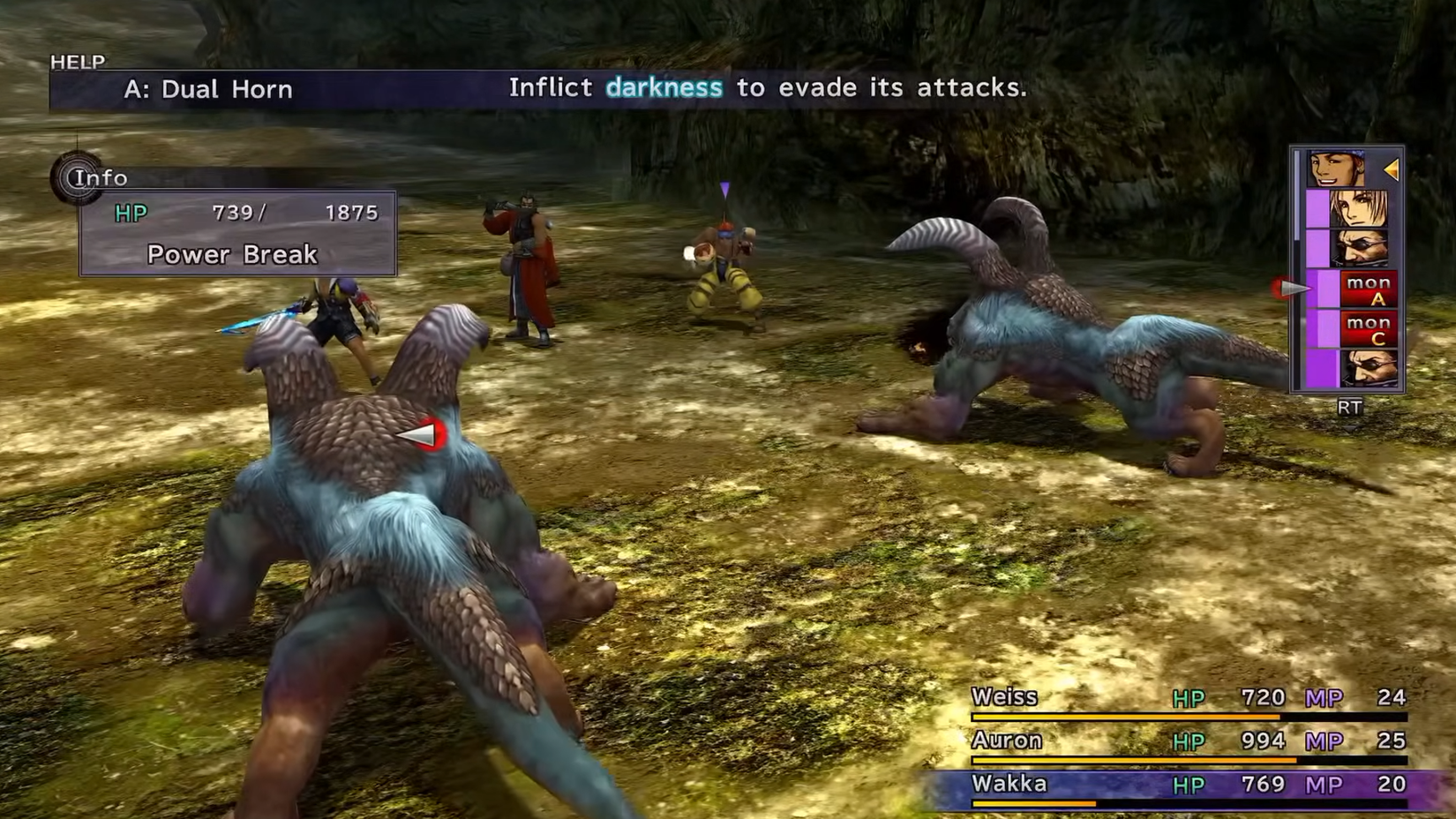
8. Final Fantasy X (2001)
Final Fantasy X remains a cornerstone of the PS2 library, setting a technical and narrative bar that many argue has never been matched. The story of Tidus and Yuna centers on Spira, a world trapped in a cycle of suffering under the shadow of "Sin." While the coastal vistas of Besaid suggest a paradise, the narrative peels back the layers to reveal a society built on the lies of the Church of Yevon. The collapse here is both physical and spiritual; as the truth of the pilgrimage is revealed, the pillars of faith that hold Spira together crumble, leaving the party to face a bleak, godless reality.
7. Shadow Hearts (2001)
Shadow Hearts is an underrated gem that blends historical fiction with cosmic horror. Starting as a seemingly standard adventure, the game quickly devolves into a descent through human cruelty and supernatural rot. From villages possessed by demonic entities to the psychological toll taken on the protagonist, Yuri, the world feels increasingly hostile. It is a rare example of a JRPG that isn’t afraid to show the world behind closed doors, where the seams of reality are fraying due to the presence of ancient, unspeakable forces.
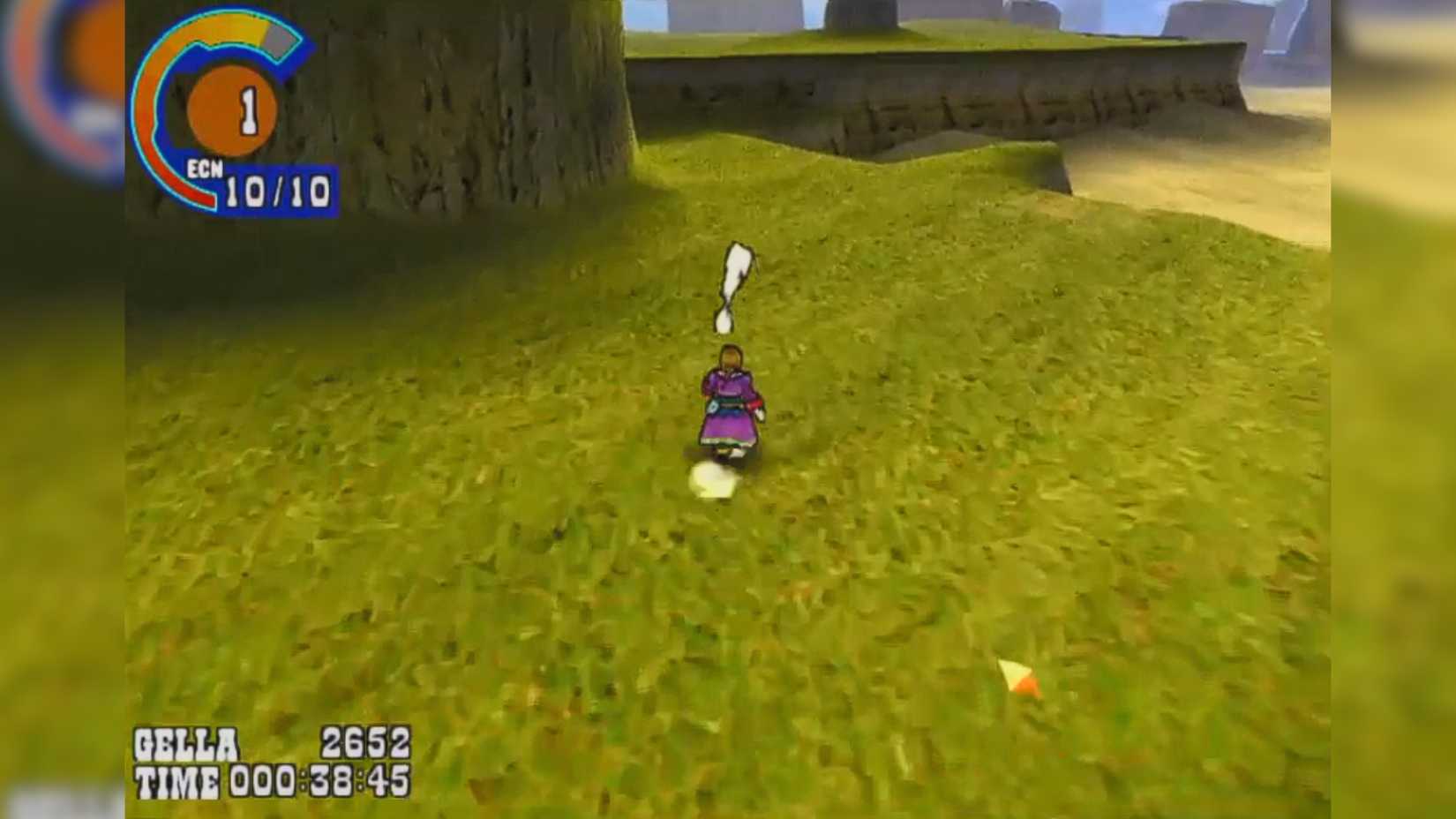
6. Wild Arms 3 (2002)
In Wild Arms 3, the world is not merely in danger; it is actively dying. The planet of Filgaia is an organism in decay, and the game’s aesthetic reflects this with its dusty, arid landscapes and "post-apocalyptic Western" vibe. The conflict is uniquely tragic: the villains, the Three Prophets, are not seeking total destruction but are engaged in a desperate, albeit unethical, attempt to "cure" a planet that has lost its vitality. It is a haunting exploration of survival in a world that has already peaked.
5. Grandia 2 (2000)
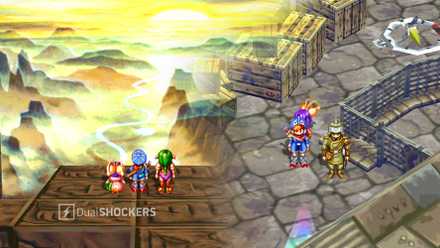
Grandia 2 masterfully subverts the "benevolent church" trope. While the world begins with a sense of wonder and classic fantasy charm, the revelation that the ancient evil Valmar was never truly defeated changes the tone entirely. As the pieces of Valmar are activated, the environment transforms. The emergence of the final dungeon—a literal manifestation of a living, breathing evil—serves as a chilling reminder that the world’s "pristine" state was nothing more than a facade.
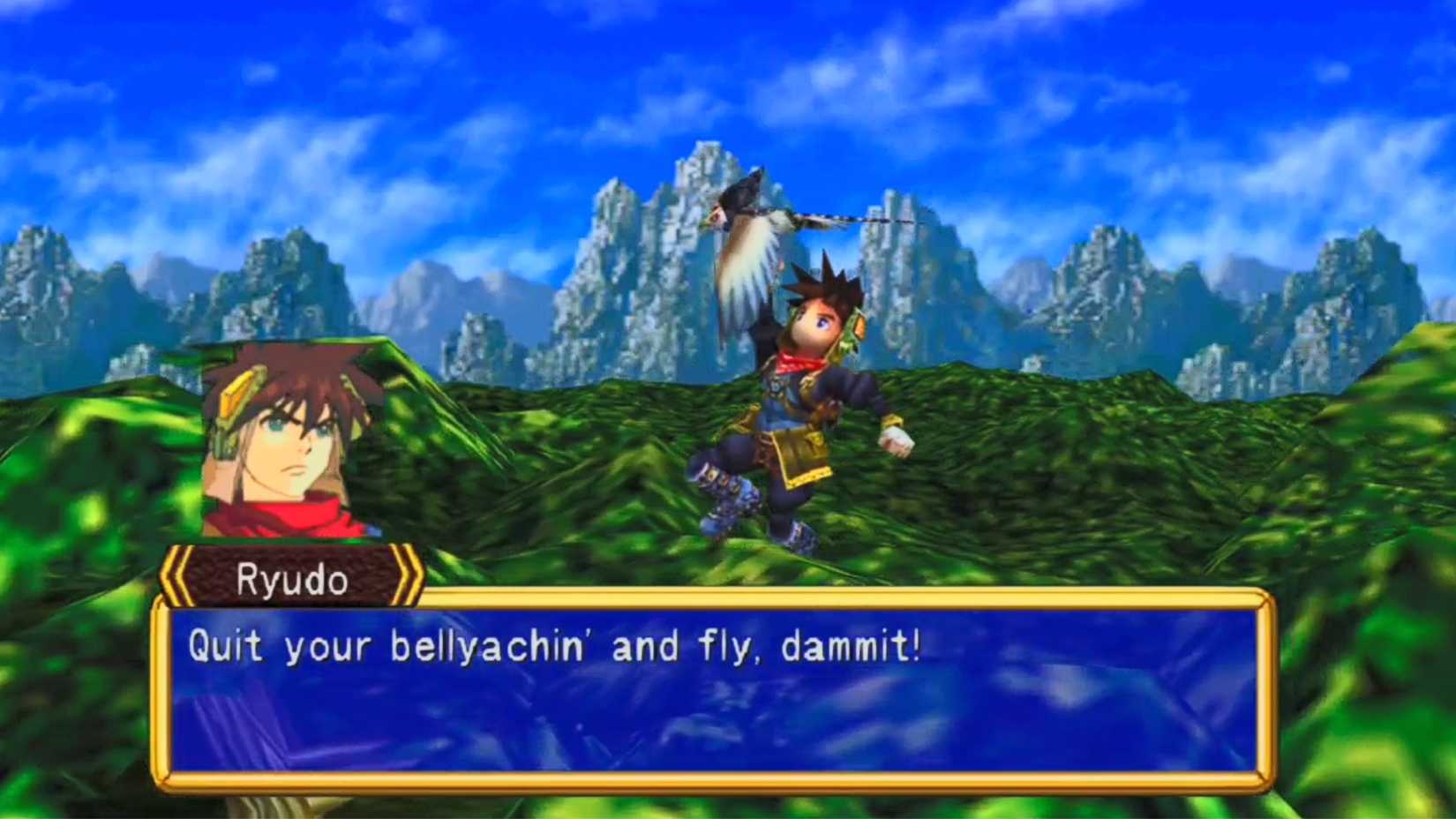
4. Rogue Galaxy (2007)
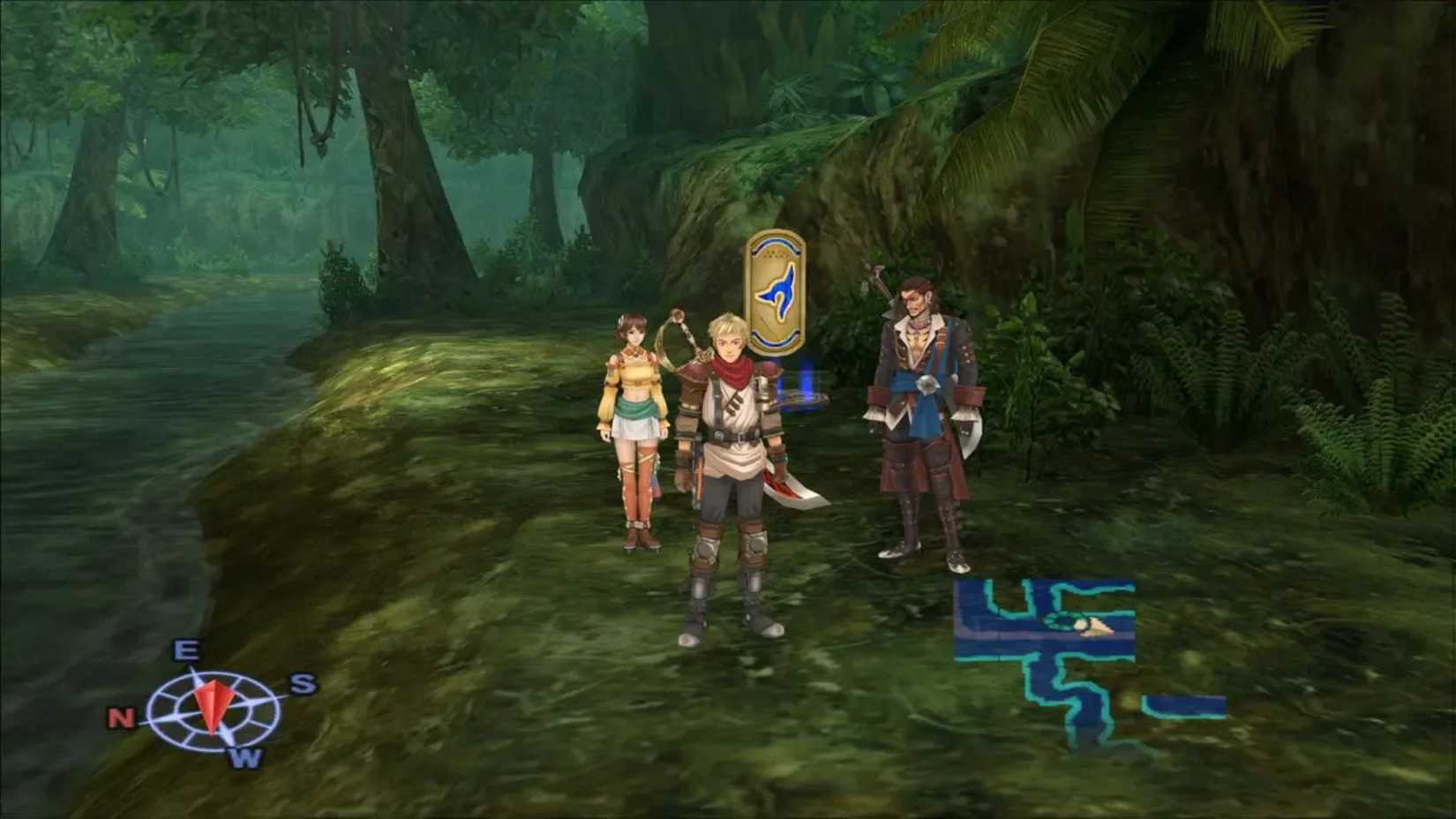
As one of the final major JRPGs on the system, Rogue Galaxy scaled the stakes to a cosmic level. The threat isn’t just one world, but the entire galaxy. The entity known as "Mother" acts as a force of nature, consuming planets at an unstoppable pace. The feeling of helplessness is palpable; players are not fighting to save a king or a crown, but to stop the fundamental erasure of existence. It is a terrifying escalation that turns the entire universe into a battleground for survival.
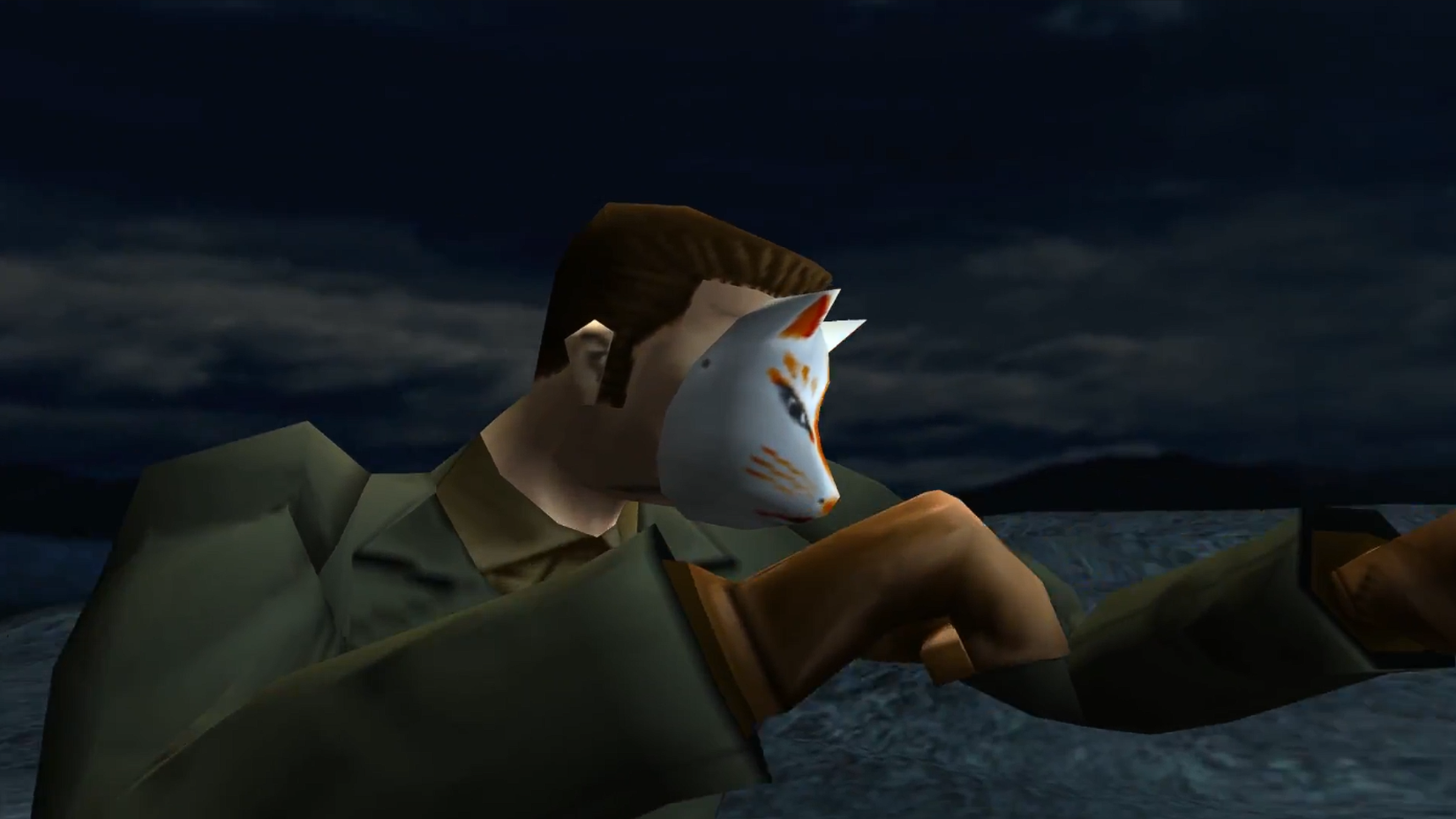
3. Breath of Fire: Dragon Quarter (2002)
Dragon Quarter remains one of the most divisive entries in the franchise, precisely because of its suffocating atmosphere. By moving the entire game into dark, claustrophobic underground tunnels, it forces players to confront the reality of a world that has become uninhabitable. The journey to the surface is not a grand adventure, but a desperate, singular effort to peel back the shroud of a dead civilization. It is a masterclass in environmental storytelling through confinement.
2. Drakengard (2003)
From the twisted mind of Yoko Taro, Drakengard is perhaps the most disturbing entry on this list. It is a game defined by atrocity. The "Watchers," inspired by biblical entities, represent the absolute breaking point of the world. The ending—which mirrors the infamous "Eclipse" from the Berserk manga—solidifies the game as a nihilistic masterpiece where the sky literally tears open to unleash judgment. There are no happy endings here, only the cold, hard reality of total systemic failure.
1. Shin Megami Tensei: Nocturne (2003)
Nocturne begins with the end of the world. While other games build toward an apocalypse, Nocturne starts with the Conception—the destruction of Tokyo—and tasks the player with navigating the ruins. The world is a bizarre, unstable dreamscape where ideologies compete to define the new order. The Tower of Kagutsuchi stands as a monument to this instability, and the oppressive, high-difficulty gameplay ensures the player feels the weight of this broken world in every turn.
Supporting Data and Technical Context
The prevalence of these themes during the PS2 era was not accidental. The transition from the 32-bit era to the 128-bit era allowed developers to utilize more complex particle effects, deeper color palettes, and more intricate cutscene direction.
| Game | Release Year | Primary "Collapse" Theme |
|---|---|---|
| Final Fantasy X | 2001 | Theological/Social |
| Shadow Hearts | 2001 | Supernatural/Corruption |
| Wild Arms 3 | 2002 | Environmental Decay |
| Grandia 2 | 2000 | Cosmic/Institutional |
| Rogue Galaxy | 2007 | Extinction-level Event |
| Breath of Fire: DQ | 2002 | Habitat/Societal Loss |
| Drakengard | 2003 | Existential/Biblical |
| SMT: Nocturne | 2003 | Rebirth/Structural Failure |
Official Developer Perspectives and Design Philosophy
Many developers from this era, including those at Square Enix and Capcom, have noted in retrospectives that the hardware limitations of the PS2 actually fostered more creative "mood" building. Because they could not rely on photorealism, they relied on visual metaphors for decay.
For example, the team behind Breath of Fire: Dragon Quarter often cited the desire to move away from "high fantasy" comfort. By choosing to limit the color palette to grays, browns, and dark blues, they effectively communicated a sense of despair that a more vibrant, high-definition game might have struggled to convey. Similarly, Yoko Taro’s work on Drakengard was driven by a desire to challenge the player’s comfort zone, intentionally creating a world that felt "wrong" or "diseased" to provoke an emotional response that went beyond standard heroism.
Implications for the Modern Industry
The legacy of these "collapsing worlds" is evident in the modern indie scene and the resurgence of "weird" RPGs. Modern titles like Elden Ring or NieR: Automata owe a significant debt to the PS2 era’s willingness to place the player in a world that is already broken.
The primary implication is that players are often more engaged by the mystery of why a world is ending than by the prospect of saving a functional one. The PS2 era proved that a sense of inevitable, looming catastrophe creates a stronger narrative hook than any standard "hero’s journey." By forcing players to navigate the rubble, these games transformed the act of playing from a simple quest into a poignant, often haunting, exploration of loss and resilience.
As the gaming industry continues to push for larger, more populated worlds, the haunting simplicity of the PS2’s "dying worlds" serves as a reminder: sometimes, the most compelling stories are those that take place after the world has already begun to fall apart.


 Lina Hope
 Jia Lissa