Siti Muinah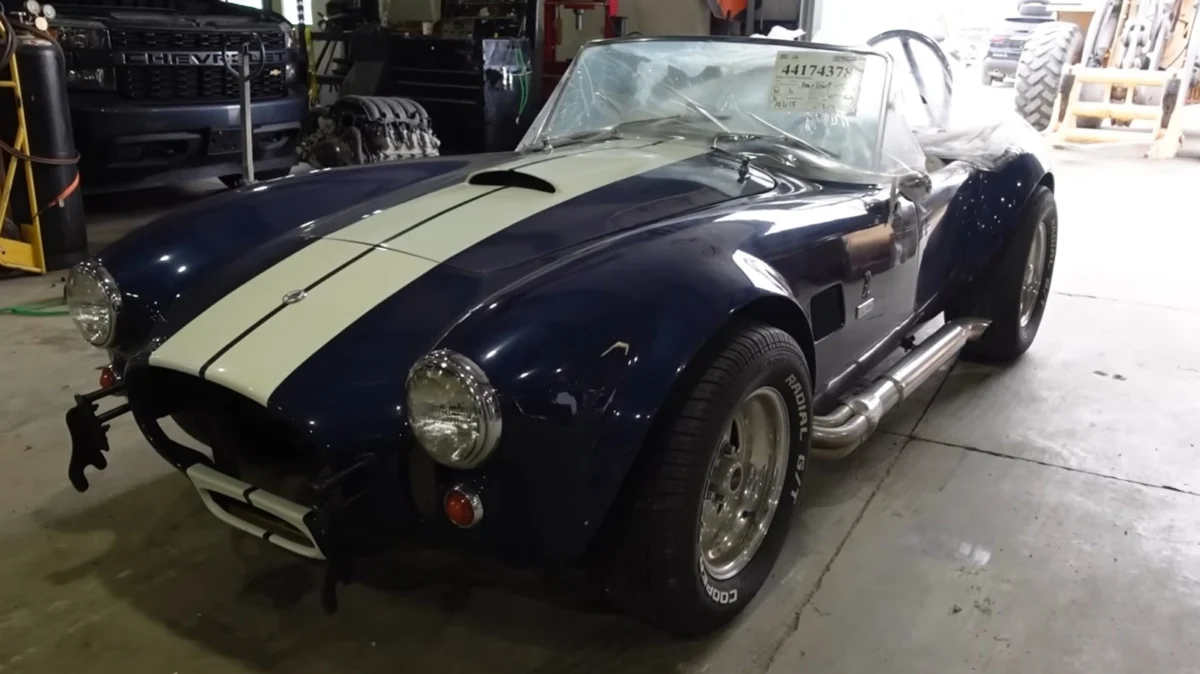
For automotive enthusiasts, the allure of a classic car is often tempered by the harsh reality of its market price. The Shelby Cobra, an icon of American automotive performance, sits at the top of many wish lists. However, with original production models fetching millions, most hobbyists turn to the "kit car" market. A completed, high-quality Cobra replica can easily command upwards of $94,000, according to data from AutoTrader.
When automotive engineer and YouTuber Matt Ryan spotted a Shelby Cobra kit car listed at an auction for just $23,000, it seemed like the deal of a lifetime. But as any seasoned gearhead knows, if a deal looks too good to be true, there is almost certainly a catastrophic reason for it. In this case, that reason was a severe case of flood damage.
The Anatomy of the Deal: A Case Study in Risk
The vehicle in question, a Shelby Cobra replica, had been completely submerged, leaving it with a fuel tank and engine block filled with stagnant water. For the uninitiated, it is worth stating clearly: internal combustion engines are not designed to operate underwater. The ingestion of water into an engine—a phenomenon known as "hydro-locking"—is typically a death sentence for the pistons, connecting rods, and crankshaft.
Matt Ryan, however, is not the average buyer. With 18 years of experience and a resume boasting the restoration of approximately 2,000 flood-damaged vehicles, Ryan viewed the auction not as a tragedy, but as a challenge. Documenting his journey on YouTube, Ryan meticulously peeled back the layers of damage caused by the flood. By the conclusion of his two-part series, he had successfully brought the vehicle back to life, eventually capturing footage of the Cobra spinning its tires at 60 mph. While his success makes for compelling digital content, it serves as a dangerous outlier in the world of salvage titles.
Chronology of a Salvage Rebuild
The process of restoring a flood-damaged vehicle is rarely linear, as the damage is often insidious, manifesting in ways that are not immediately visible.
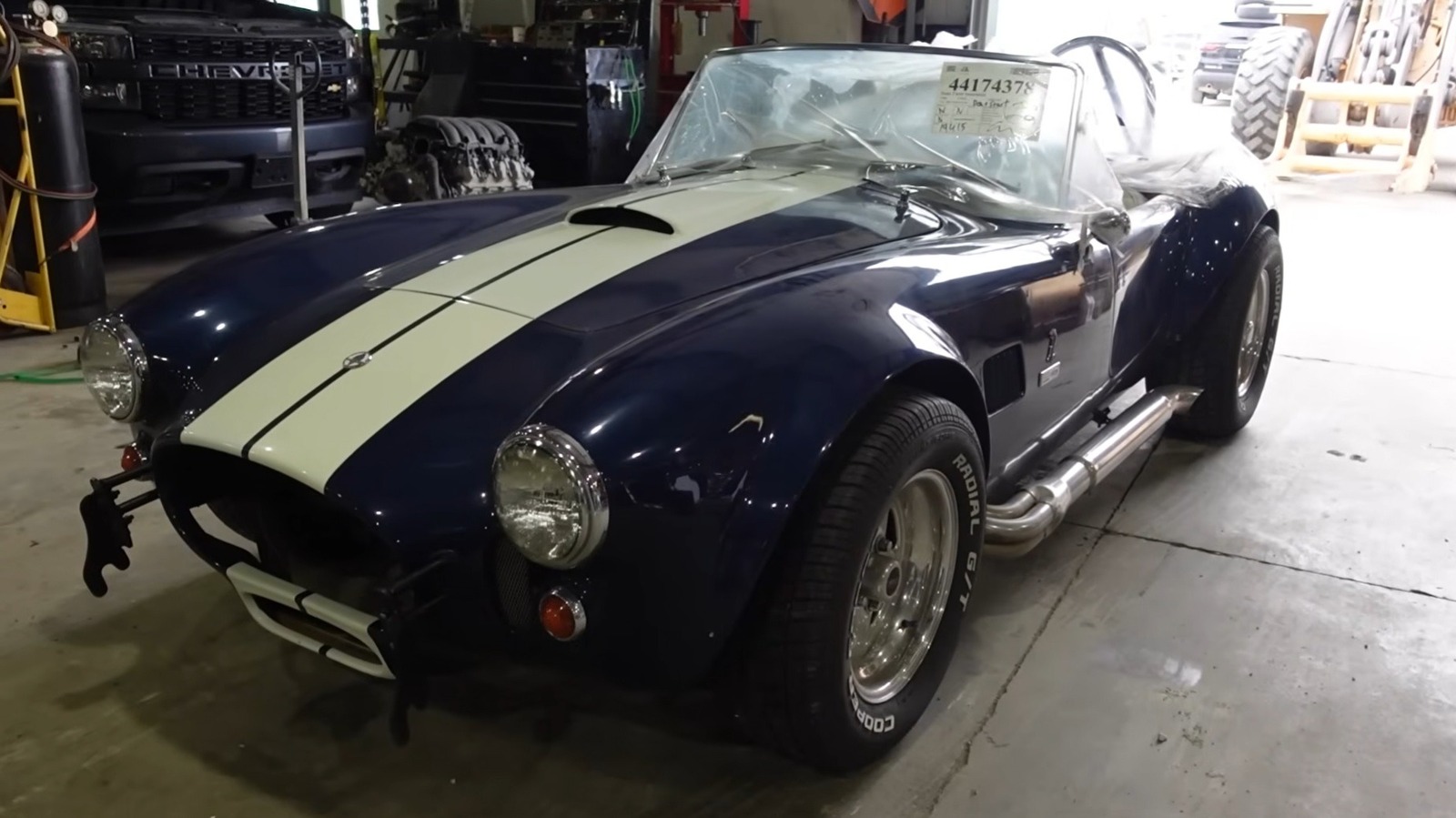
- The Acquisition: The car is purchased from a salvage auction, usually with a "Salvage" or "Flood" brand on the title, indicating that an insurance company has deemed the repair costs to exceed the car’s current market value.
- The Initial Assessment: Upon arrival, the owner must drain every fluid system—oil, transmission fluid, brake fluid, and fuel. In the case of the Shelby Cobra, the water had permeated the fuel system, necessitating a complete purge of the fuel lines and tank.
- The Teardown: For serious water damage, the interior must be stripped. This includes removing carpets, seat foam, and headliners, which act as sponges for contaminated floodwater.
- The Electrical Audit: This is the most complex phase. Modern vehicles rely on a complex network of ECUs (Electronic Control Units) and sensors. Water intrusion into these modules causes short circuits and, more importantly, long-term oxidation that can trigger "ghost" electrical gremlins for years.
- The Final Validation: Only after every mechanical and electrical system has been vetted is the vehicle tested. Ryan’s ability to get the Cobra on the road was a testament to his specific expertise, but for most, this stage is where they discover that their "bargain" is effectively a rolling paperweight.
The True Cost of Owning a Salvage Vehicle
While the initial purchase price of a salvage vehicle is enticing, the long-term financial implications are often disastrous. A salvage title inherently slashes the resale value of a car, regardless of how pristine the restoration work is. Furthermore, many insurance providers will refuse to provide comprehensive coverage for a vehicle with a branded title, leaving the owner fully liable for any future damage.
Financial Breakdown of Restoration
Beyond the purchase price, the hidden costs mount rapidly:
- Engine Repair: According to data from Mach1Services, repairing a flooded engine can range from $3,000 to $8,000. This assumes the engine block itself hasn’t cracked under the pressure of hydro-locking.
- Interior Upholstery: If a car has been sitting in water, the mold and bacteria growth is often irreversible. Replacing foam cushions, springs, and upholstery fabric can cost upwards of $2,000 for an average sedan, and significantly more for high-end replicas like a Cobra.
- Electrical Gremlins: The cost to replace a single major wiring harness or an ECU can run into the thousands. Often, these parts must be sourced from other salvage vehicles, perpetuating a cycle of uncertainty.
The Science of Corrosion: Why Salt Water is the Enemy
One of the most critical factors in determining whether a car can be saved is the nature of the water involved. Freshwater floods are detrimental, but saltwater floods are terminal. Salt acts as an electrolyte, drastically accelerating the oxidation process on both ferrous and non-ferrous metals.
When a vehicle sits in saltwater, it doesn’t just rust the body panels; it attacks the structural integrity of the brake lines, the suspension bushings, and the chassis itself. Even if the engine is cleaned, the unseen corrosion inside the electrical connectors and the transmission housing creates a ticking time bomb. Many hobbyists who attempt these restorations find that while the car runs for the first few months, the inevitable creep of salt-induced corrosion leads to a cascade of mechanical failures that ultimately bankrupt the project.
Implications for the Consumer and the Market
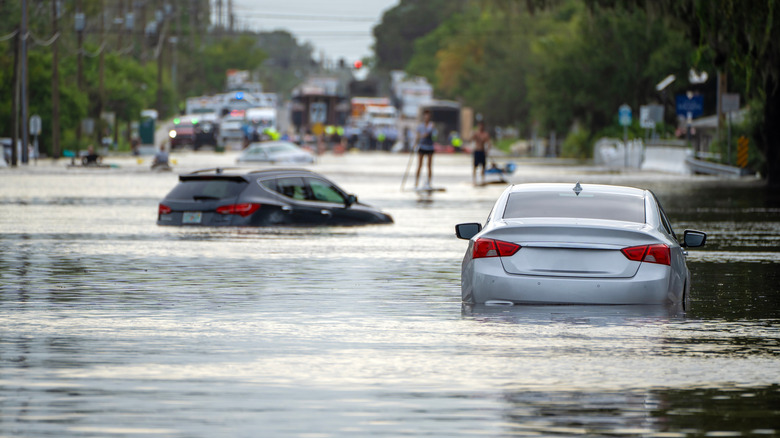
The existence of salvaged, flood-damaged vehicles in the marketplace poses a significant risk to the average consumer. As climate change leads to more frequent and intense hurricane seasons, the number of "washed" vehicles—cars that have been cleaned up and sold with "clean" titles despite having been totaled by insurers—is on the rise.
How to Spot a "Washed" Title
Prospective buyers should be hyper-vigilant when inspecting a vehicle. Key indicators of prior water damage include:
- Odors: A heavy, musty smell that the seller attempts to mask with air fresheners.
- Debris: Mud, silt, or sand in places it shouldn’t be, such as under the dashboard, inside the seat tracks, or within the trunk spare tire well.
- Rust patterns: Unusual corrosion on the heads of screws or metal brackets inside the cabin.
- Electrical Failures: Flickering lights, malfunctioning dashboard warning indicators, or power windows that operate sluggishly.
Professional Perspectives on Restoration
Experienced mechanics are almost universally wary of flood-damaged vehicles. Most reputable shops will refuse to touch a car with severe flood damage because they cannot stand behind the long-term reliability of the work. As one industry expert noted, "You can fix a car that’s been in a crash; you can replace bent metal. But you cannot easily ‘un-corrode’ a car that has been soaked in saltwater. It is a fundamental alteration of the vehicle’s material properties."
For the everyday driver, the risk-to-reward ratio is profoundly skewed. While social media platforms are filled with viral videos of "miracle" restorations, these creators often have access to professional tools, wholesale parts, and, most importantly, the skill set to mitigate the risks. For the average consumer, buying a flood-damaged car is not a savvy investment; it is an invitation to a cycle of mounting repair bills, safety concerns, and potential legal headaches when it comes time to sell.
Conclusion: Proceed with Extreme Caution
The story of the Shelby Cobra salvaged by Matt Ryan is an inspiring tale of mechanical prowess, but it should not be taken as a blueprint for the average car buyer. The automotive market remains a place where the adage "you get what you pay for" holds absolute truth. If you see a high-value car listed for a fraction of its market price, the mystery of the low cost is rarely a stroke of luck—it is a warning.
When navigating the world of used vehicles, particularly those that have a history of salvage or flood damage, the best advice remains the simplest: walk away. The potential for long-term failure, the safety risks associated with compromised electrical and mechanical systems, and the inevitable financial drain make flood-damaged vehicles a category that belongs in the hands of only the most specialized professionals—if they should be touched at all.


 Nana
Nana
 Asro
Asro