Siti Muinah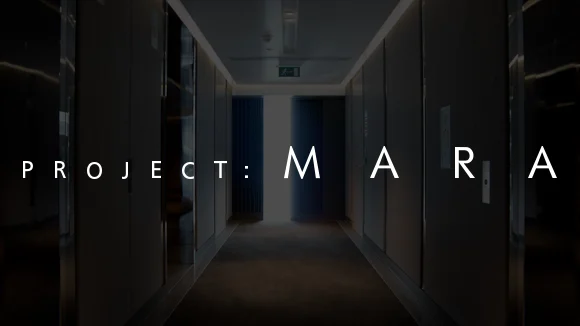
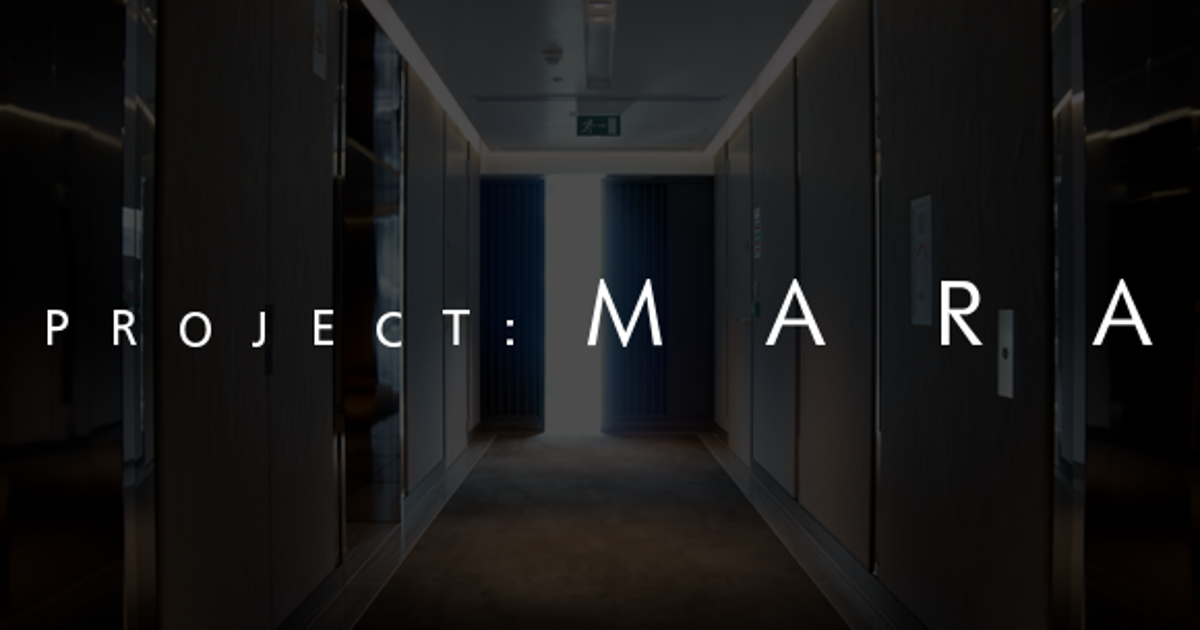
London, UK – [Insert Date] – In a significant strategic shift revealed at this year’s Summer Game Fest, acclaimed developer Ninja Theory has announced the cancellation of its experimental psychological horror title, "Project Mara." The decision, confirmed by studio head Dom Matthews, aims to consolidate the entirety of the studio’s 85-strong creative talent pool onto the newly unveiled third installment in the critically lauded Hellblade franchise, simply titled "Senua." This move underscores a renewed and intensified focus on the series that has defined Ninja Theory’s unique narrative and artistic vision, particularly its profound exploration of mental health.
The announcement came shortly after the reveal of "Senua," which promises to continue the dark, visceral, and emotionally resonant journey of its titular Celtic warrior. Matthews articulated the rationale behind the difficult decision, stating, "I took the decision not to work on that [Project Mara] any further… to take the opportunity to have all the talent and expertise in the studio, all 85 creatives, working together to realise the potential of what Senua can be." This consolidation signals a clear intent to elevate the Hellblade franchise to unprecedented heights, channeling every ounce of Ninja Theory’s renowned storytelling prowess, technical innovation, and artistic integrity into a singular, ambitious project.
"Project Mara," first announced in 2020, was conceived as an "experimental title" dedicated to a "real-world and grounded representation of mental terror." The studio had previously detailed its intention to base the game on "real lived experience accounts and in-depth research," with the ambitious goal of "recreating the horrors of the mind as accurately and realistically as possible." While the concept resonated deeply with Ninja Theory’s established thematic strengths, particularly in light of the Hellblade series’ groundbreaking portrayal of psychosis, its cancellation marks the end of a promising, albeit divergent, creative endeavor. The studio’s pivot is a calculated gamble, prioritizing depth and unity over diversification, and doubling down on the narrative universe that has garnered them widespread critical acclaim and a dedicated global fanbase.
Chronology: A Studio’s Evolving Vision
Ninja Theory’s journey has been one of consistent evolution, marked by both bold creative risks and a steadfast commitment to narrative excellence. The studio’s trajectory provides crucial context for understanding the strategic decision to cancel "Project Mara" and centralize its efforts on "Senua."
Ninja Theory’s Origins and Early Successes
Founded in Cambridge, UK, in 2000, Ninja Theory initially made a name for itself with visually stunning, action-oriented titles that blended compelling narratives with innovative combat. Early works like Heavenly Sword (2007) for the PlayStation 3 and Enslaved: Odyssey to the West (2010) garnered critical praise for their cinematic qualities, strong character development, and unique artistic direction. These games showcased the studio’s talent for crafting immersive worlds and engaging player experiences, often pushing the boundaries of what was expected from character-action games. In 2013, they tackled a significant challenge by reimagining Capcom’s iconic Devil May Cry series with DmC: Devil May Cry, a bold take that, despite initial fan division, was largely lauded by critics for its stylish combat and edgy narrative.
However, it was with Hellblade: Senua’s Sacrifice in 2017 that Ninja Theory truly forged a distinct identity. Developed as an "independent AAA" title, blending high production values with the creative freedom of an indie studio, Hellblade explored the harrowing journey of Senua, a Celtic warrior grappling with psychosis. The game’s innovative use of binaural audio to simulate Senua’s auditory hallucinations, coupled with extensive consultation with mental health experts and individuals with lived experience, set a new benchmark for depicting complex psychological states in video games. Its profound impact earned it widespread critical acclaim and five BAFTA Awards, establishing Ninja Theory as a pioneer in serious game narratives.
The Xbox Acquisition and Expansion
The success of Hellblade: Senua’s Sacrifice caught the attention of industry giants, leading to Microsoft’s acquisition of Ninja Theory in 2018 as part of Xbox Game Studios. This acquisition was widely seen as a testament to Ninja Theory’s creative prowess and a strategic move by Xbox to bolster its first-party development capabilities with studios known for unique, narrative-driven experiences. The acquisition promised increased resources, stability, and the freedom to pursue ambitious projects without the financial constraints of independent development.
Under the Xbox banner, Ninja Theory embarked on an ambitious multi-project strategy. This included the highly anticipated sequel, Senua’s Saga: Hellblade II, which promised to push the boundaries of graphical fidelity and immersive storytelling on the new Xbox Series X. Simultaneously, the studio ventured into new territory with Bleeding Edge, a 4v4 online multiplayer hero brawler, and the conceptualization of "Project Mara," further diversifying its creative portfolio. This period reflected the excitement and expanded possibilities that came with being part of a major platform holder, allowing the studio to explore different genres and themes concurrently.
The Bleeding Edge Experiment and Its Conclusion
Bleeding Edge, released in March 2020, represented a notable departure from Ninja Theory’s established reputation for single-player, narrative-heavy experiences. Positioned as a fast-paced, vibrant multiplayer title, it aimed to carve out a niche in the burgeoning hero brawler genre. While the game showcased Ninja Theory’s characteristic flair for character design and satisfying combat mechanics, its reception was more subdued compared to the studio’s prior works. The competitive multiplayer landscape is notoriously challenging, and Bleeding Edge struggled to maintain a consistent player base against entrenched giants.
In January 2021, Ninja Theory announced that it would cease content updates for Bleeding Edge to focus on Senua’s Saga: Hellblade II and "other unannounced projects" (which, at the time, implicitly included Project Mara). This decision, though disappointing for the game’s dedicated community, signaled an early pattern of strategic consolidation. It demonstrated the studio’s willingness to re-evaluate its direction and prioritize projects that aligned more closely with its core strengths and long-term vision, or those with greater perceived potential for impact and success. The game remains available on Xbox and PC, but its active development cycle concluded, freeing up valuable resources.
The Rise and Fall of Project Mara
"Project Mara" was officially unveiled in January 2020, around the same time as Bleeding Edge‘s launch. It immediately captured attention due to its intriguing premise: a psychological horror experience meticulously designed to represent mental terror with chilling realism. The project was described as an "experimental title," suggesting a focus on pushing narrative and experiential boundaries rather than conventional gameplay mechanics. Concept art and early details hinted at a claustrophobic, immersive journey into the darkest corners of the human mind, grounded in scientific research and personal testimonies.
Given Ninja Theory’s success with Hellblade‘s sensitive and authentic portrayal of psychosis, "Project Mara" seemed a natural, albeit darker, extension of their thematic interests. It promised to delve deeper into the raw, unfiltered experience of mental distress, a subject few other studios dare to approach with such gravitas. However, despite its compelling concept and the potential for another groundbreaking narrative, the project ultimately fell victim to a strategic re-evaluation. The decision to cancel it, announced concurrently with the reveal of "Senua," highlights a critical juncture for Ninja Theory. It underscores a powerful conviction within the studio that a unified, concentrated effort on the Hellblade saga represents the most potent path forward, even if it means sacrificing other promising ventures. The ambition of "Project Mara" will now, perhaps, be channeled into the overarching vision for "Senua."
Supporting Data: The Hellblade Legacy and Strategic Focus
The Hellblade franchise is not merely a series of games; it is a cultural phenomenon that has redefined what is possible in interactive storytelling, particularly concerning the portrayal of mental health. The unparalleled success and impact of its first two installments provide robust justification for Ninja Theory’s decision to now dedicate its entire creative force to the third chapter.
The Critical Acclaim of Hellblade: Senua’s Sacrifice
Released in August 2017, Hellblade: Senua’s Sacrifice was a revelation. Its innovative approach to depicting psychosis, employing binaural audio to immerse players in Senua’s fractured perception, was nothing short of revolutionary. Players experienced her auditory and visual hallucinations firsthand, creating an empathetic connection to her struggle that few games had ever achieved. This wasn’t merely a gameplay mechanic; it was a narrative tool designed to foster understanding and reduce stigma around mental illness.
Ninja Theory meticulously researched psychosis, collaborating with neuroscientists, psychiatrists, and mental health charities, as well as individuals with lived experience. This commitment to authenticity resonated deeply with critics and players alike. The game was praised not only for its narrative depth and artistic direction but also for its courage in tackling such a sensitive subject matter with respect and intelligence. Its impact extended beyond the gaming community, sparking discussions in broader media about mental health representation. The game’s exceptional quality and cultural significance were formally recognized with an impressive five BAFTA Awards, including Best British Game and Artistic Achievement, cementing its status as a landmark title in video game history.
Senua’s Saga: Hellblade II’s Ambition and Reception
The sequel, Senua’s Saga: Hellblade II, launched in 2024, built upon the foundation of its predecessor with even greater ambition. Positioned as a flagship title for the Xbox Series X, it pushed the boundaries of photorealism and immersive storytelling. Leveraging Unreal Engine 5, the game delivered breathtaking visuals, incredibly detailed character models, and environments that felt both vast and oppressive. The narrative continued Senua’s harrowing journey, delving deeper into themes of trauma, resilience, and the search for identity amidst overwhelming psychological distress.
While the core gameplay remained focused on narrative and atmosphere, the sequel refined its combat and puzzle elements, enhancing the overall player experience. Crucially, it maintained the unwavering commitment to authentic mental health representation that defined the first game, further solidifying Ninja Theory’s reputation as a leader in this space. The critical response reflected its technical prowess and narrative ambition, with the game securing an astounding 11 BAFTA Games Awards nominations for 2025. These nominations, including highly coveted categories like Best British Game, underscore the sequel’s significant impact and reaffirm the Hellblade franchise’s prestige within the industry. Such consistent critical success across two titles provides an undeniable mandate for the studio to invest all its resources into the series’ future.
Ninja Theory’s Unique Position in Xbox Game Studios
Within the diverse portfolio of Xbox Game Studios, Ninja Theory occupies a unique and invaluable position. While many first-party studios focus on broad-appeal genres like open-world RPGs, shooters, or racing games, Ninja Theory specializes in highly focused, narrative-driven experiences that tackle complex human themes. This distinct identity allows Xbox to offer a wider array of high-quality, creatively daring titles to its subscribers, particularly through Xbox Game Pass.
The consolidation of talent around "Senua" can be seen as a strategic move that benefits not only Ninja Theory but also Xbox’s broader ecosystem. By focusing on their proven strength – the Hellblade series – Ninja Theory can deliver a truly exceptional product that reinforces Xbox’s commitment to artistic innovation and mature storytelling. This strategic alignment leverages the studio’s core competencies, ensuring that their unique voice continues to resonate loudly in the competitive gaming landscape. In an industry increasingly driven by massive open-world titles, Ninja Theory’s commitment to a tightly controlled, deeply personal narrative experience offers a compelling counterpoint and a vital creative niche.
Official Responses and Industry Reactions
The decision to cancel "Project Mara" and funnel all resources into "Senua" is a clear example of decisive leadership aimed at maximizing creative potential. Studio head Dom Matthews’ explanation provides crucial insight into the strategic thinking behind this difficult, yet ultimately focused, choice.
Dom Matthews’ Statement: A Deep Dive
Dom Matthews’ statement, "I took the decision not to work on that any further… to take the opportunity to have all the talent and expertise in the studio, all 85 creatives, working together to realise the potential of what Senua can be," is pregnant with meaning. It speaks to several key aspects of game development and studio management. Firstly, it highlights the inherent difficulty of such decisions. Cancelling a project, especially one with a compelling concept like "Project Mara," is never taken lightly and often involves significant emotional investment from the team. Matthews’ direct acknowledgment of this underscores the weight of the choice.
Secondly, the emphasis on "all 85 creatives working together" points to the immense value of synergy and unified effort. In creative industries, splitting resources across multiple projects, even with a larger team post-acquisition, can dilute focus and quality. By bringing everyone under one banner, Ninja Theory aims to achieve a level of cohesion and collaborative excellence that might not be possible otherwise. This strategy suggests a belief that a singular, intensely focused effort will yield a product far greater than the sum of its parts. The phrase "realise the potential of what Senua can be" implies a grand vision for the third Hellblade title, suggesting that the studio sees an opportunity to push boundaries and achieve something truly extraordinary if all hands are on deck. This is not merely about completing a game; it’s about perfecting a vision.
The Rationale for Focus
In today’s highly competitive and resource-intensive game development landscape, focus is often paramount to success. Studios frequently grapple with the challenge of balancing multiple projects, each demanding significant time, talent, and financial investment. The history of game development is replete with examples where dividing attention led to compromised quality or even the failure of all concurrent projects. Ninja Theory’s decision reflects a mature understanding of these dynamics.
By concentrating all 85 creatives on "Senua," Ninja Theory is making a clear statement: quality over quantity, depth over breadth. This approach minimizes the risk of resource dilution, ensures that every aspect of the game benefits from the studio’s full expertise, and allows for a more streamlined development process. The rationale is simple yet powerful: a smaller number of exceptionally polished, high-impact titles can often achieve greater critical and commercial success than a larger portfolio of merely good ones. This strategic consolidation also allows the studio to avoid the creative fatigue that can set in when teams are stretched too thin across disparate projects, ensuring that their passion and innovation are channeled into their most impactful work.
Initial Industry and Fan Reactions
The announcement of "Project Mara’s" cancellation has naturally elicited a mixed response from the gaming community and industry observers. For fans who were captivated by "Project Mara’s" unique premise and its promise of a deeply unsettling psychological horror experience, there will undoubtedly be disappointment. The concept of a game grounded in "real lived experience accounts" of mental terror, delivered with Ninja Theory’s characteristic sensitivity and artistic flair, held significant appeal. Many will mourn the loss of a potentially groundbreaking title that could have further expanded the studio’s thematic repertoire.
However, for the vast legion of Hellblade devotees, the news is likely to be met with excitement and anticipation. The prospect of the entire Ninja Theory team, fully unified and focused, pouring all their creative energy into "Senua" suggests that the third installment could be the most ambitious and refined entry in the series yet. Fans of the franchise have come to expect a certain level of narrative depth, psychological insight, and artistic mastery, and the studio’s commitment to "realise the potential of what Senua can be" will only heighten those expectations. Industry analysts, meanwhile, are likely to view this as a pragmatic and strategically sound decision, recognizing the benefits of focus in delivering a truly impactful first-party title for Xbox. The cancellation of projects is a common occurrence in game development, but the transparency and clear rationale provided by Ninja Theory offer valuable insight into their strategic priorities.
Implications: The Future of Ninja Theory and Narrative Gaming
The strategic decision to cancel "Project Mara" and consolidate all creative efforts on "Senua" carries significant implications for the future direction of Ninja Theory, the Hellblade franchise, and potentially, the broader landscape of narrative-driven video games.
A Unified Vision for "Senua"
The most immediate implication of this consolidation is the promise of an extraordinarily ambitious and meticulously crafted "Senua." With the entirety of Ninja Theory’s 85 creatives – including its award-winning writers, artists, designers, and technical specialists – working in unison, the third Hellblade title is poised to be the definitive experience in the series. Players can reasonably anticipate higher production values across the board, pushing the boundaries of graphical fidelity and immersive sound design even further than Hellblade II.
More importantly, a unified team allows for deeper narrative integration, more refined gameplay mechanics, and a greater capacity to innovate within the established framework of Senua’s journey. This focused approach means that every aspect of the game, from its psychological depth to its combat encounters and environmental storytelling, will benefit from collective expertise and a singular artistic vision. The opportunity to "realise the potential of what Senua can be" suggests a grand, perhaps even conclusive, chapter in Senua’s saga, promising a narrative arc that leverages all the lessons learned and innovations achieved in the previous two games. Fans can expect a game that not only continues the legacy of mental health representation but also elevates it to new, perhaps even more impactful, heights.
The Evolving Identity of Ninja Theory
This strategic pivot also solidifies Ninja Theory’s evolving identity within the industry. By shedding projects like Bleeding Edge and now "Project Mara," the studio is decisively moving away from genre diversification and reaffirming its commitment to its proven strengths: crafting deeply psychological, narrative-driven action-adventure games. This focus positions Ninja Theory as a master of its craft, a studio uniquely capable of tackling complex human experiences with unparalleled sensitivity and artistic ambition.
This renewed clarity of purpose could serve as a magnet for top talent, attracting developers who are passionate about creating games with profound emotional and intellectual resonance. Rather than being seen as a studio that dabbles in various genres, Ninja Theory is cementing its reputation as a specialist – a studio where difficult and important stories are told with uncompromising quality. This specialization, particularly within a large publisher like Xbox, allows them to stand out and cultivate a distinct brand identity that resonates with players seeking more than just entertainment.
Broader Industry Trends
Ninja Theory’s decision aligns with several broader trends in the video game industry. There is an increasing emphasis on fewer, larger, and more polished titles from first-party studios, particularly as development costs skyrocket and expectations for graphical fidelity and content density reach new peaks. Publishers like Xbox are keen to invest heavily in projects that have a strong identity and a high likelihood of critical and commercial success, especially those that can serve as system-sellers or Game Pass drivers. By focusing on the established and critically acclaimed Hellblade franchise, Ninja Theory is playing directly into this trend, delivering a high-quality, signature experience.
Furthermore, the ongoing discussion about mental health representation in video games continues to grow in prominence. Hellblade‘s pioneering role in this area has paved the way for more nuanced and respectful depictions. By doubling down on the series, Ninja Theory reaffirms its commitment to this vital conversation, ensuring that its work continues to contribute meaningfully to social awareness and understanding. This dedication to purposeful storytelling sets a high bar for the industry and reinforces the medium’s capacity for artistic expression and social impact.
The Legacy of Project Mara
While "Project Mara" itself may no longer be in active development, its concept and the research that went into it are unlikely to be entirely discarded. Even cancelled projects leave a mark, providing valuable lessons, inspiring future ideas, and potentially contributing to a studio’s overall knowledge base. The desire to create a "real-world and grounded representation of mental terror" is a powerful one, and it’s conceivable that elements of this vision, or the underlying research, could inform future endeavors within the Hellblade universe or beyond.
Ninja Theory’s commitment to exploring challenging themes remains unwavering. The cancellation of "Project Mara" is not an abandonment of this commitment but rather a strategic consolidation of forces to deliver the most impactful version of their flagship narrative. The legacy of "Project Mara" may well be that its sacrifice enabled "Senua" to reach its fullest potential, further cementing Ninja Theory’s position as a leading voice in psychological and narrative gaming. The future for Ninja Theory, now entirely focused on Senua’s saga, appears brighter and more concentrated than ever before, promising a truly epic and emotionally resonant conclusion to a groundbreaking series.


 Lina Irawan
 Sagoh
Sagoh