Jia Lissa
For over two decades, The Sims franchise has reigned supreme as the undisputed king of the life simulation genre. The Sims 4, in particular, enjoyed a decade-long reign of relative solitude, its success seemingly unthreatened. However, the burgeoning anticipation and eventual release of Paralives has illuminated just how much the landscape of video games has evolved, and how The Sims 4, despite its numerous updates, has been outpaced by modern capabilities and player expectations. Paralives is not just another contender; it’s a bold statement, showcasing a suite of features that feel not only fresh but essential for a contemporary life simulation experience.
The Sims 4: A Longstanding Legacy and Evolving Expectations
Launched in 2014, The Sims 4 arrived with a notable absence of features that had become staples in previous iterations, such as pools, basements, toddlers, and family trees. While the developers have diligently addressed these omissions over the years, and introduced a plethora of expansion packs and game content, the game’s core mechanics and presentation have begun to show their age. This gradual evolution, while appreciated by its dedicated fanbase, has also set the stage for a new generation of life simulators to challenge the status quo.

Enter Paralives. This ambitious indie title, developed by Alex Massé and the Paralives Studio, has captured the attention of simulation enthusiasts worldwide with its promise of a more intuitive, customizable, and modern approach to virtual life. From its visually striking art style to its deeply integrated lore and innovative gameplay mechanics, Paralives is poised to redefine what players expect from the genre.
A Deep Dive into Paralives’ Innovative Features
The following sections explore some of the key features that distinguish Paralives and highlight areas where The Sims 4, despite its long development cycle, appears to have been surpassed.

Build Mode: Redefining Creative Freedom
A Modern Tool for the Modern Era
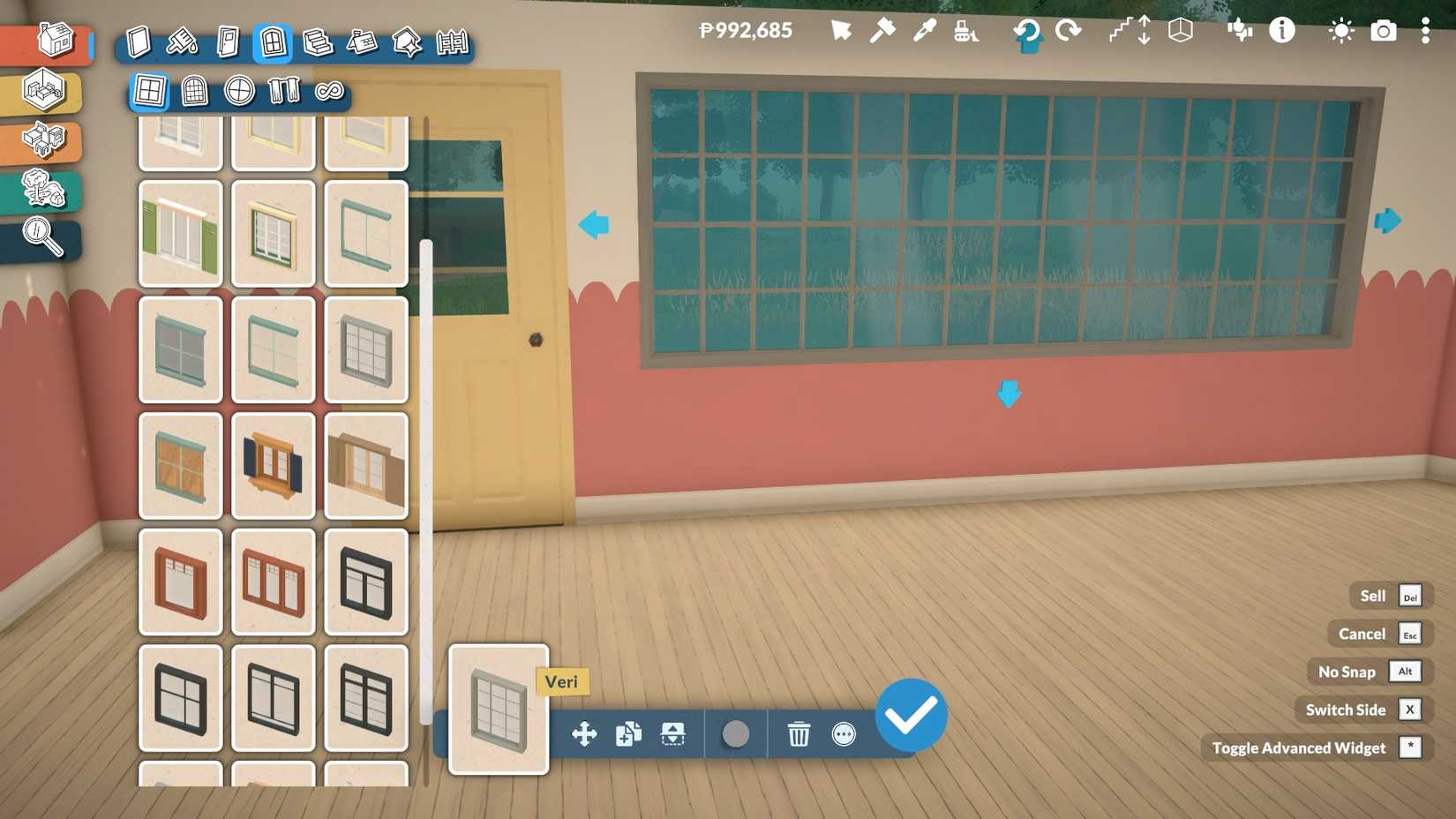
One of the most immediately striking aspects of Paralives is its revolutionary approach to build mode. While The Sims 4’s build mode was considered groundbreaking upon its release, offering unprecedented freedom in constructing homes, Paralives takes this concept to an entirely new level with its intuitive click-and-drag functionality.
Virtually every object within the game, from windows and furniture to decorative items, can be resized by simply clicking and dragging its handles. This seemingly simple mechanic dramatically enhances the player’s ability to customize their builds, allowing for a level of detail and personalization that is difficult to achieve in The Sims 4 without extensive use of cheats or custom content. Imagine resizing a couch to perfectly fit a snug nook, or adjusting the dimensions of a picture frame to complement a specific wall space – Paralives makes this a seamless and enjoyable part of the building process.

This feature alone represents a significant leap forward in build mode design for life simulations. It’s a testament to how modern game development can streamline complex tasks, making them accessible and enjoyable for players of all skill levels. The ease with which players can manipulate objects not only speeds up the building process but also encourages experimentation and creativity, leading to more unique and personalized creations.
Create Any Room You Want: Unlocking Unprecedented Customization
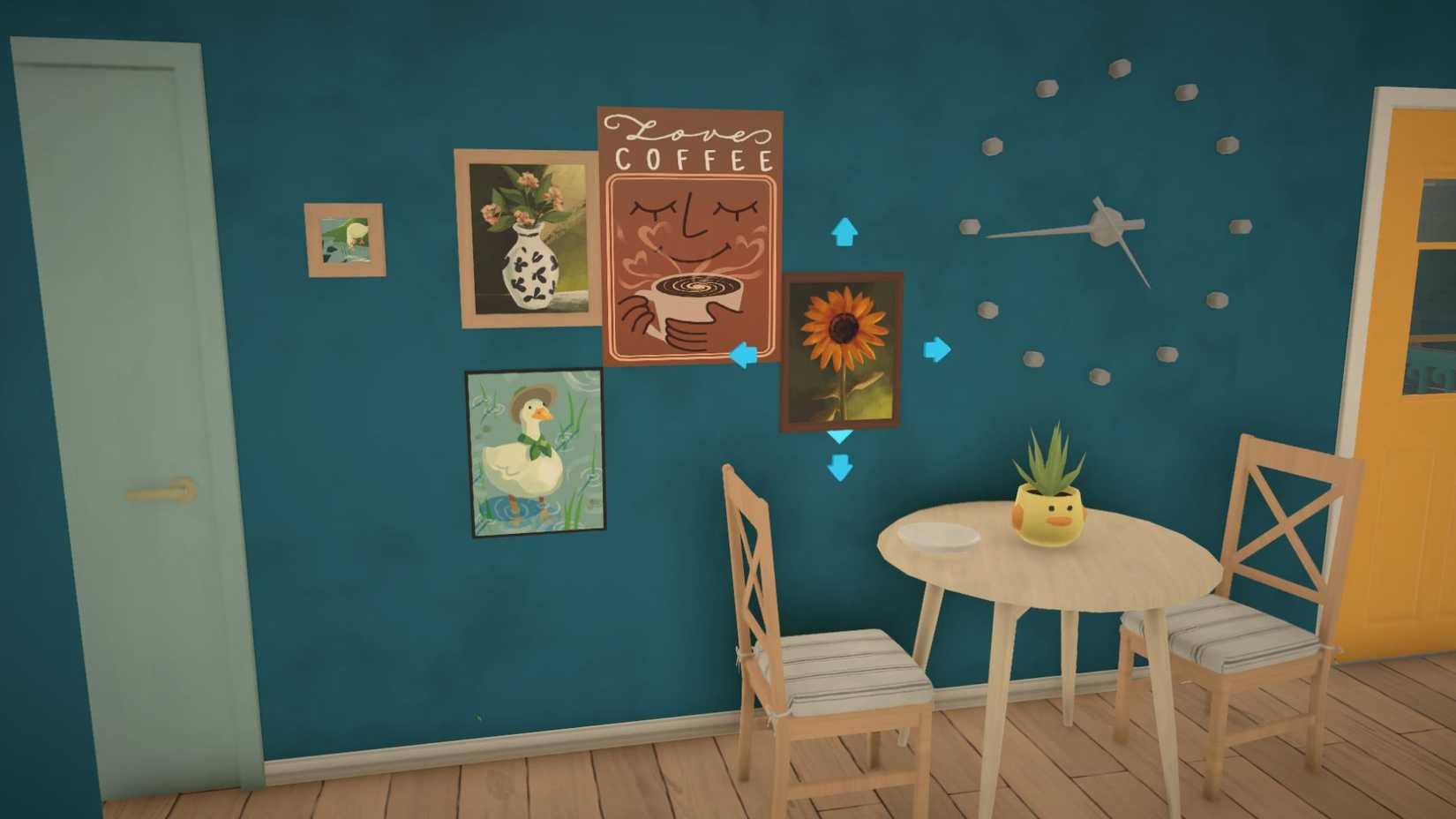
Beyond object manipulation, Paralives offers an unparalleled level of customization through its ability to upload and utilize custom images. Unlike The Sims 4, where picture frames and posters come with a predetermined set of in-game images, Paralives presents blank frames and canvases, inviting players to personalize them with their own photos and artwork.
This extends beyond just wall decor. Cushions, for instance, can be customized with any image the player chooses. This feature is a game-changer for players who prioritize visual storytelling and want to imbue their virtual homes with personal meaning. The ability to use custom images transforms a virtual space into a digital reflection of the player’s own life and aesthetic preferences, fostering a deeper connection with the game world. This level of detail in customization is a significant step beyond The Sims 4, where players often rely on community-created content to achieve similar levels of personalization.
Ditch the Bloat: Streamlining Gameplay Interactions
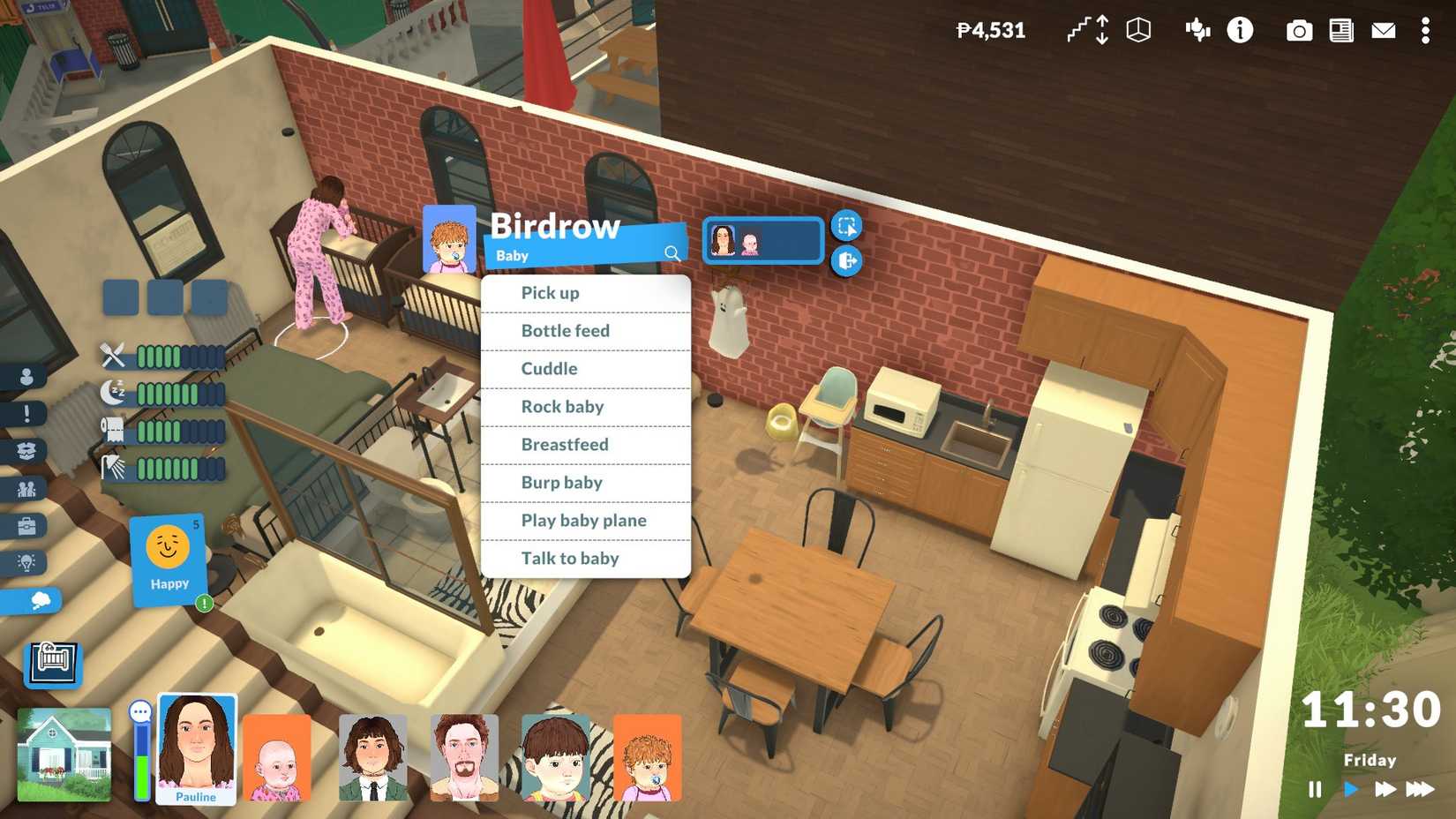
The way players interact with their virtual characters is another area where Paralives demonstrates a clear advancement. For 26 years, The Sims franchise has utilized a bubble conversation system, a mind map of interactions that, while functional for its time, has become increasingly cumbersome as more options have been added.
The Sims 4, with its extensive library of expansion packs and content, has made navigating these interactions a laborious process. Players often find themselves clicking through multiple submenus, struggling to locate the specific action they wish their Sim to perform. Paralives addresses this by replacing the bubble system with a more streamlined "conversation cards" interface. This system presents a curated selection of relevant interactions, reducing clutter and making it easier for players to guide their Sims’ actions. While this approach might initially seem more limited, its clarity and efficiency offer a refreshing alternative to the bloat of The Sims’ interaction menus, with significant potential for further development.
Character Customization: Embracing Diversity and Realism
This Paramaker Feature Does a Lot of Heavy Lifting: The Height Slider
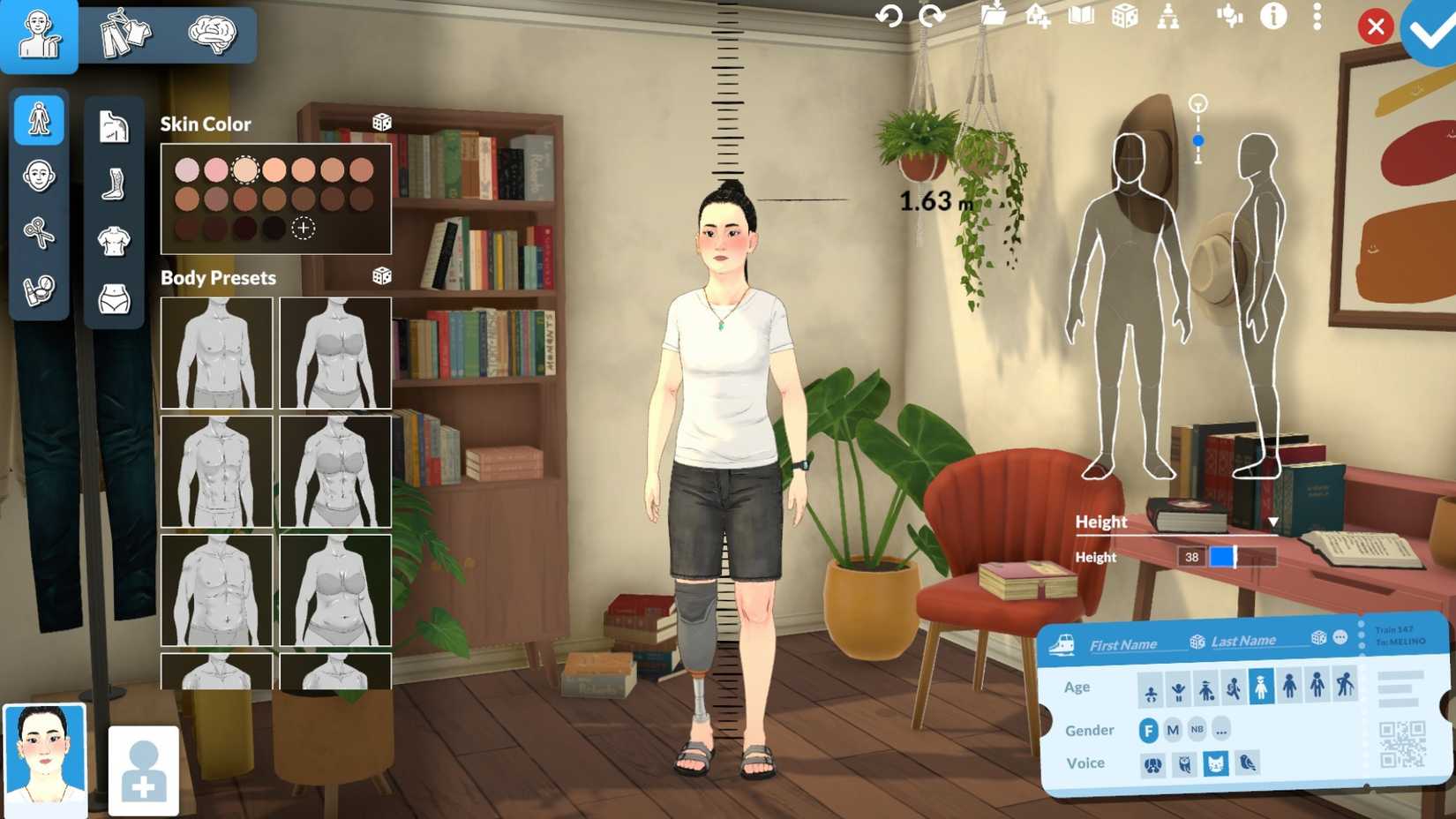
The ability to customize character height has long been a feature absent from most character creation tools, including The Sims 4. This omission is often attributed to the complex animation challenges involved in accounting for every possible height variation. However, Paralives boldly includes a height slider, a feature that significantly enhances player agency and the potential for visual storytelling.
The ability to adjust a character’s height adds a crucial layer of realism and personal connection. It allows players to create avatars that more closely resemble themselves or to craft unique characters with distinct physical presences. The subtle visual storytelling that can be achieved through height differences, whether between children growing up or between characters of varying stature, adds a richness that is difficult to replicate otherwise. Paralives‘ commitment to this feature underscores its dedication to providing players with the tools to create truly unique and relatable virtual lives.
Fans Didn’t Have to Beg and Plead for the Basics: Inclusive Black Hairstyle Options
Representation in video games is a critical conversation, and Paralives has made significant strides in addressing historical oversights. The Sims 4, despite years of updates, has faced criticism for its slow and often inadequate inclusion of Black hairstyles. Many of these styles were only introduced through late-game expansion packs or relied heavily on the modding community for fulfillment.
Paralives, in contrast, has launched with a robust and diverse selection of Black hairstyles, offering a wide range of styles with impressive quality from the outset. This proactive approach demonstrates a commitment to inclusivity that has been lacking in the genre for too long. By providing these essential options from the start, Paralives signals a more evolved understanding of player needs and a dedication to reflecting the diversity of the real world within its virtual environment. This early inclusion sets a new standard for how life simulation games should approach character customization and representation.
A Reflection of Real Life: Comprehensive Disability Representation
The importance of accurate and comprehensive representation extends to disability. While The Sims 4 has made some efforts, such as adding hearing aids and glucose monitors to Create-a-Sim, its approach has been criticized for being reactive and lacking in broader inclusivity, particularly in build mode.
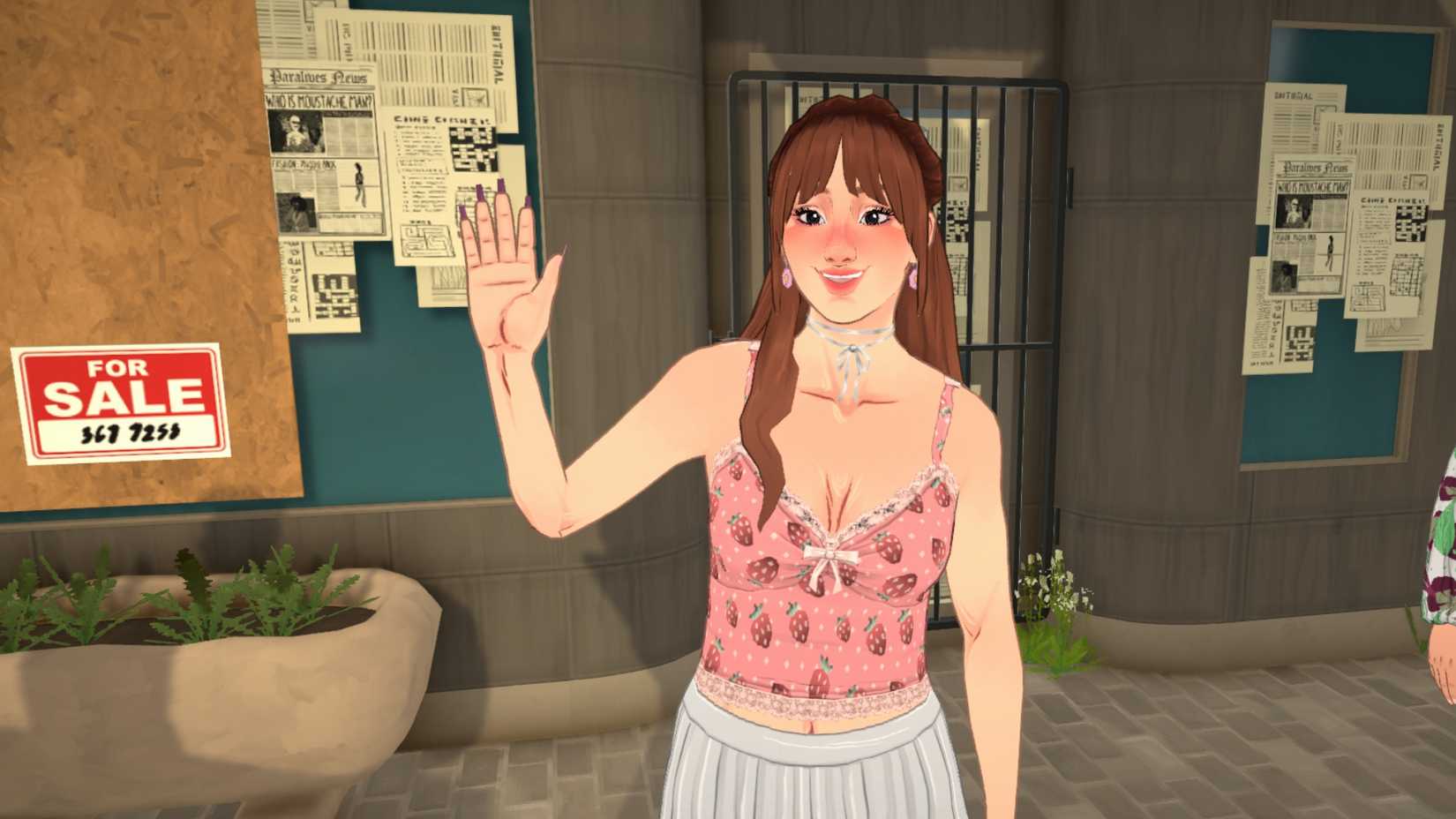
Paralives, however, has prioritized disability representation from its initial design. The game includes a range of mobility aids at launch, such as wheelchairs, canes, and prosthetics, as well as medical items like glucose monitors and asthma inhalers. While some of these items may not yet be fully functional in terms of gameplay, their inclusion in the game’s assets signifies a profound commitment to reflecting the reality of living with a disability. This proactive approach to representation is a significant step forward, demonstrating an understanding that life simulations should aim to mirror the complexities and diversity of the world we inhabit.
No More Fighting with Cheats and Placement: An Emphasis on Clutter
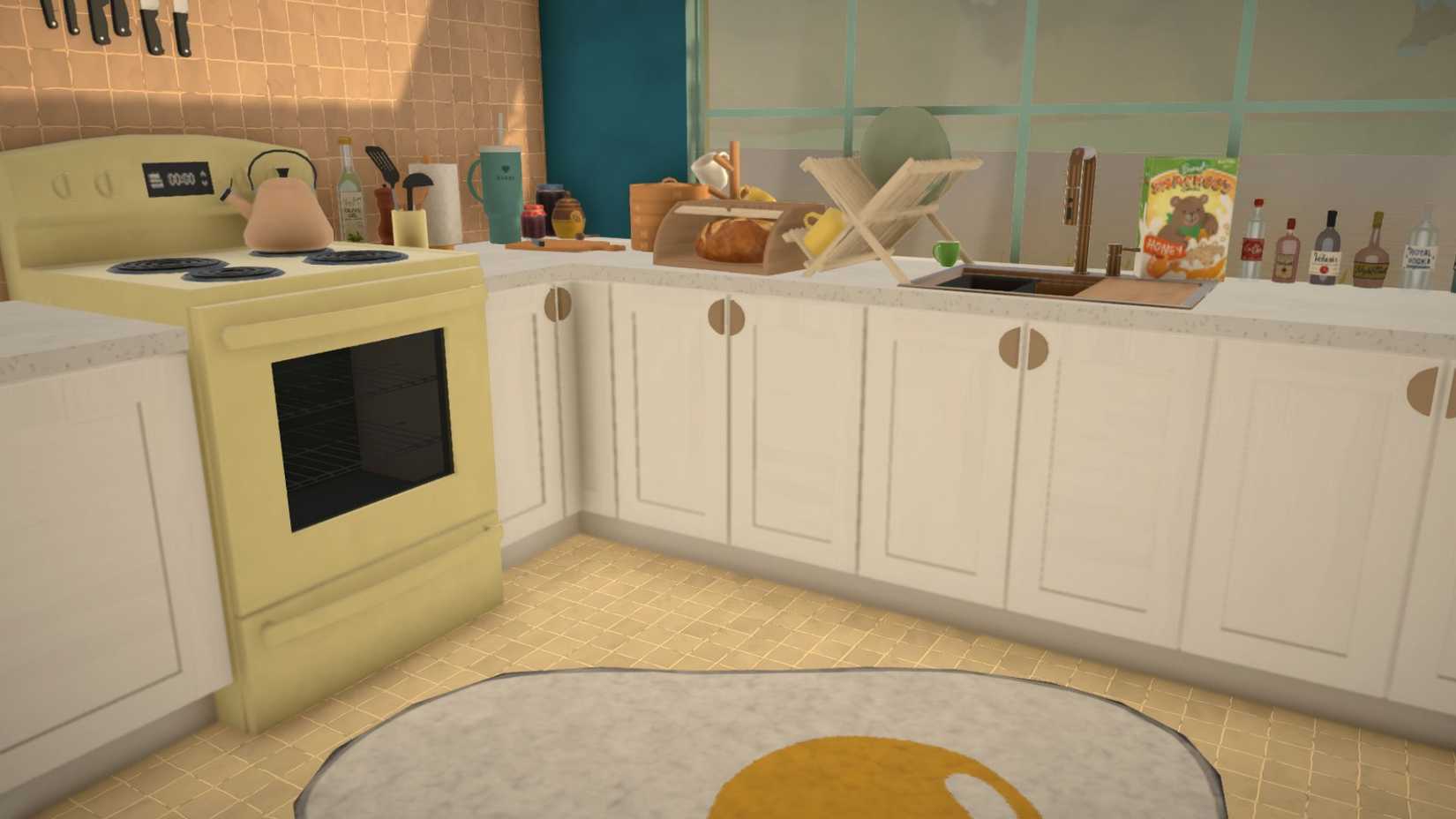
The art of making a virtual home feel lived-in often comes down to the strategic placement of "clutter" – small decorative items that add personality and detail. In The Sims 4, placing clutter effectively can be a frustrating endeavor, often requiring the use of cheats and intricate placement techniques to achieve a natural look. Furthermore, the availability of desirable clutter items has often been scattered across multiple paid DLC packs.
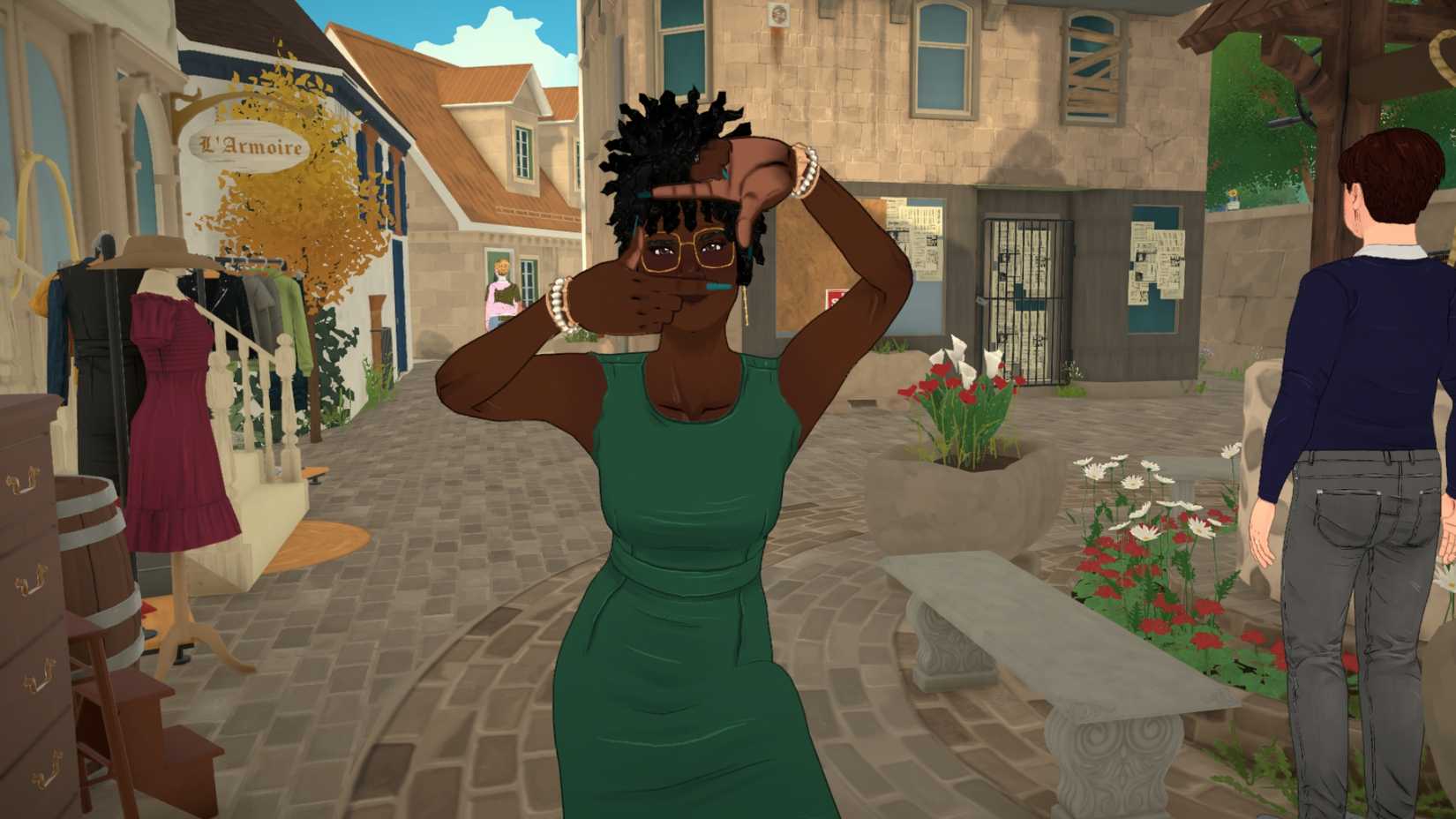
Paralives tackles this challenge head-on by providing a substantial collection of clutter items that can be freely resized and placed anywhere, on any surface, even on top of other objects, without the need for complex cheats. This intuitive approach to clutter placement significantly enhances the building experience, allowing players to focus on the aesthetic and storytelling aspects of their creations. The abundance and flexibility of clutter in Paralives empower players to craft truly unique and immersive living spaces, making their virtual homes feel more authentic and personal.
Each Para Feels Different: Personality Traits Define Gameplay
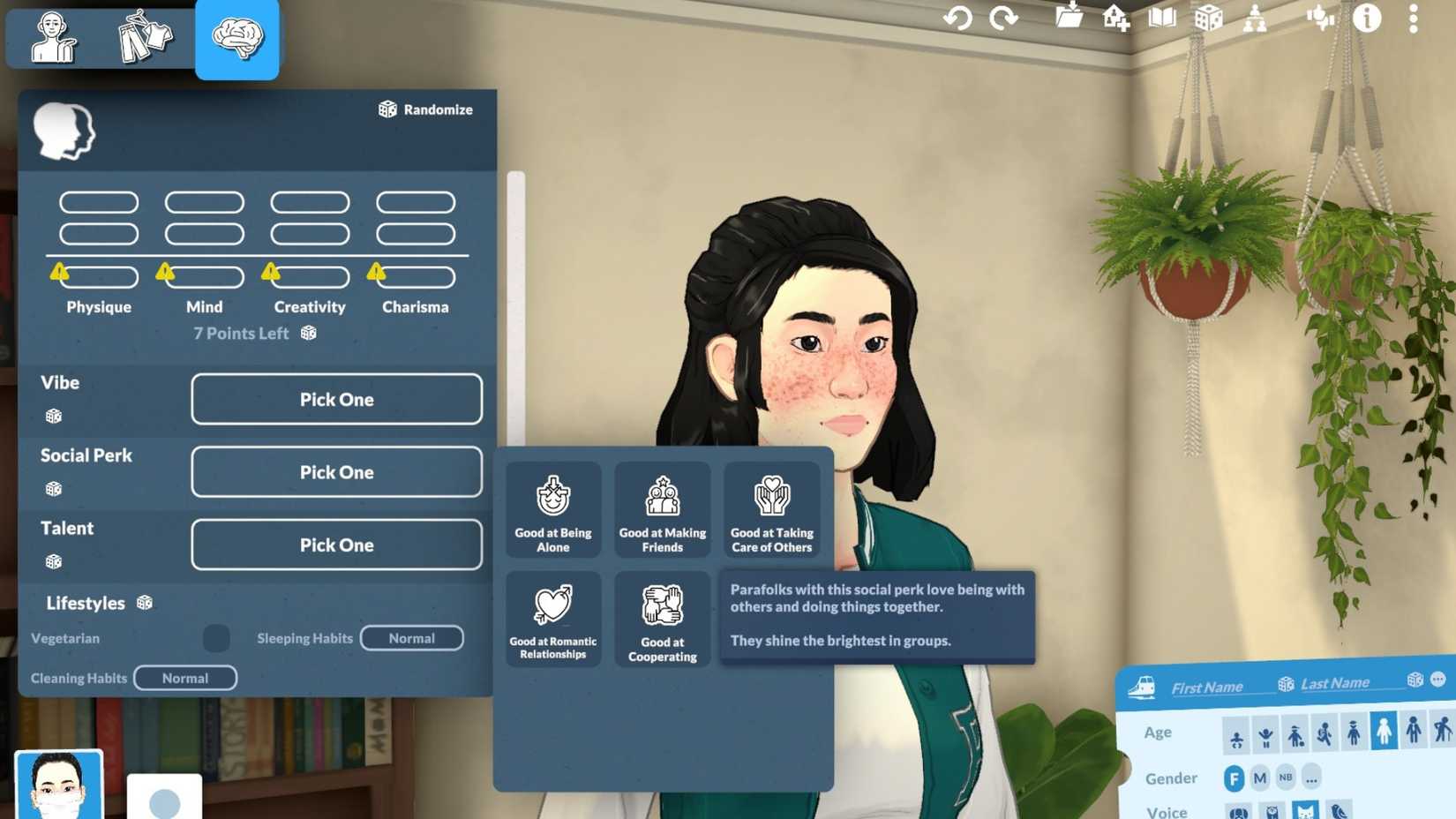
The depth and nuance of character personality are central to the appeal of life simulation games. Paralives distinguishes itself by ensuring that personality traits have a tangible impact on gameplay. Each "Para" can possess multiple traits that influence their demeanor, the available conversation options, their desires, and even their animations.
Different personality types will unlock unique greeting options, and each trait comes with its own set of advantages and disadvantages. A Para who may not excel in any particular skill can still positively influence those around them while developing their own abilities based on their current mood and skill level. This approach ensures that each Para feels distinct and contributes to a more dynamic and unpredictable gameplay experience.
In contrast, The Sims 4’s moodlet system, while intended to add realism, can sometimes feel arbitrary. Moodlets in The Sims 4 can be triggered by seemingly minor events, leading to prolonged states of emotion that don’t always align with the player’s intended narrative. Paralives‘ trait-driven system offers a more grounded and consistent approach to character personality, making each virtual inhabitant feel more individual and impactful.

Experiment with Color and Texture: The Return of the Color Wheel
One of the most lamented changes in The Sims 4 was the removal of the color wheel, a staple feature that allowed for extensive customization of everything from character skin tones to furniture. The replacement with preset swatches significantly limited creative expression, a move that was met with widespread community backlash. While a color wheel was eventually re-introduced for Create-a-Sim, the Build and Buy modes remain largely constrained by pre-defined color options.
Paralives rectifies this oversight by not only bringing back the beloved color wheel but also enhancing it. Players can not only choose any color for an item but also edit its textures. This granular level of control over customization makes The Sims 4 feel dated and restrictive by comparison, especially when some furniture sets in The Sims 4 still suffer from mismatched color swatches. The color wheel in Paralives offers a level of creative freedom that is essential for a modern life simulation game.
Immersion and World Design: A Seamless Living Experience
Unparalleled Immersion and No Load Screens: The Open World
The Sims 3 was lauded for its ambitious open-world design, allowing players to seamlessly navigate between lots without interruption. The Sims 4, however, reverted to a model of enclosed neighborhoods, a decision made to improve performance on lower-end hardware and reduce load screens. Ironically, as The Sims 4 has grown in complexity and content, it has become increasingly burdened by load screens, diminishing the sense of immersion.
Paralives embraces the benefits of an open world, bringing it in line with the standards set by other popular cozy games and life simulators. This open-world design fosters a more cohesive and immersive experience, allowing players to follow their characters across the game’s world map, enter any building, and interact with any NPC. The ability to seamlessly switch between households without the interruption of menus and load screens is a breath of fresh air. This feature not only enhances the feeling of living in a dynamic world but also streamlines gameplay, allowing for a more fluid and engaging experience.
Conclusion: A New Dawn for Life Simulation
For years, The Sims franchise has enjoyed a comfortable monopoly in the life simulation genre. However, the emergence of Paralives signals a potential paradigm shift. By focusing on intuitive design, deep customization, robust representation, and a truly immersive open world, Paralives is not just offering an alternative; it’s setting a new benchmark for what players can expect from the genre. While The Sims 4 has a legacy of innovation and a dedicated fanbase, Paralives demonstrates a clear understanding of modern gaming expectations and delivers features that address long-standing player desires. The competition is now fiercer than ever, and the future of life simulation gaming looks brighter and more diverse thanks to the ambitious vision of Paralives.


 Lina Irawan
 Sagoh
Sagoh