Jia Lissa
The detective genre remains a cornerstone of the television landscape, acting as a perennial favorite for audiences who crave the intellectual stimulation of a "whodunit" paired with the emotional weight of character-driven storytelling. Whether it is the episodic comfort of a weekly procedural or the high-stakes intensity of a serialized crime drama, these shows possess a unique ability to command our attention. They offer a window into the complexities of justice, the sharpness of the human mind, and the enduring struggle between order and chaos.
At their best, detective shows do more than just solve crimes; they anchor themselves in the lives of their protagonists. They invite viewers to inhabit the shoes of the brilliant, the quirky, the cynical, and the determined, creating a connection that makes each case feel personal. As the genre continues to evolve in the mid-2020s, blending classic tropes with modern sensibilities, we look back at the definitive series that have set the bar for the genre.

The Anatomy of the Procedural: A Genre Defined
To understand the enduring popularity of the detective genre, one must look at its core appeal: the synthesis of the "mystery of the week" and the character arc. The procedural format—where a crime is introduced, investigated, and solved within the span of 45 minutes—provides a sense of closure that is rare in the modern era of "binge-watch" culture. However, the most successful shows in this category elevate the format by introducing a "quirky consultant" or an "unlikely partnership."
By placing an outsider—a civilian with a unique perspective or a hyper-specialized expert—into the rigid structure of a police department, writers can highlight the limitations of traditional law enforcement. This friction between the unorthodox methods of the protagonist and the bureaucratic reality of the police creates the perfect engine for narrative drama.

Chronology of Excellence: Notable Series Through the Decades
The history of the detective genre is a timeline of cultural shifts. From the lighthearted "psychic" detective comedies of the mid-2000s to the grittier, high-intellect dramas currently dominating streaming platforms, the evolution of these characters reflects our changing expectations of heroes.
The Rise of the Eccentric Consultant (2004–2014)
- Veronica Mars (2004–2019): Perhaps the quintessential "teen noir," this series pioneered the blend of high school social dynamics with the dark underbelly of a small town. Veronica, a young woman navigating the aftermath of her best friend’s murder, redefined the private investigator archetype.
- Psych (2006–2014): A masterclass in crime-comedy, Psych took the "fake psychic" trope and turned it into a long-running, cult-classic powerhouse. By emphasizing the bromance between Shawn Spencer and Gus, the show proved that humor and mystery are not mutually exclusive.
- Castle (2009–2016): The quintessential "writer-as-consultant" show, Castle thrived on the chemistry between Nathan Fillion’s charmingly narcissistic author and Stana Katic’s grounded, no-nonsense detective. It remains the blueprint for the "will-they-won’t-they" professional dynamic.
Modern Masterpieces (2024–Present)
- High Potential (2024–Present): Based on the French-Belgian hit HPI, this series follows Morgan Gillory, a single mother with an IQ of 160 who works as a night cleaner for the LAPD. By stumbling upon a crime scene and correcting the police’s errors, she is thrust into the role of a consultant. It perfectly captures the modern desire for the "underdog genius" narrative.
- A Man on the Inside (2024–Present): Starring the legendary Ted Danson, this series represents a shift toward more introspective, character-focused mystery. By placing a grieving, retired professor in an undercover role within a retirement community, the show explores themes of aging, loneliness, and the pursuit of purpose, all wrapped in a compelling central mystery.
Supporting Data: What Makes a Series a "10/10"?
What separates a mediocre show from a classic? Analysis of the highest-rated detective shows reveals several consistent factors:
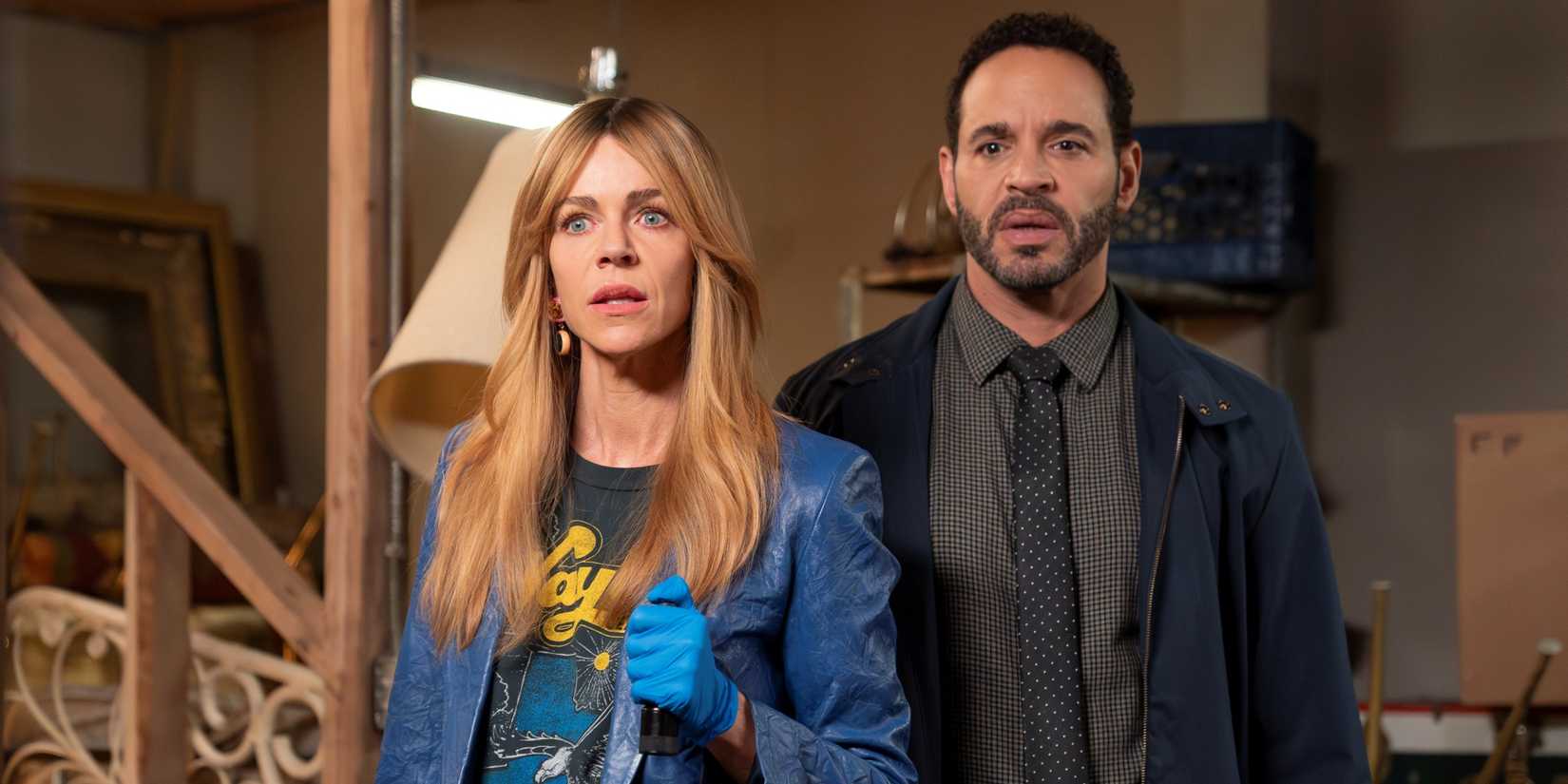
- The "Hook" Mechanism: Every successful show provides a reason for the protagonist to interact with law enforcement. Whether it’s a legal mandate (like in Rizzoli & Isles), an accidental discovery (as in High Potential), or a financial necessity (as in Veronica Mars), the premise must be believable enough to sustain years of storytelling.
- The Partner Dynamic: The best detective shows are, at their heart, buddy comedies or complex romances. The juxtaposition of personalities—the rational vs. the intuitive, the rule-follower vs. the rule-breaker—is the primary engine of character development.
- The Overarching Mystery: While procedurals are episodic, the modern viewer demands an "A-plot" that stretches across a season or an entire series. Whether it’s the mystery of a missing parent or a cold case from the protagonist’s past, a long-term goal keeps the audience invested beyond the individual episodes.
Official Responses and Creative Direction
Showrunners in the detective genre often cite the challenge of "reinventing the wheel." In interviews, creators like those behind High Potential and A Man on the Inside emphasize that they aren’t trying to change the rules of the genre, but rather deepen the emotional stakes.
"The case is the delivery system for the character’s growth," says one executive producer. "If the audience doesn’t care about the detective’s personal life, the mystery is just a logic puzzle. We aim for the heart first and the brain second." This philosophy has led to a trend of "dramedies" where the investigation serves as a catalyst for the protagonist to find community, heal trauma, or reconcile with their past.

Implications: The Future of the Detective Genre
The success of these series suggests that audiences are not growing tired of the detective genre; they are simply becoming more selective about the tone. The shift away from purely clinical, cold procedurals toward warmer, more character-centric stories is a direct response to a cultural climate that values empathy and connection.
Furthermore, the globalization of these stories—as seen with the success of the French adaptation High Potential—indicates that the "detective" is a universal archetype. Crime-solving logic is a common language. As we look toward the future, we can expect to see more international collaborations, more diverse representation in the "consultant" role, and a continued emphasis on mental health and emotional intelligence as the primary tools of the trade.

In conclusion, whether you are following a genius cleaner in Los Angeles or a grieving widower in a retirement home, the detective show remains an essential part of the television diet. It offers us a mirror to our own curiosity and a reassuring reminder that, even in a world filled with chaos, there are still people—flawed, brilliant, and persistent—willing to search for the truth.
Quick Reference: Must-Watch Detective Shows
| Series | Lead Archetype | Tone | Primary Appeal |
|---|---|---|---|
| High Potential | The Genius Outsider | Energetic/Fast-paced | High-stakes logic puzzles |
| A Man on the Inside | The Unlikely Spy | Heartwarming/Funny | Character depth and emotion |
| Rizzoli & Isles | The Forensic Duo | Gritty/Dark | Professional/Personal bond |
| Veronica Mars | The Teen Sleuth | Noir/Cynical | Smart dialogue and mystery |
| Psych | The "Psychic" | Comedic | Bromance and humor |
| Castle | The Famous Author | Playful/Suspenseful | Romantic tension |
As the landscape of television continues to expand, these detective dramas will undoubtedly serve as the foundation upon which future storytellers build, ensuring that the mystery remains one of the most compelling reasons to turn on the screen.


 Asro
Asro
 Basiran