Basiran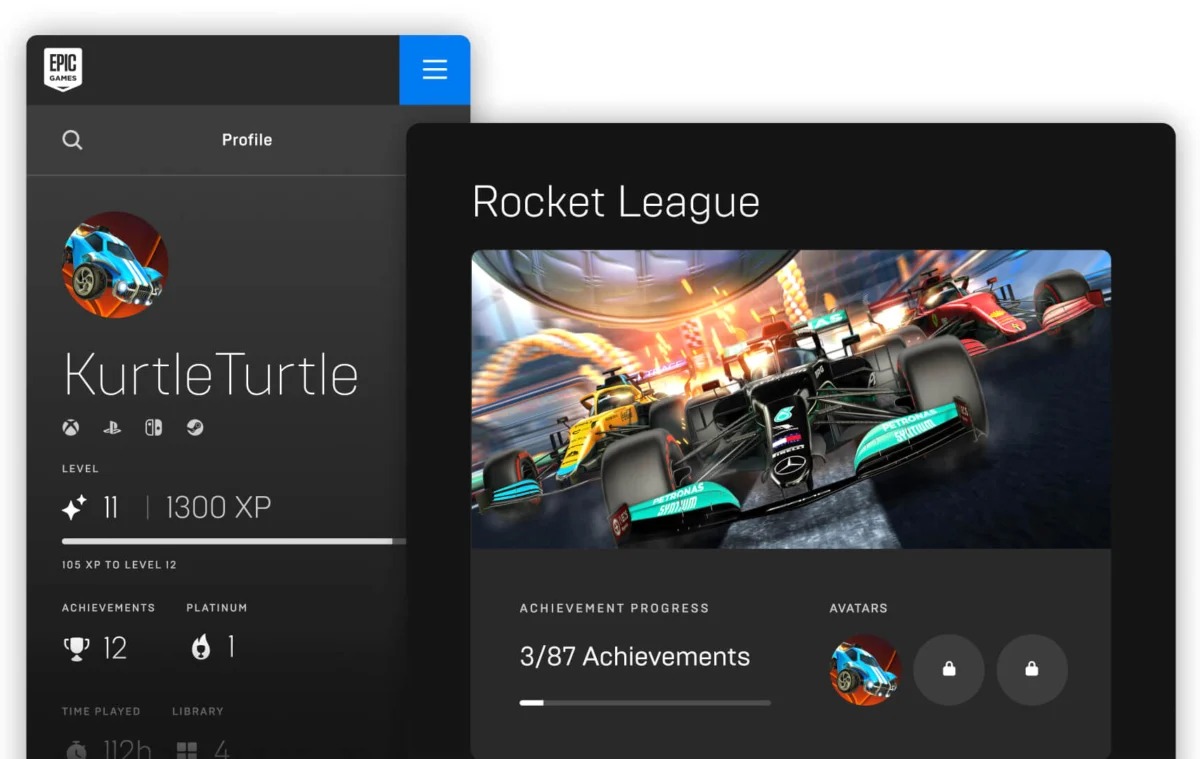
For PC enthusiasts, the act of assembling a custom machine is often more than a chore; it is a ritualistic pursuit of performance, aesthetics, and technical satisfaction. However, in an era defined by volatile component availability and soaring hardware prices, the ability to experiment with high-end builds has become a luxury few can afford. Fortunately, the Epic Games Store (EGS) is providing a digital sanctuary for those looking to scratch that itch without draining their bank accounts.
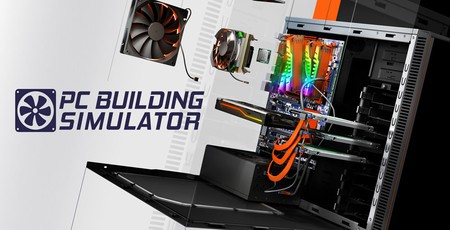
In a significant move for the gaming community, the EGS has made PC Building Simulator available as a free download, providing a comprehensive, risk-free environment for users to test their engineering mettle. Beyond this giveaway, Epic is simultaneously rolling out a long-awaited infrastructure update, marking a pivotal shift in how the platform rewards player engagement.
The Virtual Workbench: PC Building Simulator Goes Free
Main Facts and Value Proposition
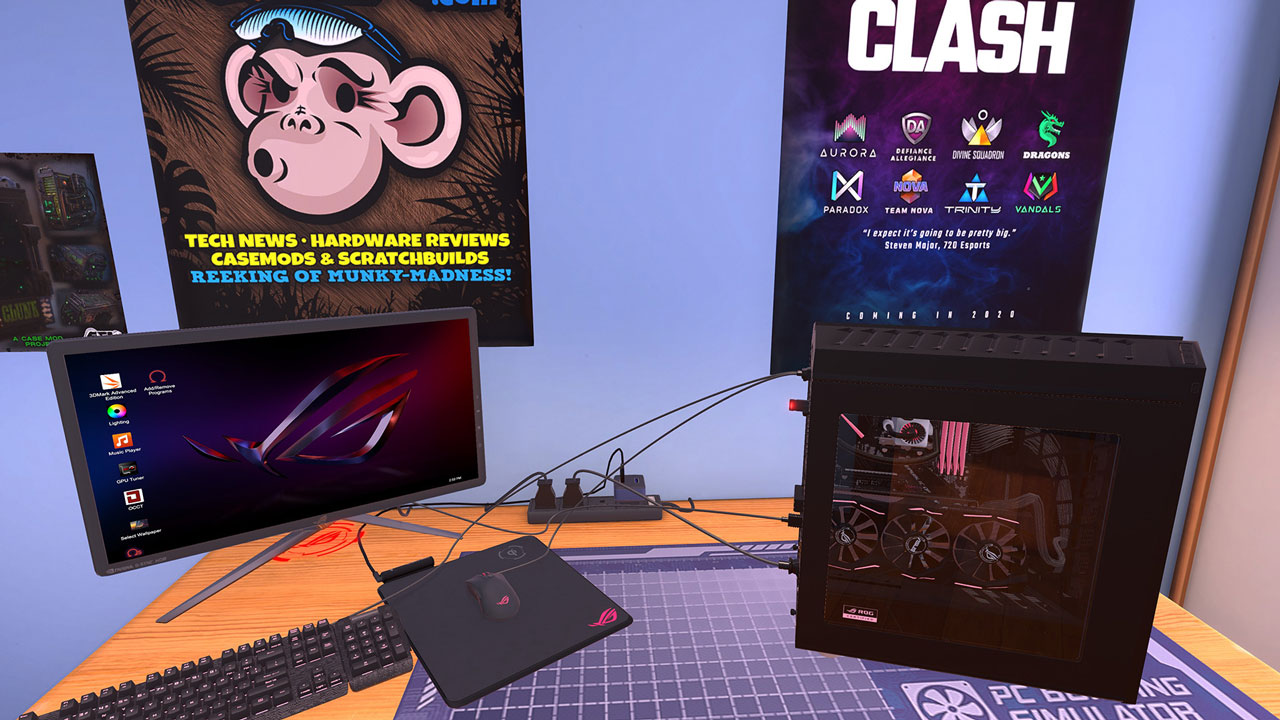
For a limited time, users can secure PC Building Simulator—a title that typically retails for £14.99 on competing platforms like Steam—at no cost. This giveaway offers a rare opportunity for hobbyists to explore the nuances of PC hardware assembly within a meticulously crafted simulation environment. Since its initial release in 2018, the game has evolved from a niche curiosity into a robust simulation tool that mirrors the complexities of modern PC construction.
The software features an expansive library of licensed components from major industry manufacturers, allowing players to experiment with motherboards, GPUs, cooling solutions, and chassis designs that would cost thousands of dollars in the real world. By eliminating the financial stakes of accidental static discharge or bent CPU pins, the game serves as an invaluable sandbox for both novices learning the ropes and veterans looking to plan their next upgrade path.
Chronology and Gameplay Mechanics
Since its debut, PC Building Simulator has undergone significant refinement. The developers have moved beyond simple assembly, introducing a sophisticated career mode that introduces the economic realities of the industry. Players are tasked with managing a repair shop, where they must balance client demands, hardware budgets, labor costs, and long-term profitability.
The simulation’s realism is further enhanced by:
- Benchmarking Tools: Players can stress-test their virtual rigs using integrated software, including industry-standard benchmarks like 3DMark.
- Overclocking: The game allows for deep-dive experimentation with BIOS settings, voltages, and thermal management, teaching users how to push hardware to its absolute limit safely.
- Professional DLC: The title has expanded its scope through various content packs, including an eSports expansion where players take on the role of a high-pressure team technician, managing hardware requirements for competitive gaming environments.
This promotion is active until October 14th. Given the game’s depth and the current climate of hardware scarcity, this is perhaps the most timely giveaway the Epic Games Store has facilitated to date.
The Infrastructure Shift: Epic Games Achievements
The Evolution of the Epic Games Store
While the free game grab has dominated headlines, a more foundational change is occurring behind the scenes. Epic Games has officially announced the rollout of a long-requested "Epic Games Achievements" system. For years, the absence of a unified meta-progression system was cited as one of the primary weaknesses of the EGS compared to platforms like Steam or GOG Galaxy.
Epic is positioning this system as a "quick and easy" implementation for developers, utilizing a simplified API that allows studios to integrate progression tracking into their titles with minimal friction. The system is designed to reward players with XP, fostering a sense of accomplishment and progression that has been noticeably absent from the store’s ecosystem until now.
Supporting Data: The First Wave of Titles
The rollout is not a phased, slow-burn release; instead, Epic is hitting the ground running with a strong list of high-profile titles. Starting immediately, the achievements system will support:
- Rocket League
- Hades
- Pillars of Eternity
- Kena: Bridge of Spirits
- Zombie Army 4: Dead War
- Alan Wake Remastered
Epic has indicated that widespread adoption is expected "later this year," with a target of bringing the achievement system to the vast majority of the store’s library within the next two fiscal quarters.
Implications of the New Achievement Ecosystem
Social Tracking and Player Retention
To complement the technical rollout, Epic has unveiled a dedicated "Achievements Detail" page. This hub allows users to monitor their progress, view earned badges, and compare their performance against community standards.
The implications for player retention are clear. By introducing social currency and measurable progress, Epic is attempting to transition the store from a simple storefront into a community-centric platform. For many players, the "completionist" aspect of gaming—the drive to collect all achievements—is a primary motivator for repeat play. By aligning its infrastructure with industry standards, Epic is effectively removing a major barrier to entry for competitive and achievement-oriented gamers who previously hesitated to purchase titles on the EGS.
Developer Relations and Platform Parity
From a developer perspective, the new system is designed to be developer-friendly. Epic’s documentation emphasizes that the burden of implementation is low, which is a strategic move to encourage smaller, independent studios to adopt the feature. If developers can port their achievements from other platforms to the EGS with minimal code modification, the ecosystem will reach feature parity much faster than anticipated.
Strategic Analysis: Where Does Epic Go From Here?
The "Freebie" Marketing Strategy
The decision to give away PC Building Simulator is a calculated maneuver in Epic’s ongoing "user acquisition" strategy. By providing high-quality software for free, the store creates a "sticky" user base. Once a user has a library of high-quality titles accumulated through weekly giveaways, they are statistically more likely to return to the store for future paid purchases. This strategy has allowed Epic to rapidly gain market share in a space historically dominated by Valve’s Steam.
Balancing Simplicity and Depth
The dual focus on simulation gaming and platform infrastructure suggests that Epic is attempting to cater to two distinct segments of the PC market. On one hand, they are targeting the "enthusiast" crowd—users who care about hardware, benchmarking, and the technical side of gaming. On the other, they are targeting the "collector" crowd—users who value achievements, social integration, and a polished user profile.
The challenge moving forward will be maintaining this momentum. As the EGS continues to grow, the infrastructure must remain stable. The transition to a feature-rich platform requires significant maintenance, and the upcoming rollout of the achievement system will be the first true test of the platform’s scalability.
Conclusion: A Turning Point for the Epic Games Store
The intersection of PC Building Simulator—a game that celebrates the very hardware that powers our hobby—and the launch of the Epic Games Achievements system marks a turning point for the Epic Games Store.
For the end-user, the benefits are twofold. First, they gain access to a high-fidelity simulation experience that serves as a perfect escape from the reality of inflated GPU prices. Second, they gain a more robust, rewarding platform experience that finally honors their time and effort through a structured achievement system.
As we look toward the remainder of the year, it is clear that Epic is no longer content with simply being a place to buy games. By building a community-focused, feature-rich environment, they are attempting to define the next generation of PC gaming distribution. Whether these additions will be enough to challenge the entrenched dominance of existing platforms remains to be seen, but for the millions of users currently claiming their free copy of PC Building Simulator, the value proposition has never been clearer.
Users are encouraged to log in to the Epic Games Store, add the simulator to their libraries, and familiarize themselves with the new achievement tracking features before the current promotion concludes on October 14th. In a market often defined by cost and competition, these initiatives represent a rare moment where the platform—and its users—both come out ahead.

 Jia Lissa
 Lina Hope