

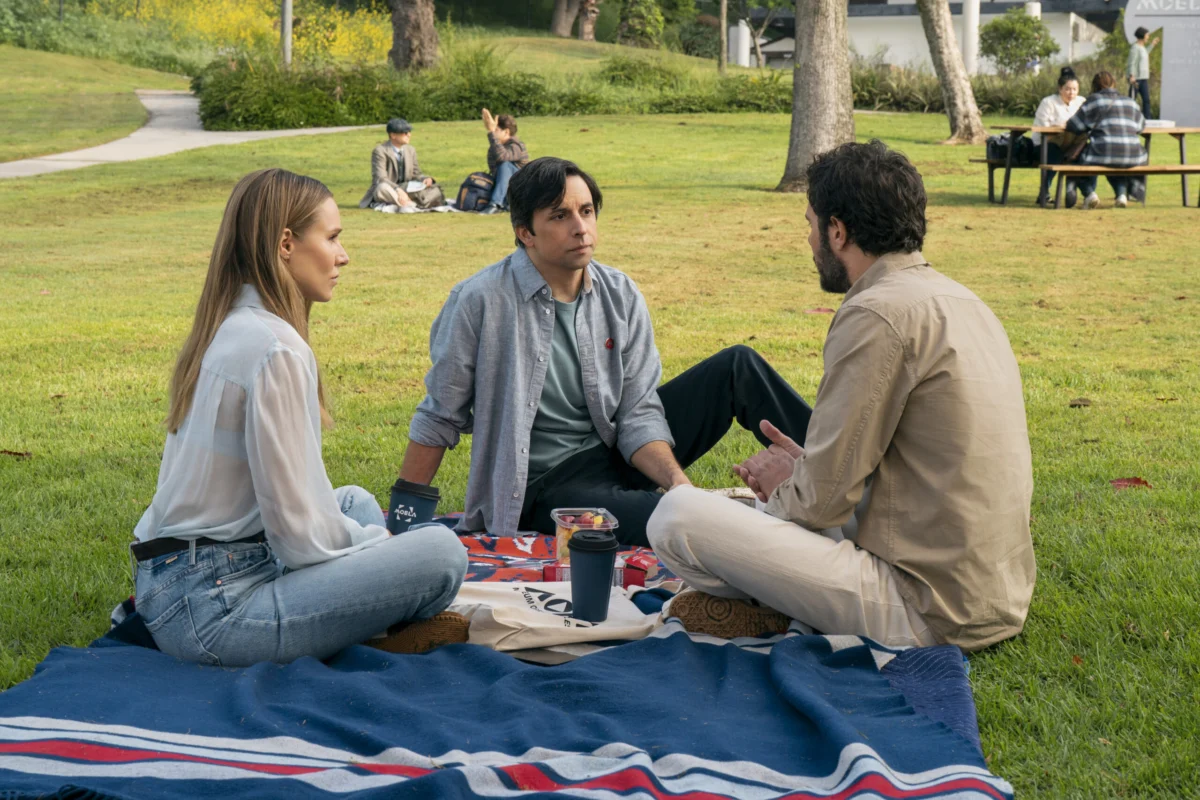
When the Emmy-nominated Netflix hit Nobody Wants This returned for its highly anticipated second season, creator Erin Foster had one primary directive for her music supervisors: amplify the electricity. The collaboration between Foster and the seasoned Aperture Music trio—Manish Raval, Tom Wolfe, and Jonathan Leahy—was born from a brevity that belies the immense complexity of their task.
What began as a four-minute Zoom call to discuss the show’s musical trajectory evolved into a sophisticated, multi-layered operation. "We loved the music on Season 1, did you like it?" Raval recalls asking. Foster’s affirmative response set the stage. The team decided not just to repeat the formula but to give it a "steroid boost." The result? A meticulously curated, industry-leading soundtrack released via Interscope Records that acts as an emotional backbone for the stormy, heartfelt romance between Kristen Bell’s Joanne and Adam Brody’s Rabbi Noah.
The Art of the "Needle Drop": A Chronology of Collaboration
The process of building a sonic identity for a television series is rarely linear, but for the Aperture team, it is defined by a deep, symbiotic relationship with the narrative. The trio, who have collectively worked on over four dozen projects including Platonic, This Is Us, and Green Book, do not view music as mere background filler. Instead, they view it as a primary character.
The journey for Season 2 began with the team reaching out to their extensive network of record labels, managers, and independent artists to solicit unreleased material. They didn’t want off-the-shelf hits; they wanted music that felt as raw and unpredictable as the characters themselves.

The strategy was tested immediately in the season’s final episode. As Joanne and Noah navigate the aftermath of the emotional turmoil of Episode 9—the series’ lowest point—the team needed a sonic bridge to reset the audience’s energy. They turned to Selena Gomez’s dance-floor-ready track "In the Dark."
"We knew our characters were coming out of the disastrous Episode 9," Raval explains. "We needed to start Episode 10 with something that would snap us out of that and flip the script. We used the energy of Selena’s song to propel the momentum."
Curating the Soundscape: From Legends to Discoveries
The soundtrack for Season 2 is a study in contrasts, blending established heavyweights with rising stars. The creative process often involved a "mix-and-match" methodology, utilizing digital editing software to overlay tracks across different episodes until the resonance felt perfect.
The Heavy Hitters
The inclusion of high-profile artists serves to ground the series in the current cultural zeitgeist while providing the necessary emotional weight.

- Chris Stapleton: His sparse, acoustic "Heart Letting Go" provides the haunting backdrop for the emotional fallout in Episode 9.
- Kacey Musgraves: Her brooding track "If the World Burns Down" highlights the complex, often fraught sisterly dynamic between Joanne and Morgan (Justine Lupe).
- Ariana Grande: The inclusion of the sassy, rhythmic "7 Rings" provided the perfect comedic counterpoint to the awkward, endearing dance moves of Noah’s brother, Sasha (Timothy Simons).
Finding the "Gold"
While the big names provide the recognizable hooks, the team prides itself on discovering new talent through intuition and industry connections. A prime example is the anthemic "Bite My Tongue" by Cassandra Coleman.
The song was acquired through a serendipitous text message from a manager friend at the exact moment the team was struggling to find the "quintessential running-back-to-each-other’s-arms" moment for the season finale. "It was like, ‘This is the song we need for the moment in the show that I’m looking at right now!’" says Raval.
The Alchemy of Production: Shaping the Sound
One of the most fascinating aspects of the Aperture trio’s process is their hands-on approach to song development. They don’t just license tracks; they facilitate the creation of them.
When the demo for "Melodies"—a collaboration between songwriter Savan Kotecha and Lewis Capaldi—landed in their lap, they recognized it immediately as a "gut-punch" track. The song was slated for the most painful moment of the season: the breakup scene where Joanne expects a reconciliation but receives a rejection.

Because Capaldi wanted the song recorded by a fresh voice, the team tapped into their Interscope connection, who suggested Dermot Kennedy. The result was a haunting, definitive performance that elevated the scene from a standard television breakup to an iconic moment of narrative heartbreak.
Philosophical Pillars: Why Less is More
When asked about their approach to lyrics and narrative, the trio offers a refreshing, non-literal perspective. They actively avoid songs that serve as "on-the-nose" exposition.
"We never need the lyric to say what’s happening in the scene," Raval notes. "Everyone has eyes; they can see what’s happening. We shy away from being too literal, unless it’s a joke song and we’re playing it for comedy."
This philosophy extends to how they solicit music from artists. Unlike many music supervisors who provide strict, scene-specific briefs, the Aperture team gives artists creative freedom. "We steadfastly say ‘No’ to writing to a specific scene," says Raval. "Just make a great song, and we’ll find a place for it."

This approach allows the music to exist independently, which in turn allows the audience to project their own meanings onto the music—a phenomenon the team finds fascinating.
Professional Backgrounds: The Road to Aperture
The success of the Aperture team is rooted in their diverse backgrounds and their long-standing friendship. Manish Raval, a former rock drummer, and Tom Wolfe, who once managed the renowned L.A. arthouse theater, The Aero, formed their partnership 28 years ago. Jonathan Leahy, who describes his past life as playing guitar in "a million bands you’ve never heard of," joined them in 2013 during the production of Girls.
"Being essentially the musician friends of filmmakers is kind of how we all got into the business," Leahy explains. Their transition from the stage and theater management to music supervision was organic, fueled by a shared desire to bridge the gap between creative musical vision and cinematic storytelling.
Implications for the Industry
The success of Nobody Wants This and its soundtrack highlights a shifting trend in television production: the "soundtrack-first" or "soundtrack-integrated" model. By working closely with music managers like Simon Tikhman, the team ensures that the music serves not just as a background element, but as a marketing tool and an emotional anchor for the audience.

In an era where streaming platforms are constantly looking for ways to extend the life of their content, a curated, high-quality soundtrack serves as a powerful bridge. Listeners who find a song in an episode are driven to Spotify and Apple Music, creating a feedback loop that keeps the show in the cultural conversation long after the credits roll.
Conclusion: The "Alchemy" of the Perfect Needle Drop
Ultimately, the trio’s process comes down to what Leahy calls "alchemy." It is the intangible, often unquantifiable magic that occurs when a specific frequency, a particular lyric, and a precise visual cut align.
"It’s fun trading playlists," Leahy concludes, "but nothing compares to listening to a song while you’re watching picture. That’s when you know if it works or not." With 70 tracks selected for this season and thousands of cues in their collective history, the Aperture team has proven that in the marriage of sound and vision, the most powerful moments are the ones that resonate long after the music stops.











No comments yet. Be the first to join the conversation!