Neng Nana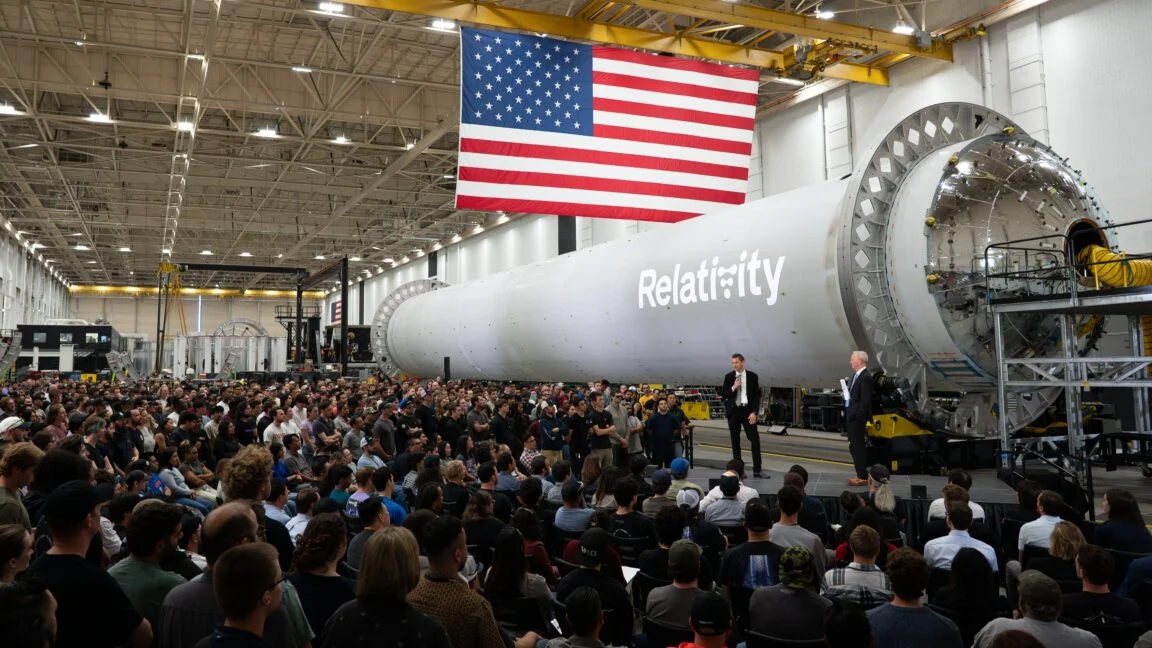
The global aerospace landscape is currently defined by a delicate balance between rapid innovation and the sobering realities of physical engineering. As private and national entities push the boundaries of what is possible in low-Earth orbit (LEO) and beyond, the industry is witnessing a series of high-stakes tests, regulatory hurdles, and strategic pivots. From the reconstruction of launch pads in Florida to the daring rescue of aging scientific assets in orbit, the following report captures the pulse of the space sector as of late June 2026.
Main Facts: The State of the Industry
This week, the aerospace sector remains focused on three primary narratives: the return-to-flight efforts of major launch providers, the growing congestion of LEO, and the pivot toward deep-space science by private startups.
Most notably, Blue Origin has begun the arduous task of rebuilding its Launch Complex 36 in Florida following the catastrophic explosion of a New Glenn rocket last month. Meanwhile, in Europe, Latitude has quietly scrubbed the "Zephyr" branding from its upcoming launch vehicle, likely to avoid legal entanglement with an existing Airbus trademark. In the realm of orbital operations, Japan’s H3 rocket has successfully returned to service, while concerns mount regarding the safety of LEO following the fragmentation of a Chinese Zhuque-2E upper stage.
Chronology: A Busy Calendar of Events
The past few weeks have been marked by a flurry of activity across the globe:
- June 9: A Chinese Zhuque-2E rocket reaches orbit, but its upper stage experiences a critical failure shortly thereafter, creating a cloud of debris that poses risks to nearby satellites.
- June 12: Japan’s JAXA successfully launches the H3-30S rocket, marking a significant milestone for the program following a December failure.
- June 16: Space Launch Delta 45 announces plans for "Launch Complex 51" at Cape Canaveral to accommodate future military and government needs.
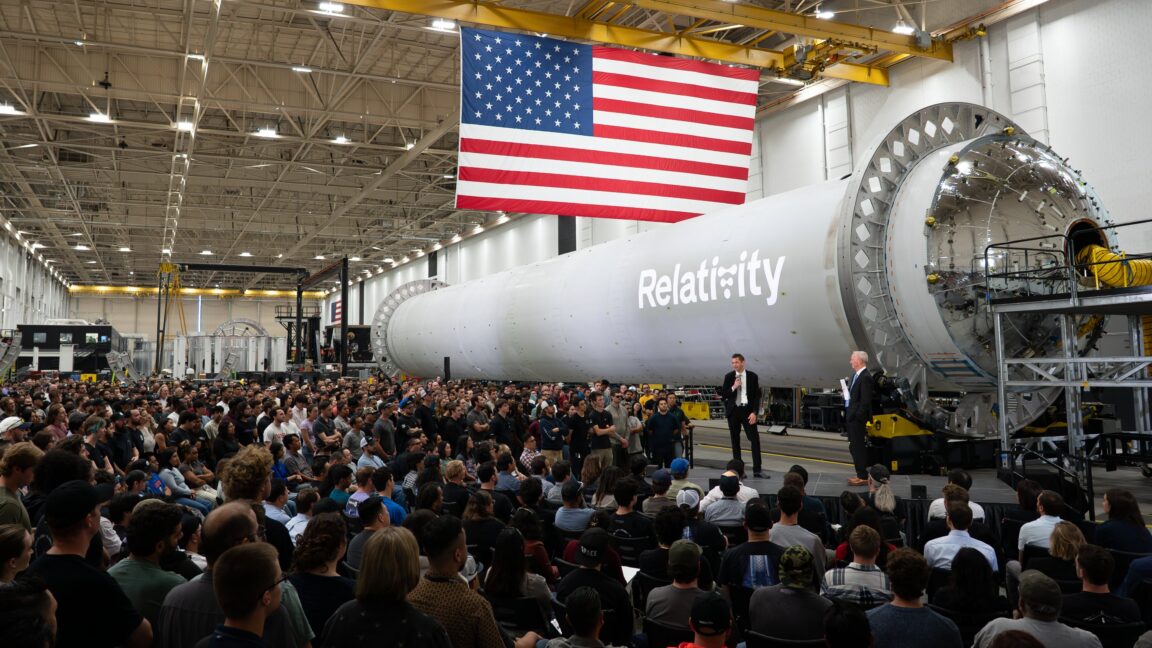
- June 17: Relativity Space announces its new Interplanetary Sciences Program, with an ambitious Mars orbiter mission slated for 2028.
- June 18: Arianespace conducts its third mission for Amazon’s Project Kuiper, utilizing the upgraded Ariane 64 to loft a record-breaking payload of satellites.
Supporting Data: Infrastructure and Capability
The infrastructure of spaceflight is undergoing a massive transformation. The proposed creation of Launch Complex 51 at Cape Canaveral highlights a strategic shift; as commercial traffic increases, the military is seeking to decouple its own sensitive missions from the explosive clear zones of commercial giants like Blue Origin.
The recent fragmentation of the Zhuque-2E upper stage provides a stark data point for orbital sustainability. US Space Force tracking indicates at least 51 distinct pieces of debris from the event, with analysts from LeoLabs estimating that the total count could eventually reach 150. While atmospheric drag is expected to clear this debris within a year, the proximity of the event to the International Space Station and the Starlink constellation serves as a sobering reminder of the "Kessler Syndrome" risks associated with high-cadence launch operations.

Conversely, the success of the H3-30S demonstrates the efficacy of iterative design. By removing solid rocket boosters and adding a third hydrogen-fueled engine to the core, JAXA has successfully optimized the vehicle for medium-class payloads, providing a more cost-effective alternative to its heavier, more complex counterparts.
Official Responses and Strategic Pivots
Latitude’s Rebranding
The French startup Latitude has effectively removed the "Zephyr" name from its corporate identity. While the company has remained tight-lipped regarding the specific catalyst for this decision, industry observers point to the European Union Intellectual Property Office (EUIPO) records. Airbus subsidiary AALTO holds a robust trademark on "Zephyr" for its high-altitude solar aircraft. For a startup looking to secure long-term investment, the risk of a potential injunction is simply too high. The vehicle, now referred to as "Our Launcher," remains on schedule for its inaugural flight in late 2027.
Relativity Space’s Mars Ambitions
Under the leadership of former Google CEO Eric Schmidt, Relativity Space is aggressively diversifying its portfolio. The announcement of the Interplanetary Sciences Program marks a pivot from purely launch-centric operations toward end-to-end mission development. The planned 2028 Mars orbiter mission, which will feature instrumentation from NASA’s Ames Research Center, is a signal that Relativity intends to compete not just for the launch contract, but for the mission architecture itself. However, skepticism remains; the company’s previous partnership with Impulse Space for a 2026 Mars lander has seen little public progress, leading some analysts to wait for concrete hardware milestones before declaring the 2028 timeline feasible.

Blue Origin’s Resilience
Following the New Glenn explosion, Blue Origin executives Jeff Bezos and Dave Limp have projected an air of unflappable confidence. During the VivaTech conference, Limp confirmed that Launch Complex 36 has been cleared of debris and reconstruction is underway. Their goal—to fly again before the end of 2026—is a tall order that, if met, would silence critics who argue the company’s timeline is overly optimistic.
Implications: The Future of LEO and Deep Space
The "Satellite Rescue" Paradigm
The mission to save the NASA Swift observatory by Katalyst Space Technologies represents a fundamental shift in how the agency views asset longevity. By commissioning a "Link" reboost satellite in under a year, NASA has proven that the industry can respond to critical failures with agility that was previously considered impossible. If the upcoming mission succeeds, it will likely establish a new market for commercial satellite servicing and de-orbiting services.
Amazon’s Launch Bottleneck
Amazon’s situation with its Kuiper constellation highlights the fragility of the "launch-dependent" business model. With hundreds of satellites sitting in Florida, waiting for a ride to orbit, the company is acutely feeling the effects of the current launch market’s capacity limits. While the Ariane 64 is proving its worth as a reliable partner, the retirement of the Atlas V and the grounding of the New Glenn leave a significant gap in Amazon’s deployment schedule. The company’s ability to maintain its regulatory requirements for constellation deployment depends entirely on the return-to-flight success of its launch partners.

The Starship Update
While not the primary focus of this report, SpaceX’s progress toward "Flight 13" remains the industry’s north star. Gwynne Shotwell’s recent comments to CNBC indicate a shift toward stability; the company is focusing on perfecting the suborbital flight path and the Indian Ocean splashdown before attempting an orbital flight. The lessons learned from the failed engine restart in the previous mission are being integrated into the current stack, suggesting that SpaceX is prioritizing technical reliability over the rapid, albeit high-risk, cadence that defined the early days of the Starship program.
Conclusion: A Industry in Transition
The current state of the aerospace industry is one of intense maturation. We have moved beyond the "hype cycle" of the early 2010s, where success was measured by the mere act of leaving the atmosphere. Today, the bar has been raised significantly. Success is now defined by the ability to manage complex orbital logistics, navigate intricate regulatory and trademark environments, and recover from the inevitable, albeit public, failures of heavy-lift development.
As we look toward the next three launches on the calendar—ranging from routine Starlink missions to the demonstration of new, experimental technologies—it is clear that the sector is entering a period of consolidation. The companies that can effectively marry the ambition of deep-space exploration with the rigorous discipline of industrial-scale production will emerge as the architects of the next era of human spaceflight. For now, the world watches as pads are rebuilt, rockets are renamed, and satellites are salvaged, all in the collective pursuit of an accessible, sustainable, and increasingly busy orbital frontier.


 Suro Senen
 Ali Ikhwan