Pevita Pearce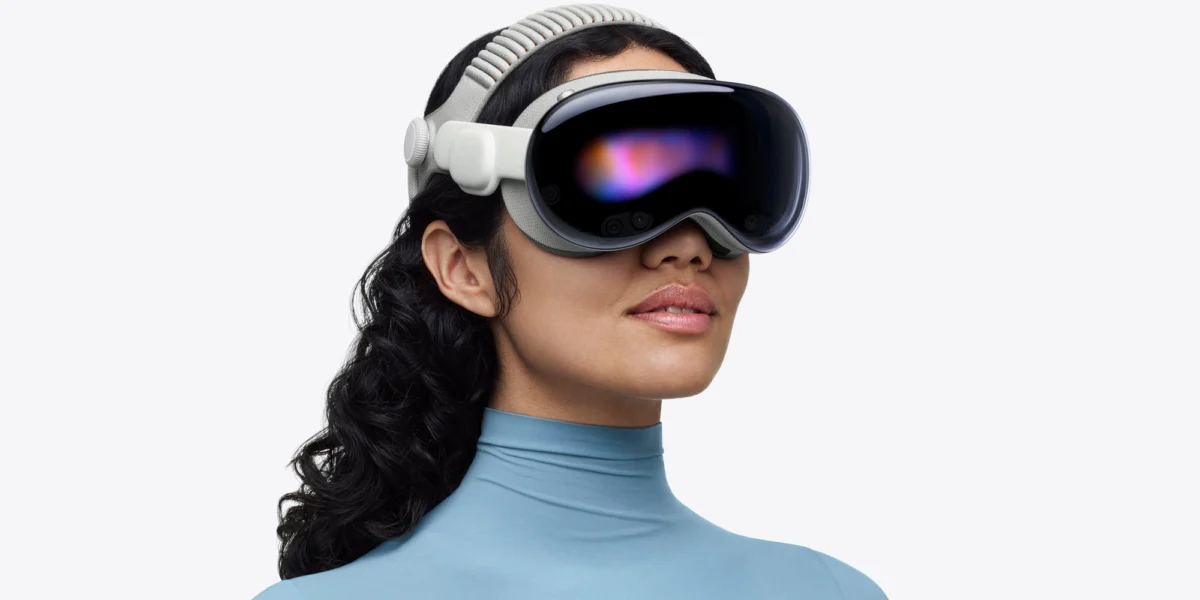
The arrival of visionOS 27 marks a pivotal moment for Apple’s spatial computing platform. As the ecosystem matures, Apple has introduced a suite of transformative updates designed to integrate artificial intelligence deeply into the user experience. While the update will be available to all Vision Pro owners this fall, a clear divide has emerged between those using the original M2-powered headset and those who have upgraded to the newer M5 models. As it turns out, the M2 architecture—a chip that was once the gold standard for portable performance—is finally hitting a wall.
Main Facts: The Great Feature Divide
At the core of the visionOS 27 announcement is a massive overhaul of Siri, now rebranded and re-engineered as "Siri AI." For the vast majority of users, this transition will be a seamless, highly anticipated improvement. Users can expect enhanced natural language processing, a more intuitive interface, and the ability to convert flat panoramas into fully immersive spatial environments.
However, the headline feature—Siri voice customization—remains strictly off-limits for the original Vision Pro. This feature, which allows users to granularly control the expressivity, cadence, and tone of the AI’s voice, is powered exclusively by Apple’s "AFM 3 Core Advanced" model. Because this model requires significant neural processing overhead, it is restricted to the M5 hardware. Consequently, owners of the original M2 headset will find themselves with a "standard" version of the new Siri, lacking the personalized flair that defines the next generation of Apple Intelligence.

Chronology: A Short Lifespan for Cutting-Edge Hardware
To understand why this gap exists, one must look at the rapid acceleration of Apple’s silicon development cycle.
- February 2024: Apple launches the original Vision Pro, powered by the M2 chip and the dedicated R1 co-processor. At the time, it was hailed as a technological marvel capable of handling the most complex spatial computing tasks imaginable.
- October 2025: Apple introduces the second-generation Vision Pro, headlined by the M5 chip. This marked a massive jump in performance, effectively doubling the neural engine capacity and bandwidth.
- June 2026: Apple announces visionOS 27. While the operating system is built for compatibility, the keynote reveals that "Advanced AI" features are being partitioned based on hardware capability.
- Fall 2026: visionOS 27 is scheduled for public release, cementing the reality that the original M2 Vision Pro has moved from "flagship" to "legacy" status in the eyes of the latest software optimizations.
This two-year window reflects the unforgiving nature of the AI race. What was considered "bleeding edge" in 2024 is now insufficient to run the local large language models required for the nuanced voice synthesis introduced in 2026.
Supporting Data: The M2 vs. M5 Performance Gap
The technical disparity between the two headsets lies in the Neural Engine and memory bandwidth. The M5 chip integrated into the newer Vision Pro was specifically designed to handle "On-Device Intelligence" (ODI) with minimal latency.
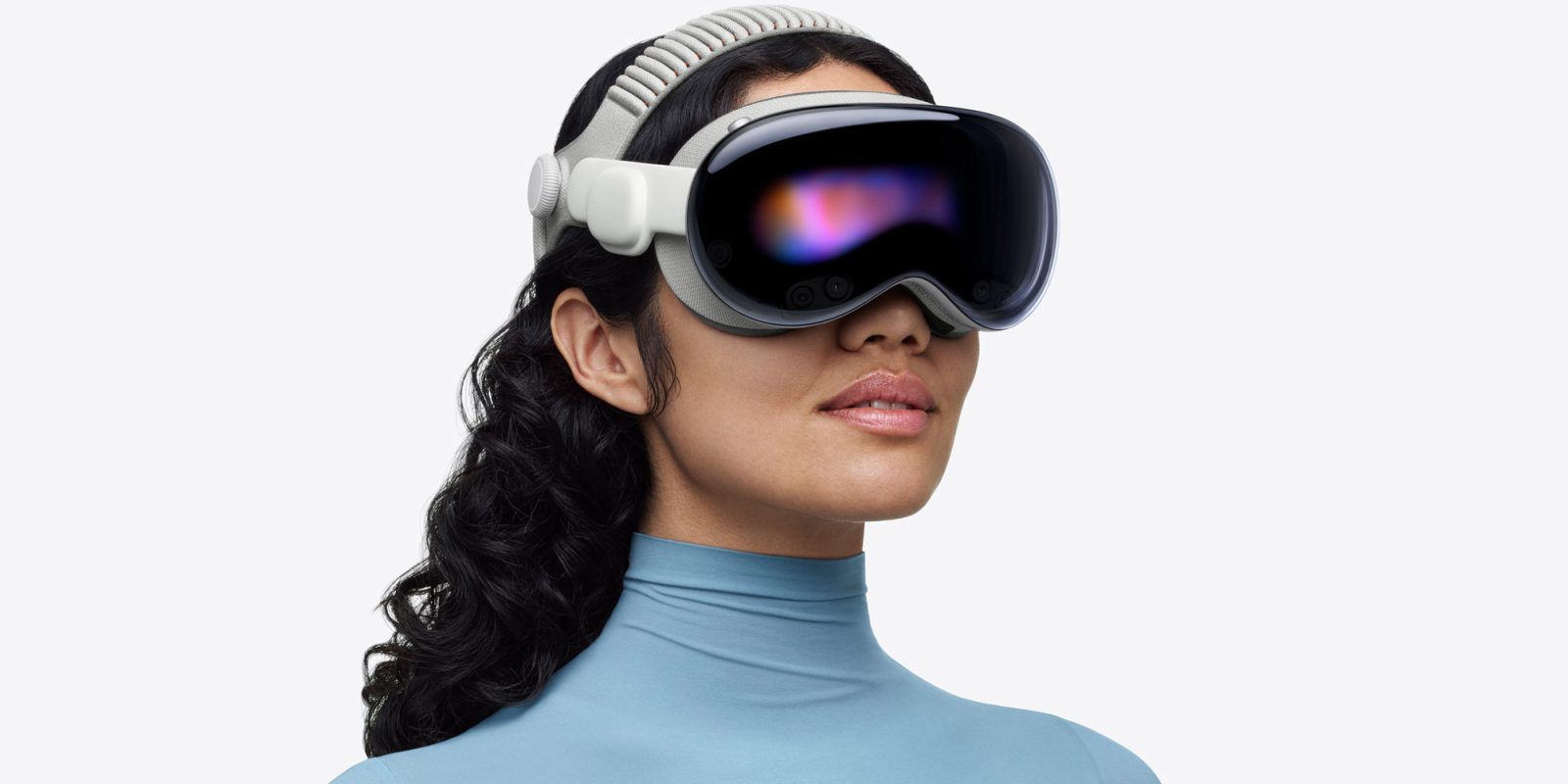
The AFM 3 Core Advanced model, the engine behind the new Siri, is designed to run entirely on the local silicon. This minimizes the need for data to travel to Apple’s servers, ensuring privacy and speed. On the M2-powered headset, the neural cores lack the specific instruction sets and the raw throughput necessary to sustain the model’s operations in real-time.
Data from early visionOS 27 developer betas indicates that while basic Siri AI queries are handled efficiently on the M2, the system defaults to "Private Cloud Compute" more frequently than the M5 model. This creates a tangible performance delta:
- Latency: M5 users experience sub-millisecond response times for voice synthesis. M2 users, relying on cloud-assisted processing, experience a slight but noticeable delay.
- Consistency: The M5 maintains full functionality even when offline. The M2 requires a stable data connection to achieve the same level of conversational depth.
- Power Efficiency: Running advanced models on the M2 causes higher thermal output, which may lead to the internal fans spinning faster and increased battery drain compared to the more efficient M5 architecture.
Official Responses and Strategic Positioning
Apple has been characteristically measured in its messaging. While the company rarely acknowledges hardware "obsolescence" directly, the marketing language surrounding visionOS 27 emphasizes the "optimized synergy" between the M5 silicon and the new software.
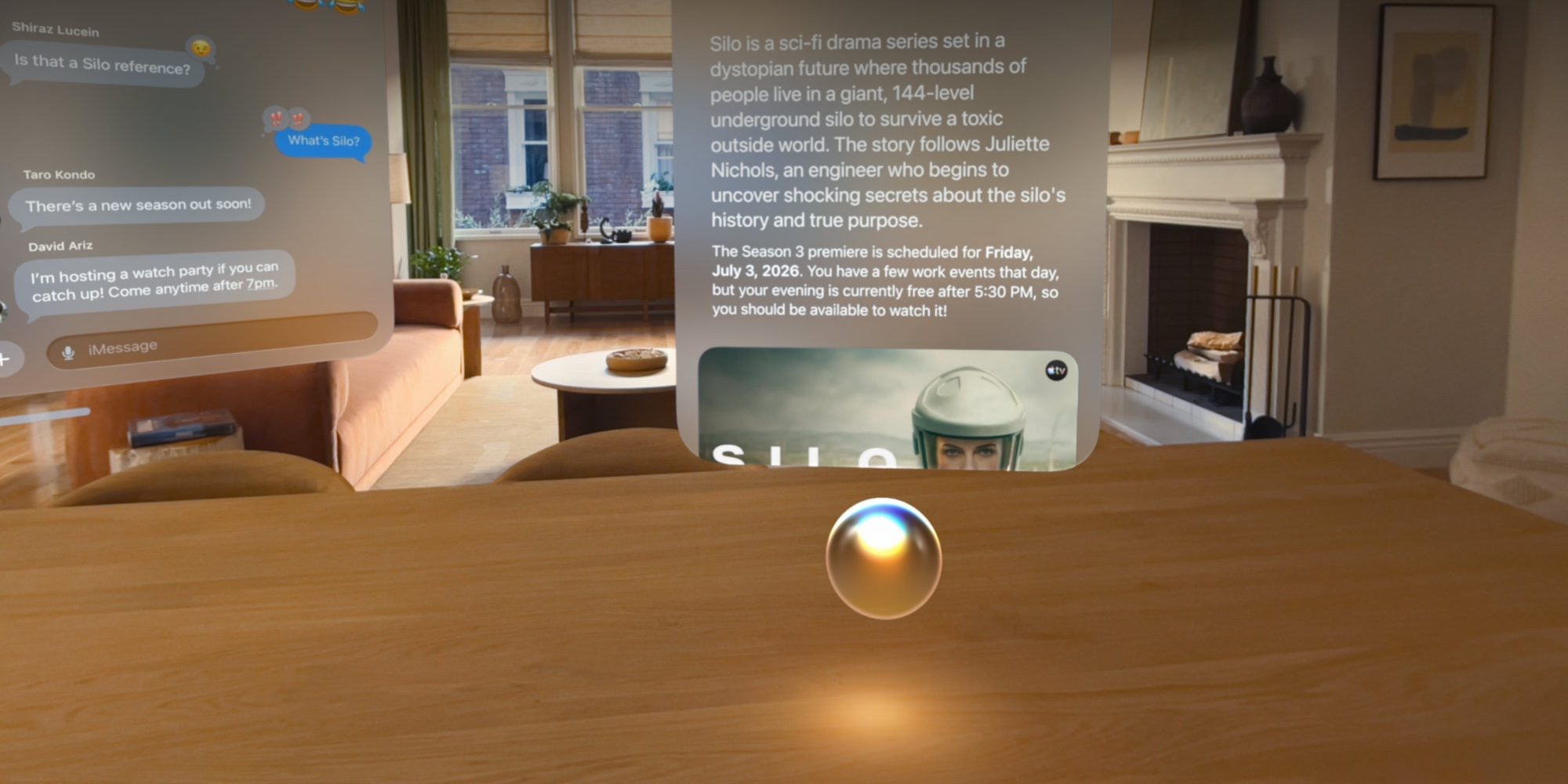
In a technical briefing, Apple engineers noted that the decision to limit voice customization was based on "user experience integrity." They argued that the latency and processing stutters caused by forcing the AFM 3 model onto the M2 architecture would result in a degraded experience that does not meet the "Apple standard."
Essentially, Apple has chosen to prioritize the performance ceiling of its latest hardware over broad-spectrum backward compatibility. This mirrors the company’s approach with the iPhone 17, which similarly segments advanced AI features based on the specific generation of the A-series chip installed. It is a calculated strategy: by tying exclusive software features to the newest silicon, Apple provides a concrete incentive for power users to remain within the upgrade cycle.
Implications: The New Reality for Early Adopters
The limitations imposed on the original Vision Pro carry significant weight for the broader tech industry.

The Cost of Innovation
Early adopters of the Vision Pro paid a premium price for a device that is already being outpaced by software requirements just 24 months later. This raises questions about the long-term value of spatial computing hardware. If a $3,500 device cannot support the "latest and greatest" software features within two years, it challenges the traditional lifecycle expectations consumers have for high-end electronics.
Privacy vs. Performance
The reliance on Private Cloud Compute for M2 owners is a double-edged sword. While Apple’s cloud security protocols are industry-leading, the primary advantage of the M5’s on-device processing is the total absence of data transmission. Users of the original Vision Pro are now forced to choose between using a feature-limited version of Siri or relying on a cloud-based architecture that, while secure, lacks the "compute-at-the-edge" superiority of the M5.
The Ecosystem Lock-In
This strategy effectively creates a tiered user base. Those who upgrade to the M5 will have access to a more responsive, personalized, and private Siri. Those who stick with the M2 will find that while their device remains functional, it is functionally "diminished." For a user base that prides itself on being at the forefront of technology, this creates a psychological pressure to upgrade, further cementing the "subscription-like" nature of modern hardware ownership.

Looking Ahead
As we move into the latter half of 2026, the focus will shift toward how developers optimize their own apps for this hardware split. Developers will now have to decide whether to build for the "lowest common denominator" (the M2) or to lean into the advanced capabilities of the M5, potentially leaving the original user base behind in terms of third-party software support.
Ultimately, the visionOS 27 update is a testament to the speed of the AI revolution. It serves as a reminder that in the age of generative AI, hardware is no longer just a vessel for software—it is the limiting reagent. For the original Vision Pro, the dream of "spatial computing" remains alive, but it is now clear that the most advanced manifestations of that dream are reserved for the next generation of silicon. As Apple continues to push the boundaries of what is possible, the definition of "current" hardware will continue to shrink, making the choice between performance and longevity a defining feature of the modern Apple experience.


 Suro Senen
 Ali Ikhwan