Dwi Wanna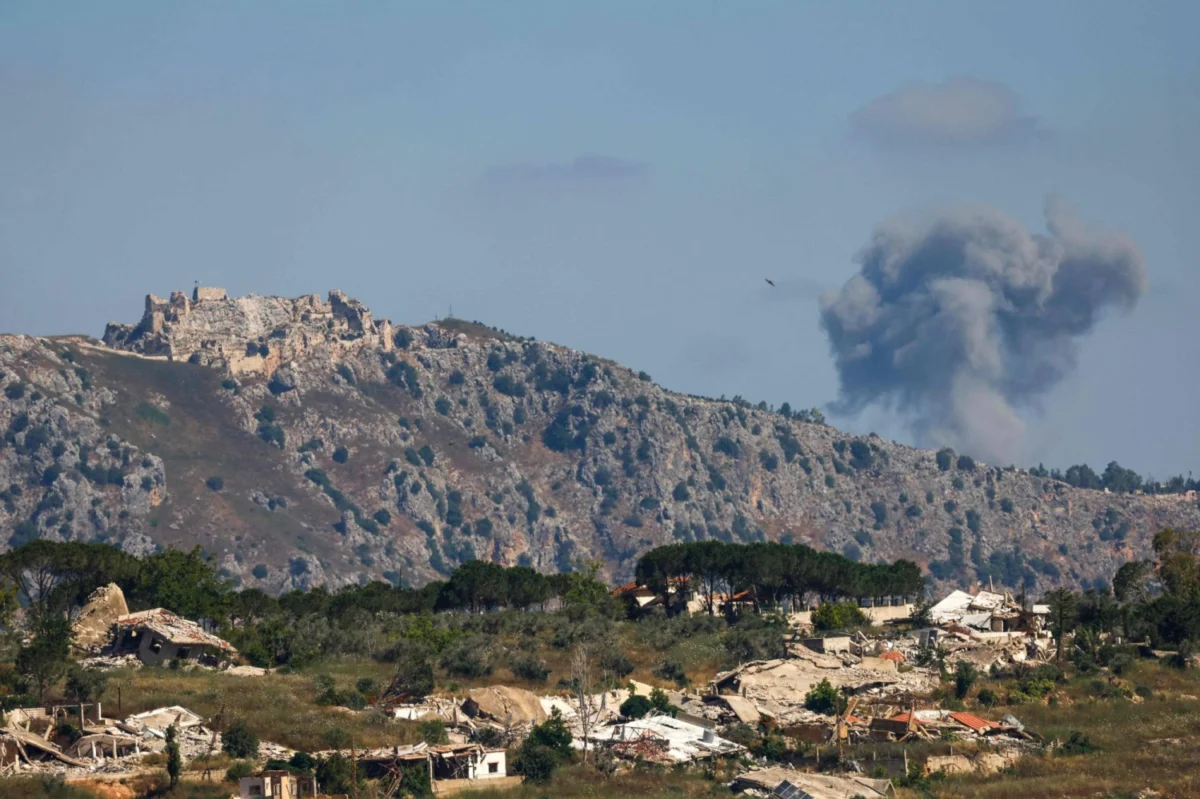
Overview: The Fragile State of Middle Eastern Diplomacy
The high-stakes diplomatic initiative aimed at securing a permanent peace treaty and curbing Iran’s nuclear ambitions has hit a significant roadblock. Negotiators from the United States and Iran were scheduled to convene in the Swiss resort of Bürgenstock this Friday to transform a recently signed memorandum of understanding (MOU) into a binding, long-term agreement. However, the talks have been indefinitely postponed, casting a shadow over the tentative progress achieved by President Donald Trump and Iranian President Masoud Pezeshkian earlier this week.
The sudden delay follows a night of intense military escalation along the Lebanese border, where Israeli forces engaged in heavy combat with Hezbollah militants. The violence has not only resulted in significant casualties but has also exposed the widening fissures between the Trump administration and the government of Israeli Prime Minister Benjamin Netanyahu. As the logistical "postponement" is cited by the White House, the international community remains deeply concerned that the fragile ceasefire negotiated this week may be unraveling before it has even begun.
Chronology of the Crisis: From Conflict to the Negotiating Table
The current geopolitical landscape is the result of months of intense volatility that has redefined Middle Eastern security.
- February 28: The United States and Israel launched a coordinated bombing campaign against Iranian infrastructure, citing the urgent need to halt the regime’s nuclear weapons program.
- Early March: The conflict sent shockwaves through global markets, triggering a spike in energy prices and exacerbating worldwide inflation. The humanitarian toll climbed into the thousands, with the brunt of the casualties felt in Iran and Lebanon.
- Wednesday: In a surprise diplomatic breakthrough, President Trump and President Pezeshkian signed a memorandum of understanding. The agreement saw the U.S. lift its naval blockade on Iranian ports in exchange for Iran reopening the Strait of Hormuz and entering a 60-day negotiation window for a permanent nuclear settlement.
- Thursday Night: Tensions flared anew as the Israeli military conducted widespread strikes in southern Lebanon against Hezbollah.
- Friday Morning: Switzerland’s Foreign Ministry announced that the scheduled Bürgenstock negotiations were postponed. Vice President JD Vance and Iranian Parliament Speaker Mohammad Bagher Ghalibaf—the respective leads for the delegations—did not depart for Switzerland.
The Lebanon Factor: A Wedge Between Washington and Jerusalem
The postponement of the talks cannot be decoupled from the deepening rift between the U.S. and Israel. Reports have emerged detailing heated exchanges between President Trump and Prime Minister Netanyahu. Sources close to the White House indicate that Trump has expressed severe frustration with Netanyahu, accusing the Israeli leader of jeopardizing the MOU by continuing aggressive military operations in Lebanon.
Israel, for its part, remains steadfast. The Israel Defense Forces (IDF) have maintained that they will not withdraw their troops from the border regions until they are satisfied that Hezbollah—which the U.S. designates as a terrorist organization—no longer poses a viable threat to northern Israeli communities. The overnight strikes in southern Lebanon, which reportedly claimed 16 lives according to the state-run National News Agency, serve as a stark reminder that Israel is prioritizing its security posture over the diplomatic timelines set in Washington.
For Iran, the situation is a matter of strategic leverage. Tehran has consistently insisted that a ceasefire in Lebanon must be a prerequisite for any meaningful progress in the nuclear negotiations. By continuing to strike Hezbollah, Israel is effectively testing the limits of the U.S.-Iran interim deal, forcing the Biden-adjacent negotiators to choose between their alliance with Jerusalem and their commitment to regional de-escalation.
Supporting Data and the Nuclear Impasse
The primary objective of the Bürgenstock talks was to establish a framework for the long-term restriction of Iran’s nuclear activities. The proposed terms, which were to be hashed out over the next two months, include:
- Uranium Enrichment Limits: Restrictions on Iran’s processing capabilities, potentially lasting for a decade or longer.
- Stockpile Management: A requirement for the destruction or dilution of Iran’s existing stocks of highly enriched uranium.
- Transparency: Enhanced monitoring protocols to ensure that uranium is used strictly for energy production rather than military application.
Tehran has long maintained that its nuclear program is for peaceful purposes, yet international monitors have noted that Iran’s enrichment levels have far exceeded the requirements for civilian nuclear power plants. The U.S. and its regional allies have argued that these levels were a clear indication of a clandestine weapons program, providing the justification for the February 28 military strikes.
Official Responses and Diplomatic Lingering
The official messaging from the host nation, Switzerland, has been one of measured patience. In a statement released Friday, the Swiss Foreign Ministry noted that while the talks are officially postponed, the "preparatory work" at the Bürgenstock resort continues. "Switzerland remains ready to facilitate these talks," the statement read, offering a glimmer of hope that the interruption is a temporary tactical delay rather than a systemic failure.
Conversely, the White House has framed the delay as a result of "logistical challenges." A spokesperson stated, "An American delegation is prepared to depart at the first available opportunity," attempting to downplay the severity of the rift with Israel and the influence of the Lebanese conflict on the scheduling process.
In Tehran, the silence from the leadership is telling. By keeping Speaker Ghalibaf at home, the Iranian government is signaling that it is watching the situation in Lebanon with extreme scrutiny. If the strikes continue, it is highly probable that Iran will treat the MOU as void, potentially leading to a resumption of the naval blockade and the closure of the Strait of Hormuz.
Implications: A Global Economy on the Brink
The failure to bring these two nations to the table has profound implications for global stability. The brief spike in oil prices during the height of the February conflict demonstrated just how interconnected the Strait of Hormuz is to the global economy. A collapse of the current peace efforts would almost certainly lead to a renewed energy crisis, higher inflation, and further economic contraction in the West.
Furthermore, the domestic political implications for the Trump administration are significant. Having staked his reputation on a "final agreement" that could bring peace to the Middle East, a failure to manage his Israeli allies could prove politically damaging. Conversely, if the administration forces a cessation of Israeli military action, it risks alienating a key strategic partner and facing backlash from those who believe the nuclear threats from Tehran remain unaddressed.
The international community is now waiting to see if the weekend brings a cooling of hostilities or a deeper descent into regional conflict. The Bürgenstock resort sits empty, a physical manifestation of the uncertainty currently gripping the Middle East. Whether the "logistical challenges" are resolved in the coming days or whether this marks the end of a short-lived diplomatic spring will depend entirely on whether the actors on the ground can prioritize the negotiating table over the battlefield.
As the situation remains fluid, the world looks on with apprehension, aware that the line between a historic peace deal and an expanded regional war is thinner than it has been in decades. The coming week will be a litmus test for the effectiveness of the MOU and the limits of American influence in a region that has become increasingly defined by its own internal security logic.


 Neng Nana
 Asro
Asro