Nila Kartika Wati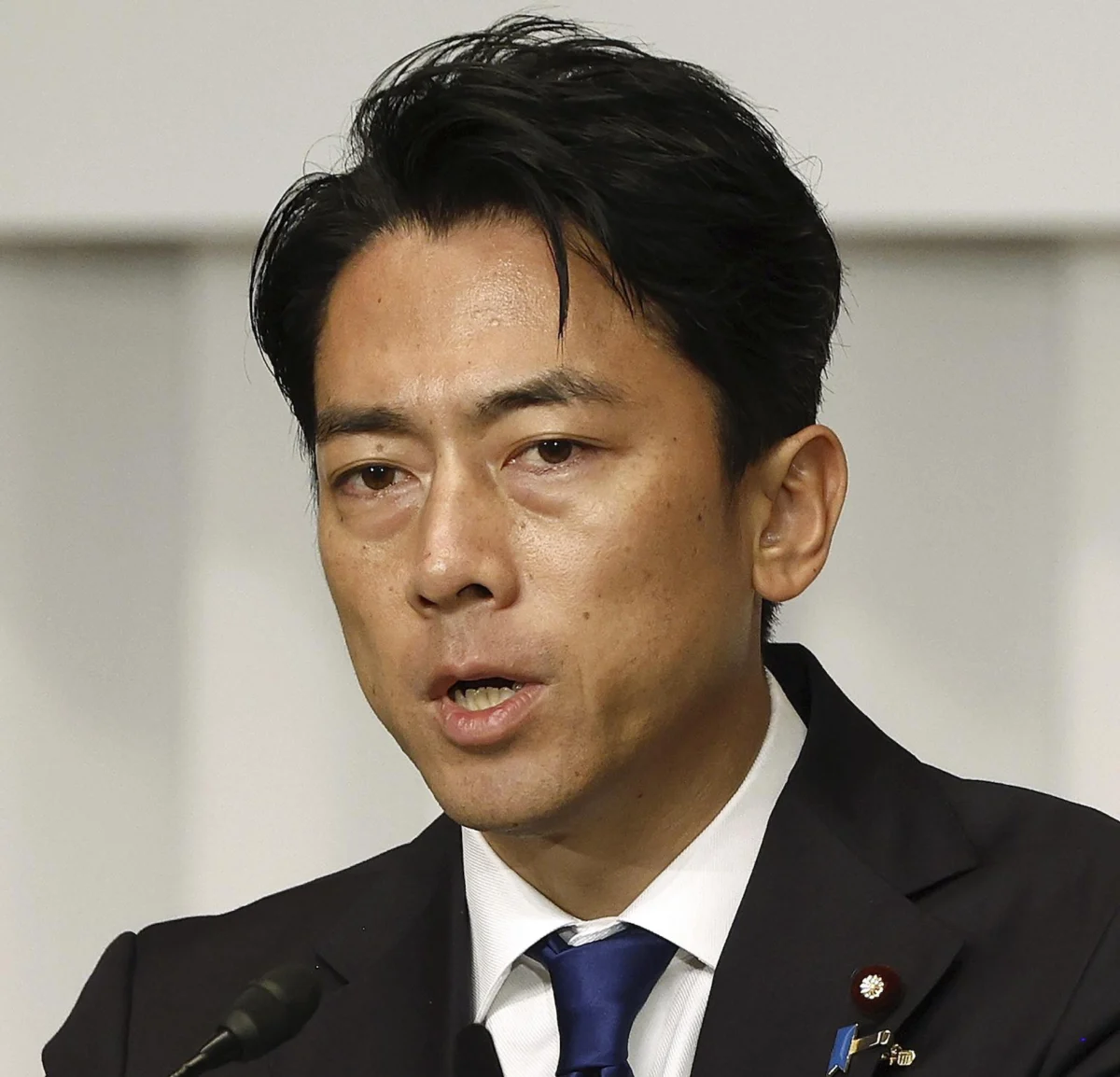
TOKYO – In a move signaling a deepening strategic alignment between Tokyo and the North Atlantic Treaty Organization (NATO), Japanese Defense Minister Shinjiro Koizumi is scheduled to travel to Turkey in early July. The visit, confirmed by sources familiar with the planning, underscores Japan’s evolving security posture as it seeks to integrate its regional defense concerns with the broader Euro-Atlantic security architecture.
The summit, slated for July 7 and 8, serves as a critical junction for global defense leaders to address the shifting geopolitical landscape, marked by persistent instability in Europe and rising tensions in the Indo-Pacific.
Main Facts: The Strategic Itinerary
Minister Koizumi’s visit to Turkey is not merely ceremonial; it is a high-level diplomatic mission intended to institutionalize Japan’s role as a primary partner to the Western military alliance. According to government sources, Koizumi is expected to participate in a series of high-stakes engagements, including a formal dinner for defense ministers and a sequence of closed-door dialogues with industry leaders.
The primary objective of these meetings is to harmonize security strategies. By participating in the NATO summit, Japan aims to solidify the concept that security in the Euro-Atlantic and the Indo-Pacific is "inseparable." Koizumi is also expected to hold bilateral and multilateral talks with counterparts from the "IP4"—the grouping of Indo-Pacific partners comprising Australia, New Zealand, and South Korea—to coordinate regional responses to shared security threats.
Chronology: A Trajectory of Deepening Cooperation
The upcoming visit represents the culmination of years of calculated diplomatic efforts to bridge the gap between Tokyo and Brussels.
- 2022: Following the Russian invasion of Ukraine, Japan accelerated its overtures toward NATO, recognizing that a breach of the rules-based international order in Europe could embolden revisionist powers in the East.
- 2023: Japan and NATO formalized the Individually Tailored Partnership Programme (ITPP), providing a framework for cooperation in areas such as cyber defense, maritime security, and space technology.
- 2024: Then-Defense Minister Gen Nakatani marked a historic milestone by participating in the first-ever meeting of IP4 defense ministers alongside their NATO counterparts, signaling a formalization of the Indo-Pacific bloc’s role within the alliance’s sphere of interest.
- Early 2025: Japan signaled a significant shift in its defense policy by deploying four Japan Self-Defense Forces (JSDF) personnel to the NATO Ukraine support headquarters in Germany. This move marked the first time Japanese military staff have been integrated into an active NATO-led support operation, signifying a move away from purely symbolic cooperation toward tangible, operational engagement.
- July 2025 (Upcoming): Minister Koizumi’s trip to Turkey is poised to build upon this momentum, focusing on logistical and technological integration.
Supporting Data: Why the Alliance Matters
The rationale behind Japan’s pivot to NATO is rooted in a sobering assessment of the current global security environment. Data and intelligence reports consistently highlight three primary drivers for this closer alignment:
1. The Russia-China-North Korea Nexus
Tokyo has expressed profound alarm regarding the deepening military cooperation between Moscow and Pyongyang. The transfer of ballistic missiles and artillery shells from North Korea to Russia for use in Ukraine provides Moscow with a vital lifeline while simultaneously granting Pyongyang advanced military technology. Japan views this triangular cooperation as a direct threat to the stability of the Korean Peninsula and, by extension, the Japanese mainland.
2. Aggressive Maritime Posture
The East and South China Seas remain flashpoints. According to reports from the Japan Coast Guard and the Ministry of Defense, Chinese military activity—ranging from incursions into the contiguous zone of the Senkaku Islands to large-scale military exercises surrounding Taiwan—has reached record frequency. Tokyo views these actions as a challenge to the "Free and Open Indo-Pacific" (FOIP) vision, which necessitates support from global partners to maintain maritime order.
3. Industry and Technological Interdependence
The inclusion of "industry figures" in Minister Koizumi’s agenda is intentional. As the defense industry shifts toward dual-use technologies, artificial intelligence, and quantum computing, Japan’s advanced manufacturing base has become a critical asset for NATO. Integrating Japanese supply chains with NATO’s defense-industrial base is a priority for Tokyo, which hopes to bolster its own defense production capabilities through shared research and development.
Official Responses and Diplomatic Rhetoric
While the Japanese Ministry of Defense has remained tight-lipped regarding specific negotiation points, government spokespersons have consistently reiterated the necessity of the "inseparable security" narrative.
"Japan’s security is fundamentally linked to the stability of the Euro-Atlantic," a Ministry official stated on condition of anonymity. "The challenges we face—whether it be the weaponization of trade, cyber-attacks on critical infrastructure, or the erosion of sovereignty—do not respect regional boundaries. Our partnership with NATO is a defensive necessity to preserve the status quo."
From the NATO side, the reception has been overwhelmingly positive. Alliance leaders have repeatedly characterized Japan as one of their most reliable and capable partners. At the 2024 summit, the alliance leadership emphasized that the security of the Indo-Pacific is not an "add-on" but a fundamental component of the alliance’s global outlook, effectively legitimizing the inclusion of Tokyo in high-level strategic planning.
Implications: The Geopolitical Reconfiguration
Minister Koizumi’s visit to Turkey is set to have profound implications for global security dynamics.
The End of Passive Diplomacy
For decades, Japan’s post-war constitution and its focus on "defensive-only" posture limited its international military profile. However, the current administration’s shift indicates that Japan is no longer content to be a passive bystander. By engaging directly with the NATO apparatus, Tokyo is effectively expanding its security umbrella, seeking to deter potential adversaries by demonstrating that an attack on Japan or its interests would trigger a coordinated response from a global coalition of democratic powers.
A New Regional Security Architecture
The formalization of the IP4 as a distinct bloc within the NATO framework suggests the creation of a "Global NATO." While the alliance remains legally confined to the North Atlantic, the strategic reality is that it is becoming the backbone of a broader network of liberal democracies. For Japan, this is the ideal outcome: an environment where the burden of security is shared across the Atlantic and Pacific oceans.
Potential Backlash from Beijing and Moscow
Predictably, the deepening ties between Tokyo and NATO have drawn ire from Beijing and Moscow. Both capitals have labeled the expansion of NATO into the Indo-Pacific as an act of "provocation" and a "Cold War mentality." Analysts warn that Koizumi’s visit could lead to intensified military posturing by China in the East China Sea as a form of diplomatic signaling. Japan, however, appears to have calculated that the risk of appearing weak is far greater than the risk of further aggravating its regional neighbors.
Domestic Challenges
Domestically, the mission is not without its critics. Within Japan, segments of the public remain wary of any policy that could draw the nation into a conflict in Europe or beyond its immediate neighborhood. Minister Koizumi, a rising star in the Liberal Democratic Party, faces the delicate task of navigating these domestic concerns while delivering on his promise to strengthen Japan’s role on the global stage. His performance in Turkey will likely be viewed as a litmus test for his leadership capabilities and his vision for Japan’s foreign policy in the late 2020s.
Conclusion: Looking Toward the Future
As Minister Koizumi prepares for his departure, the message to the international community is clear: Japan is committed to a globalized security strategy. The upcoming summit in Turkey will serve as a definitive marker of this transition. By aligning with NATO, Japan is not merely seeking protection; it is asserting its status as a foundational pillar of the international order.
Whether this increased engagement succeeds in deterring aggression or merely hardens the divisions between global power blocs remains to be seen. However, one thing is certain: the era of regional isolation in security matters has effectively come to an end for Tokyo. As the world watches the events in Turkey unfold this July, the focus will be on whether the rhetoric of "inseparable security" can be transformed into the concrete, operational reality required to face the challenges of an increasingly volatile 21st century.


 Neng Nana
 Asro
Asro