Evan Lee Salim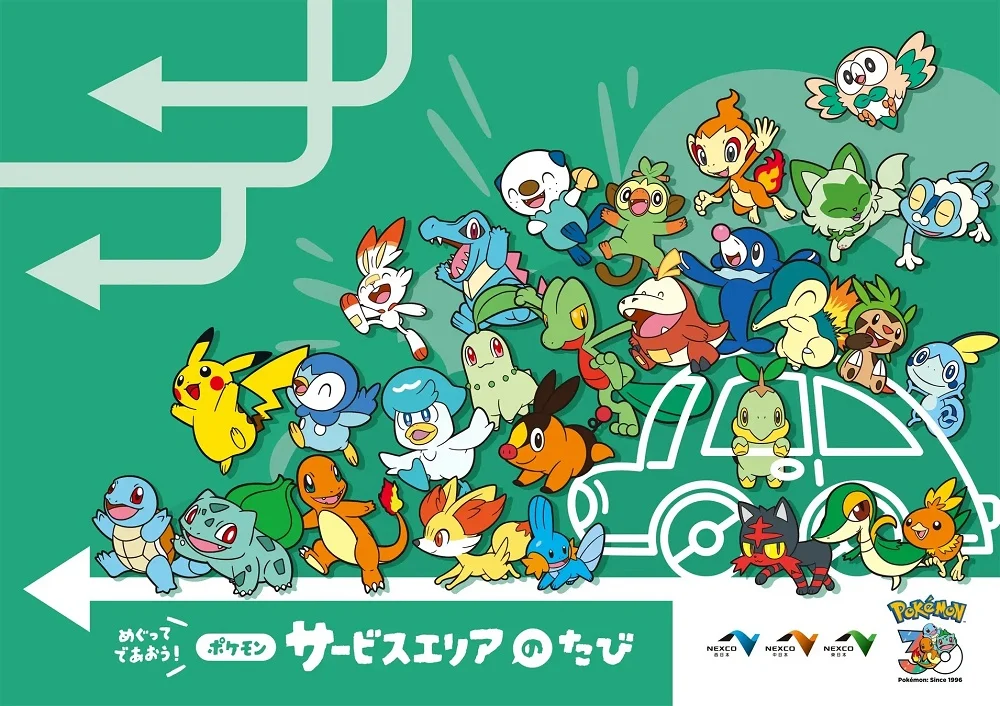
For travelers in Japan, the journey is often defined by the high-speed efficiency of the Shinkansen. However, a massive new collaborative initiative between The Pokémon Company and the Nippon Expressway Company (NEXCO) is poised to shift the focus from the destination to the open road. Starting this summer, Japan’s extensive network of Service Areas (SAs) and Parking Areas (PAs) will evolve into immersive, Pokémon-themed destinations, offering a compelling incentive for tourists and locals alike to trade in their bullet train tickets for a rental car.
The Intersection of Infrastructure and Pop Culture
Japan’s highway rest stops are world-renowned, often functioning as culinary and cultural hubs rather than mere pit stops. With high-end regional cuisine, impeccable cleanliness, and thoughtful, user-centric architecture, these facilities are already essential components of the Japanese driving experience.
By integrating the globally beloved Pokémon franchise, NEXCO is elevating these "mid-journey oases" into a nationwide scavenger hunt. The collaboration spans hundreds of locations, effectively turning the country’s expressway system into a sprawling, real-world Pokémon experience. From July 1 to September 30, travelers traversing Japan’s arteries will find themselves within reach of exclusive merchandise, elaborate photo opportunities, and a high-stakes stamp rally that encourages exploration of lesser-known regions.
Chronology of the Campaign
The campaign is meticulously structured to maximize engagement throughout the peak summer travel months:
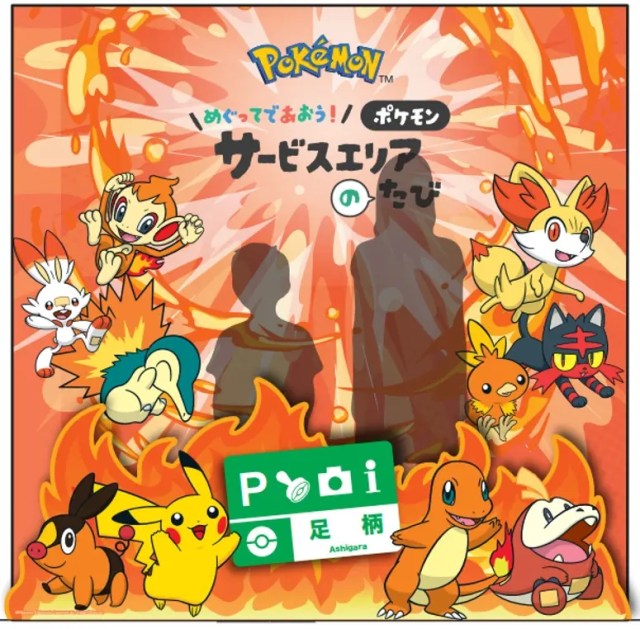
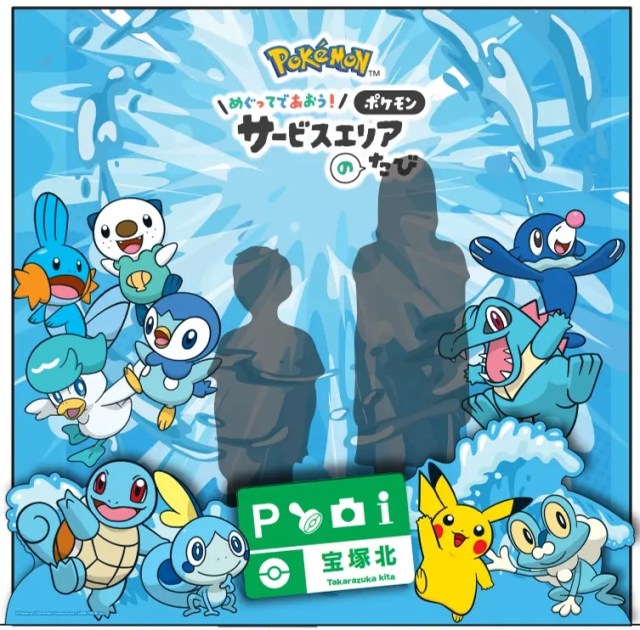
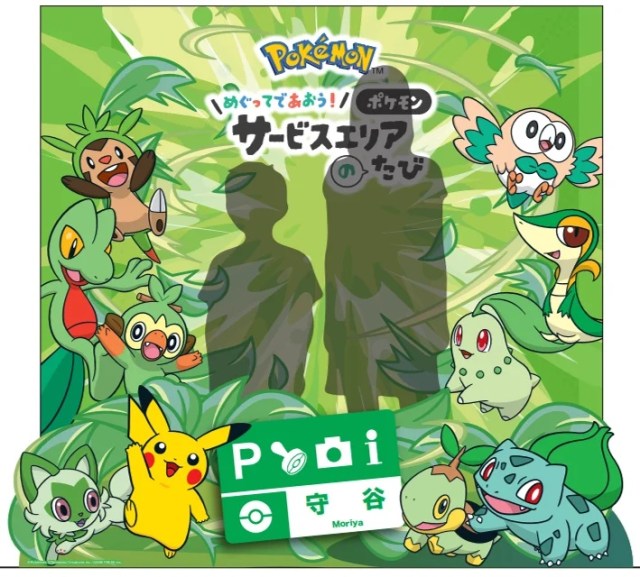
- Pre-Launch (June 2026): Early previews began at select major hubs, including the Ashigara SA in Shizuoka, Takarazuka SA in Hyogo, and Moriya SA in Ibaraki. These locations unveiled large-scale displays and photo panels, signaling the scale of the upcoming rollout.
- Official Launch (July 1, 2026): The full campaign kicks off nationwide. Travelers can begin collecting stamps at any of the 234 participating service and parking areas.
- The Mid-Summer Surge (August 2026): As the summer holidays peak, organizers expect the highest volume of participation in the stamp rally, with travelers actively seeking out specific rest stops to complete their sets.
- Conclusion (September 30, 2026): The campaign concludes at the end of September. Following this date, the special merchandise and stamp rally booklets will be phased out, making the items highly collectible.
Supporting Data and Scale of Operations
The sheer scale of this partnership underscores its significance. This is not a localized promotion; it is a national endeavor designed to distribute tourist traffic more evenly across the country.
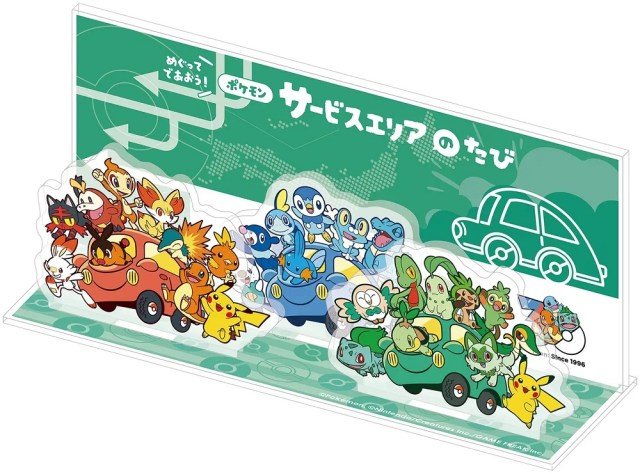
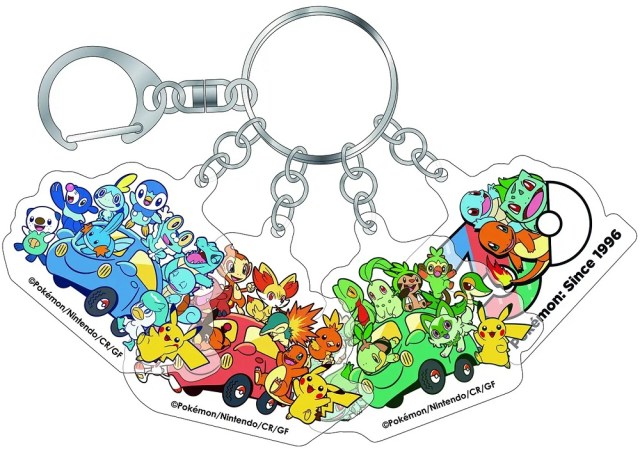
- Geographic Reach: The collaboration touches 142 rest stops offering exclusive acrylic standees and 170 locations stocking specialized key holders.
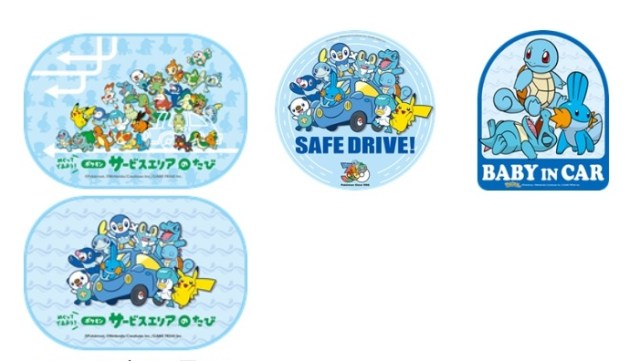
- Diversified Merchandise: Beyond stationery, central and western Japan will see the introduction of practical automotive accessories, including Pokémon-themed side-window sunshades and magnetic safe-driving stickers, blending safety education with branding.
- The Stamp Rally Mechanics: The centerpiece of the event is the nationwide stamp rally. With 234 participating locations, the rally is designed to encourage long-distance travel. The rally card features slots marked with Poké Balls, each requiring a unique stamp from a specific location.
- Tiered Rewards: The incentive structure is split into two categories. Collecting any six stamps enters the participant into a lottery for 1,000 limited-edition sticker books or metallic medals. For the "hardcore" collectors, securing an additional three stamps—specifically featuring Legendary or Mythical Pokémon—unlocks eligibility for one of 250 premium bento box and insulated bottle sets.
Official Strategy: Why NEXCO is Partnering with Pokémon
From an infrastructural standpoint, NEXCO’s objective is clear: to revitalize interest in domestic road travel. In recent years, Japan has faced "over-tourism" in major urban centers and along primary Shinkansen routes. By gamifying the highway experience, NEXCO hopes to incentivize travelers to visit regional areas that are often bypassed by those sticking strictly to the rail network.
"The goal is to foster a sense of discovery," says a spokesperson for the initiative. "When a family stops at a remote parking area to find a specific Pokémon stamp, they are also more likely to discover the local produce, regional snacks, and historical insights offered by that specific facility."
By leveraging the "Pokémon effect," the organization is essentially rebranding the highway as an experiential route rather than a mere transit corridor. This strategy mirrors other successful "Pokémon Local Acts" throughout Japan, where specific prefectures have used Pokémon mascots to boost regional tourism and civic pride.
Implications for Travelers and the Tourism Industry
The implications of this collaboration are multifaceted, affecting everything from travel patterns to the retail landscape of Japan’s roadsides.
1. Diversifying Tourism
By drawing attention to service areas in prefectures that are often ignored, the initiative serves as a decentralized tourism strategy. It encourages travelers to explore the scenic routes of Tohoku, the rugged coastlines of the San’in region, and the mountainous interior of Shikoku—areas that are significantly less congested than the Tokyo-Kyoto-Osaka corridor.
2. A Boon for "Slow Travel"
The campaign actively promotes the philosophy of "slow travel." In a culture that values the hyper-efficiency of the bullet train, the encouragement to stop, collect, and explore creates a shift in pace. Families and solo travelers are incentivized to spend more time at rest stops, which in turn increases the economic impact of the road trip on the local communities surrounding these expressways.
3. The Collectible Economy
For the Pokémon fan base, the exclusivity of the merchandise—available only at specific highway locations—creates a secondary market and a surge in domestic road-tripping. The "Metallic Medal" prizes and the "Legendary/Mythical" stamp requirements add a layer of competitive gamification that is highly effective in the Japanese collector market.
4. Safety and Education
Integrating "safe-driving" messages into the merchandise is a subtle but important public service component. By associating safe driving habits with the positive brand image of Pokémon, the campaign reaches a younger demographic of drivers, potentially reinforcing road safety culture in a way that dry signage cannot.
Conclusion: A New Way to See Japan
As the July launch approaches, the anticipation among fans and road-trippers is palpable. The partnership between NEXCO and The Pokémon Company is a masterclass in destination marketing. It recognizes that in a post-pandemic world, travelers are seeking experiences that are not only visual but interactive and personal.
For those planning a trip to Japan this summer, the choice is no longer just about the speed of transit. It is about the opportunity to curate a journey that is uniquely your own—one filled with regional delicacies, scenic vistas, and the thrill of the hunt for that next, elusive Pokémon stamp. Whether you are a die-hard fan of the franchise or simply a traveler looking for a more authentic, decentralized look at the Japanese countryside, the highway is calling. Pack your bags, load your map, and prepare to hit the road—your next legendary adventure might just be waiting at the next service area.


 Neng Nana
 Asro
Asro