Neng Nana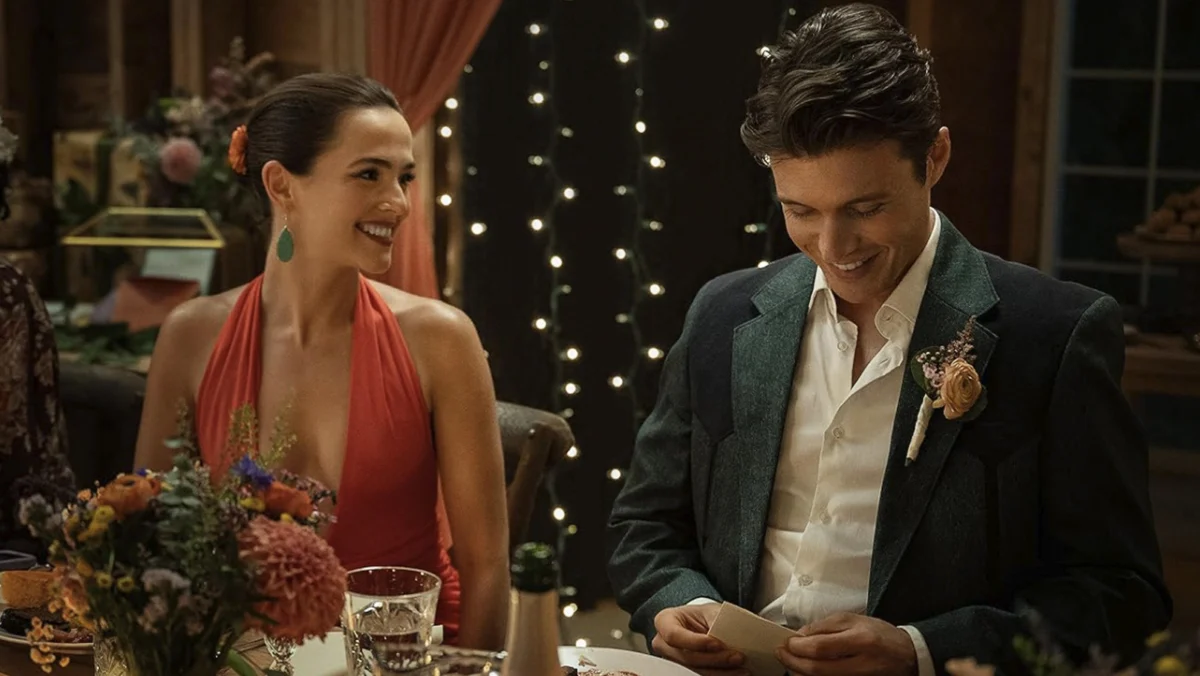
In an era where streaming platforms are often criticized for churning out "disposable" content, Netflix’s latest romantic comedy, Voicemails for Isabelle, stands out as a rare, crafted gem. Starring Zoey Deutch and Nick Robinson, the film has quickly captured audiences with its blend of grief, humor, and romantic serendipity. However, the film’s success isn’t just a product of a stellar cast; it is the result of a director’s uncompromising commitment to narrative authenticity.
In an exclusive interview, writer/director Leah McKendrick revealed that she famously shut down production on the film for a seemingly trivial reason: the type of lettuce on a plate. This decision, while small in the grand scope of a multi-million dollar production, speaks volumes about the creative philosophy driving one of the most promising voices in contemporary cinema.
The Premise: A Modern Tale of Grief and Connection
Voicemails for Isabelle follows the story of Jill (Zoey Deutch), an aspiring chef grappling with the profound loss of her younger sister, Isabelle (Ciara Bravo). In a touching, albeit melancholic, ritual, Jill continues to leave voicemails on Isabelle’s old phone number, using the digital space as a confessional for her daily struggles and grief.
The plot takes a sharp, romantic turn when a handsome real estate agent (Nick Robinson) assumes ownership of the recycled phone number. Upon hearing these intimate, secret messages, he becomes inadvertently entangled in Jill’s life, eventually setting out to find the woman behind the voice. The film, which was a standout on several "most anticipated" lists earlier this year, has been praised for its emotional resonance and its ability to balance the weight of loss with the levity of a rom-com.
Chronology of a Creative Decision: The Lettuce Incident
The story of the production shutdown is a fascinating case study in artistic integrity. During a pivotal scene in which Jill, an aspiring chef, serves crab cakes, McKendrick found herself at a standstill.
"I shut down production because I needed the right kind of lettuce on the plate," McKendrick shared. "I’m not even a chef, but I was like, ‘She’s a chef, and that doesn’t look right to me!’"
For most directors, the pressure to stay on schedule—and under budget—would have prompted a "good enough" compromise. The logistics of filming involve hundreds of crew members, union regulations, and daily costs that can reach thousands of dollars per hour. Yet, McKendrick paused the entire machine.
![Voicemails For Isabelle's Director Shut Down Production To Ensure A Detail Was Correct [Exclusive]](https://www.slashfilm.com/img/gallery/netflix-voicemails-for-isabelle-director-shut-down-production-detail-exclusive/l-intro-1781819010.jpg)
"Am I really going to hold production for them to go get the specific type of lettuce? But then I thought to myself, ‘That’s why I’m here, man. That’s why I’m here. I believe in the small details. The devil’s in the details.’"
The production designer, Celine Diano, and her team rose to the challenge, ensuring the set met the director’s exacting vision. The result, according to the filmmaker, was a "painstaking process," but one that validated her belief that audiences can sense when a film is treated with authentic care.
Supporting Data: From Black List to Streaming Hit
The road to Voicemails for Isabelle reaching the screen has been long and deliberate. The script first gained industry recognition in 2019 when it appeared on "The Black List," the prestigious annual survey of Hollywood’s most-liked unproduced screenplays.
At that stage, the character of Jill was written as a low-level television writer. However, in the years of development leading up to the Netflix greenlight, McKendrick pivoted the character to be an aspiring chef. This shift proved to be a stroke of genius, providing the character with a more tactile, sensory-focused profession that allowed for better visual storytelling—and, clearly, a more rigorous approach to props and set design.
The film also benefits from its location. Shot extensively on location in San Francisco, the film avoids the "green screen" feel that plagues many modern comedies. By grounding the story in the geography of the city, McKendrick has created a world that feels lived-in and real, further cementing the film’s reputation as a high-quality production.
Official Responses and Creative Implications
The industry response to McKendrick’s meticulous nature has been largely positive. While "diva" behavior is often associated with production delays, McKendrick’s focus was never on personal ego, but on the narrative truth of the character. By ensuring Jill’s culinary environment was authentic, the director signaled to the audience that this character’s passions and history matter.
Leah McKendrick, who previously directed the 2023 film Scrambled—a movie lauded for its sharp, funny, and deeply human look at female fertility—is quickly becoming a filmmaker defined by "specificity." In a landscape where algorithms often dictate content, a director who is willing to stop the clock for a piece of garnish is a refreshing reminder that filmmaking remains an art form, not just a content-delivery service.
![Voicemails For Isabelle's Director Shut Down Production To Ensure A Detail Was Correct [Exclusive]](https://www.slashfilm.com/img/gallery/netflix-voicemails-for-isabelle-director-shut-down-production-detail-exclusive/intro-1781819010.jpg)
The Broader Implications for the Romantic Comedy Genre
The success of Voicemails for Isabelle raises a critical question for the industry: Is there a future for "prestige" rom-coms?
For years, the genre has been relegated to the "comfort watch" category—films designed to be consumed in the background while the viewer scrolls through their phone. Voicemails for Isabelle demands more attention. By elevating the script, the direction, and the production design, the film achieves a level of quality that feels like a throwback to the theatrical romantic comedies of the 1990s and early 2000s.
If this film performs well on Netflix, it could prove that audiences are hungry for "real" movies rather than "forgettable nonsense." The implications for McKendrick’s career are significant as well. By demonstrating that she can manage a high-profile production while maintaining the soul of an indie filmmaker, she has positioned herself as a director capable of bridging the gap between artistic integrity and commercial viability.
Conclusion: The Devil is in the Details
Whether it is the specific cut of lettuce on a plate or the nuance in a character’s voice, the success of Voicemails for Isabelle is a testament to the idea that no detail is too small to escape a director’s vision.
In the modern streaming era, where quantity is often prioritized over quality, it is heartening to see a filmmaker take the risk to pause, breathe, and ensure the product is right. For the viewers, the result is a charming, emotional, and authentic story that reminds us why we fell in love with movies in the first place.
Voicemails for Isabelle is currently streaming on Netflix. For more insights into the making of the film, be sure to catch the full conversation with Leah McKendrick on the upcoming June 24 episode of the /Film Weekly podcast.

 Siti Muinah
 Muslim