Lina Irawan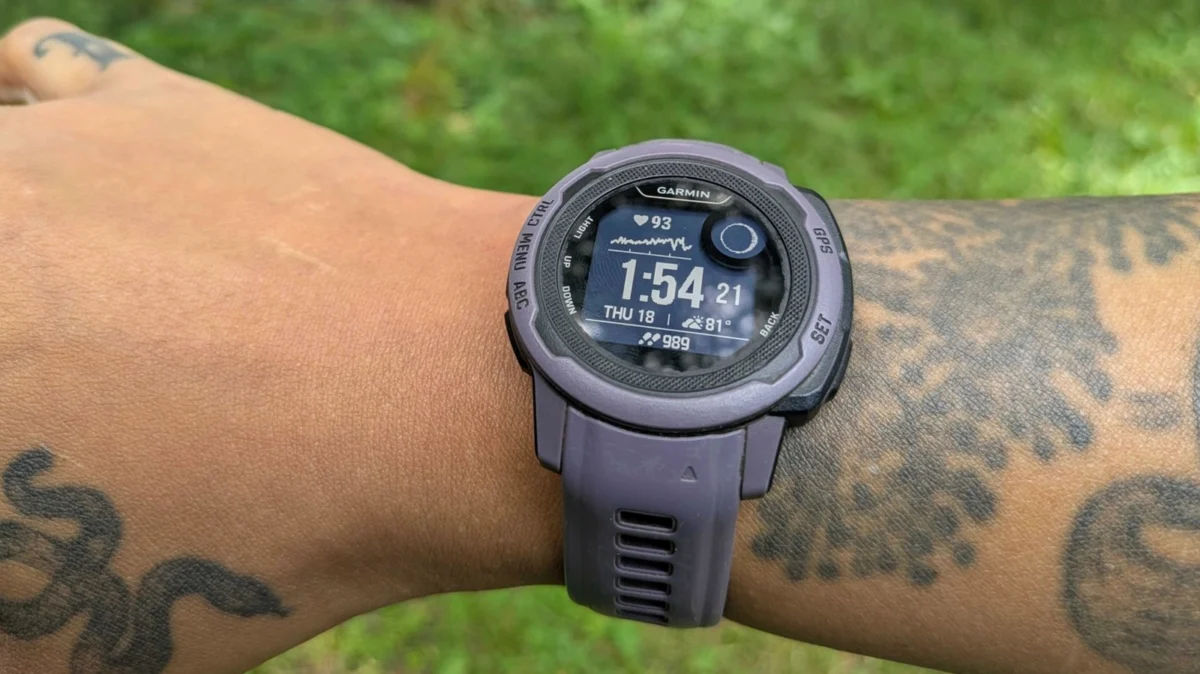
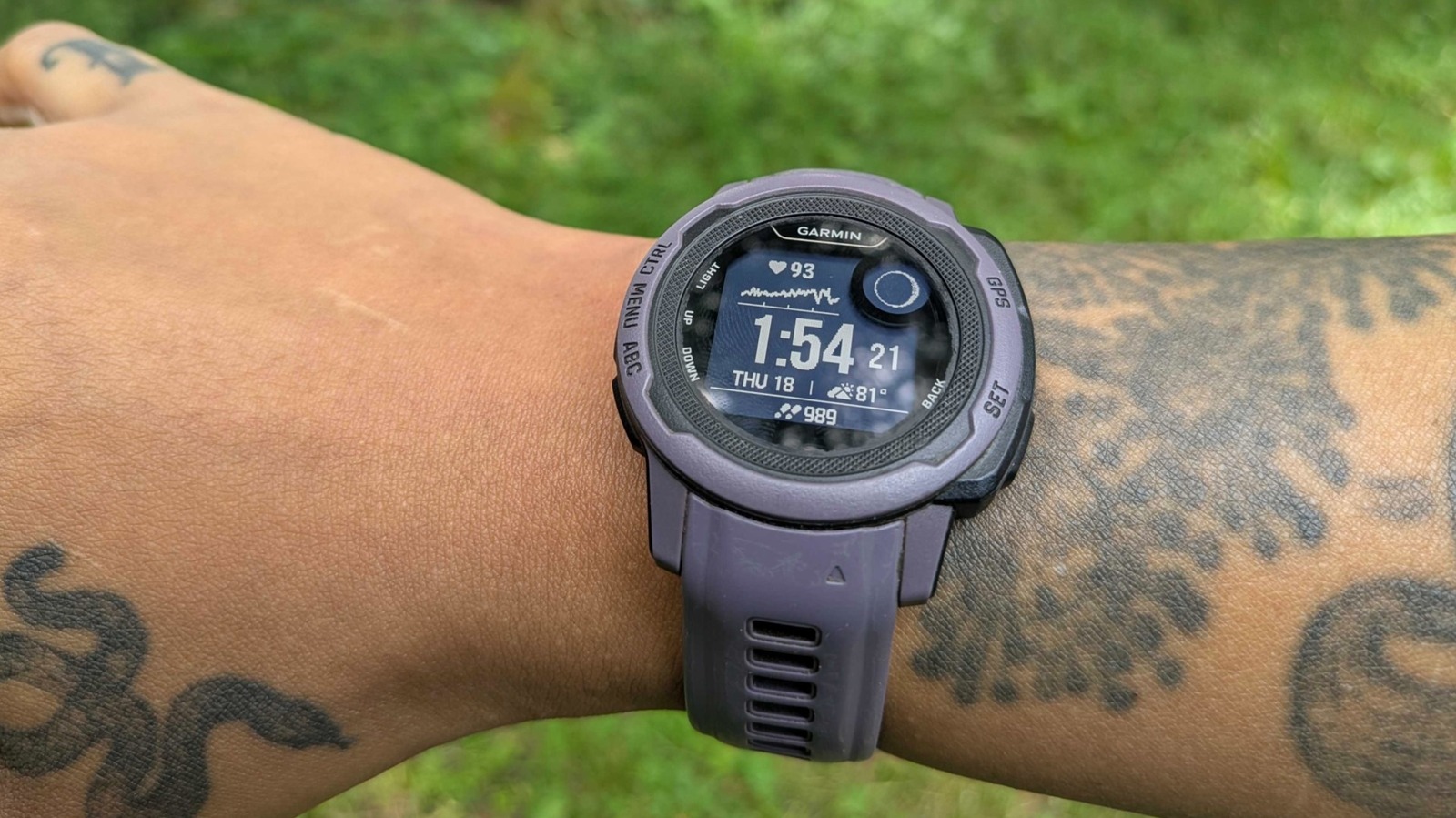
For millions of people, a smartwatch or fitness tracker is an essential daily companion. It tracks our sleep, monitors our heart rate, and keeps us connected to our digital lives with a flick of the wrist. However, a significant subset of the population has discovered a frustrating, expensive, and often baffling technological barrier: their tattoos. If you have ink on your wrist, your high-end wearable might be blind, inaccurate, or entirely convinced that it isn’t being worn at all.
This isn’t a niche grievance. Across forums like Reddit, Apple Support, and Samsung’s community pages, users have spent years documenting the "tattoo problem." Despite the rapid advancement of biometric sensors, the fundamental physics of how these devices interact with our skin remains a point of friction for the inked community.
The Science of the Struggle: Why Ink Matters
To understand why a piece of art on your skin can render a $500 device useless, one must first look at the technology under the hood. Most modern fitness trackers and smartwatches rely on a technique called photoplethysmography (PPG).
PPG uses light-based sensors—typically the green LEDs you see flashing when you remove your watch—to measure blood volume changes in the capillaries beneath your skin. As your heart beats, the volume of blood in your wrist changes, which alters the amount of light absorbed and reflected back to the sensor. The device calculates your pulse by interpreting these fluctuations.
Tattoos interfere with this process because they introduce a layer of pigment between the sensor and the blood vessels. Depending on the color, density, and saturation of the ink, the tattoo can absorb or scatter the LED light, preventing it from reaching the capillaries or reflecting accurately back to the receiver.
Beyond heart rate, many wearables utilize "wrist detection" sensors to determine if the device is securely fastened to the user. These sensors often work in tandem with accelerometers and electrical sensors to detect skin contact. When the sensors cannot "see" the skin due to ink coverage, the device may conclude that it is being worn loosely or not at all, leading to persistent prompts to enter a passcode or, worse, a complete failure to record fitness data.
A Chronological Perspective: From Launch to Limitation
The history of this issue is inextricably linked to the commercial rise of the wearable market.
- 2015: The "TattooGate" Awakening: When the first Apple Watch launched, users quickly noticed that their devices would frequently lock or fail to track heart rate on tattooed skin. Apple eventually acknowledged the issue in its support documentation, noting that "permanent or temporary changes to your skin, such as some tattoos," could impact heart rate sensor performance.
- 2018–2020: The Proliferation of Complaints: As the fitness tracking market exploded, manufacturers like Garmin, Fitbit, and Samsung saw an influx of support tickets. The consistency of these reports made it clear that this was not a hardware defect, but a fundamental limitation of the optical sensor technology currently in use.
- 2022–2024: The Search for Workarounds: As manufacturers remained largely silent on hardware-level solutions, the community took matters into its own hands. From "hacky" solutions like applying epoxy bottle cap stickers to the sensors to creating custom 3D-printed mounts, users began experimenting with ways to bypass the sensor interference.
- 2025: The Scientific Quantifying: A 2025 study finally attempted to move the conversation from anecdotal evidence to empirical data. By using control groups and comparing wrist-based PPG sensors against medical-grade chest straps, researchers confirmed that while tattoos do indeed skew data, the impact is highly variable, often fluctuating based on the intensity of the activity and the specific chemical composition of the ink.
Supporting Data and the "Activity Gap"
The 2025 study, which utilized the Polar Verity Sense and the Polar H10 chest strap as a benchmark, offered the most granular look at the problem to date. The research found that the accuracy of a tracker is inversely proportional to the user’s movement level when tattoos are involved.
When a user is at rest, the interference from the tattoo is at its highest. The signal-to-noise ratio is weak, and the sensor struggles to differentiate between the pulse and the optical interference caused by the ink. Interestingly, the study found that as exercise intensity increases, the "tattoo effect" decreases. As the heart rate spikes and the physical movement of the arm increases the blood flow, the sensor often manages to "find" the pulse through the noise, providing data that is closer to baseline accuracy.
However, this provides little comfort to those who want 24/7 health monitoring. For someone tracking resting heart rate or sleep quality—metrics that are recorded while the user is still—the inaccuracy remains a significant hurdle. Furthermore, the researchers noted that variables such as "ink saturation" and "depth" make it impossible to create a "one size fits all" warning. A fine-line black tattoo might have zero impact, while a dense, colorful, or highly saturated sleeve could render the watch entirely non-functional.
Official Responses and Corporate Strategy
The stance of major manufacturers has been consistent: prioritize the physical placement of the device.
Garmin’s official guidance is succinct: "Tattoos (ink, pattern, saturation) can block the heart rate sensor’s light, causing inaccurate or missing readings. For best performance, wear the watch on skin that is free of tattoos if possible."
Apple, Samsung, and Google have echoed this sentiment, often advising users to shift their watch to the opposite wrist. While logical, this advice is often dismissed by users who have spent years building muscle memory or who have tattoos on both arms.
There have been rumors of firmware updates aimed at "calibrating" sensors to better handle skin pigment and ink, but results remain mixed. While the Google Pixel Watch 4 has been anecdotally praised by some users for better performance, no manufacturer has officially claimed to have "solved" the tattoo issue via software. The reality is that software can only do so much; if the light cannot penetrate the ink, the sensor is inherently limited.
Broader Implications: A Call for Inclusive Engineering
The "tattoo problem" is a specific manifestation of a much larger issue in wearable technology: the lack of inclusivity in biometric sensor development.
The struggle of tattooed users mirrors the documented difficulties that people with darker skin tones have experienced with optical sensors. Because these sensors were primarily tested on lighter skin, they have historically struggled to maintain the same level of accuracy for other populations.
When researchers and companies ignore these variables during the design phase, the resulting technology serves a narrow demographic. If the industry wants to reach a point where wearables are truly ubiquitous, the R&D process must move beyond the "standard" wrist. This means:
- More diverse testing environments: Future research must include a wider variety of skin tones, skin textures, and skin modifications (including tattoos and scarring).
- Sensor redundancy: Companies should explore integrating secondary sensors—such as electrical impedance or improved accelerometer-based heart rate estimation—that do not rely solely on light.
- Transparency: Manufacturers should provide clearer data on the limitations of their devices before the point of purchase, rather than hiding disclaimers in dense, end-user support pages.
Conclusion: The Path Forward
For now, the tattooed wearable user remains in a state of compromise. If you are struggling with a device, the "hacks" remain the most reliable short-term solutions: moving the watch to a clearer patch of skin, wearing it slightly tighter, or investing in a chest strap for high-accuracy workout tracking.
However, the industry is reaching a tipping point. As tattoos become increasingly common across all demographics, the pressure on companies like Apple, Google, and Garmin to innovate will only intensify. Until then, the conflict between art and algorithm serves as a stark reminder that even the most advanced technology is still subject to the physical realities of the human body. As we move toward a future of more personalized health monitoring, the definition of "user-friendly" will have to expand to include everyone—no matter what they have drawn on their skin.


 Suro Senen
 Ali Ikhwan