Asep Darmawan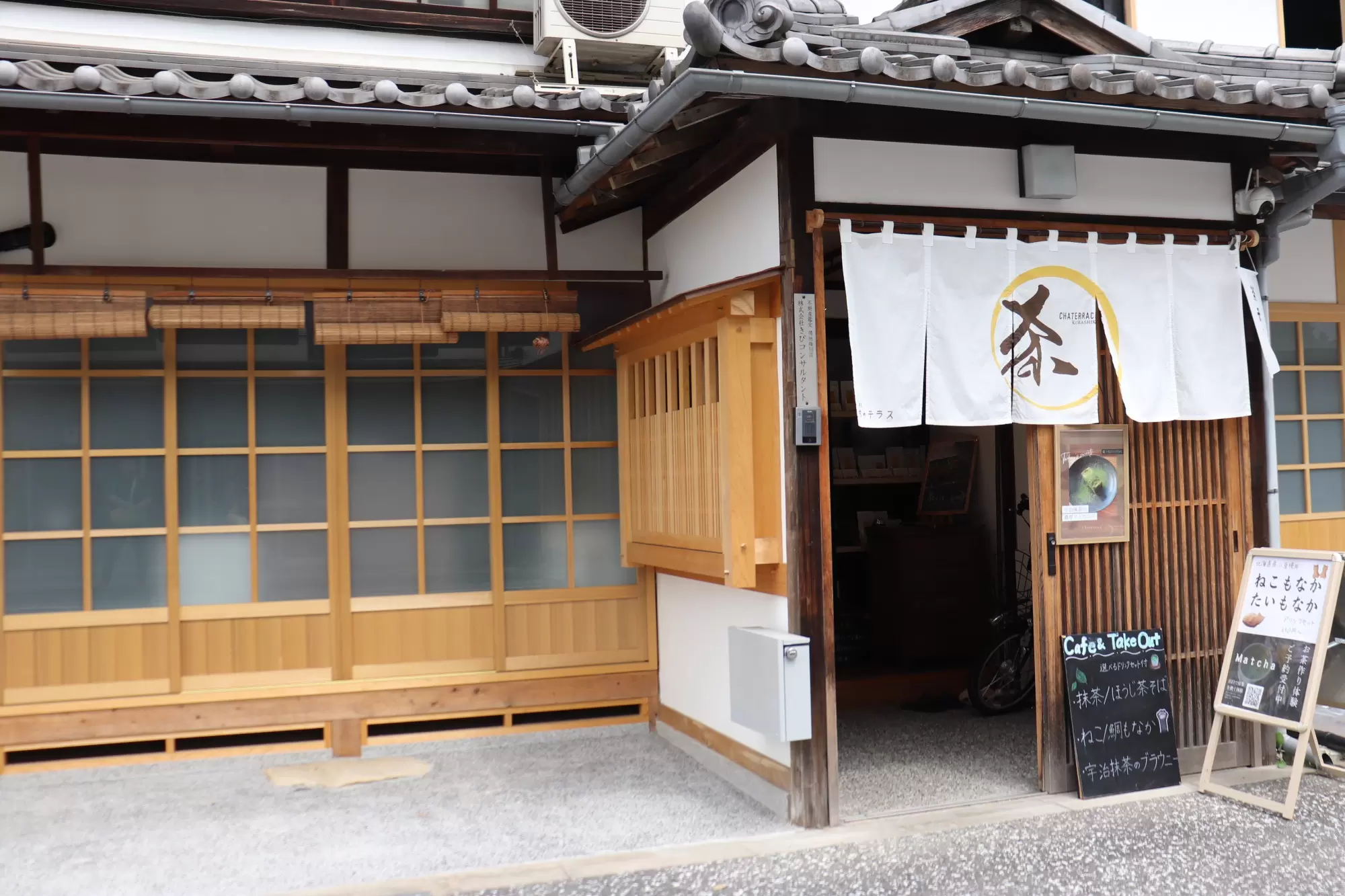
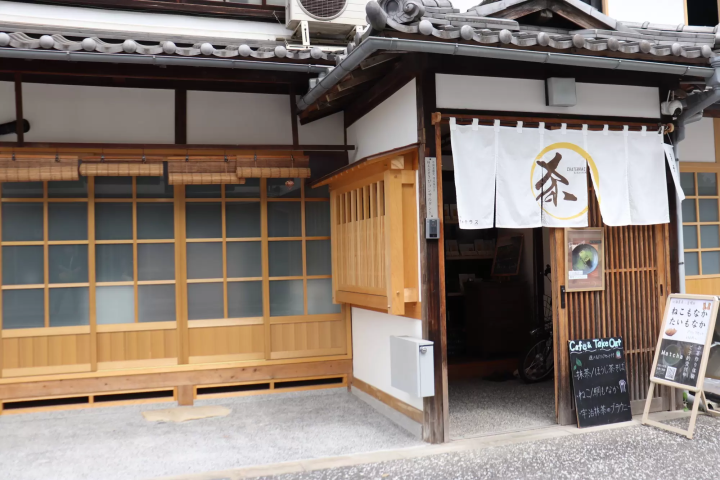
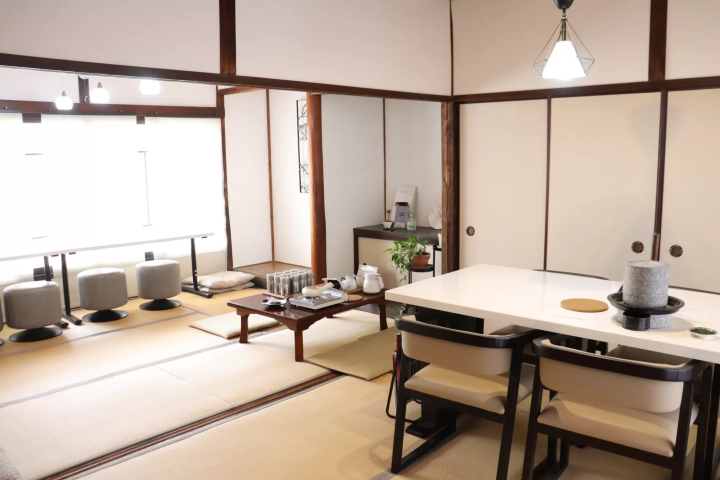
Nestled in the heart of the picturesque Kurashiki Bikan Historical Quarter, where white-walled storehouses and willow-lined canals evoke the elegance of the Edo period, lies a sanctuary for tea enthusiasts: Cha Terrace. Housed within a beautifully restored traditional building that has stood for over seven decades, this specialty shop has become a focal point for those looking to look beyond the cup and engage with the rich, sensory history of Japanese tea.
By blending hands-on education with the tranquil atmosphere of a historic townhouse, Cha Terrace offers an immersive experience that transforms the simple act of drinking tea into a profound cultural journey.
The Genesis of a Tea Sanctuary: Main Facts
Cha Terrace is more than just a café; it is a dedicated center for Japanese tea education. Founded in 2022 by proprietor Ishii, the shop emerged from a passion for the terroir of Okayama Prefecture. Often referred to as the "Land of Sunshine" due to its warm, temperate climate, Okayama has long been an overlooked powerhouse for high-quality tea production.
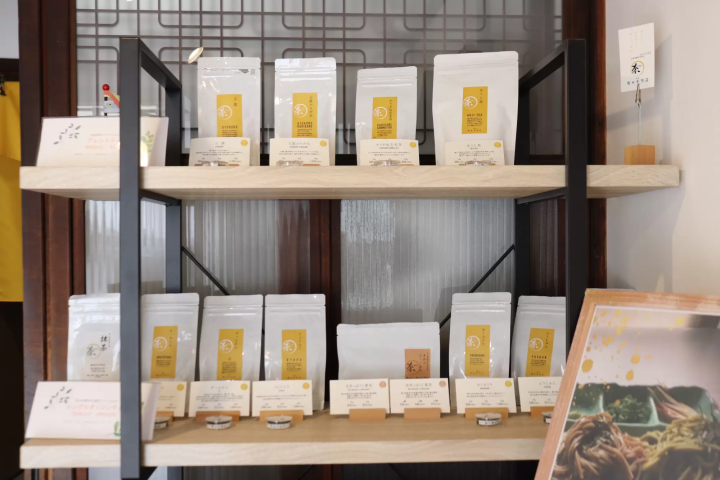
Ishii, who relocated from Tokyo to Kurashiki, recognized the untapped potential of local leaves. After earning professional Japanese tea qualifications and balancing his career in real estate, he transformed a 70-year-old historic house into a weekend-only destination for tea lovers. Today, the shop serves as a bridge between Okayama’s agricultural heritage and modern consumers, offering visitors the chance to grind their own matcha, roast their own hojicha, and craft unique, personalized tea blends.
A Journey Through Time: The Chronology of Cha Terrace
The evolution of Cha Terrace reflects the broader movement in Japan toward "experiential tourism"—where travelers seek to learn skills rather than merely observe sights.
- Pre-2022: Proprietor Ishii identifies the potential for tea cultivation in Okayama’s unique climate. He begins deep-diving into tea certification and scouting locations within the historically significant Kurashiki Bikan area.
- 2022: Cha Terrace officially opens its doors. Operating primarily on weekends and public holidays, it begins its journey as a boutique, appointment-based experience space.
- Present Day: The shop has solidified its reputation as a "must-visit" destination. It serves as a living museum, where the architecture of the Showa era meets the ancient traditions of tea processing, attracting a diverse demographic of international tourists, domestic travelers, and local residents.
The Science of the Leaf: Supporting Data and Insights
To understand the value of the experience at Cha Terrace, one must understand the botany of the tea plant, Camellia sinensis. While the variety of Japanese teas—from light, grassy sencha to nutty, roasted hojicha—might seem vast, they are all derived from the same plant. The variation is entirely a result of processing, light exposure, and oxidation.
The Matcha Process: The Art of Tencha
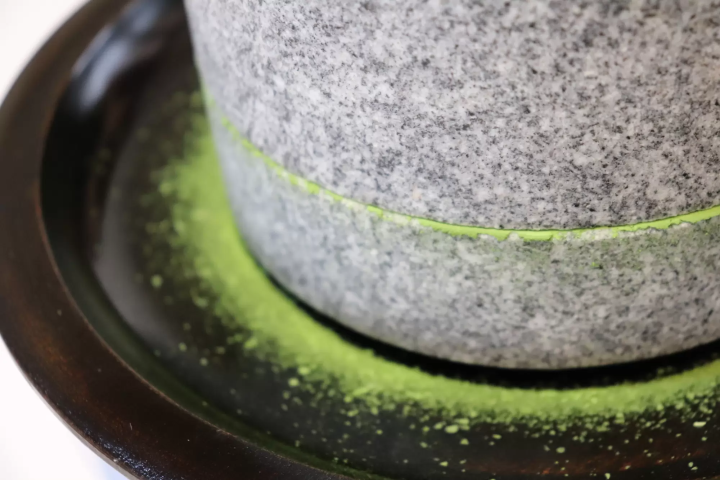
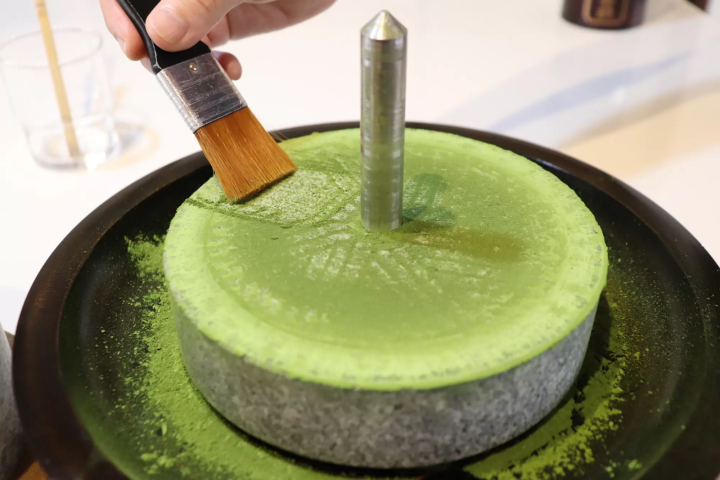
At the heart of the Cha Terrace experience is the creation of authentic matcha. Visitors work with "tencha," tea leaves grown under shade cultivation. By blocking sunlight before harvest, the plant increases its production of chlorophyll and the amino acid L-theanine. This process is critical: the L-theanine provides the characteristic savory "umami" flavor, while the lack of sunlight suppresses the development of catechins, which are responsible for bitterness.
The Role of Geology in Crafting Flavor
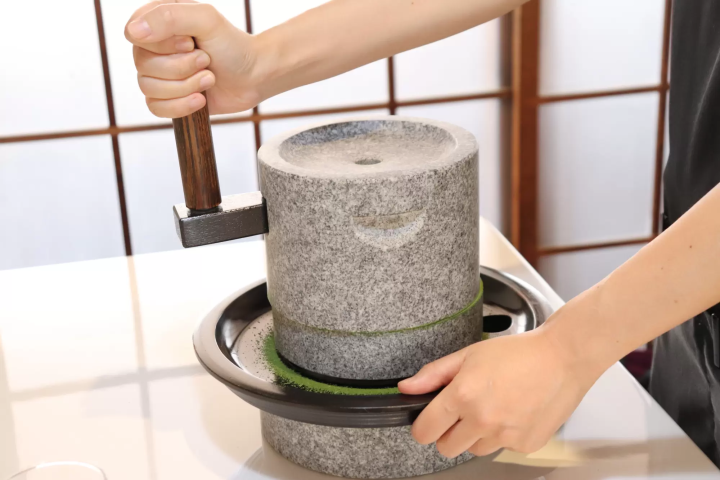
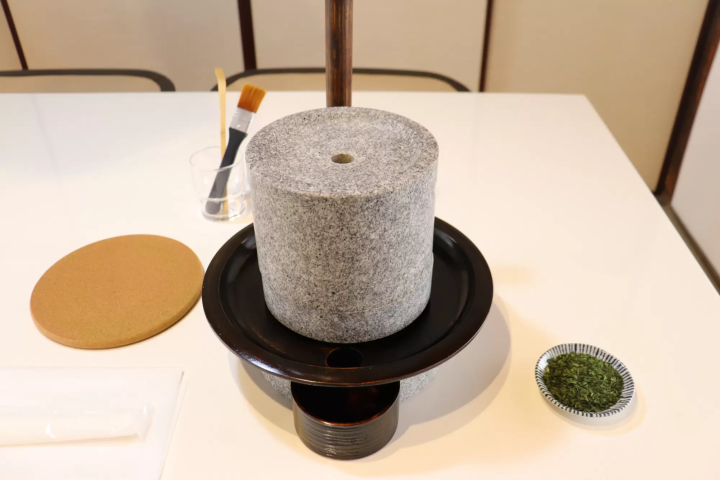
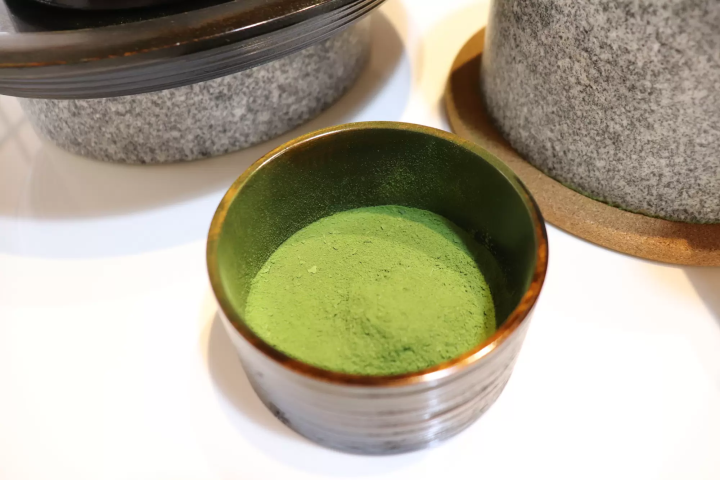
The precision of the matcha-making experience is supported by the equipment itself. Cha Terrace utilizes stone mills crafted from Aji Stone, a premium granite quarried from Mount Tsurugi in Kagawa Prefecture. The density and texture of Aji Stone are legendary in Japan; they allow for a grind that is extraordinarily fine without generating excess heat, which would otherwise degrade the delicate aromatic compounds of the tea leaves.
An Immersive Educational Experience: Official Offerings
Cha Terrace provides three primary, guided experiences, each designed to strip away the intimidating barriers often associated with formal tea ceremonies.
1. Stone-Ground Matcha Experience
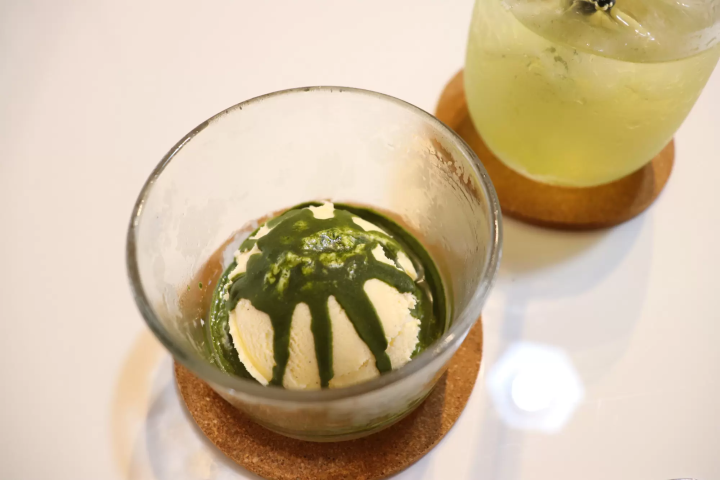
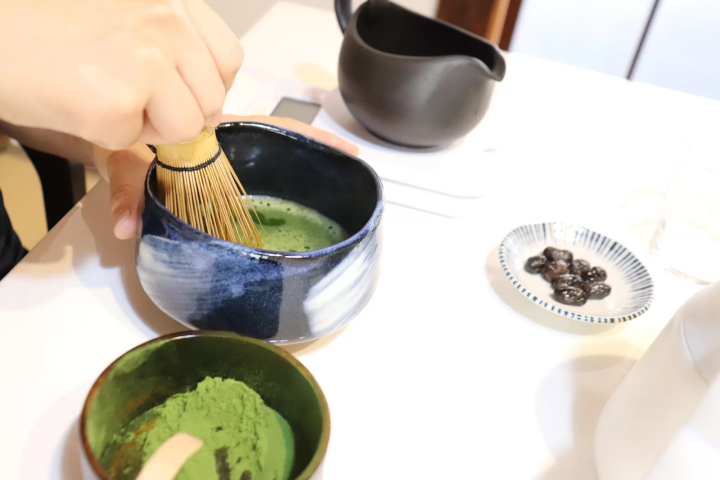
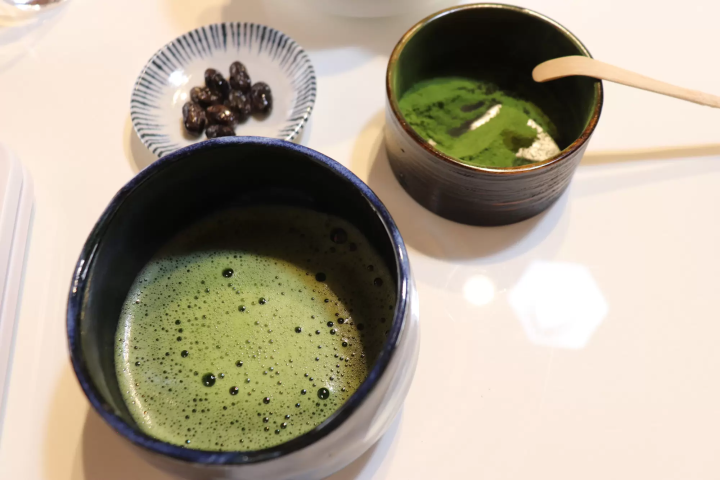
Participants are provided with an apron and 5g of tencha leaves. Over a 50-minute session, they grind the leaves in a rhythmic, counter-clockwise motion. The experience is tactile: the first grind produces a coarser powder, which is served as an "affogato" over ice cream—a masterful use of the ingredient’s texture. The second, finer grind is then whisked using a traditional bamboo chasen into a frothy, vibrant bowl of matcha.
- Price: 3,300 yen (tax included)
- Capacity: 4 people per session.
2. The Art of Roasting: Hojicha Experience
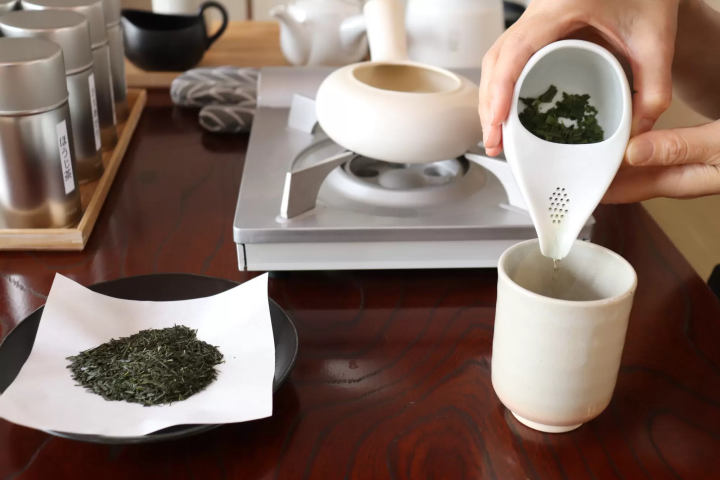
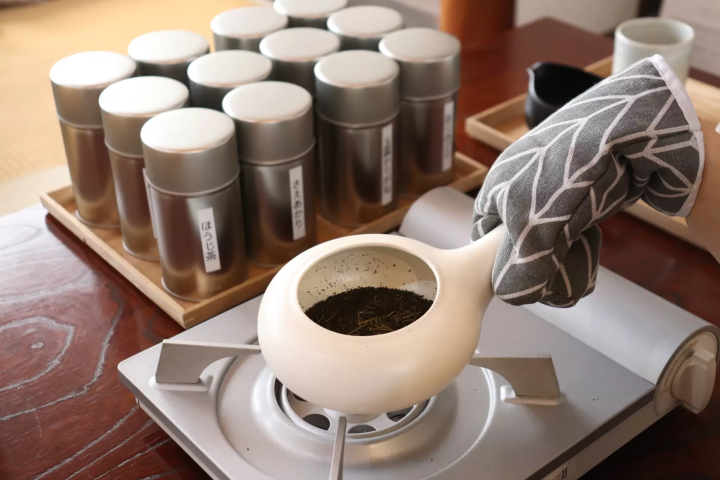
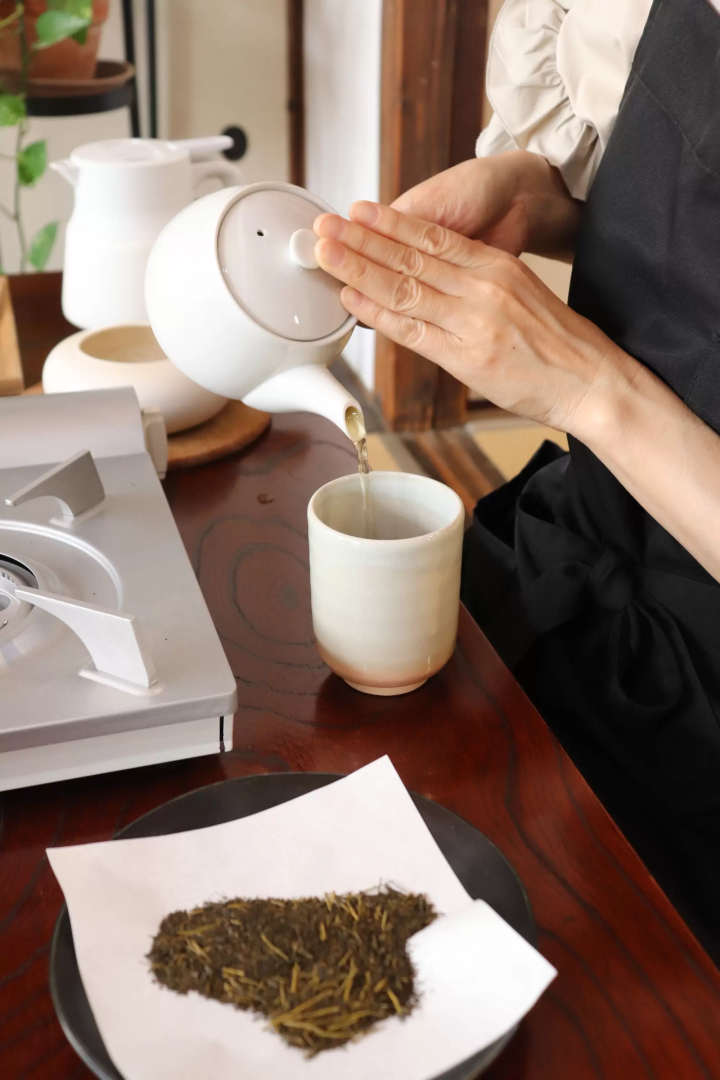
Hojicha is created by roasting green tea at high temperatures, a process that changes the tea’s chemical structure, removing bitterness and creating a toasted, caramel-like fragrance. Using a ceramic horoku (a traditional roasting pan), participants roast "Mae Akari" leaves from Mimasaka, Okayama. The experience highlights the transformation of the leaf from a vegetal green to a deep, earthy brown.
- Price: 2,860 yen (tax included)
- Duration: Approximately 40 minutes.
3. Original Blend Tea Creation
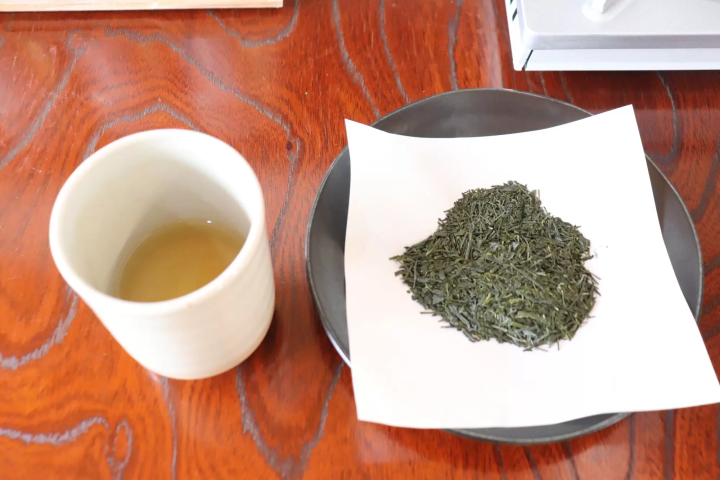
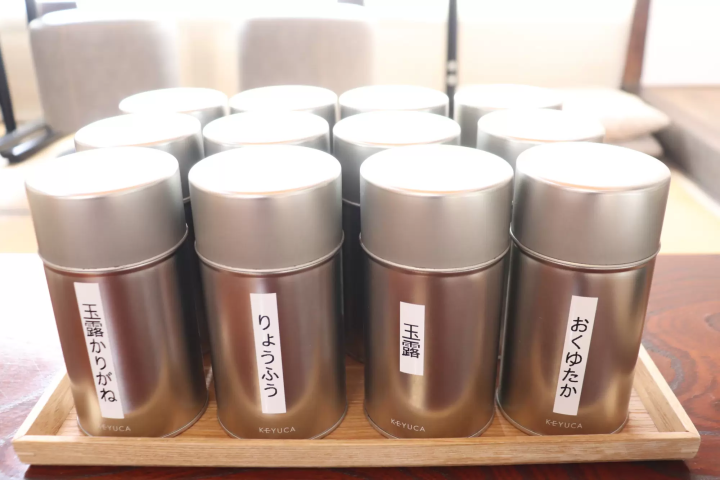
For those who prefer a more creative approach, this workshop allows guests to select three distinct Okayama-grown tea leaves. Under the guidance of the staff, participants adjust ratios to suit their palate, learning the science of brewing temperatures along the way.
- Price: 3,850 yen (tax included)
- Duration: Approximately 40 minutes.
Culinary Integration: The Café Menu
The experience at Cha Terrace extends into the culinary realm. The shop’s second floor serves as a serene café where the focus remains on the marriage of tea and traditional Japanese ingredients.
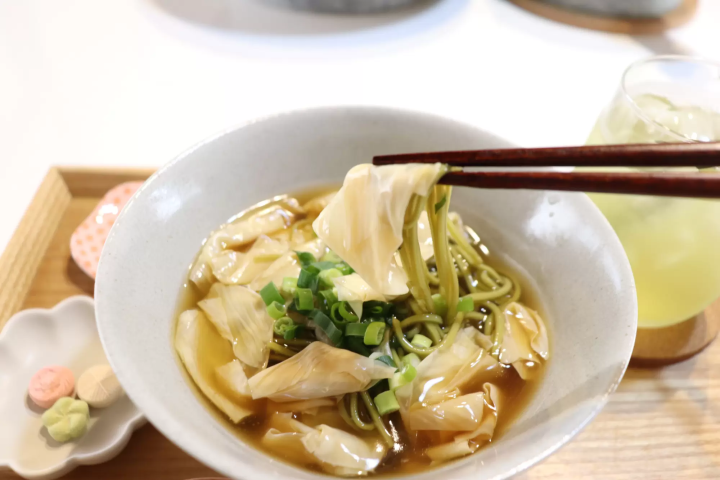
The "Fluffy and Creamy Yuba Soba" is a highlight. Yuba, the delicate soy milk skin, provides a rich, silky contrast to the firm texture of the tea-infused soba noodles. Paired with a chilled cup of "Okuyutaka" tea, the meal is designed to cleanse the palate and highlight the nuanced umami of the ingredients.
For a lighter snack, the "Neko Monaka"—a cat-shaped wafer filled with sweet red bean paste—is a testament to the shop’s commitment to quality. Prepared to order, the wafer remains crisp, contrasting perfectly with the dense, smooth texture of the bean paste.
Implications for Tourism and Preservation
The success of Cha Terrace serves as a model for the preservation of historic districts across Japan. By repurposing old buildings for specialized, low-impact tourism, the shop contributes to the local economy while fostering a deeper appreciation for regional agriculture.
For international visitors, Cha Terrace removes the intimidation factor of Japanese tea. By focusing on the how and why of tea preparation, the staff ensures that the experience is accessible regardless of one’s knowledge of tea etiquette. It transforms the visitor from a passive spectator into an active participant in a living tradition.
Visit Information
- Location: 1-26 Higashimachi, Kurashiki City, Okayama Prefecture.
- Hours: 10:00 – 17:00 (Weekends and Public Holidays).
- Contact: 050-3091-3561
- Booking: Cha Terrace Official Reservation Site
As you traverse the Bikan Historical Quarter, a stop at Cha Terrace is not merely a break from sightseeing—it is an invitation to slow down, listen to the rhythmic sound of a stone mill, and taste the true character of Okayama’s sun-drenched landscape. Whether you are a connoisseur or a curious traveler, the shop offers a rare, intimate look at the soul of Japanese tea culture.


 Neng Nana
 Asro
Asro