For over two decades, Final Fantasy XI (FFXI) has stood as a monumental pillar in the history of MMORPGs. While the game itself is celebrated for its narrative depth and challenging cooperative gameplay, its sonic identity is perhaps its most enduring legacy. Recently, a long-overlooked piece of Square Enix’s musical catalog—the Final Fantasy XI VanaCon Anniversary 11.11.11 concert DVD—has surfaced as a vital artifact for those who cherish the realm of Vana’diel. This orchestral performance serves not merely as a recital, but as a time capsule, capturing the spirit of a community at its zenith.
Main Facts: The Intersection of Music and Memory
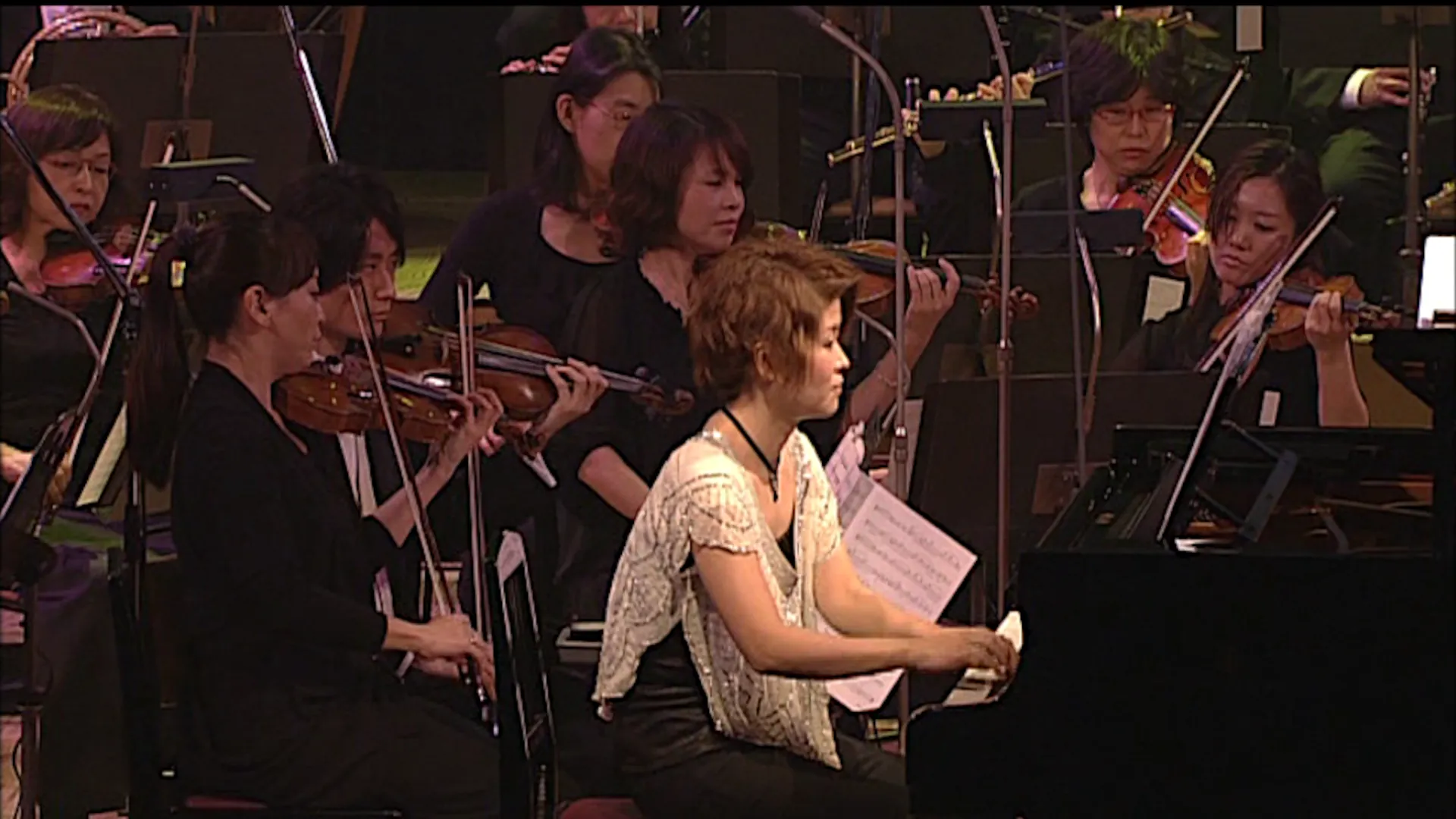
Released in the wake of the 2011 anniversary festival, the VanaCon 11.11.11 DVD documents a rare, high-caliber orchestral performance held on November 11, 2011—a date chosen for its numerical symmetry with the game’s 11th year. The concert, which spans approximately 90 minutes, features the work of esteemed composers Naoshi Mizuta and Nobuo Uematsu, alongside the virtuosic piano performances of Kumi Tanioka.
The production is a testament to the "golden era" of Square Enix’s concert series. Unlike the modern, globally accessible Distant Worlds tours, this specific performance was tailored for the Japanese domestic market. Consequently, the release lacks English subtitles, a characteristic common for Square Enix physical media of that period. Despite this, the language of the music transcends cultural barriers. The performance is divided into two distinct parts, interspersed with spoken-word introductions and commentary from the game’s development team, providing a human element to the otherwise formal orchestral arrangement.
A Chronological Journey Through Vana’diel
The concert is meticulously structured to guide the listener through the history of the game, beginning with the iconic "Vana’diel March" medley. These themes, which defined the login experience for millions of players, are presented as a sophisticated evolution of the series’ core identity. Hearing these marches in sequence—from the base game through the Wings of the Goddess expansion—highlights the compositional growth of Naoshi Mizuta.
Part One: Nostalgia and Grandeur
The first half of the concert focuses on the environmental storytelling that made FFXI so immersive. The performance of "Ronfaure," a piece originally composed by Nobuo Uematsu, is a highlight. In an orchestral setting, the woodwind arrangements breathe new life into the familiar forest aesthetic, evoking a sense of ancient, untamed wonder.
The energy shifts significantly with "Griffons Never Die," a theme from the Wings of the Goddess expansion. Arranger Hayato Matsuo, known for his work on the Dragon Quest series and Ogre Battle 64, provides a texture that balances the string sections against a commanding brass core. This segues into the high-stakes intensity of "Fighters of the Crystal" and the militaristic "Ragnarok." The latter, a 6/8 time signature masterpiece, serves as an aural representation of the apocalyptic war between the gods Odin and Alexander. The first half concludes with "Distant Worlds," featuring the original vocalist Izumi Masuda, whose performance remains the definitive benchmark for the piece.
Part Two: The Tanioka Interlude and Orchestral Climax
The second act opens with the Shadow Lord’s theme, "Awakening." While the arrangement leans heavily into wind and string textures, it captures the rhythmic complexity of the original boss fight. However, the true centerpiece of the second half is the solo piano set by Kumi Tanioka.
Tanioka, a pivotal architect of the FFXI soundscape, brings an intimate, human touch to the concert. Her performances of "The Sanctuary of Zi’Tah" and "Gustaberg" serve as a reminder of the power of solo instrumentation. In an era where many soundtracks are heavily synthesized, Tanioka’s decision to perform her own arrangements on a grand piano reveals the melodic skeletons of these pieces. The subsequent transition into "Four Nations, One Sky ~ A Tribute to the Cities"—a piano concerto backed by the full orchestra—stands as the most technically impressive segment of the evening, blending the disparate identities of San d’Oria, Bastok, Windurst, and Jeuno into a cohesive, sweeping narrative.
Supporting Data: Composition and Production Value
The technical quality of the DVD is representative of the high production standards of the early 2010s. The concert utilizes a large screen behind the orchestra, displaying in-game footage that functions as a visual narrative. This editorial choice—intercutting between the orchestra, the conductor, and the game’s cinematic engine—provides a "music video" experience that keeps the audience engaged.
From a musicological perspective, the inclusion of "Melodies Errant" is particularly notable. As the battle theme for the Abyssea content, it was a piece players heard on a relentless loop for months at a time. The orchestral arrangement manages to elevate this repetitive, high-intensity track by emphasizing the Lydian modes and shifts in dissonance that were often lost in the compressed audio of the game client. It is a masterclass in how to translate a "grind" theme into a concert-worthy opus.
Official Responses and Behind-the-Scenes Insights
The 12-minute bonus feature included on the disc offers a rare glimpse into the professional relationship between the FFXI development team and the musicians. Composer Naoshi Mizuta speaks candidly about the challenges of translating digital audio into acoustic performance. The rehearsals shown reveal a rigorous, almost academic approach to the arrangements, with conductor Masahiko Enkoji meticulously managing the balance between the delicate piano leads and the thunderous orchestral swells.
These interviews emphasize a core philosophy held by the development team: Final Fantasy XI was never just a game; it was a collaborative digital society. The music was the glue that held the social and mechanical elements together, and the musicians involved were treated as equal contributors to the game’s lore.
Implications: The Lasting Legacy of Vana’diel
The primary implication of this concert—and its continued availability on platforms like CDJapan—is the preservation of "MMO culture." Unlike single-player titles that have a definitive end, Final Fantasy XI continues to operate, but the cultural zeitgeist surrounding it has shifted. This DVD represents a peak moment of collective engagement, where the barrier between the player and the world was thinned by the power of a live orchestra.
For contemporary fans of video game music, the VanaCon 11.11.11 concert is an essential study in the transition from synthesis to orchestration. It serves as a bridge between the early, hardware-limited era of game audio and the modern, prestige-focused concert series that fill stadiums today.
Final Verdict
For those who spent their formative years navigating the zones of Vana’diel, this recording is not merely a collection of tracks; it is an emotional homecoming. It captures the grandeur, the struggle, and the quiet, lonely beauty of an online world that, for many, was their first true digital home. As the years pass, the availability of such physical media becomes increasingly rare. Those who have yet to experience this specific performance would be wise to seek out a copy before it vanishes into the archives of gaming history, leaving only echoes in its wake. It is a sublime, flawed, and deeply human document of one of gaming’s greatest musical legacies.