Rifan Muazin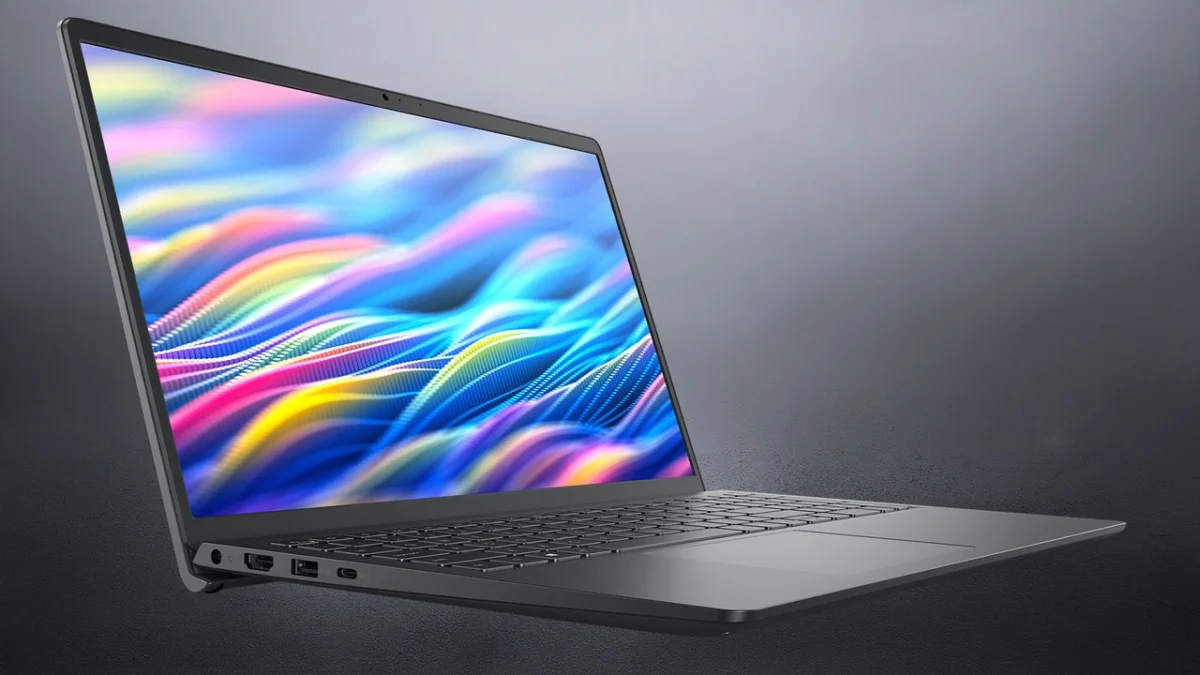
In an era where tech enthusiasts are constantly bombarded with news about $3,000 gaming rigs and cutting-edge workstations capable of rendering complex AI models, it is easy to lose sight of the "workhorse" segment of the market. For the vast majority of students, office professionals, and home users, the requirement isn’t raw, bleeding-edge performance—it is reliability, efficiency, and value. Enter the Dell 15 laptop, a device that effectively bridges the gap between affordability and functional power. Currently retailing for just $349.99, this machine is positioning itself as one of the most compelling value propositions in the current entry-to-mid-level laptop market.
Main Facts: A Balanced Specification Sheet
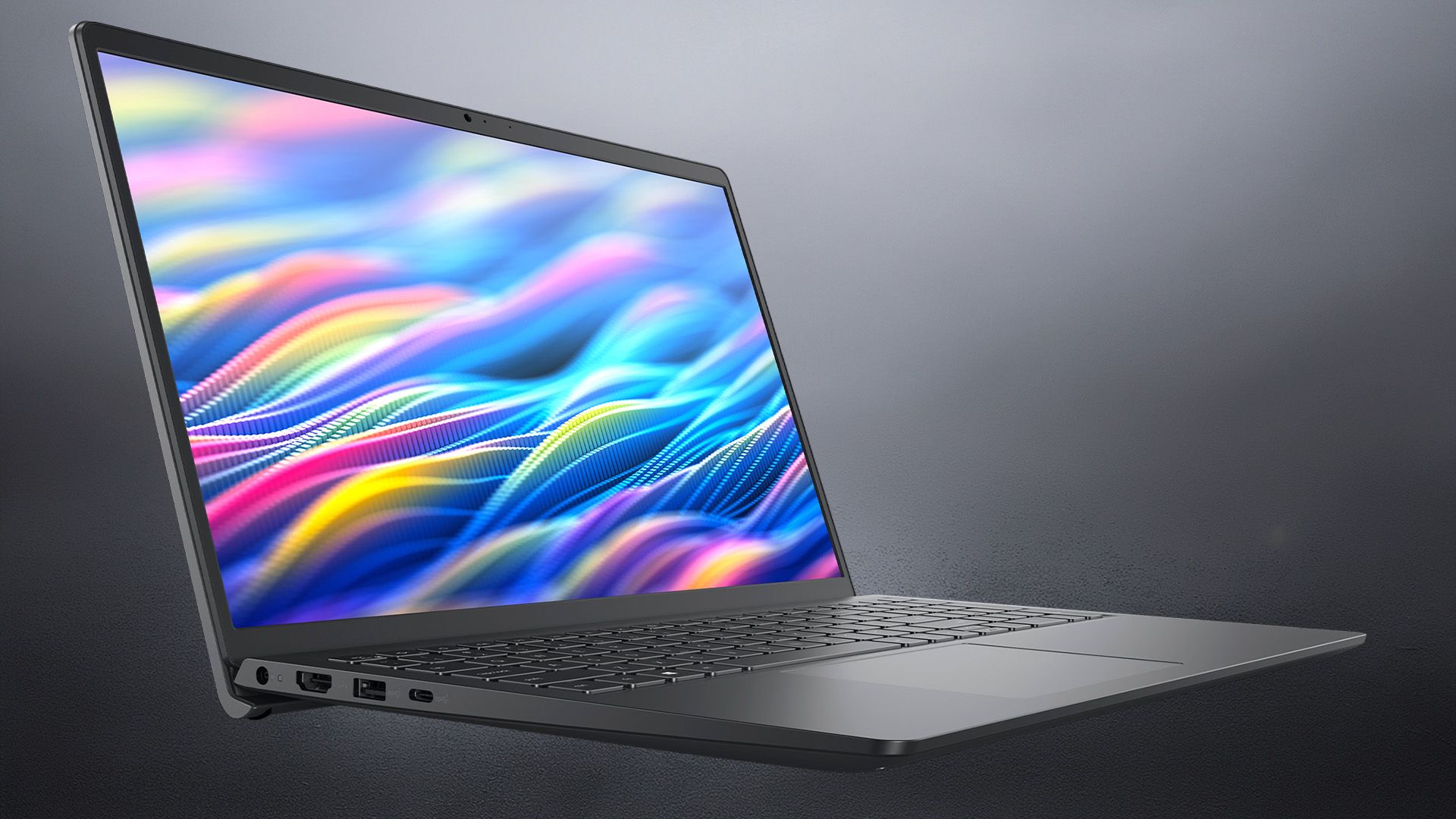
At its core, the Dell 15 is built around the Intel Core 3 100U processor. While it may not carry the "i7" or "i9" branding that dominates high-end marketing, the 100U is a sophisticated piece of silicon designed for the modern hybrid workspace. It utilizes a hybrid architecture featuring two Performance-cores (P-cores) and four Efficient-cores (E-cores). This configuration is optimized for thermal management and battery longevity, allowing the laptop to clock up to 4.7 GHz when the workload demands it, while scaling back during lighter tasks like word processing or web browsing.
The machine ships with 8GB of DDR4-2666 RAM and a 512GB M.2 NVMe SSD. While these specs are standard for this price point, Dell has made a critical design choice that differentiates this model from many of its competitors: the components are user-accessible. By providing room for future upgrades, Dell ensures that the laptop can evolve with the user’s needs, extending the lifecycle of the hardware significantly beyond the standard two-year window.
The visual experience is anchored by a 15.6-inch FHD (1920 x 1080) display. Notably, this panel boasts a 120 Hz refresh rate—a feature rarely seen in budget-tier notebooks. Combined with 250 nits of brightness and an anti-glare coating, the screen is well-suited for office environments with overhead fluorescent lighting or home setups near windows, minimizing distracting reflections.
A Chronological Perspective on Budget Computing
The evolution of the "budget" laptop category has been nothing short of transformative over the last decade. Historically, purchasing a laptop for under $400 often meant compromising on build quality, settling for sluggish mechanical hard drives, or accepting low-resolution screens.
- 2014–2017: The era of "netbooks" and bottom-tier plastics. Devices at this price point were often underpowered, relying on Intel Celeron or Pentium processors that struggled with modern web browser demands.
- 2018–2021: The transition to SSDs. As NAND flash storage prices dropped, manufacturers began ditching slow HDDs, finally allowing budget laptops to feel "snappy" in day-to-day operations.
- 2022–Present: The Hybrid Architecture Shift. With the introduction of Intel’s hybrid architecture (Core 3/5/7 series), we have entered a period where the efficiency of mobile chips has reached a tipping point. The current Dell 15 represents the culmination of this shift, offering performance levels that would have been considered "mid-range" just three or four years ago.
Supporting Data: Why This Hardware Matters
To understand why the Dell 15 represents a smart investment, one must look at the synergy between its components. The Intel Core 3 100U is not designed to compete with the high-TDP chips found in gaming laptops, but it excels in the "bursty" nature of office tasks.
Performance Metrics
- Multitasking Efficiency: The P-core/E-core split allows the system to background low-priority tasks (like Windows updates or syncing cloud storage) on the E-cores, while keeping the P-cores ready to launch applications or process complex spreadsheets instantly.
- The 120Hz Advantage: While 120Hz is often marketed toward gamers, its benefit extends to everyday office work. The smoothness of scrolling through long documents or web pages reduces eye strain and makes the interface feel more responsive.
- Storage Throughput: The move to NVMe SSDs ensures that boot times remain under 15 seconds, a stark improvement over the minute-plus boot times of the previous decade’s budget laptops.
Connectivity and Battery
The inclusion of Wi-Fi 6 ensures that the device is future-proofed for modern home and office mesh networks. Furthermore, the 41 WHr battery is supported by Dell’s proprietary ExpressCharge technology. The ability to hit an 80% charge in roughly one hour is a massive quality-of-life improvement for users who need to grab their laptop for a meeting or a lecture on short notice.
Official Manufacturer Stance
Dell’s strategy with this particular model has been to prioritize "functional longevity." By keeping the internal components upgradeable—a rarity in a market that is increasingly moving toward soldered RAM and permanent storage—Dell is acknowledging a shift in consumer behavior. Users are no longer looking for "disposable" tech; they are looking for platforms that can be maintained.
In official documentation and marketing materials, Dell highlights the "essential" nature of the device. The company frames this laptop not as a gaming powerhouse, but as a reliable tool for digital literacy, professional productivity, and educational excellence. By maintaining a price point of $349.99, Dell is clearly targeting the "back-to-school" demographic and the corporate procurement departments looking for fleet-wide solutions that don’t break the budget.
Implications for the Market
The existence of the Dell 15 at this price point carries several implications for the broader laptop market:
- Increased Competition: Manufacturers who continue to offer low-resolution screens or non-upgradeable hardware at this price point will find it increasingly difficult to compete. The "120Hz/FHD/SSD" trifecta is rapidly becoming the new baseline expectation for entry-level devices.
- Sustainability: By designing a laptop that allows for memory and storage upgrades, Dell is inadvertently participating in the "Right to Repair" conversation. Extending the life of a laptop by just two years through a simple RAM upgrade prevents an entire device from entering the e-waste stream, which is a positive trend for both the consumer’s wallet and the environment.
- The Death of the "Slow" Laptop: We are approaching a point where the term "budget laptop" no longer equates to "frustrating experience." The silicon improvements from Intel, combined with aggressive pricing from OEMs like Dell, mean that the floor for a high-quality computing experience has been raised significantly.
Conclusion: Who Should Buy This?
The Dell 15 is not for the professional video editor, the high-fidelity gamer, or the machine learning engineer. However, it is an exceptional choice for the student who needs to research and write papers, the office worker who relies on browser-based tools and video conferencing, and the home user who wants a reliable device for media consumption and administrative tasks.
For $349.99, you are receiving a machine that is fast, responsive, and capable of being upgraded as your needs grow. It is a reminder that in the world of technology, the most important device is not the one with the highest benchmark score, but the one that allows you to get your work done efficiently, reliably, and without unnecessary expense. Whether you are upgrading from an aging, slow-moving laptop or buying your first serious computer, the Dell 15 stands as a testament to the fact that you don’t need to overspend to get a machine that truly performs.

 Dwi Wanna
 Jia Lissa