Reynand Wu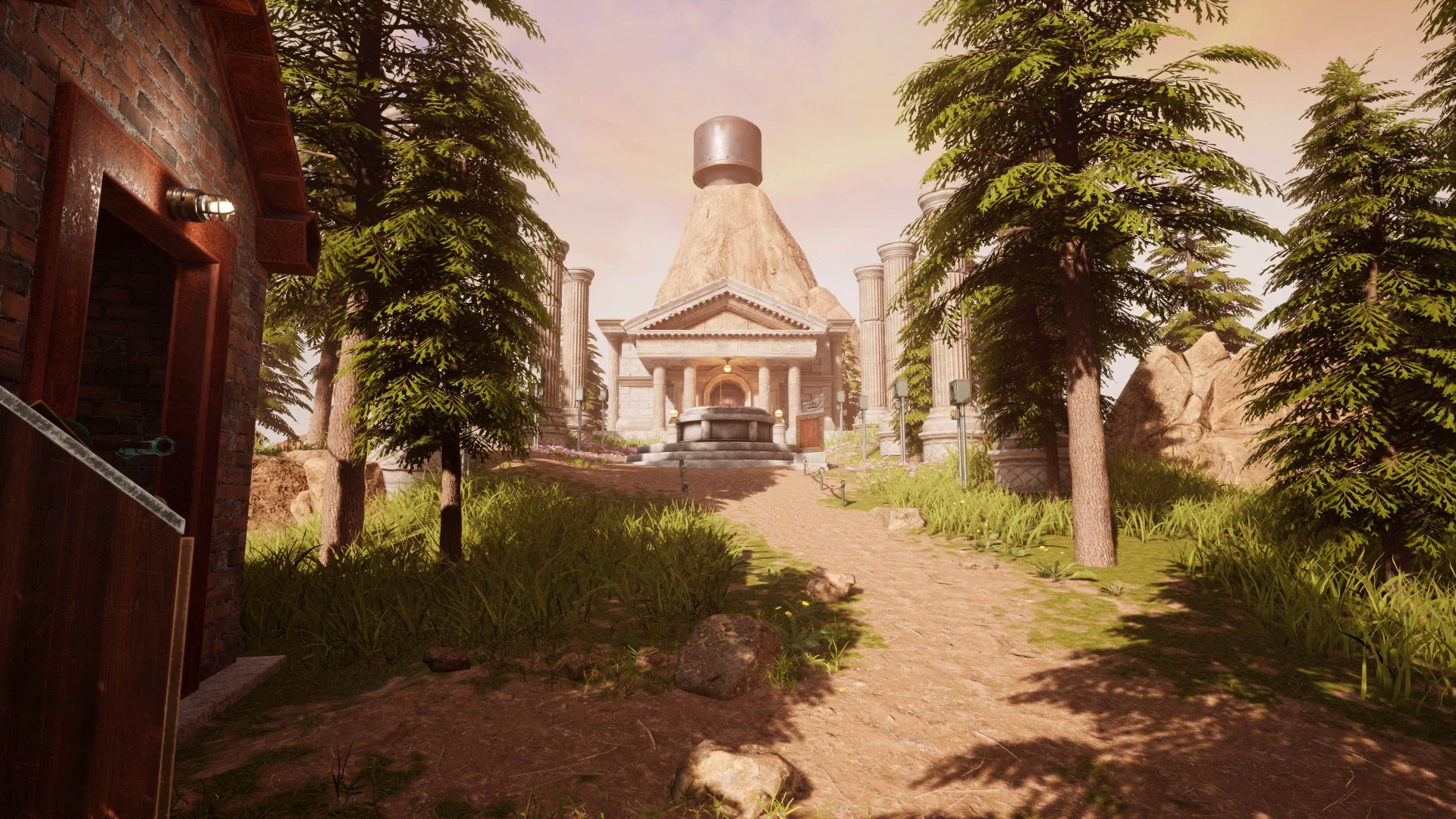
"The Surrealistic Adventure That Will Become Your World." This bold declaration, emblazoned on the box art of the original 1993 Myst, was more than mere marketing hyperbole; it was a promise that defined a generation of PC gaming. Decades later, as Cyan Worlds brings its 2021 Unreal Engine-powered remake to the PlayStation 5, that promise remains hauntingly intact. For those who missed the phenomenon the first time, or for veterans looking to return to the island, this latest iteration serves as the definitive portal into one of gaming’s most significant cultural touchstones.
The Genesis of an Island: A Chronology of Myst
To understand the weight of this release, one must appreciate the trajectory of the Myst franchise. Developed by brothers Robyn and Rand Miller, the original Myst arrived at a pivotal moment in technology. It was a flagship title for the CD-ROM era, utilizing pre-rendered, static imagery to create a sense of place that felt vastly more sophisticated than the pixelated sprites of its contemporaries.
- 1993: The original Myst is released, shattering sales records and popularizing the first-person adventure genre.
- 2000: realMyst launches, introducing the concept of real-time 3D movement to the island for the first time.
- 2014: realMyst: Masterpiece Edition arrives, refining the visuals with the Unity engine and modernizing the interface.
- 2021: Cyan Worlds releases a ground-up remake in Unreal Engine, designed for high-fidelity VR and desktop play.
- 2025-2026: Continued support and updates bring the "Rime" age and optional classic FMV character models to the console ecosystem, culminating in the current PS5 release.
Anatomy of the Experience: A First-Person Odyssey
Entering the world of Myst blindly is an experience in profound isolation. The player arrives on a desolate, beautiful island with no tutorial, no health bar, and no traditional inventory. The premise is deceptively simple: you are an explorer who discovers a mysterious book that transports you to an island sanctuary.
Within the island’s library, the narrative reveals itself through two trapped brothers, Sirrus and Achenar. These feuding siblings are imprisoned within red and blue books, respectively, each begging for their release while painting the other as a villain. The player’s objective is to navigate the "Ages"—pocket dimensions connected to the island—to retrieve the pages necessary to liberate one of the brothers. This central conflict is punctuated by holographic recordings of their father, Atrus, a man whose genius—and moral ambiguity—serves as the backbone of the island’s lore.

The Art of Environmental Logic
The game’s design philosophy, often summarized as "an inch long, a mile deep," remains a masterclass in subtlety. Unlike modern titles that rely on objective markers and quest logs, Myst demands total immersion. Players must become cartographers, jotting down numbers, sketching diagrams, and—as this writer discovered—resorting to smartphone photography to capture fleeting visual clues.
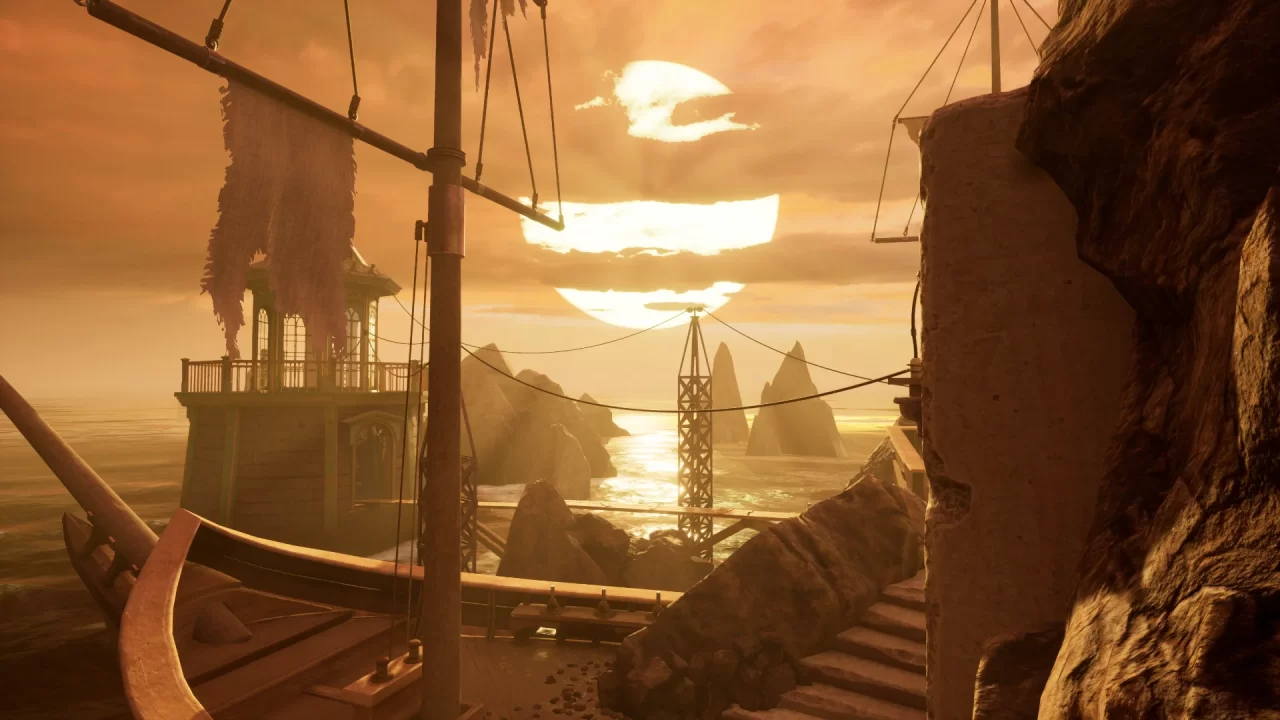
The transition to the Unreal Engine has provided the island with a level of tactile reality previously unseen. While the 2014 realMyst leaned into a stylized, painterly aesthetic, the current PS5 version prioritizes a hyper-realistic interplay of light, shadow, and geometry. The foliage rustles with dynamic purpose, and the ocean waves hitting the shore carry a weight that grounds the surreal environment in a sense of physical history.
Supporting Data: Examining the Mechanics
The core gameplay loop of Myst revolves around the manipulation of the environment. From complex gear systems and subterranean elevators to the nuanced use of sound, the puzzles are woven into the very fabric of the world.
The Control Conundrum
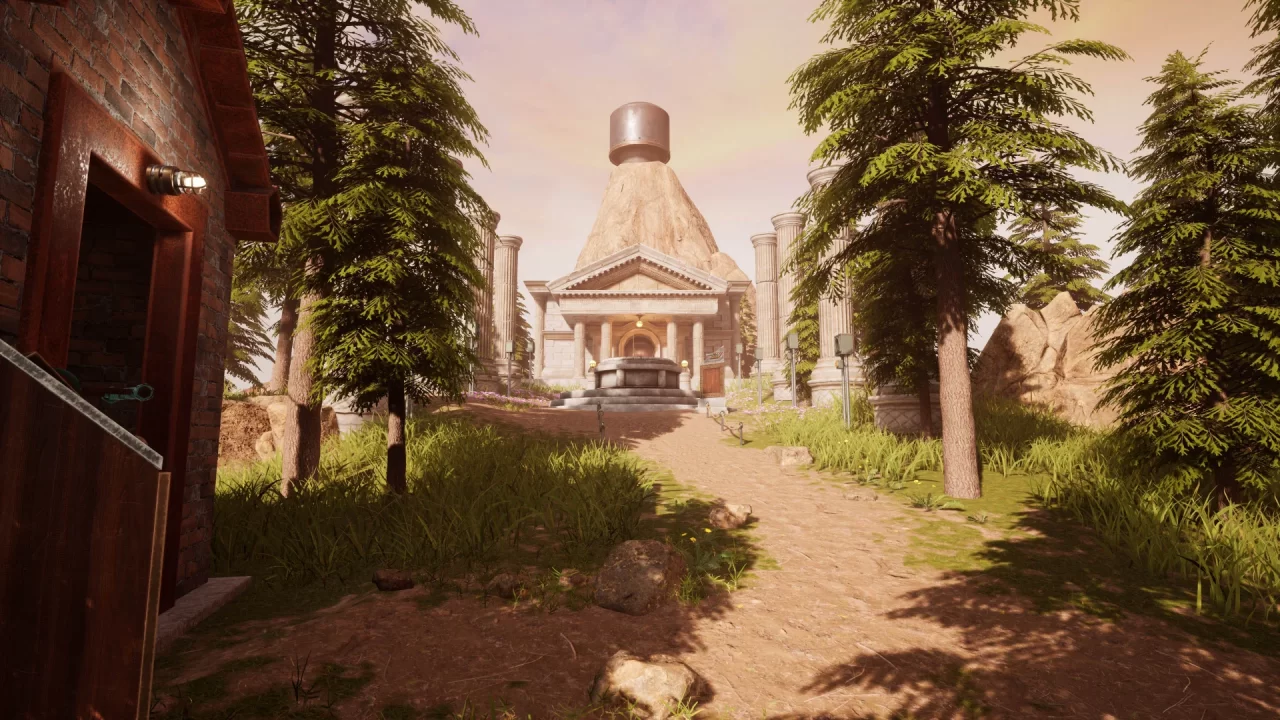
While the world-building is impeccable, the mechanical interface on console presents challenges. The game relies on a system where clicking an object shifts the camera, at which point the player uses various controller inputs to manipulate levers, switches, or buttons. While a persistent diagram of the controls helps, the transition between exploration and puzzle-solving can be jarring. Inconsistent input recognition occasionally disrupts the flow, reminding the player that this is, at its heart, a PC-native experience ported to a controller.
Sound as a Narrative Tool
Robyn Miller’s original score is a cornerstone of the Myst experience. The music is an eclectic blend of ambient, moody soundscapes and sudden, grandiose swells. In the current remake, the audio has been remastered, preserving the original compositions while enhancing the fidelity. It is a testament to the design that these compositions—which might be described as "amateurish" by modern orchestral standards—perfectly capture the melancholic, slightly off-kilter nature of the island. This "Pavlovian" sound design has arguably influenced decades of environmental storytelling in games ranging from Return of the Obra Dinn to What Remains of Edith Finch.
Official Responses and Iterative Design
Cyan Worlds has been remarkably responsive to the criticisms leveled at the 2021 PC release. The most significant of these is the reintegration of the "Rime" age. Originally appearing in realMyst, this epilogue world offers some of the most challenging and forward-thinking puzzles in the series.
Furthermore, for purists, the developer has added the ability to toggle between the modern, somewhat divisive CG character models and the original live-action FMVs. This choice is vital; it honors the kitschy, high-effort charm of the 1993 original while allowing newcomers to enjoy a cohesive visual experience. The addition of a "Randomizer" mode for returning fans is a brilliant touch, effectively forcing players to re-learn the logic of the puzzles rather than relying on muscle memory.
Implications: The Antidote to "More is More"
The most profound implication of the PS5 release is the validation of Myst’s design as a timeless standard. In an era where AAA gaming is often dominated by "more is more" design—bloated maps, excessive collectables, and constant hand-holding—Myst stands as a defiant monument to intentionality.
Why It Still Matters
The success of this remake suggests that there is a hunger for "video game homework" that is actually rewarding. When a game trusts the player to be intelligent, observant, and patient, it creates a bond between the creator and the user that few modern titles achieve. The frustration of being stuck on a puzzle for an hour is not a failure of design, but a gateway to a genuine "aha!" moment.
The Verdict on Modernization
While some might argue that the "node-based" movement of the original was the true intended challenge—a form of "Google Maps Streetview" navigation that forced players to visualize the space—the current 3D navigation makes the world feel smaller but more coherent. The rare instances of frustration, such as the lengthy minecart puzzle, serve as reminders that the game is a product of its time. However, these are minor blemishes on an otherwise sterling experience.
Conclusion: A Weekend Well Spent
Myst remains a surrealistic adventure that, once entered, is difficult to vacate. It is a rare example of a classic that does not need a massive mechanical overhaul to remain relevant. By providing a stable, visually stunning, and feature-rich version of this legendary title, Cyan Worlds has ensured that the island of Myst will continue to challenge and enchant new generations of explorers.
For the modern gamer, playing Myst is not just an exercise in nostalgia; it is a lesson in how artful, intentional design can make a game feel as fresh today as it did when it first appeared on the Macintosh screen in 1993. It is a blissful, enigmatic, and deeply rewarding experience—a world that, for a few hours, is well worth calling your own.


 Asro
Asro
 Muslim