Nana Wu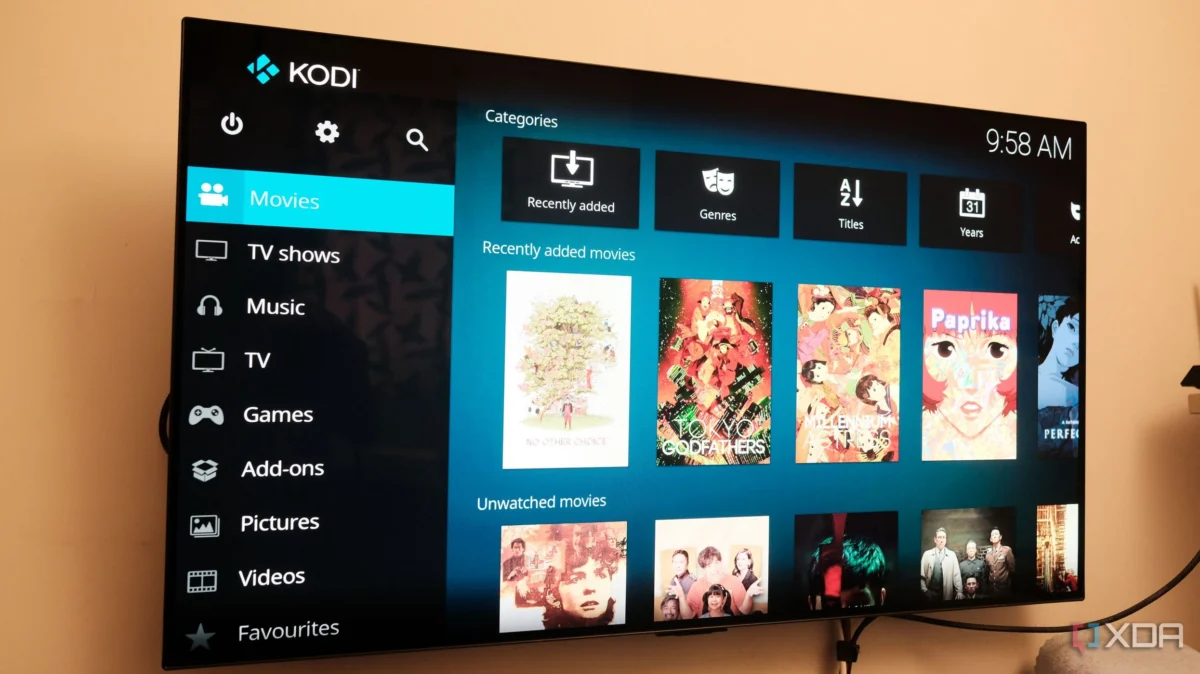
In the modern era of consumer electronics, buying a television has become an exercise in compromise. What was once a simple peripheral—a display designed to show moving images—has morphed into a data-harvesting Trojan horse. Consumers today are greeted with intrusive privacy prompts, non-skippable data-collection agreements, and aggressive account-creation requirements the moment they plug in their new displays.
For many, the path of least resistance is to simply click "Accept All" and move on. However, this convenience comes at a heavy cost. Manufacturers frequently hide features behind sign-in walls, and firmware updates have become notorious for silently re-enabling telemetry or injecting advertisements into the home screen. After years of dealing with declining software quality and the planned obsolescence of my high-end LG C2, I decided enough was enough. I opted to strip the "smart" out of my smart TV, replacing it with a dedicated media center running LibreELEC on a Raspberry Pi 4.

The Chronology of Discontent: A User’s Journey
My journey began with a simple observation: my television was getting slower, not better. Four years ago, my LG C2 felt like the pinnacle of home cinema technology. Today, it is effectively a "legacy" device. Despite being a premium piece of hardware, it will not receive the webOS 26 update. I am left with a buggy, lagging interface that serves as a billboard for streaming services I don’t subscribe to.
The breaking point arrived when a routine firmware update reset my privacy preferences, effectively opting me back into data collection. I realized that the "smart" features of modern TVs are not designed for the user; they are designed for the manufacturer to monetize the viewer’s attention and data.

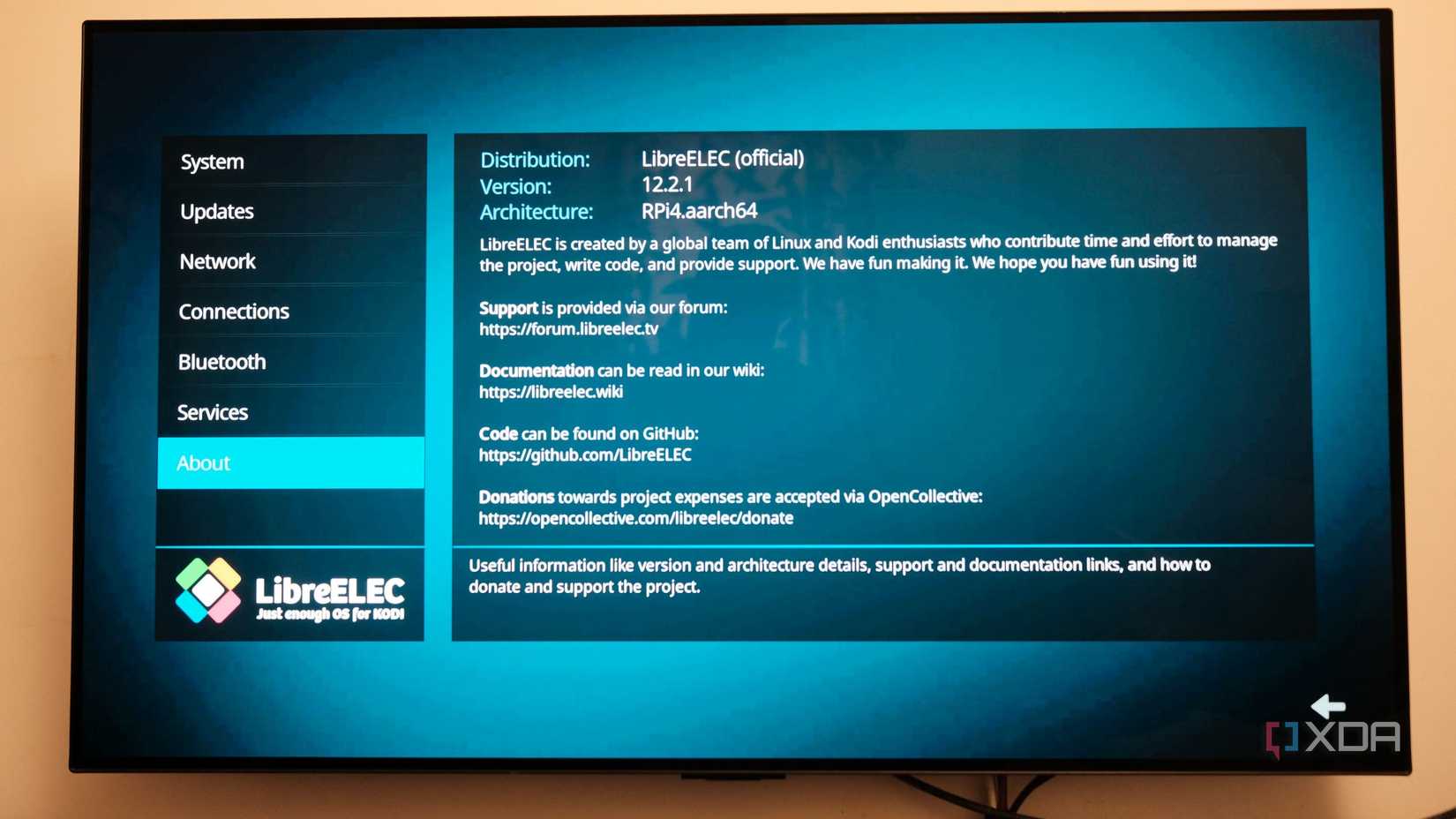
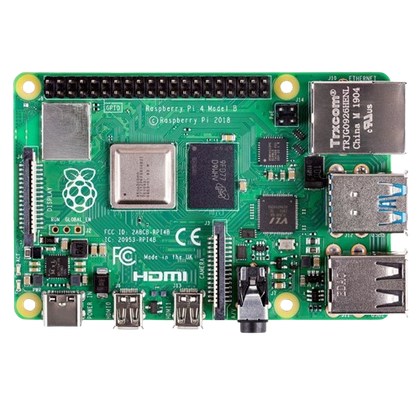
I reached for a Raspberry Pi 4—a device I had previously used for various hobbyist projects—and decided to turn it into a dedicated media center. By installing LibreELEC, I bypassed the TV’s internal OS entirely. Within 20 minutes of flashing the software to a 64GB microSD card and connecting the device via HDMI, I had an interface that was not only functional but entirely under my control.
The Technical Edge: Why LibreELEC Reigns Supreme
LibreELEC is unique in the ecosystem of media center software. It describes itself as "just enough OS for Kodi." It is not a general-purpose Linux distribution; it lacks a desktop environment, unnecessary background services, and the "bloatware" that plagues standard operating systems. Because it boots directly into Kodi, the system footprint is minuscule, allowing the Raspberry Pi 4 to dedicate its resources entirely to media playback.

Hardware Considerations
To ensure a stable experience, I housed my Raspberry Pi 4 in an Argon40 case. This is a critical component for anyone considering this route. The case features a built-in fan and provides a full-size HDMI port, eliminating the need for awkward micro-HDMI adapters. Sustained 4K streaming generates significant heat, and an active cooling solution is essential to prevent thermal throttling, which can cause stuttering in high-bitrate video files.
The Power of Local Library Management
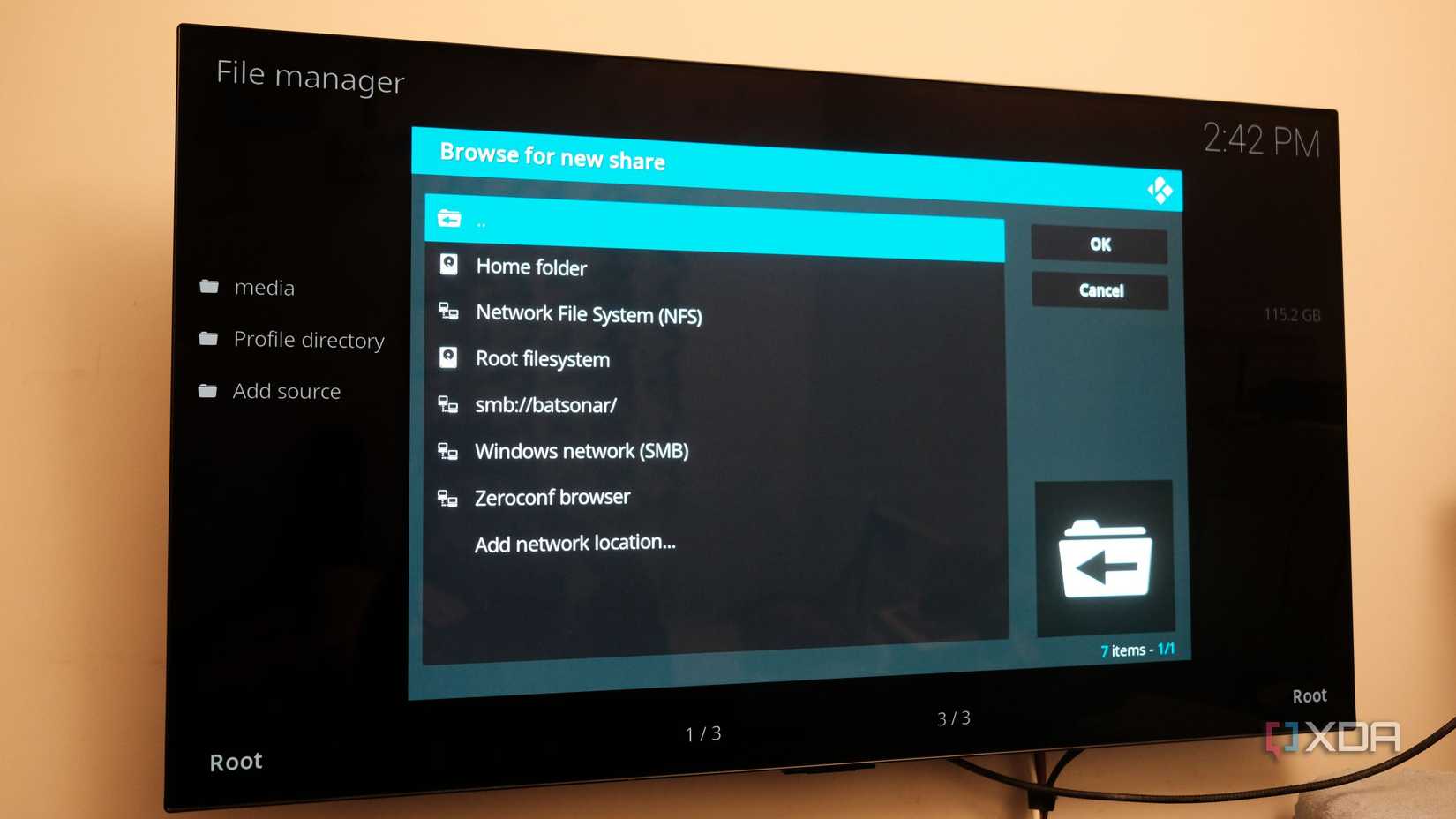
Unlike the app-centric model of Roku, Google TV, or Fire OS, LibreELEC is organized around media. By pointing the system toward my home server’s network shares, I was able to populate my interface with a sophisticated library of movie posters, cast information, ratings, and plot summaries.
The integration with Jellyfin—a free, open-source media server—has been seamless. By using a Kodi plugin, my "watched" status syncs perfectly between my server and my living room display. No commercial smart TV platform offers this level of cohesion or speed. Navigating a library of hundreds of titles is instantaneous, with zero "promoted" content or algorithmic clutter.
Supporting Data: Performance and Customization
The difference in performance is stark. Where standard TV interfaces stutter while loading ad-banners, the LibreELEC interface remains fluid. For testing purposes, I configured Kodi’s interface to run at 1080p at a 120Hz refresh rate, and the responsiveness was impeccable.
Audio-Visual Precision
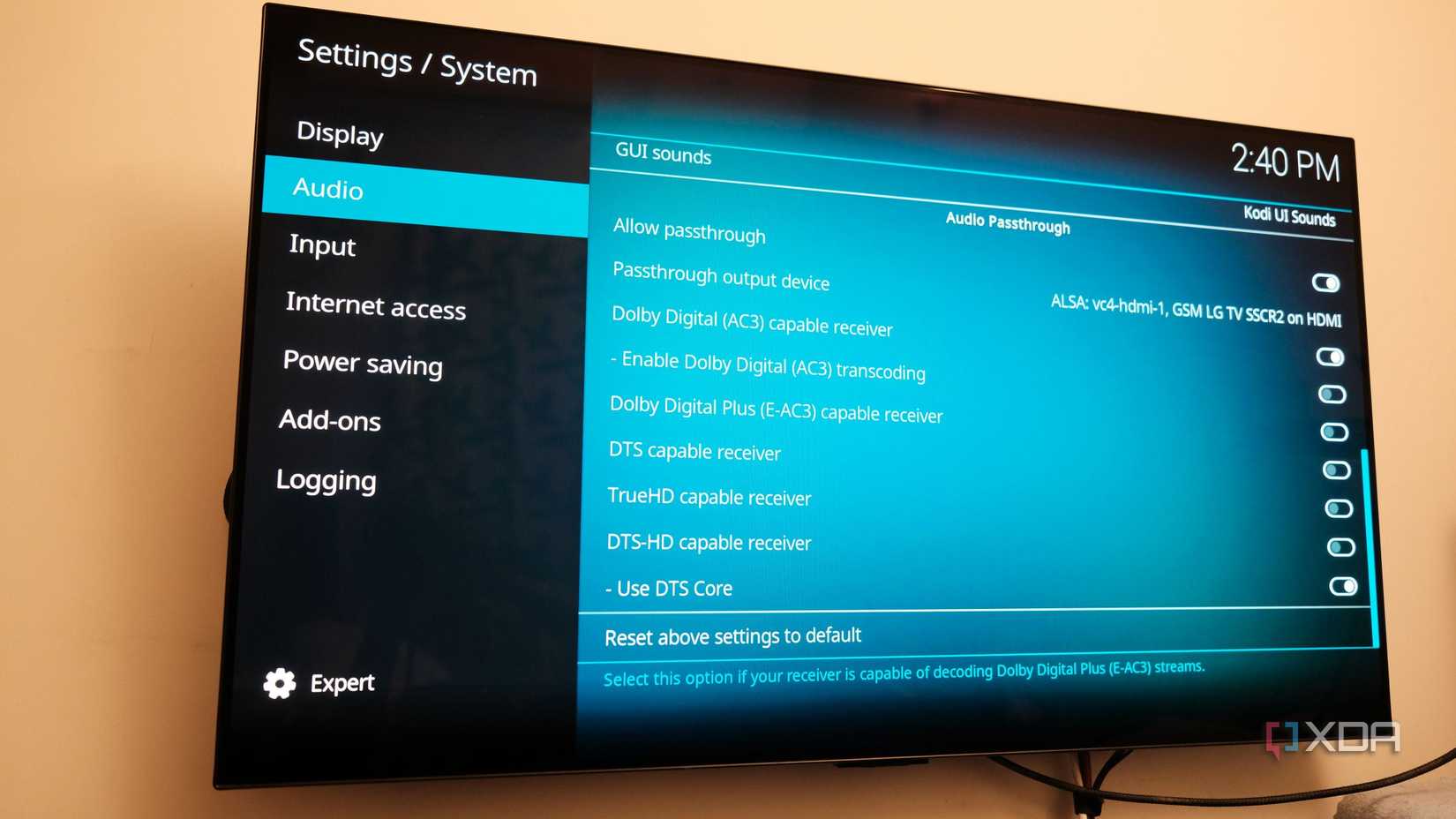
The most significant advantage for the home theater enthusiast is the control over audio and video parameters. Modern smart TVs often process audio and video in ways that degrade the source material.
- Refresh Rate Matching: Kodi automatically matches the display’s refresh rate to the content’s frame rate. This eliminates the "judder" commonly seen in panned shots, ensuring that 24p cinema content looks exactly as the director intended.
- Audio Passthrough: For those using a soundbar or an AV receiver with Dolby Atmos or DTS:X support, Kodi bitstreams the audio signal directly. My setup, which utilizes a 1st Gen HomePod via eARC, benefited from a clean signal transfer that avoided the heavy-handed processing of the TV’s internal software.
- Granular Calibration: Settings for subtitle positioning, overscan correction, and zoom are easily accessible in LibreELEC. On a standard smart TV, many of these "pro" settings are buried behind layers of confusing menus or are restricted entirely.
Industry Context: The Reality of "Smart" TV Telemetry
The "smart" in smart TV is, in many ways, a misnomer. These devices utilize Automatic Content Recognition (ACR) to capture what is displayed on the screen. This data is then transmitted to the manufacturer, who cross-references it with third-party databases to build a profile of your viewing habits. This is not a secondary feature; it is a primary revenue stream for companies that sell televisions at razor-thin margins.
When you use a native streaming app on a smart TV, you are being watched back. While some manufacturers provide an opt-out mechanism, it is often intentionally difficult to find and is frequently reset during automatic software updates. LibreELEC, by contrast, has no telemetry. It has no account, no terms of service that require you to sell your privacy, and no "you might also like" push notifications.
Implications: The Future of Media Ownership
The shift toward a "service-based" television experience has profound implications for digital sovereignty. When a manufacturer decides that your TV is "too old" to receive updates, they effectively turn your device into an insecure, bloated monitor. By using a modular system like a Raspberry Pi running LibreELEC, you decouple the hardware from the software.
If your requirements for processing power increase, you don’t need to buy a new television; you simply upgrade your streaming device. The monitor itself—the panel you paid for—remains a passive, high-quality display.
Is This for Everyone?
It is important to acknowledge that this approach is not for the average consumer. It requires a willingness to tinker, a basic understanding of network storage, and the patience to configure hardware. For those who find the setup process daunting, a dedicated streaming stick—such as a Fire TV device utilizing a custom launcher like Projectivy—offers a middle ground. It provides a cleaner interface and more control without the extreme DIY requirements of a Raspberry Pi.
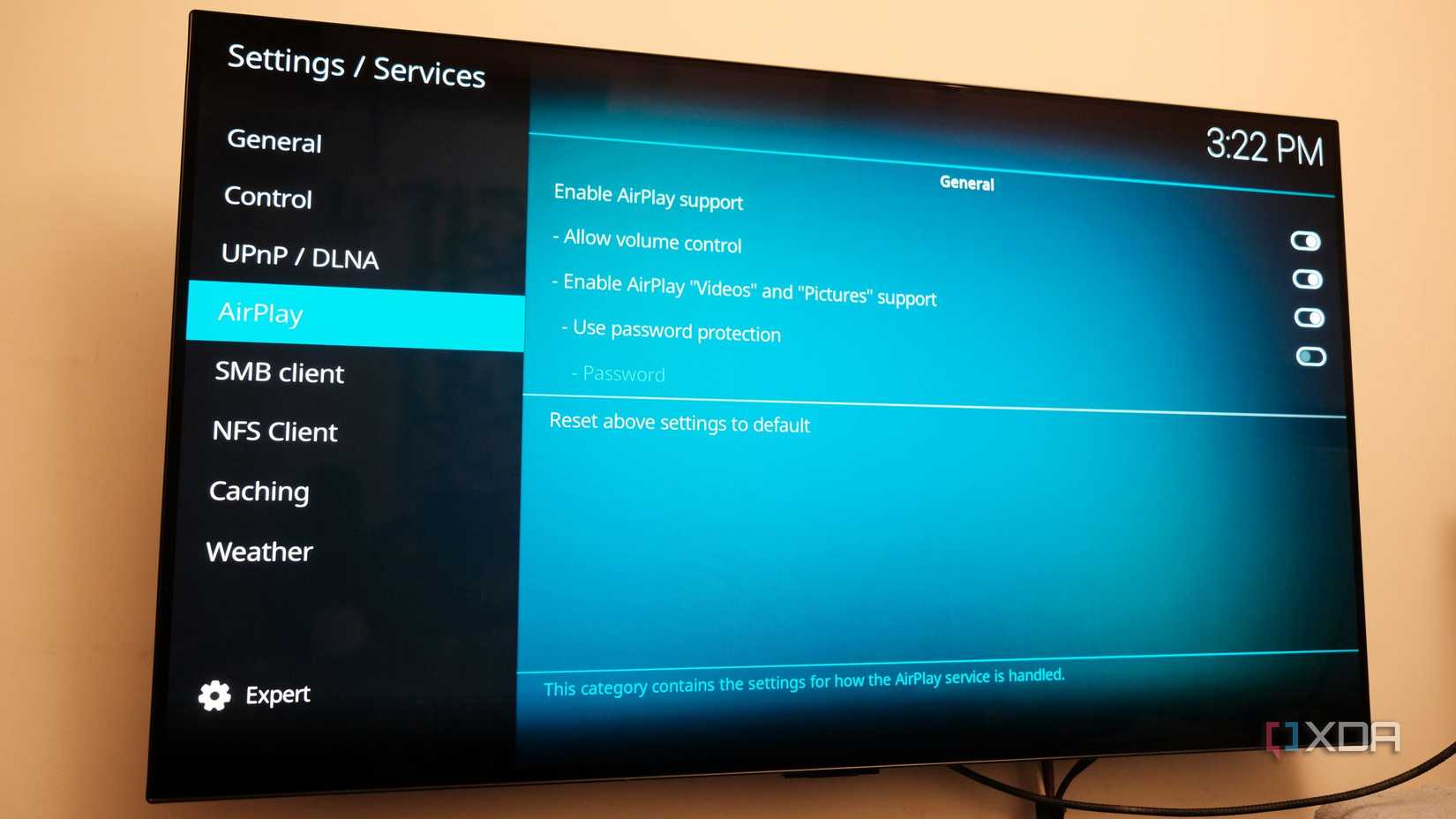
However, for those willing to invest an hour of their time, the payoff is substantial. We live in an era where software is increasingly designed to work against the user. By reclaiming the living room with open-source software, we are not just fixing a technical annoyance—we are asserting that we, not the manufacturers, are the ones who should be in charge of what appears on our screens.
Conclusion
The transition to a custom, local-first media setup is a powerful statement. Smart TVs have become surveillance tools disguised as appliances, and the industry’s push toward forced updates and unskippable ads is unlikely to reverse. LibreELEC serves as a bastion of user agency in an increasingly locked-down digital world. It is a reminder that the best technology is that which serves the user, respects their privacy, and stays out of the way. As I sit down to watch a film in perfect 24p with no stutter, no advertisements, and no data being siphoned to a corporate server, I know that the extra effort was worth every second. The "smart" TV experiment may have failed the consumer, but with tools like LibreELEC, the living room is once again ours to command.

 Ali Ikhwan
 Rifan Muazin