Nana Muazin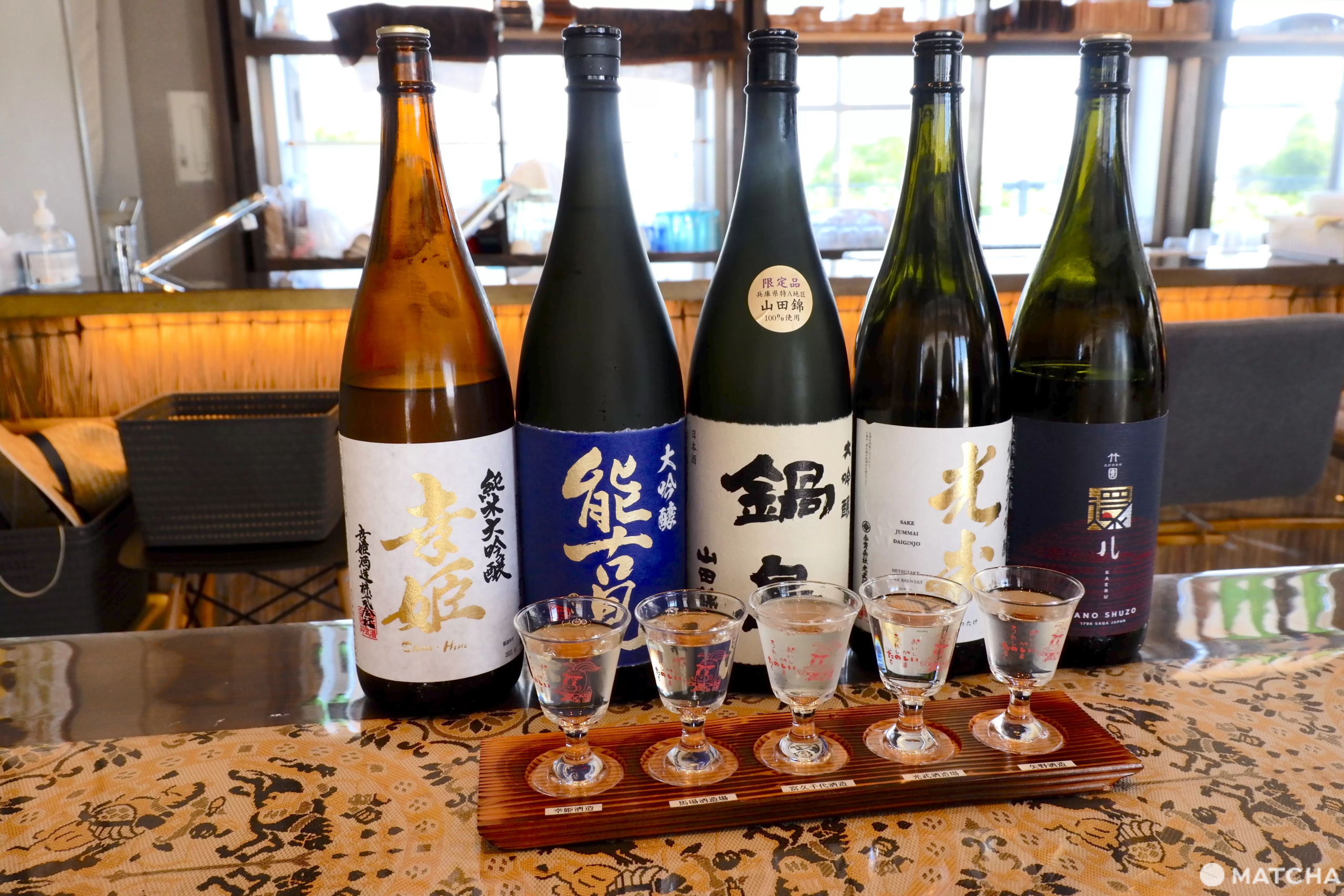
In an era where high-speed travel often prioritizes arrival over the journey, JR Kyushu’s "Two Stars 4047" stands as a deliberate, elegant rebellion. Launched to celebrate the scenic splendor of West Kyushu, this sightseeing train has transformed the way travelers perceive the passage between Saga and Nagasaki. By blending historical rail aesthetics with modern luxury, the Two Stars 4047 is not merely a mode of transport; it is a moving observation deck designed to showcase the "two stars" of the region’s tourism.
Main Facts: The Concept of Two Stars 4047
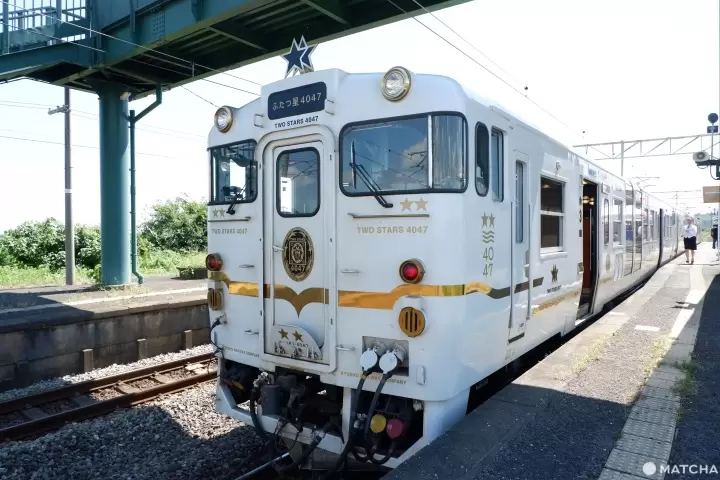
The Two Stars 4047 is a dedicated sightseeing train that traverses the rugged and picturesque coastline of the Ariake Sea and Omura Bay. Its name, "4047," pays homage to the legendary KiHa 40 and 47 series diesel multiple units that have served Japan’s rural lines for decades. Rather than retiring these iconic workhorses, JR Kyushu has painstakingly refurbished them into a premium experience that emphasizes "slow travel."
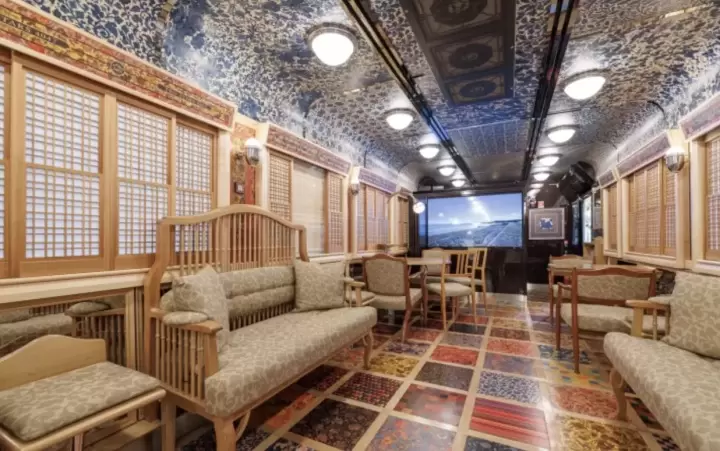
The train operates exclusively from Friday through Monday, as well as on designated Japanese national holidays. Its design is minimalist yet sophisticated, featuring a three-car configuration. Cars 1 and 3 are reserved for passenger seating, while Car 2, known as "Lounge 40," serves as a communal hub. This central car acts as a buffet and lounge area, providing passengers with a space to socialize, purchase local refreshments, and admire the coastal vistas through wide, panoramic windows.
The Chronology of the Coastal Journey
The operational itinerary of the Two Stars 4047 is bifurcated into two distinct legs, each offering a unique perspective of the West Kyushu landscape.
The Morning Route: The Saga-to-Nagasaki Ascent
The morning service departs from the historic Takeo-Onsen Station in Saga. As the train winds its way toward the coast, it passes through the tranquil Hizen-Hama and Tara stations. This route is particularly celebrated for its views of the Ariake Sea, where the tide creates vast, shimmering mudflats that change character by the hour. The service concludes at Nagasaki Station at 13:15, allowing travelers to arrive in the historic port city just in time for an afternoon of sightseeing.
The Afternoon Route: The Nagasaki-to-Saga Return
The afternoon service departs Nagasaki in the early afternoon, retracing the path but with an emphasis on the Omura Bay coastline. Highlights include a stop at the legendary Chiwata Station—famed for its proximity to the water and its appearance in the iconic Seishun 18 Ticket posters—and a journey through Huis Ten Bosch and Arita, the latter being the heart of Japanese porcelain production. The train arrives back at Takeo-Onsen at 17:51, completing a full circuit that is perfectly timed for a late dinner in the hot spring town.

Supporting Data: Fares, Accessibility, and Logistics
For international travelers, the Two Stars 4047 represents one of the highest value-to-cost propositions in the Japanese rail network.
- Pricing: The morning route is priced at 4,680 yen, while the afternoon route is 5,000 yen.
- The JR Kyushu Rail Pass Advantage: One of the most significant implications for tourists is that the train is fully covered by the JR Kyushu Rail Pass. Because the Two Stars 4047 is an all-reserved-seat train, the pass covers the standard fare and the seat reservation fee, provided the traveler secures their spot in advance.
- Seating Strategy: Demand for window-facing counter seats is exceptionally high. Travelers are strongly advised to reserve their seats via the JR Kyushu official website or at a station "Midori-no-Madoguchi" (ticket office) the moment their rail pass is activated.
Local Integration: Savoring Saga’s Sake Culture
A defining feature of the Two Stars 4047 is its commitment to community integration. The train does not simply pass through stations; it engages with them. During the 17-minute layover at Hizen-Hama, the platform transforms into a marketplace. Local residents present regional specialties, creating a bridge between the train’s passengers and the local economy.

Central to this experience is "HAMA BAR," a stylish establishment located adjacent to the Hizen-Hama platform. Saga Prefecture has a storied history of sake brewing, and HAMA BAR allows passengers to sample premium brews, including the world-renowned "Nabeshima" label. The bar offers a tasting flight of five different Daiginjo sakes for just 1,500 yen—a price point designed to encourage exploration without pretension. This stop serves as a reminder that the train’s purpose is to act as a catalyst for local tourism, encouraging visitors to step off the tracks and walk the nostalgic streets of Hizen Hamashuku.
Official Responses and Strategic Implications
JR Kyushu has framed the Two Stars 4047 as a vital component of the region’s post-Shinkansen tourism strategy. Following the opening of the Nishi-Kyushu Shinkansen, the company sought to ensure that secondary towns remained relevant to travelers. By linking Takeo-Onsen—a major Shinkansen hub—with the coastal towns of the Omura Line, the company has effectively redirected foot traffic to areas that might otherwise be bypassed.

"The train is designed to be a bridge," a spokesperson for JR Kyushu noted in a recent briefing. "We wanted to ensure that the revitalization brought by high-speed rail also reached the quiet, beautiful corners of our coastline."
The implications of this strategy are twofold:

- Economic Revitalization: Small-scale producers in towns like Hizen-Hama and Higashisonogi have seen a measurable uptick in engagement. The visibility provided by the train’s scheduled stops acts as a living advertisement for local crafts and agriculture.
- Cultural Preservation: By highlighting stations like Chiwata, which dates back to 1928, JR Kyushu is investing in the preservation of Japan’s railway heritage. These wooden structures, once threatened by modernization, are now celebrated as "scenic destinations," ensuring their upkeep for future generations.
The Takeo-Onsen Experience: A Gateway to Tradition
The choice of Takeo-Onsen as the start and end point of the route is deliberate. With a history spanning over 1,300 years, the town serves as a serene bookend to the coastal excitement of the train ride. The station itself has undergone a massive transformation to serve as a high-end gateway. The "Takeo Travel Bookstore" and the "Takeo City Tourist Information Center" are not mere transit amenities; they are curated spaces that reflect the aesthetic and cultural values of the region.
Visitors are encouraged to extend their journey by staying overnight to visit the Takeo-Onsen Romon (Tower Gate)—a stunning vermillion structure designed by the same architect as the Tokyo Station building—and the Takeo City Library, which has become a landmark of modern architectural design.

Chiwata Station: The Poetry of the Coast
Perhaps the most poignant aspect of the journey is the arrival at Chiwata Station. In the lexicon of Japanese rail fans, few names carry as much weight. After achieving national fame through the 2014 Seishun 18 poster, the station became a pilgrimage site. However, the infrequency of local service often made it a difficult destination for the average tourist.
The Two Stars 4047 has effectively democratized access to this location. As the train pulls into the station, the sight of the wooden building framed against the backdrop of Omura Bay remains one of the most photogenic moments in Japanese rail travel. It serves as a testament to the "slow travel" philosophy—that sometimes, the most beautiful destination is a place that time, fortunately, chose to leave behind.

Conclusion: The Future of Sightseeing Rails
The Two Stars 4047 is more than a commercial success; it is a model for sustainable, community-focused tourism. As travelers increasingly seek authentic experiences that allow them to engage with the culture of a region rather than just passing through it, the demand for such services is expected to grow.
By prioritizing the experience over the destination, JR Kyushu has proven that the journey between two points can be the most valuable part of the trip. Whether you are a rail enthusiast, a lover of fine sake, or a traveler looking to uncover the hidden gems of West Kyushu, the Two Stars 4047 offers an invitation to slow down, look out the window, and appreciate the scenery that makes Japan’s coastline truly exceptional. For those planning their next Kyushu adventure, this train is not just an option; it is an essential experience.


 Neng Nana
 Asro
Asro