Reynand Wu
For decades, Pixar Animation Studios has been celebrated not only for its revolutionary digital craftsmanship but for its unparalleled ability to weave a cohesive, interconnected tapestry of storytelling. While fans are often quick to spot the recurring "A113" Easter egg or the legendary Pizza Planet truck, some of the most fascinating connections lie in the studio’s technical infrastructure—specifically, the recycling of 3D assets between films. One of the most poignant examples of this practice is the shared history of the sprawling, iconic tree that serves as a central location in both A Bug’s Life (1998) and the tear-jerking flashback sequence in Toy Story 2 (1999).
The Anatomy of an Easter Egg: Main Facts
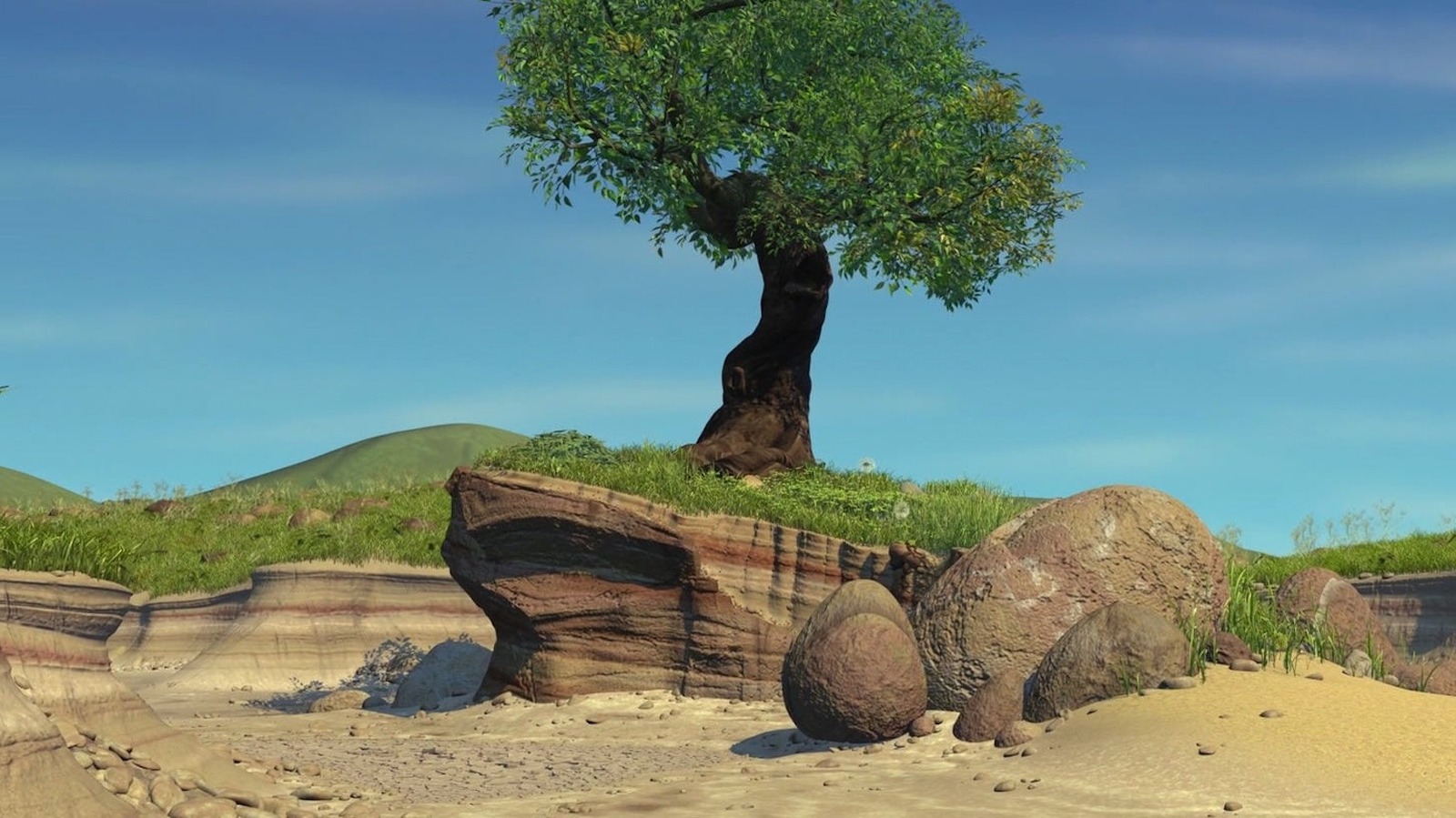
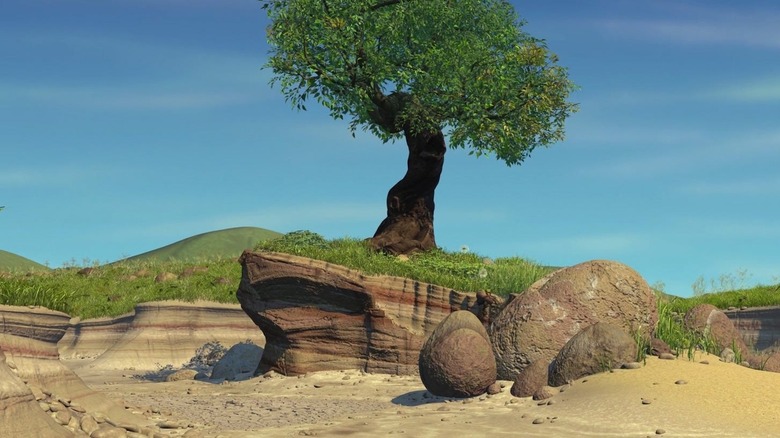
The connection between these two films is rooted in the practical realities of mid-1990s computer animation. In A Bug’s Life, the massive, gnarled tree serves as the bustling, central hub of the ant colony, where the protagonist Flik and Princess Atta attempt to navigate the complex social and survival dynamics of their insect world.
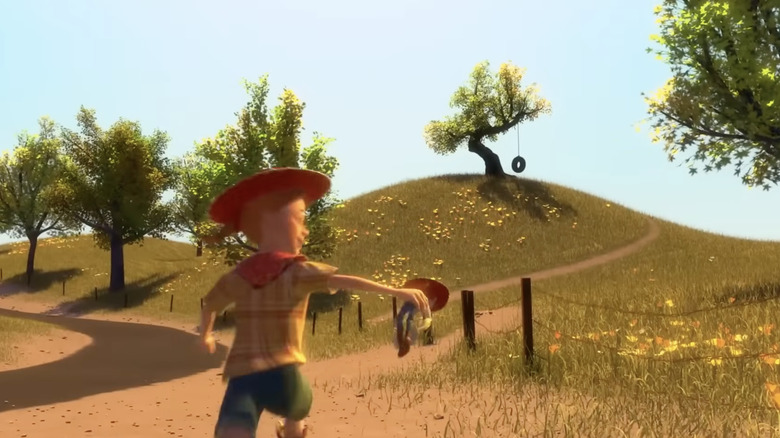
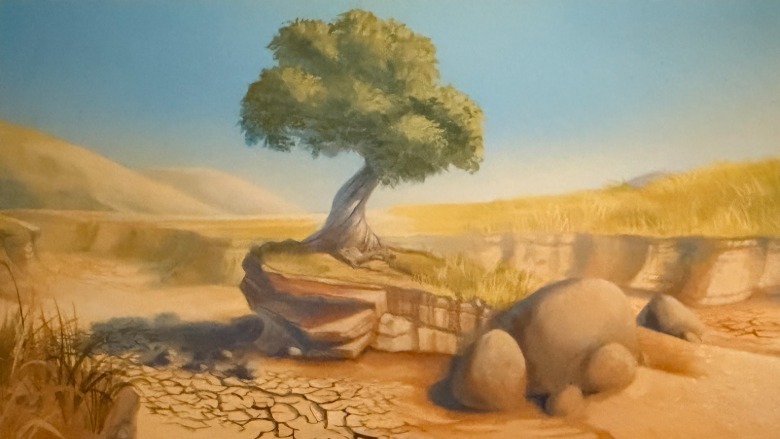
In Toy Story 2, that same tree—retextured and modified with the addition of a nostalgic tire swing—serves as the stage for one of the most heart-wrenching sequences in cinematic history: the abandonment of Jessie the Yodeling Cowgirl. The tree acts as a silent witness to the passage of time, framing both the innocence of Jessie’s early years with her owner, Emily, and the eventual, crushing reality of her abandonment on the roadside. By utilizing the same digital geometry, Pixar didn’t just save on production costs; they created a subconscious link between two vastly different worlds, grounding Jessie’s history in a location that felt ancient, lived-in, and deeply significant.
A Chronology of Collaboration: The Production Window
To understand how this shared geography came to be, one must look at the unique production timeline of Pixar in the late 1990s. Following the massive success of Toy Story in 1995, the studio was in a state of rapid expansion. A Bug’s Life and Toy Story 2 were in active development simultaneously, with significant overlap in their creative teams.
The Development Phase (1996–1997)
As A Bug’s Life moved into full production under the direction of John Lasseter and Andrew Stanton, the art department began modeling the "Ant Island" environment. The tree was designed to be a massive, imposing structure that could accommodate hundreds of ants while providing a clear visual focal point for the audience.
The Integration Phase (1998)
As Toy Story 2 transitioned from a direct-to-video project into a full theatrical feature, the pressure to deliver high-quality visuals on a tight schedule intensified. The story team required a location that could symbolize "home" and "childhood wonder" for the flashback sequence involving Jessie. Rather than starting from scratch, the design team recognized that the structural complexity of the ant colony tree already possessed the organic, sprawling quality they needed. By grafting a tire swing onto the existing model, they were able to transform the "insect metropolis" into a "backyard sanctuary."
Supporting Data: Why Assets Get Recycled
In the world of computer-generated imagery (CGI), the creation of complex assets is an incredibly labor-intensive process. Modeling, rigging, and texturing a massive tree that can withstand multiple camera angles is a task that can take weeks or even months of artist man-hours.
Economic Efficiency vs. Creative Intent
While critics sometimes view asset recycling as a sign of budget constraints, at Pixar, it has historically been treated as a form of "world-building efficiency." The digital assets (the mathematical data representing the tree’s bark, branches, and leaves) were stored in a central library. When a project manager for Toy Story 2 realized the need for a specific, memorable tree for the "When She Loved Me" segment, the production library offered a ready-made solution.
According to Disney/Pixar: The Art of Toy Story 5—which explores the studio’s long-term history—story supervisor Jason Katz noted that the decision was a blend of necessity and narrative enhancement. The tree wasn’t just "copied"; it was curated. The addition of the tire swing served a specific narrative function, shifting the perspective of the object from a societal hub for insects to a solitary, intimate space for a child and her toy.
Official Responses and Creative Commentary
The transparency regarding this "recycled" location highlights Pixar’s collaborative culture. In his contributions to the studio’s retrospectives, Jason Katz elaborated on the specific emotional weight of the tree:
"The tire swing and tree represent both immense joy and deep sadness for our main character. It was the spot where Jessie and her first kid, Emily, played together. It was also the place where Jessie had to watch Emily drive away forever."
This official acknowledgement frames the reuse of the tree not as a shortcut, but as a deliberate artistic choice. By choosing a location that existed elsewhere in the Pixar canon, the team provided a subtle, grounded reality to Jessie’s backstory. The tree feels "real" because it carries the digital weight of a location the audience had already explored in A Bug’s Life.
Implications: The Shared Pixar Universe
The existence of this shared geography has profound implications for how audiences consume Pixar films. It suggests that, at least in the early years of the studio, the "Pixar Universe" was not just a collection of fan theories, but a literal, technical reality.
The "Pixar Theory" and Technical Continuity
For years, fans have posited that all Pixar films exist in a single, connected timeline. While the studio has rarely confirmed these overarching narratives, the recycling of assets proves that the digital DNA of these films is inextricably linked. When viewers watch A Bug’s Life and then Toy Story 2, they are seeing the same "digital landscape" reused in different contexts.
The Evolution of Digital Storytelling
This practice also illustrates how far the studio has come. In the late 90s, the reuse of a tree was a clever trick to maximize limited resources. Today, with the advent of advanced procedural generation and cloud computing, Pixar creates massive, unique environments for almost every film. However, the legacy of the "Ant Island Tree" remains a testament to the era where the studio’s limitations pushed them toward some of their most creative storytelling solutions.
Conclusion: Looking Forward to ‘Toy Story 5’
As the studio prepares for the release of Toy Story 5, the legacy of these hidden connections continues to intrigue. The history of the ant colony tree serves as a reminder that the most memorable moments in animation are often the result of a marriage between high-level emotional storytelling and pragmatic, behind-the-scenes engineering.
For the modern audience, the lesson is clear: keep your eyes peeled. Whether it is a reused tree, a hidden character cameo, or a subtle nod to a decade-old production, Pixar continues to reward the attentive viewer. The next time you watch Toy Story 2 and find yourself reaching for a tissue during Sarah McLachlan’s performance, remember that the tree sheltering Jessie and Emily is more than just a prop—it is a piece of digital history that connects the miniature world of ants to the enduring, heartbreaking legacy of a cowgirl doll left behind. The studio’s ability to turn a technical necessity into an emotional anchor is exactly what has kept Pixar at the pinnacle of animation for nearly thirty years.