Lina Hope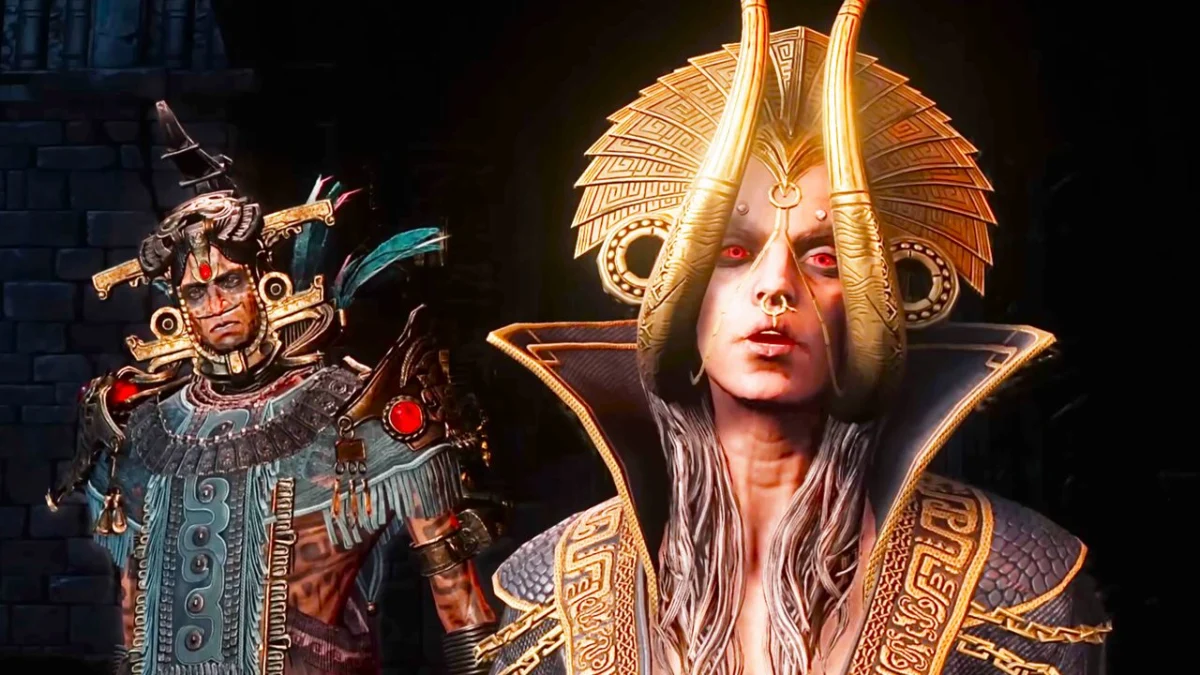
In the high-stakes world of Action RPGs (ARPGs), efficiency is the ultimate currency. For the dedicated player base of Path of Exile 2 (PoE 2), the pursuit of the "perfect build" often leads to a feverish search for broken mechanics, unintended synergies, and exploitable loops. However, in a recent, highly public incident, the community’s drive for optimization pushed the game’s fragile trading economy to the brink of collapse, forcing the developers at Grinding Gear Games (GGG) to intervene during the most sacred of industry downtime: the holiday season.
The culprit? A complex dungeon-building mechanic known as the "Temple," which, while intended to be a rewarding endgame engagement, inadvertently became a fountain of infinite, high-tier loot. The resulting "Gold Rush" not only disrupted the game’s delicate balance of supply and demand but also served as a stark reminder of the challenges inherent in managing a live-service economy during periods of limited staff availability.
The Anatomy of an Exploit: A Mechanics Breakdown
To understand why the Temple caused such a catastrophic failure in the game’s economy, one must understand how the system was designed to function versus how it was actually utilized. The Temple was introduced as a strategic layer where players could piece together various room types on a grid to create a custom dungeon. Each room offered specific thematic challenges and, crucially, specific loot tables.
The developers envisioned this as a tactical exercise: players would plan their layout, fight a climactic boss, and walk away with rewards commensurate with the difficulty they had curated. However, the player base—ever the master of efficiency—quickly identified a structural flaw. By manipulating the way rooms linked together, players discovered a method to create a "perpetual dungeon."
By strategically arranging specific synergistic rooms in an infinite "snake" pattern, players found they could trick the game’s procedural generation engine. Usually, a Temple run is a finite experience; once completed, the instance is cleared and reset. Through this specific configuration, however, players were effectively preventing the deletion of high-value rooms. They were essentially trapping themselves in a cycle where they could farm the most lucrative encounters in the game with zero downtime and guaranteed high-tier drops.
Chronology of the Crisis: From Discovery to Emergency Patch
The escalation of the "Temple crisis" followed a rapid, predictable trajectory common in modern gaming history:
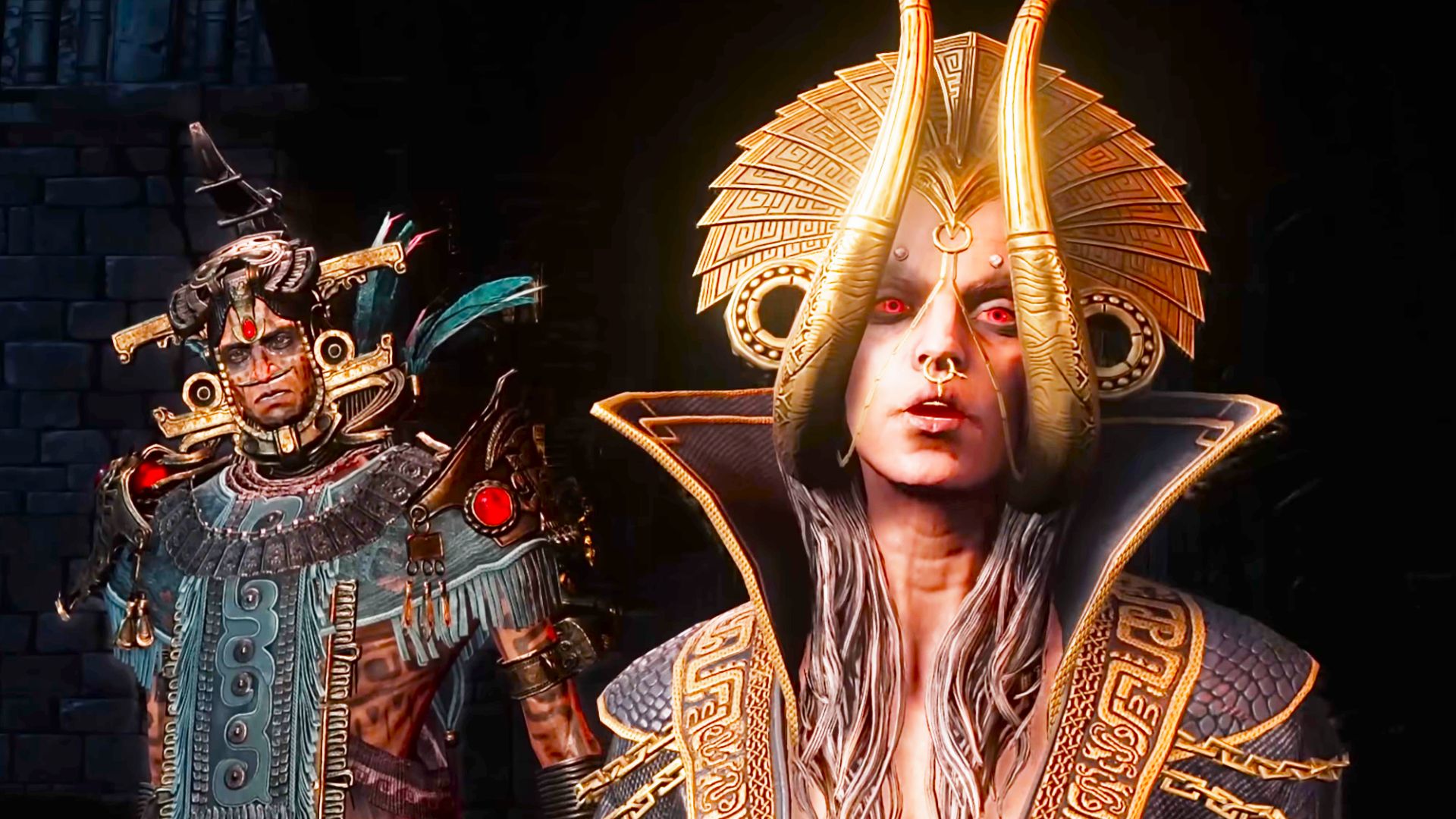
- The Discovery Phase: Shortly after the release of the new league, theory-crafters and streamers began sharing "Temple blueprints" on social media and community forums. These guides promised "in-game millionaire" status within a matter of days.
- The Proliferation: As the information went viral, a massive influx of players abandoned traditional progression loops. Thousands of players began "locking" their characters in the campaign, repeatedly resetting levels to refine their Temple grids, flooding the market with rare gear that should have taken months to acquire.
- Market Saturation: Within 72 hours, the trading economy in PoE 2 began to experience hyper-inflation. The rarity of high-end items plummeted, rendering the hard work of legitimate players effectively worthless as the market was inundated with "illicitly" obtained loot.
- The Emergency Intervention: Recognizing the systemic risk, Grinding Gear Games was forced to break their "no-touch" policy during the holiday break. Developers were pulled from their time off to deploy emergency hotfixes and patches, neutralizing the room-linking exploit and resetting the parameters for loot generation.
The Toll on Development: An Official Perspective
The impact of this exploit was not merely technical; it was deeply personal for the development team. In a candid recent interview, Mark Roberts, co-director of Path of Exile 2, expressed the frustration shared by the studio regarding the timing of the crisis.
"The Atziri Temple ruined my Christmas," Roberts admitted during the interview, a sentiment that resonated with developers worldwide who have had to deal with similar "on-call" emergencies during festive periods. He emphasized that the situation forced the team to implement significantly more aggressive telemetry to monitor loot drops. "We now—because of this bloody temple—have way more active stats for checking how many items are dropping in certain instances," he noted.
The trauma of the event was compounded by the fact that the exploit evolved even after initial fixes. As Roberts sat down for the interview, a fellow developer walked in to show him yet another emerging issue, marked on the monitor as "TEMPLE SHENANIGANS T1 ISSUE AFTER INTERVIEW." The relentless nature of the player base to find cracks in the system suggests that for developers, the battle for game integrity is a 24/7 engagement.
The Economic Implications for PoE 2
In the context of Path of Exile 2, wealth is not just a cosmetic pursuit—it is the primary fuel for character growth. The most powerful builds, capable of tackling the game’s most difficult content, rely on expensive, rare gear. When the economy is artificially inflated by exploits, the "price of entry" for high-end content becomes skewed.
For the average player, this creates a "haves and have-nots" divide. Those who participate in the exploits amass wealth and power that others cannot hope to match through standard gameplay. While the "Solo Self-Found" (SSF) mode exists as an alternative—stripping away the trading economy entirely—it is often a daunting path that makes acquiring specific, necessary gear pieces nearly impossible within a single league.
The Temple debacle forces a larger question: Can an economy-driven ARPG survive the internet-speed discovery of exploits? As long as players treat these games like a stock market, developers will be forced to choose between rigid, un-fun restrictions or a constant, draining game of "whack-a-mole" against their own player base.
The Future: Learning from the "Temple" Lessons
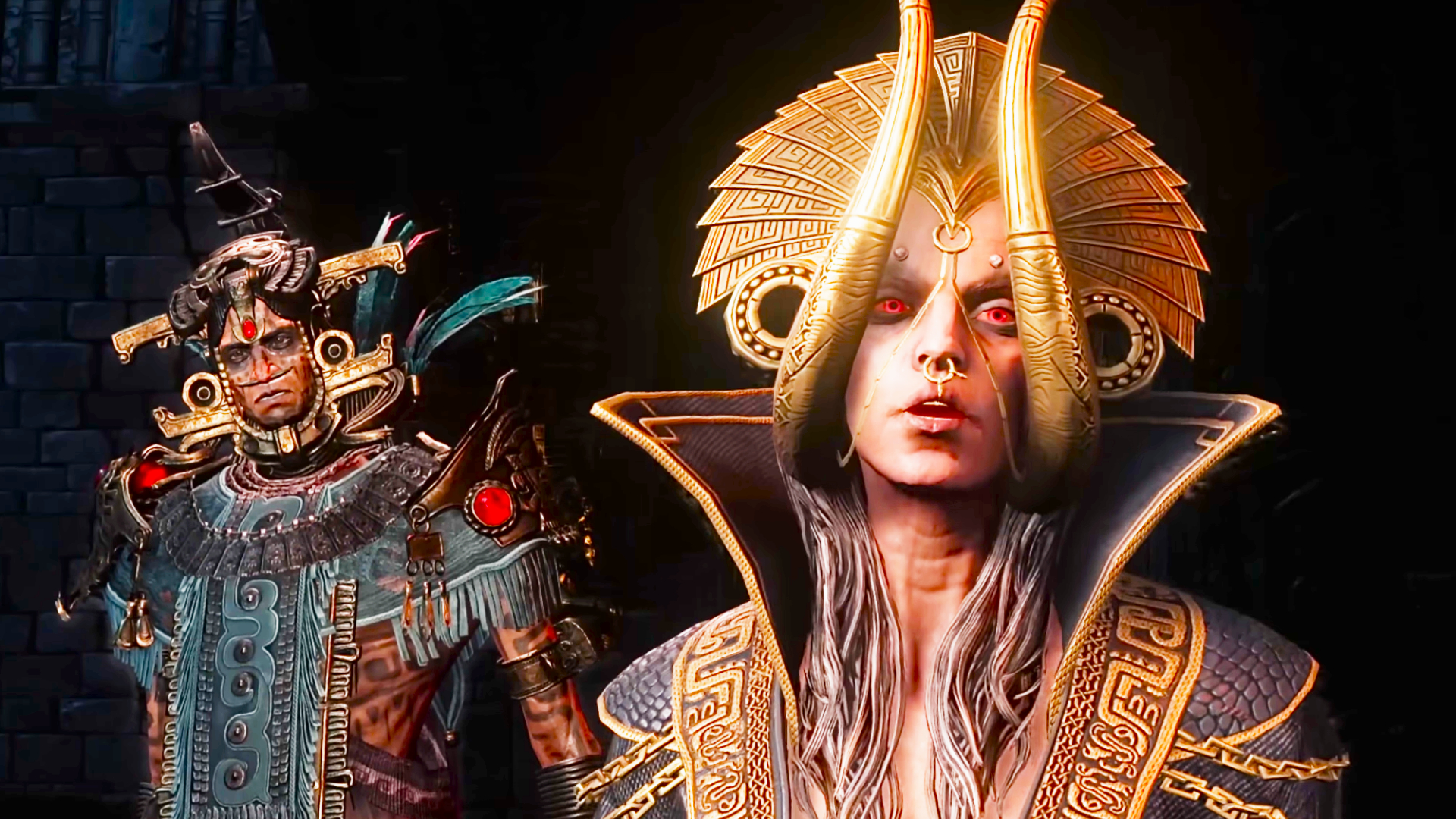
Looking forward, the Temple crisis will likely influence how Grinding Gear Games handles league launches. The industry standard of dropping massive content updates right before major holidays is increasingly being viewed as a liability. The "always-on" nature of modern gaming means that if a developer goes on vacation, the players will inevitably be there to test the boundaries of the game’s logic.
"I don’t care if it’s a mid-league nerf, I’ve lost all sympathy for that bloody temple and everyone running it," Roberts remarked, highlighting the shift in philosophy. The studio is now much more willing to implement heavy-handed, mid-league adjustments to preserve the health of the game, even at the cost of community backlash.
For the player base, the incident serves as a reminder that Path of Exile 2 remains an Early Access title in spirit, if not in name. The systems are complex, the code is intricate, and the balance is razor-thin. As the game continues to evolve, the tug-of-war between the developers’ vision of a challenging progression loop and the players’ desire for absolute efficiency will continue to define the community experience.
Ultimately, the Temple saga is a case study in the modern "live service" reality. It illustrates that while developers provide the world, the players define the boundaries—and when those boundaries are pushed too far, the entire house of cards is liable to collapse, regardless of the season or the holiday. GGG may have successfully patched the Temple, but the game of cat-and-mouse between developers and the efficiency-obsessed player base is far from over.


 Asro
Asro
 Muslim