Lina Irawan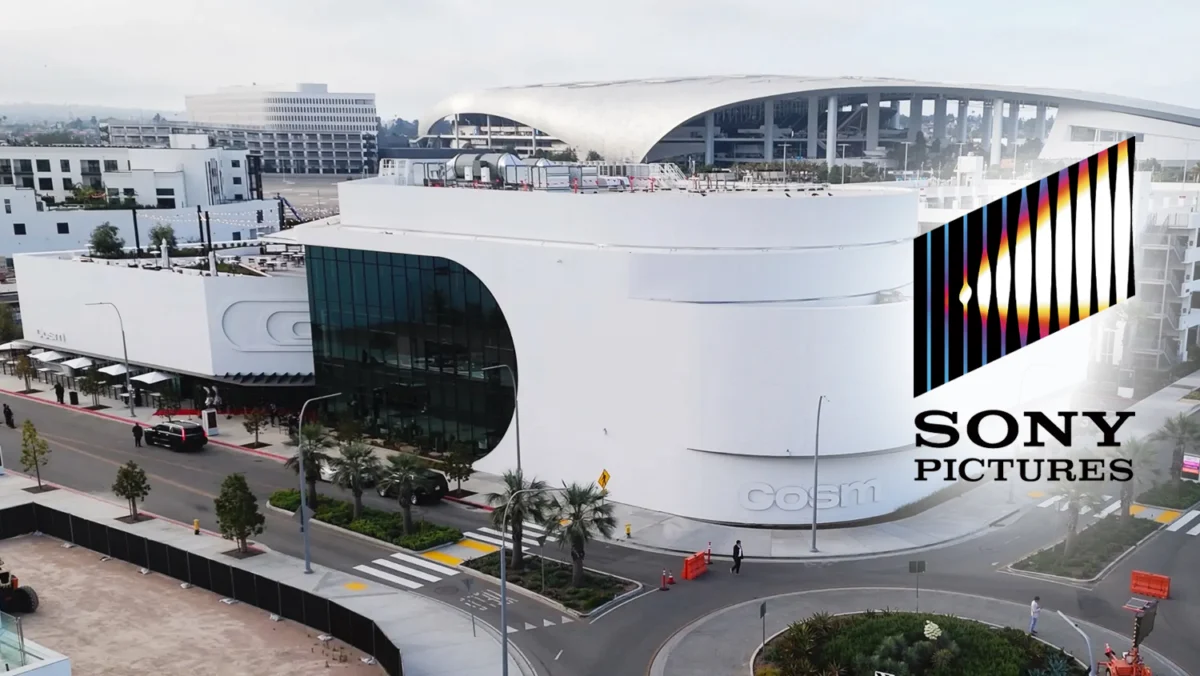
In a bold move that signals a tectonic shift in how audiences consume media, Sony Pictures Entertainment (SPE) has announced a strategic $100 million investment in Cosm, the trailblazing venue operator redefining the intersection of live sports, cinema, and immersive technology. As the lead investor in Cosm’s latest Series C financing round, Sony is not merely providing capital; it is securing a minority stake in a company that has turned the concept of “Shared Reality” into a high-growth, premium entertainment commodity.
The deal, which also places SPE Chairman and CEO Ravi Ahuja on the Cosm board of directors, underscores Sony’s broader corporate mandate to pivot toward experiential entertainment. As traditional theatrical models face persistent disruption, Sony is betting that the future lies in venues that offer what the living room cannot: a massive, communal, and technologically unparalleled sensory experience.
The Rise of "Shared Reality": A New Category of Entertainment
Cosm’s value proposition is built upon its proprietary "Shared Reality" format. Unlike standard movie theaters or even premium large-format (PLF) screens, Cosm venues utilize massive, 60-foot-tall, 8K wrap-around LED domes that transport guests into the heart of live events. By combining the social energy of a stadium with the high-fidelity clarity of a high-end display, Cosm has effectively bridged the gap between being "at the game" and watching it on television.
The technology is not limited to sports. Cosm has successfully retrofitted classic cinema, including library titles like The Matrix and the original Harry Potter, for their unique dome environment. By creating an atmosphere that feels both exclusive and communal, the company has tapped into a growing consumer demand for "eventized" outings—experiences that feel worth the price of admission and the effort of leaving the house.
Chronology of a High-Growth Disruptor
To understand the magnitude of Sony’s investment, one must look at the meteoric rise of Cosm over the past few years.
- 2023: Cosm makes its public debut, opening its flagship location in Inglewood, California. Situated strategically near SoFi Stadium and the Intuit Dome, the venue immediately serves as a proof-of-concept, demonstrating the viability of high-end immersive sports broadcasting to a tech-savvy Los Angeles audience.
- 2024: The company accelerates its momentum, successfully raising $250 million in a funding round that drew in heavy-hitting investors from the world of professional sports and finance. Notable participants included former Milwaukee Bucks co-owner Marc Lasry, Cleveland Cavaliers owner Dan Gilbert, and Bolt Ventures—the investment firm co-run by Blackstone partner David Blitzer.
- 2025–Present: Following its initial success, Cosm expands its footprint into key urban markets, including Atlanta and Dallas. The roadmap continues to be aggressive, with upcoming locations slated for Cleveland and Detroit, signaling a desire to establish a national network of "Shared Reality" hubs.
- 2026 (The Sony Deal): SPE enters the fray with a $100 million investment, positioning itself as the primary strategic partner to help scale the technology and integrate Sony’s vast intellectual property (IP) library into the Cosm ecosystem.
Market Dynamics: The Experiential Economy
Sony’s decision to align with Cosm is not an isolated experiment; it is a calculated response to a changing landscape. For years, the exhibition industry has been searching for ways to counter the "streaming fatigue" and the convenience of home entertainment.
The Success of Immersive Formats
The industry has seen a clear trend: when audiences do leave their homes, they are choosing premium, immersive formats. IMAX has remained a consistent driver of box office revenue, leading to significant acquisition interest from global investors. Similarly, the Sphere in Las Vegas has redefined the concert and exhibition experience, proving that technology-laden venues can command top-tier pricing. Mainstream exhibitors have also seen success with formats like 4DX and ScreenX, which add sensory layers to the standard cinematic experience.
Pricing Power and Fandom
Cosm has proven that fans are willing to pay a premium for the right experience. Through its dynamic pricing model, the company has seen customers shell out up to $100 per person for marquee sporting events. This price elasticity, which rivals that of high-end concert tickets or courtside seats, validates the "Shared Reality" model as a sustainable business in an era where consumers are increasingly selective about their discretionary spending.
The Sony Strategy: A Vertical Integration of Experience
For Sony, this partnership is a logical extension of its current corporate strategy. The company has been aggressively expanding its footprint in the "experiential" space, most notably evidenced by its acquisition of the Alamo Drafthouse theater chain. By pairing the traditional, curated cinema experience of Alamo with the hyper-technological, immersive nature of Cosm, Sony is building a diverse portfolio that covers every spectrum of "out-of-home" entertainment.
Leveraging Intellectual Property
Sony Pictures possesses one of the most robust libraries of IP in the world, spanning film, television, music, and video games. Under the terms of the deal, Sony aims to leverage this content to create "differentiated, tech-forward experiences." Imagine a Spider-Man or Ghostbusters experience designed specifically for the 8K dome, or an interactive gaming tournament that allows fans to watch professional esports players compete on a scale never before seen.
Ravi Ahuja’s appointment to the Cosm board ensures that Sony will have a direct hand in the strategic direction of the company, ensuring that the tech-forward nature of the venues remains aligned with the creative output of Sony’s studios.
Official Responses: A Shared Vision for the Future
The collaboration is being framed by both parties as a marriage of creative storytelling and cutting-edge engineering.
"Cosm sits at the intersection of several trends shaping the future of entertainment," said Ravi Ahuja in a press release. "We’ve followed Cosm since before launch and have been impressed with the quality of the experience and the enthusiasm it’s generating with audiences. We’re excited to support Cosm’s next phase of growth and help bring these experiences to more fans around the world."
Jeb Terry, CEO of Cosm, reciprocated the sentiment, emphasizing the synergy between the two firms: "SPE shares our passion for innovation and the future of the fan experience. Sony is one of the most storied technology and entertainment companies in the world… Together, we’re positioned to bring more of the world’s most iconic IP to life in Shared Reality as we continue to super-serve our fans around the world."
Future Implications: What This Means for the Industry
The investment in Cosm has several implications for the future of the entertainment industry:
- The Death of the "Standard" Theater: As companies like Sony and Sphere Entertainment continue to innovate, the traditional, flat-screen multiplex faces increasing pressure to differentiate itself or risk obsolescence.
- Sports as Content: The integration of live sports into immersive, ticketed venues is set to become a permanent fixture of the sports-media ecosystem. By allowing fans to experience "courtside-adjacent" views of global matches, Cosm and its partners are creating a new revenue stream for leagues and media rights holders.
- The IP Gold Rush: Expect to see other major studios and streamers scramble to find their own "experiential" partners. In a saturated content market, the ability to turn a movie or a game into a "destination" is becoming a critical competitive advantage.
- Technological Democratization: While these venues currently exist in major hubs, the success of the Cosm model suggests that we may soon see a broader rollout, potentially using modular technology to bring "Shared Reality" to mid-sized markets.
As the lines between film, sport, and live event continue to blur, the $100 million partnership between Sony and Cosm stands as a defining moment in the evolution of entertainment. By focusing on the "shared" nature of human experience, these companies are betting that, regardless of how advanced our home displays become, the desire to experience culture together in a state-of-the-art environment will remain an essential pillar of human connection.


 Iffa Jayyana
 Lina Hope