Dwi Wanna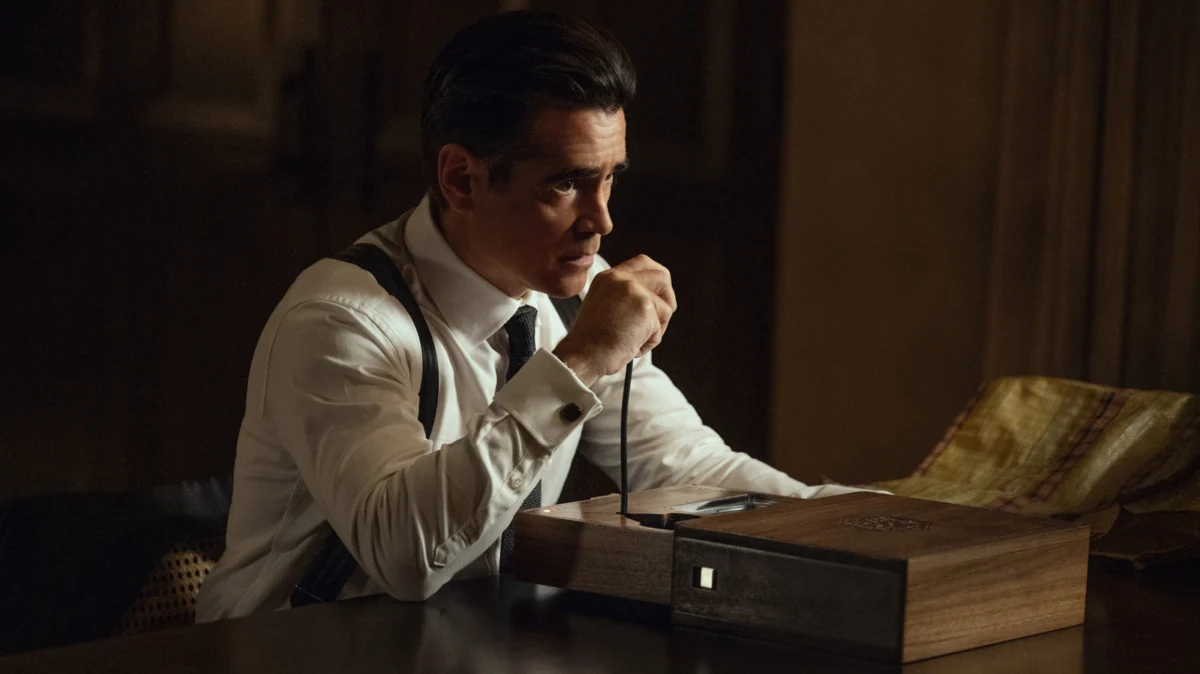
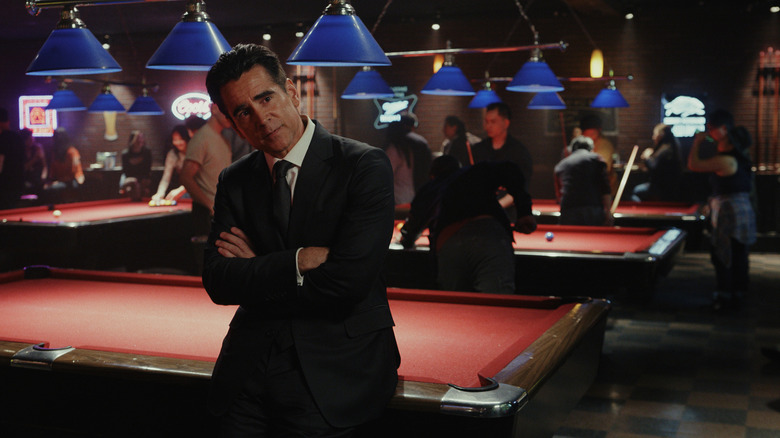
The television landscape is littered with shows that attempt to subvert audience expectations, but few have done so with the sheer audacity of Apple TV+’s Sugar. When the series premiered in 2024, it arrived wrapped in the velvet aesthetic of classic Hollywood noir. Starring Colin Farrell as John Sugar, a private investigator defined by his melancholic grace, his vintage 1966 Corvette Sting Ray, and a penchant for cinematic history, the show felt like a love letter to the hardboiled detectives of the 1940s.
However, halfway through the first season, showrunners Mark Protosevich, Simon Kinberg, and Sam Catlin pulled the rug out from under the audience. The "tortured PI" narrative was revealed to be a clever, elaborate mask for an interstellar visitor. John Sugar was not merely a man; he was a blue-skinned extraterrestrial hiding in plain sight. As Sugar returns for its sophomore outing, the series finds itself at a crossroads, prompting a critical debate: Did the show’s boldest creative swing become its greatest burden?
The Anatomy of an Identity Shift: A Chronological Retrospective
To understand the current tension in Sugar, one must look at the trajectory of the narrative from its inception to its present state.
Phase 1: The Neo-Noir Deception (Episodes 1–5)
In the early stages of Season 1, Sugar was a masterclass in atmospheric genre-mimicry. The cinematography, the pacing, and Farrell’s performance all adhered to the tropes established by legends like Humphrey Bogart and Raymond Chandler. The audience was invited to solve a missing person’s case involving a powerful Hollywood family. During this phase, the alien elements were teased through subtle visual cues—Sugar’s unique dietary habits, his empathetic connection to his dog, and a general sense of "otherness."
Phase 2: The Cosmic Reveal (Episode 6)
The mid-season reveal was one of the most polarizing moments in recent television history. By pulling back the curtain on Sugar’s extraterrestrial heritage, the show pivoted from a detective drama to a high-concept sci-fi thriller. This shift wasn’t just a plot point; it redefined the show’s stakes. The disappearance of the girl wasn’t just a local mystery; it was a symptom of a larger galactic moral crisis.
Phase 3: The Season 2 Reset (The Premiere)
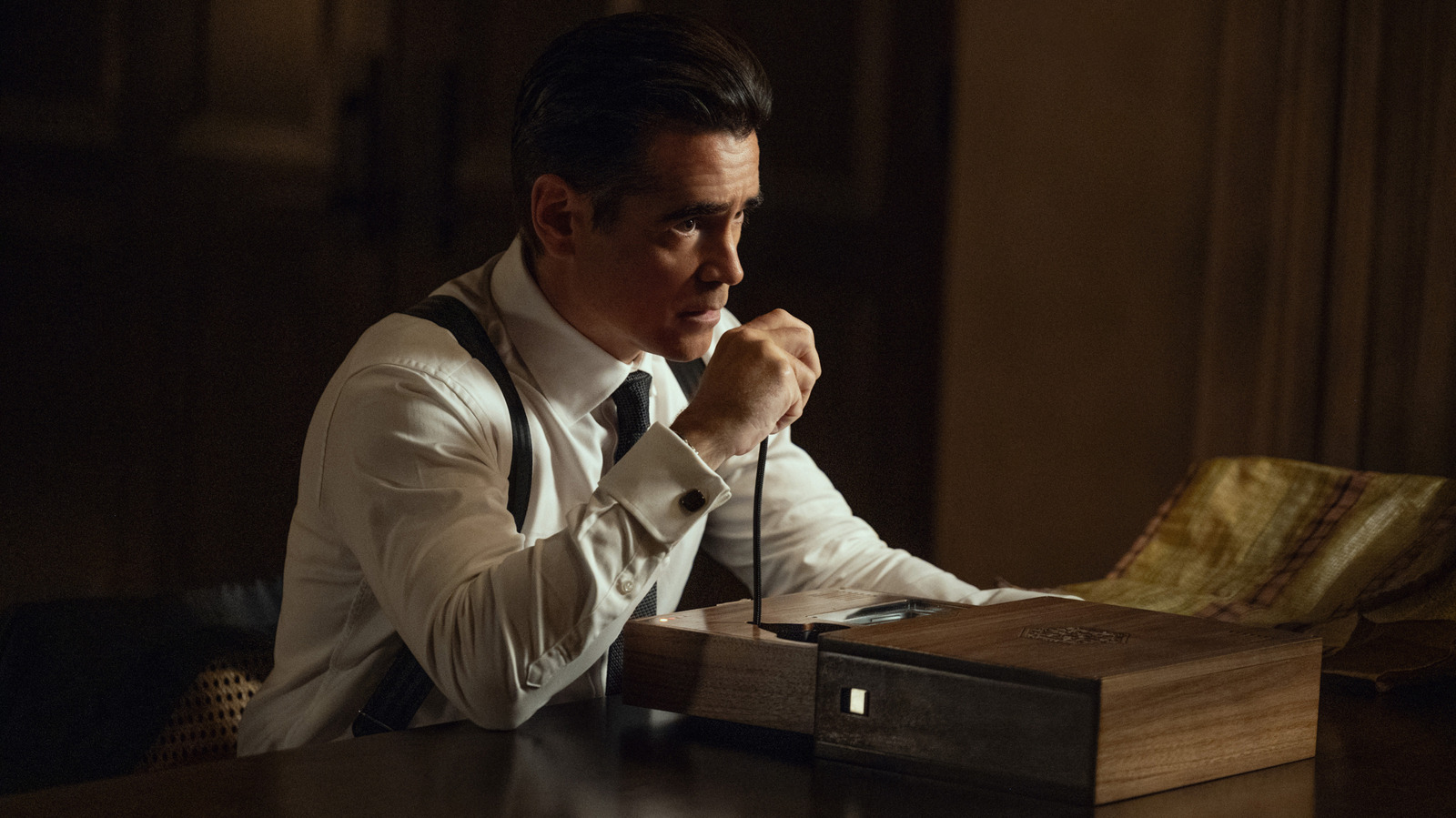
The Season 2 premiere, "Home Away from Home," signals a drastic change in direction. Following a conclusion where Sugar chose to abandon his people to remain on Earth in search of his missing sister, Djen, the new season begins with a sobering "status quo" reset. The search for Djen reaches a definitive, tragic dead end. Suddenly, the galactic stakes evaporate, leaving the protagonist in a vacuum of purpose. The show’s rapid pivot back to the "lonely PI in LA" formula has left viewers questioning whether the sci-fi twist was merely a temporary stylistic exercise rather than a foundational pillar of the show’s identity.
Supporting Data: The Genre Tug-of-War
The structural integrity of Sugar relies on how well it balances its two competing identities. Critics and fans alike have noted that the show functions effectively in two distinct ways, but rarely at the same time.
- The Case for the Noir: The appeal of the neo-noir format is in its intimacy. The focus on human frailty, greed, and the corruptive nature of power in Los Angeles allows the audience to project themselves onto the protagonist. When the story remains grounded in detective work, the stakes feel personal and immediate.
- The Case for the Sci-Fi: The extraterrestrial element adds a layer of philosophical inquiry. It allows the show to explore themes of isolation, the "observer" perspective, and what it truly means to be human. By stripping this away in the Season 2 premiere, the show risks losing the very intellectual depth that set it apart from standard procedurals.
Social media sentiment and fan forums, such as the Sugar subreddit, illustrate a divided fanbase. One faction argues that the show was "perfect" as a pure homage to classic cinema, suggesting the sci-fi twist introduced unnecessary complexity. The opposing camp contends that the twist was the show’s "soul," and that walking it back feels like a betrayal of the narrative promise made in Season 1.
Official Creative Perspectives: Why the Pivot?
While the showrunners have been tight-lipped about the long-term roadmap, the thematic focus of the premiere offers insight. The decision to emphasize a new missing person case—that of local boxer Danny Moon—suggests that the creators are attempting to "re-ground" the character.
By removing the primary motivation for the sci-fi elements (the sister, Djen), the writers are forcing Sugar to confront the consequences of his choice to stay on Earth. The internal logic appears to be: If Sugar is no longer a man on a mission, who is he? The "new" cases he takes on serve as a coping mechanism, a way to anchor himself in a reality that he knows he doesn’t truly belong to.
Furthermore, the introduction of Senator Tyson Pavich as a subplot provides a bridge between the two genres. Pavich represents the human knowledge of the alien presence—a threat that exists in the shadows of the neo-noir world. It remains to be seen whether the writers will integrate this into the main narrative or keep it as a secondary, slow-burn mystery.
Implications for the Future of the Series
The trajectory of Sugar raises significant questions about the nature of serialized storytelling in the streaming era.
1. The Risk of Genre Dilution
By oscillating between high-concept science fiction and grounded detective fiction, Sugar risks alienating both demographics. Fans of hardboiled noir may be put off by the "hidden" sci-fi elements, while sci-fi enthusiasts may find the return to the "Case of the Week" format too pedestrian.
2. The Longevity of the Character
Colin Farrell’s portrayal of John Sugar is the glue that holds the disparate parts together. His performance is so nuanced that it elevates both the noir tropes and the sci-fi revelations. However, even a performance of this caliber can only do so much if the narrative structure feels inconsistent. If the show continues to "reset" itself every season, it may struggle to maintain the momentum required for a long-running series.
3. The "Anti-Twist" Strategy
The "anti-twist" approach used in the Season 2 premiere is a risky maneuver. It challenges the audience to find value in the mundane after they have been exposed to the extraordinary. If the writers can successfully weave the lingering threat of the alien-human conspiracy into the new, seemingly mundane cases, Sugar could achieve a harmonious synthesis. If they fail to do so, the show may be remembered as a series that never quite figured out what it wanted to be.
Conclusion: A Delicate Balancing Act
Sugar remains one of the most visually stunning and conceptually ambitious shows on Apple TV+. Its dedication to the aesthetic of classic film is unparalleled, and its commitment to challenging the audience’s expectations is commendable.
However, as the second season progresses, the show must address its identity crisis. Whether the sci-fi elements are a distraction or a vital component of the series’ DNA is a question that will define its legacy. For now, the audience is left to watch as John Sugar navigates the rain-slicked streets of Los Angeles, searching for clues in both the physical world and the shadows of his own extraterrestrial past.
If the goal of the show was to mirror the detective’s own feeling of displacement, then the current confusion is perhaps the most accurate representation of the character possible. Whether this makes for good television, however, is a verdict that will be delivered by the audience over the coming weeks as the truth behind the boxer’s disappearance—and the reach of the Senator’s corruption—begins to unfold. One thing is certain: in the world of Sugar, nothing is ever quite as it seems, and the most dangerous secrets are often the ones hiding in plain sight.

 Reynand Wu