Dwi Wanna
Remedy Entertainment has long been the gold standard for narrative-driven, atmospheric action games. From the gritty, noir-soaked streets of Max Payne to the psychological horror of Alan Wake and the mind-bending bureaucracy of Control, the Finnish studio has consistently pushed the boundaries of interactive storytelling. However, their latest project, Control Resonant, represents perhaps the most significant mechanical shift in the developer’s storied history. Following a hands-on preview at Summer Game Fest, it is clear that while the DNA of the Federal Bureau of Control remains, the gameplay experience has evolved into something far more visceral and aggressive.
The Main Facts: A New Chapter in the FBC Universe
Control Resonant, the highly anticipated sequel to the 2019 critical darling, is set to launch on September 24, 2026, for PlayStation 5, Xbox Series X, and PC. While the original Control focused on Jesse Faden’s journey to reclaim the Federal Bureau of Control (FBC) from the Hiss, Resonant shifts the narrative lens toward her brother, Dylan Faden.
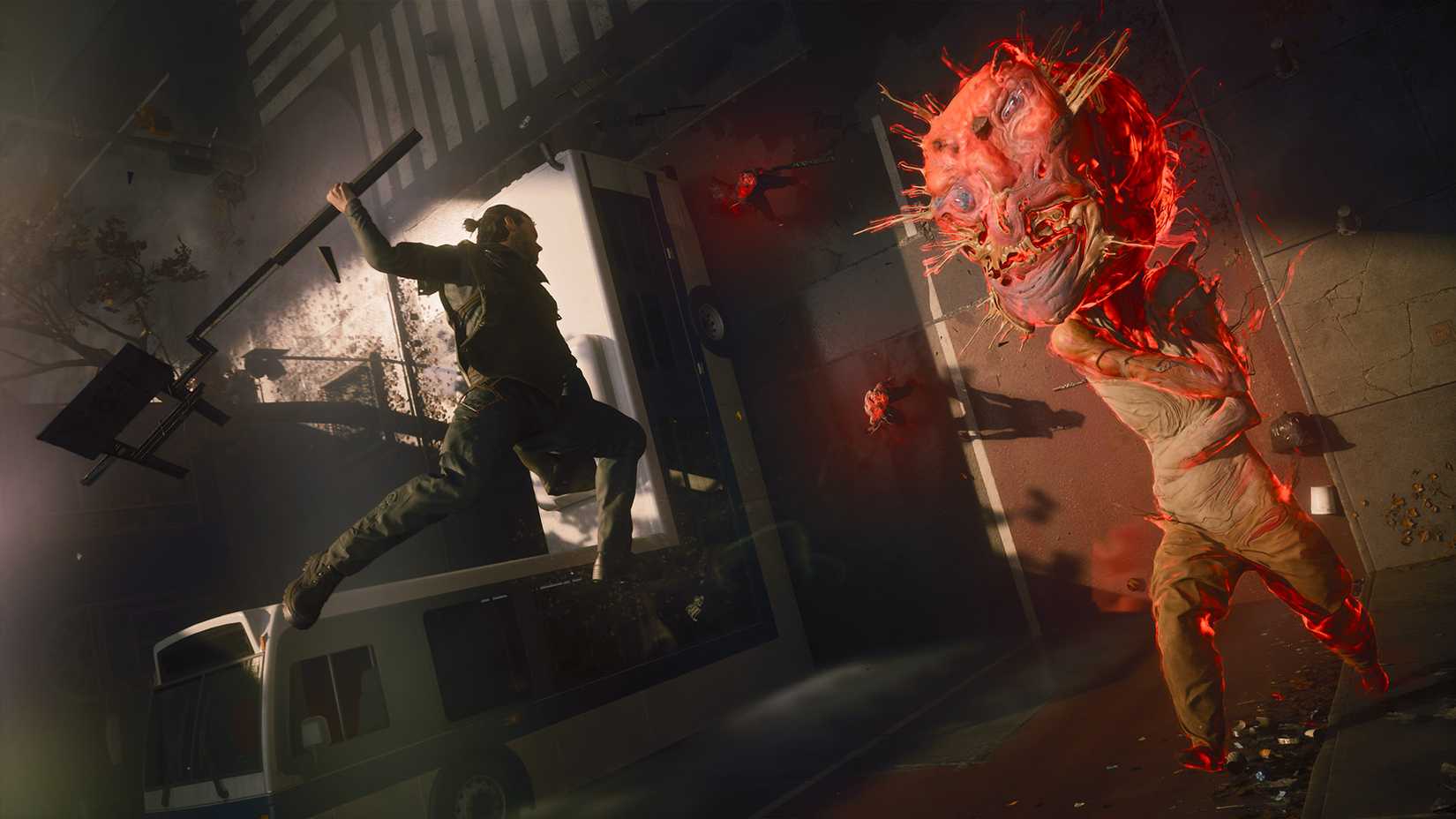
The premise is as bleak as it is intriguing: despite the apparent containment of the Hiss at the conclusion of the first game, the extra-dimensional entity has broken free from the confines of the FBC’s headquarters. It has now bled into the real world, effectively occupying and warping the entirety of Manhattan. Players take control of Dylan, who has awakened years after the events of the original game to find a world transformed by supernatural instability.

A Chronological Progression: From Bureaucracy to Battlefield
To understand the trajectory of Control Resonant, one must look at the studio’s evolution. Remedy began their journey with high-octane action titles, but quickly pivoted toward the survival-horror focus of Alan Wake. This was followed by Quantum Break, a title that experimented with live-action integration and cinematic storytelling, featuring a star-studded cast including Shawn Ashmore, Lance Reddick, and Aidan Gillen.
Quantum Break provided the structural blueprint for Control, which refined the "metroidvania-lite" exploration of a single, shifting location. Control Resonant breaks this cycle. By moving the setting from the claustrophobic corridors of the "Oldest House" to the sprawling, urban landscape of New York City, Remedy is attempting to scale up their design philosophy without losing the surreal, psychedelic aesthetic that fans of the series have come to expect.
Supporting Data: A Mechanical Paradigm Shift
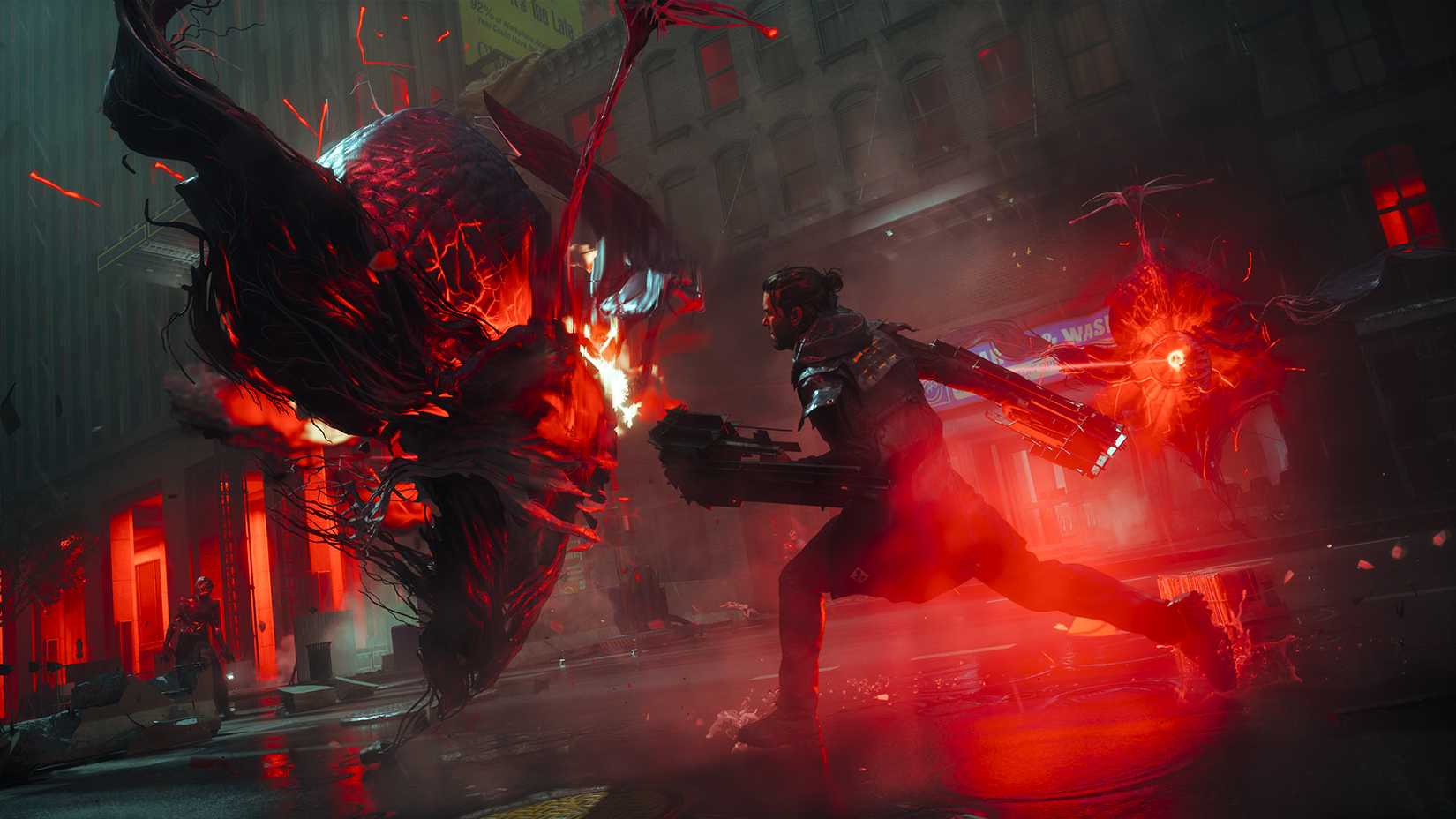
The most jarring, yet welcome, revelation from the hands-on preview is the combat overhaul. While the original Control relied heavily on third-person shooting paired with telekinetic utility, Control Resonant leans sharply into a melee-heavy, combo-driven combat system.

The "Devil May Cry" Influence
Early impressions suggest that the combat loop is closer to a high-tempo action game like Devil May Cry than its predecessor. Dylan Faden does not simply stand behind cover; he is designed to be mobile, aggressive, and intimate with his enemies. The studio has implemented a "weighty" melee system that encourages players to close the distance, overwhelming Hiss-corrupted foes with rapid-fire strikes.
Customization and Combat Versatility
The weapons system in Resonant is remarkably deep. Players can choose between standard blades or dual-wielding configurations. More importantly, these weapons possess "Aberrant" forms, which radically alter their utility in the heat of battle:
- Extended Nunchucks: Designed for crowd control and wide-area strikes.
- The Drill: A high-speed, piercing weapon capable of breaking through enemy defenses.
- Crushing Hammer: A slow, devastating tool meant for staggering heavy units.
Beyond standard armaments, the game introduces a gauge-based ability system. In the demo, players were granted access to diverse tactical options such as supernatural summons, defensive energy shields, and long-range projectile barrages. These are not static unlocks; they are designed to be upgraded, allowing players to build a specialized playstyle that caters to their preferred combat rhythm.

Official Perspectives: Reimagining Manhattan
Remedy’s development team has been vocal about the technical challenges of recreating Manhattan. In recent insights provided at Gamescom LatAm, the developers emphasized that the primary goal was to make the city feel "warped." This is not a standard open-world city; it is a manifestation of the Hiss’s influence.
The studio aims to maintain the "claustrophobic" tension of the original game, even within the expansive setting of New York. By using the city’s verticality and architecture as part of the puzzle-solving and combat flow, Remedy intends to guide players through specific, intense encounters while still offering the freedom to explore the "resonant" shifts in the environment. The narrative, as promised by the team, will pick up directly after Jesse Faden’s story, acting as both a sequel and a standalone expansion of the "Remedy Connected Universe."
The Implications: Is Remedy Losing Its Identity?
The shift in Control Resonant poses a fundamental question: Can a studio famous for narrative-heavy, cinematic experiences succeed when pivoting toward a more action-focused, mechanical-heavy design?
The Risks of Aggression
By moving away from the cover-based, methodical combat of the original Control, Remedy risks alienating a portion of the fanbase that appreciated the more tactical nature of Jesse Faden’s fight. The transition to a melee-centric, combo-based system requires a high level of technical precision that can be frustrating if not tuned perfectly.
The Rewards of Innovation
Conversely, this shift could be the revitalization the franchise needs. The original Control was a masterpiece, but its repetitive combat loops were often cited as a weak point. By introducing high-speed movement, complex weapon forms, and a deeper ability tree, Remedy is demonstrating a willingness to iterate and improve. If the "tight" combat reported by early playtesters holds up throughout the full duration of the campaign, Control Resonant could set a new benchmark for how cinematic developers approach action design.
The "Resonant" Aesthetic
Finally, the implications for the wider "Remedy-verse" are significant. If Resonant successfully integrates the psychological horror of Alan Wake with the fast-paced, visceral action of a character-action game, it solidifies Remedy’s position as a studio that cannot be easily pigeonholed. The ability to craft a story that feels "mind-bending" while providing gameplay that feels "punchy" is a rare combination.
Final Thoughts: A September to Remember
As we look toward the September 24 launch, the anticipation for Control Resonant is at an all-time high. The transition from the contained, bureaucratic mystery of the FBC to a city-wide, chaotic battle for survival is a massive undertaking. However, based on the early hands-on evidence, the core of what makes a Remedy game—the atmosphere, the mystery, and the sense of discovery—remains intact.
Whether it is the haunting, psychedelic visuals or the newfound mechanical depth of Dylan’s arsenal, Control Resonant is shaping up to be one of the most daring titles of the year. It is a testament to the studio’s growth that, after two decades in the industry, they are still capable of surprising their audience. Fans should prepare themselves; the Hiss have escaped, and this time, they’re bringing a much more dangerous fight to the streets of New York.
With pre-orders now open and the release date firmly on the calendar, the stage is set. Will Dylan Faden be able to succeed where his sister struggled? And what other cosmic horrors await in the ruins of Manhattan? We will find out soon enough.


 Asro
Asro
 Muslim