Laily UPN
By Aden Carter
The sprawling universe of Kingdom Hearts has captivated players for over two decades, weaving a complex narrative through a dazzling array of worlds pulled from Disney and Pixar’s rich tapestry. From the whimsical to the melancholic, these realms have served as backdrops for Sora’s epic journey to combat the encroaching darkness. However, as the series gears up for its next chapter with the highly anticipated Kingdom Hearts 4, a critical re-evaluation of its existing worlds is in order. While some locations have become beloved staples, others have, unfortunately, fallen short, offering repetitive gameplay, uninspired design, or simply failing to resonate with the evolving tone of the franchise. This analysis delves into ten such worlds that, for the sake of narrative progression and player experience, would be best left behind.
The Ever-Expanding Universe and the Need for Evolution
Since Sora first stepped onto Destiny Islands, his adventures have been defined by the diverse and often fantastical worlds he visits. From the ethereal Timeless River to the literal belly of a whale within Monstro, the series has never shied away from bold and imaginative settings. This willingness to explore the unique has been a cornerstone of the Kingdom Hearts appeal. However, with Kingdom Hearts 4 signaling a potential shift towards a more realistic aesthetic for Sora and his companions, the viability of certain whimsical or dated world designs comes into question.
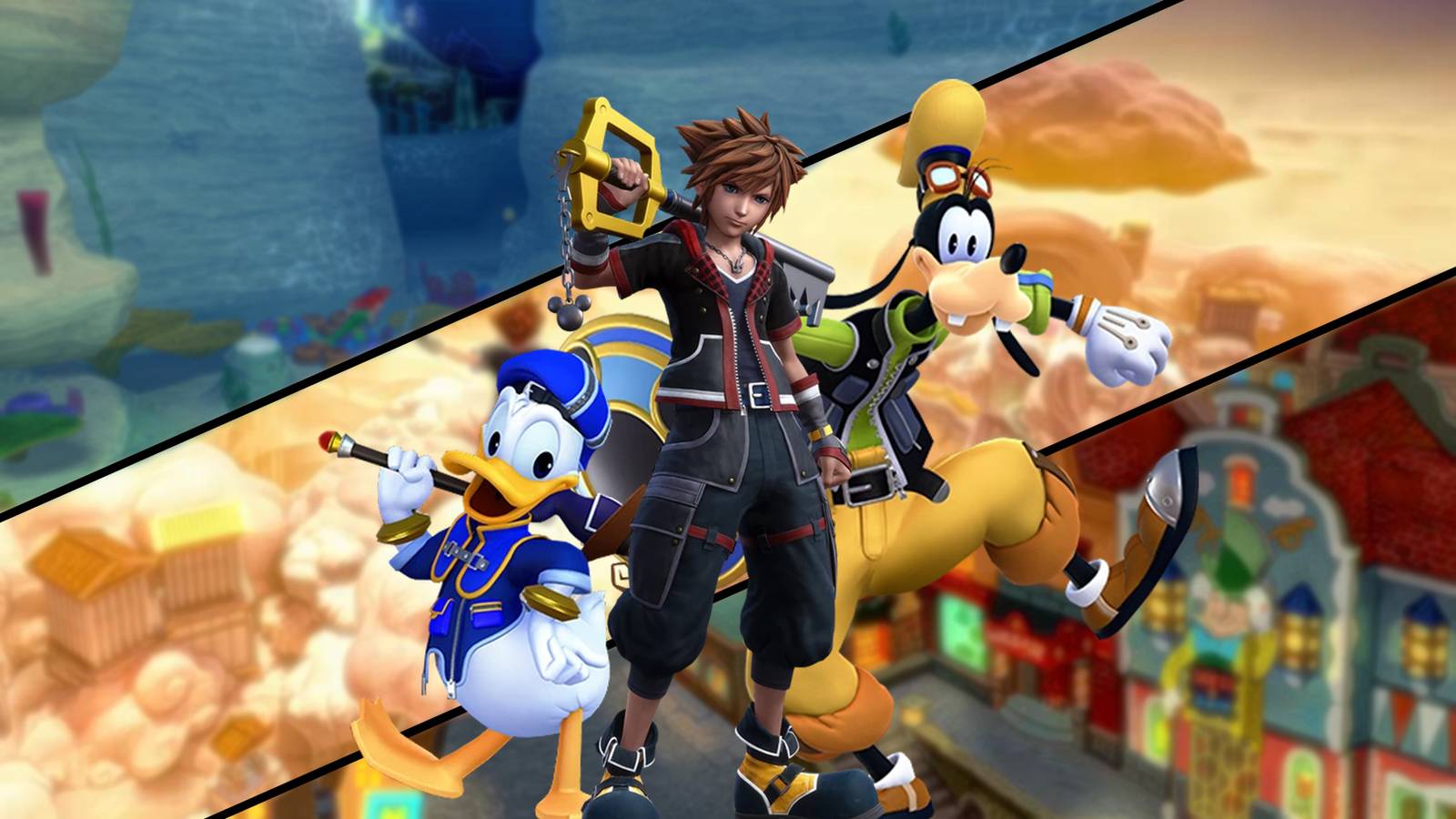
The introduction of Kingdom Hearts 4 marks a pivotal moment for the series. The glimpses we’ve seen suggest a departure from the more stylized graphics of previous installments, leaning into a more grounded and visually mature presentation. This stylistic evolution necessitates a reconsideration of the worlds that will populate Sora’s next grand adventure. While nostalgia plays a significant role in our attachment to certain locales, it’s crucial to assess whether these worlds can genuinely contribute to the narrative and gameplay without feeling anachronistic or redundant. Square Enix has an opportunity to introduce fresh, compelling environments that align with the new direction of the series, rather than relying on familiar, yet potentially stale, territory. This list explores worlds that, despite their initial charm or thematic relevance, have arguably run their course and could be retired to allow for new and exciting additions to the Kingdom Hearts saga.
Worlds That Missed the Mark: A Critical Ranking
As the overarching narrative of the Keyblade War and the struggle between light and darkness continues to unfold, the impact of each world visited becomes increasingly significant. Some worlds have offered profound narrative insights, engaging challenges, and memorable character interactions. Others, however, have lingered as detours, their gameplay mechanics or thematic relevance failing to justify their inclusion. Here, we examine ten such worlds that, in light of the series’ evolution and the impending arrival of Kingdom Hearts 4, should perhaps remain lost to time.
10. Disney Town: A Whimsical Misstep
Missed the Mark the First Time

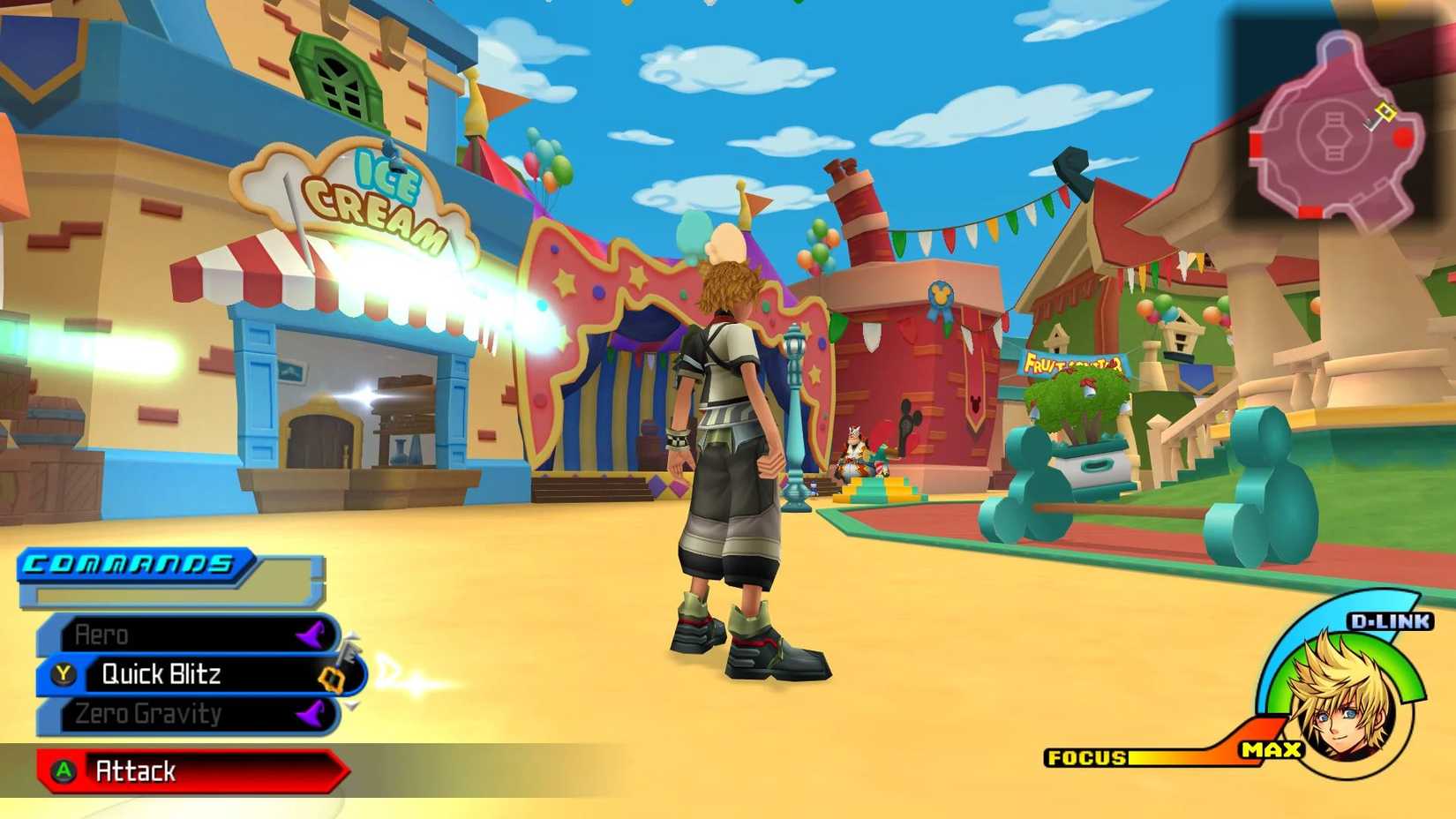
First appearing in Kingdom Hearts Birth by Sleep, Disney Town was intended to capture the vibrant, energetic spirit of a classic Disney amusement park. While the world is visually bright and undeniably colorful, it struggled to fully embody the joyous essence of its inspiration. Instead, it often felt more eerie than inviting, characterized by a noticeable lack of NPC interaction and a somewhat unsettling atmosphere. The world’s design, with its pastel hues and exaggerated features, leans heavily into a stylized aesthetic that may clash with the more realistic direction hinted at for Kingdom Hearts 4.
The primary concern with a potential return to Disney Town lies in its inherent whimsical nature. If implemented with the same visual fidelity as the original Birth by Sleep, it would starkly contrast with the potentially more grounded environments of the upcoming title. While a thematic nod to a Disney park could be incorporated, a direct re-creation of Disney Town might feel out of place, disrupting the immersive experience. Square Enix could explore a more "Disney park-themed" area that retains a sense of magic while remaining more tonally consistent with a modern, realistic setting. However, as a standalone world, Disney Town’s initial execution left much to be desired, making its return unlikely to be a welcome one.
9. Agrabah: A Deserted Oasis
Needs a Facelift
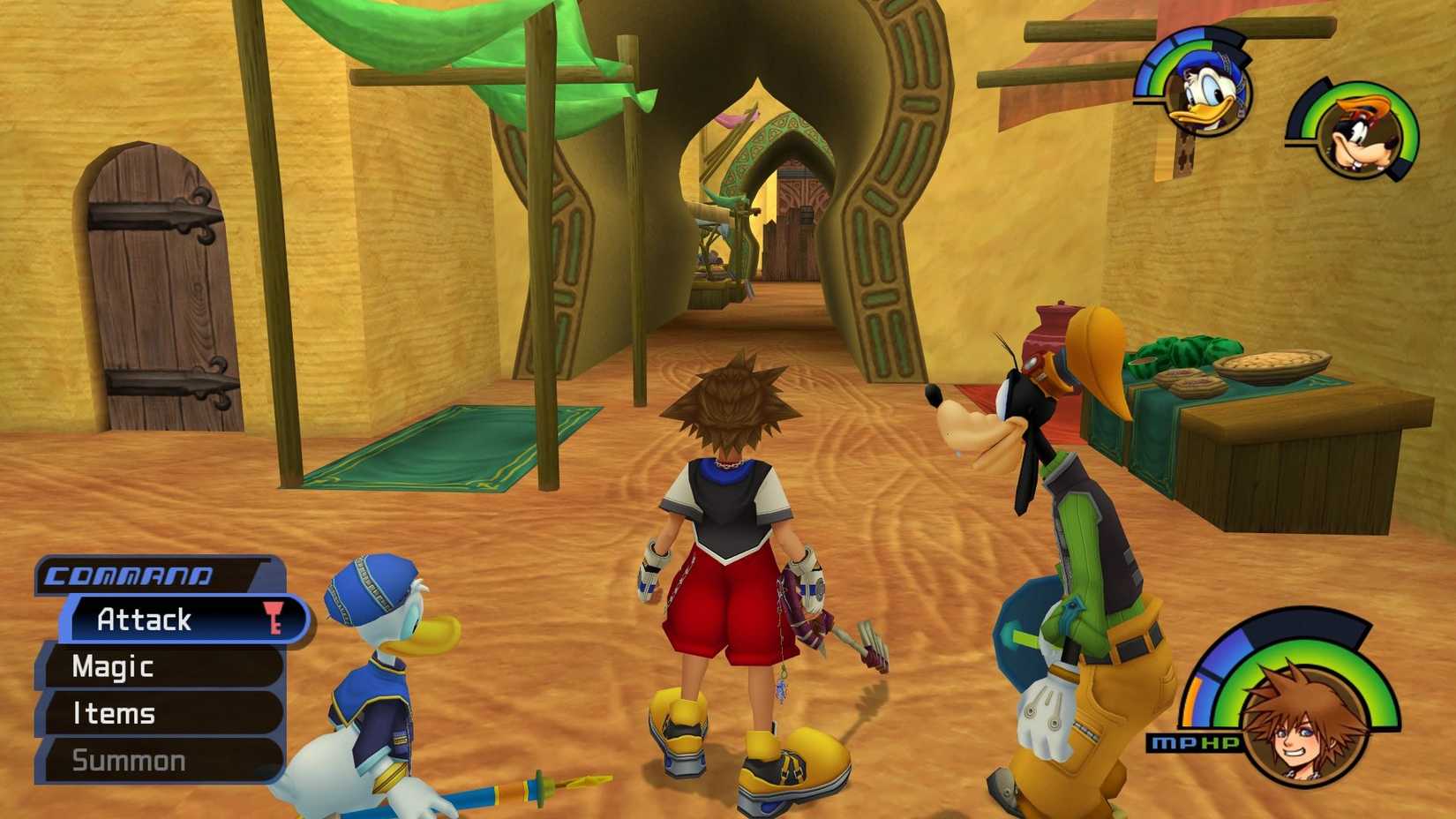
Agrabah, a staple of the Kingdom Hearts series, has appeared in more titles than almost any other Disney world. While its inclusion has provided opportunities to explore the stories of Aladdin, Jasmine, and the mischievous Genie, the world itself has consistently been criticized for its lack of visual diversity and repetitive design. The sprawling desert landscapes and the bustling, yet often visually underexplored, city streets have become a familiar, and for many, a tiresome, setting. The iconic "hate sand" sentiment, echoing Anakin Skywalker’s lament, is a sentiment shared by many players who find the world’s aesthetic to be bland and uninspired.
The repetitive nature of Agrabah’s environments, coupled with gameplay often centered around navigating sandy dunes and a visually monotonous city, has contributed to its declining appeal. While the narrative elements involving Jafar and his machinations have often been compelling, the world’s design itself has failed to evolve significantly across its multiple appearances. The lack of vibrant colors and distinct landmarks beyond the Sultan’s palace and the cave of wonders can make the exploration feel unengaging. Fortunately, Square Enix recognized this fatigue by omitting Agrabah from Kingdom Hearts 3, a decision that suggests a potential understanding of player sentiment. Its absence from the upcoming Kingdom Hearts 4 would likely be met with relief rather than disappointment, allowing the series to explore fresh locales and stories.
8. Monstro: A Fleshy Fiasco
Leave the Whale Alone
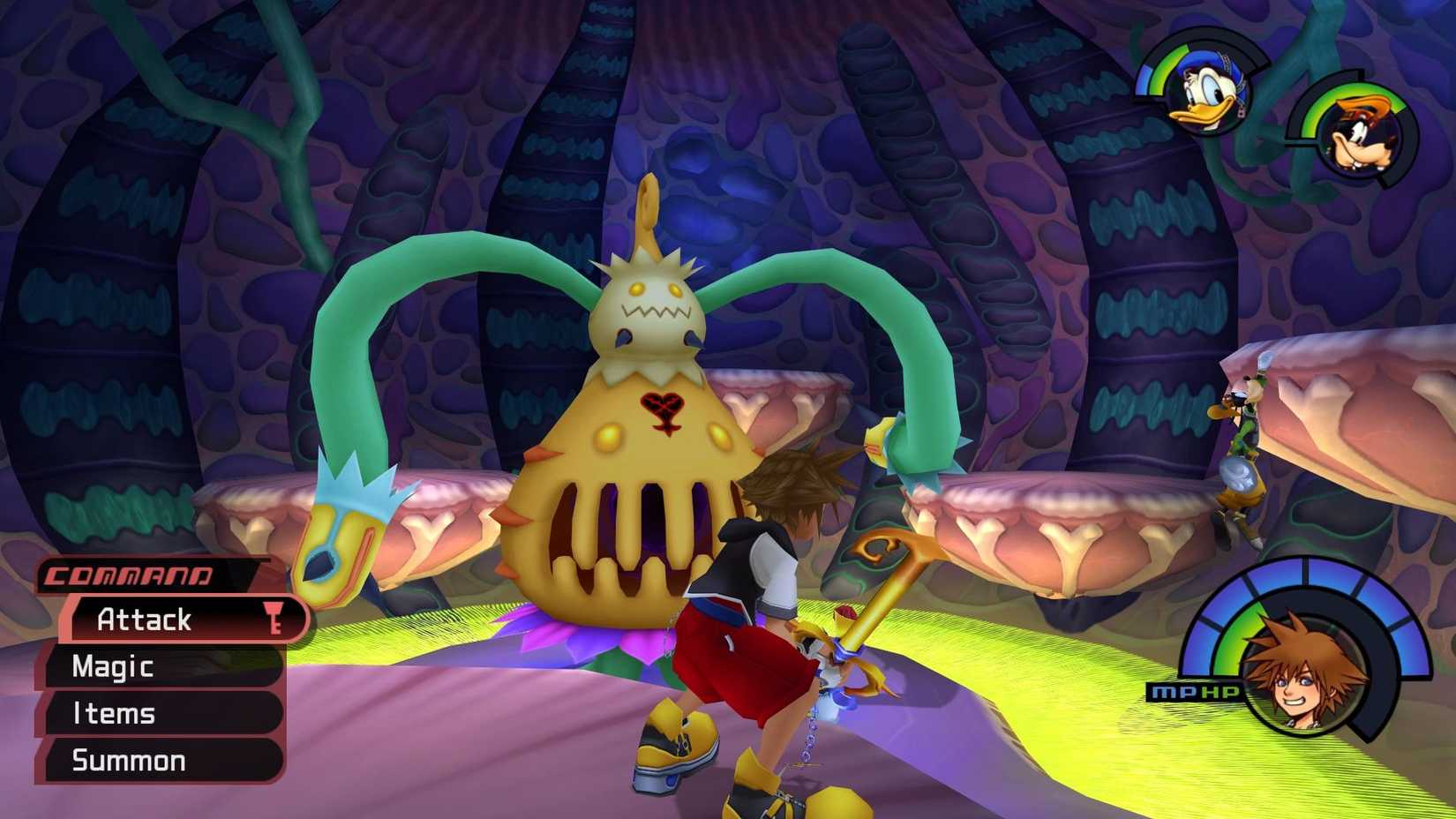
The concept of being trapped within a colossal, living creature is undeniably a unique and potentially unsettling premise for a video game world. Monstro, the giant whale from Disney’s Pinocchio, has been featured in several Kingdom Hearts titles, most notably in the original Kingdom Hearts. However, the execution of this world has consistently been marred by technical and design flaws. The interior of Monstro, meant to be a bizarre and confined space, often felt more confusing than claustrophobic, exacerbated by a janky camera that hindered navigation.
Historically, the visual design of Monstro’s interior has been a point of contention. The surprisingly vibrant and almost cartoonish appearance of the whale’s innards, while perhaps an attempt at maintaining the series’ whimsical tone, often felt jarring and out of place, especially when contrasted with the darker themes the series sometimes explores. Furthermore, the very idea of navigating the insides of a creature can be inherently unappealing, bordering on grotesque. As Kingdom Hearts 4 aims for a more realistic presentation, the prospect of rendering a realistic, fleshy interior of a whale becomes a logistical and aesthetic challenge that could easily devolve into an uncomfortable and unengaging experience. It would be prudent for Square Enix to leave Monstro as a relic of the series’ past, a memorable but ultimately flawed inclusion.
7. Deep Jungle: Lost in the Woods
Getting Lost
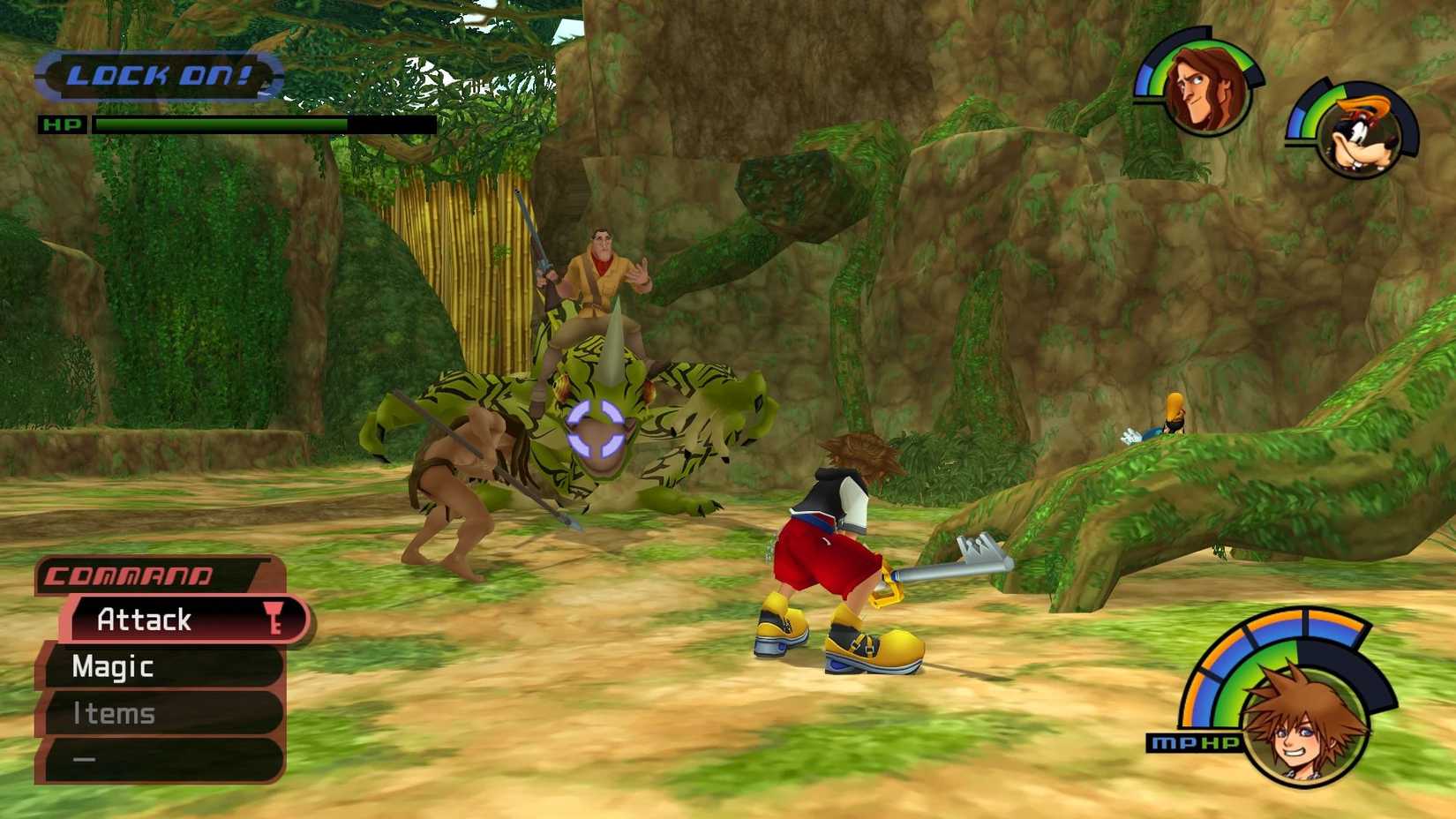
The beloved Disney classic Tarzan brought with it a heartwarming story and an unforgettable soundtrack by Phil Collins. However, its translation into the Kingdom Hearts universe, specifically the Deep Jungle world in the original Kingdom Hearts, proved to be a significant misstep. The world is widely remembered not for its faithfulness to the film’s narrative or characters, but for its frustratingly labyrinthine design and awkward gameplay mechanics. Players frequently found themselves lost amidst the repetitive bamboo stalks and dense foliage, struggling to pinpoint the next story objective.
Beyond the navigational challenges, the Deep Jungle world suffered from a lack of engaging environmental design and clunky movement mechanics. The swinging sequences, a core element of Tarzan’s character, were often imprecise and frustrating to execute, leading to unnecessary deaths and a general sense of annoyance. While the thematic potential of Tarzan’s world is undeniable, its implementation in Kingdom Hearts was, unfortunately, a failure. Instead of revisiting the Deep Jungle, Square Enix would be better served by finding a more innovative and engaging way to incorporate Tarzan and his world into the franchise, perhaps by focusing on more open, interactive environments that leverage the characters’ agility without the frustrating design pitfalls of the original.
6. 100 Acre Wood: Closing the Book on Pooh Bear
Goodbye, Pooh Bear
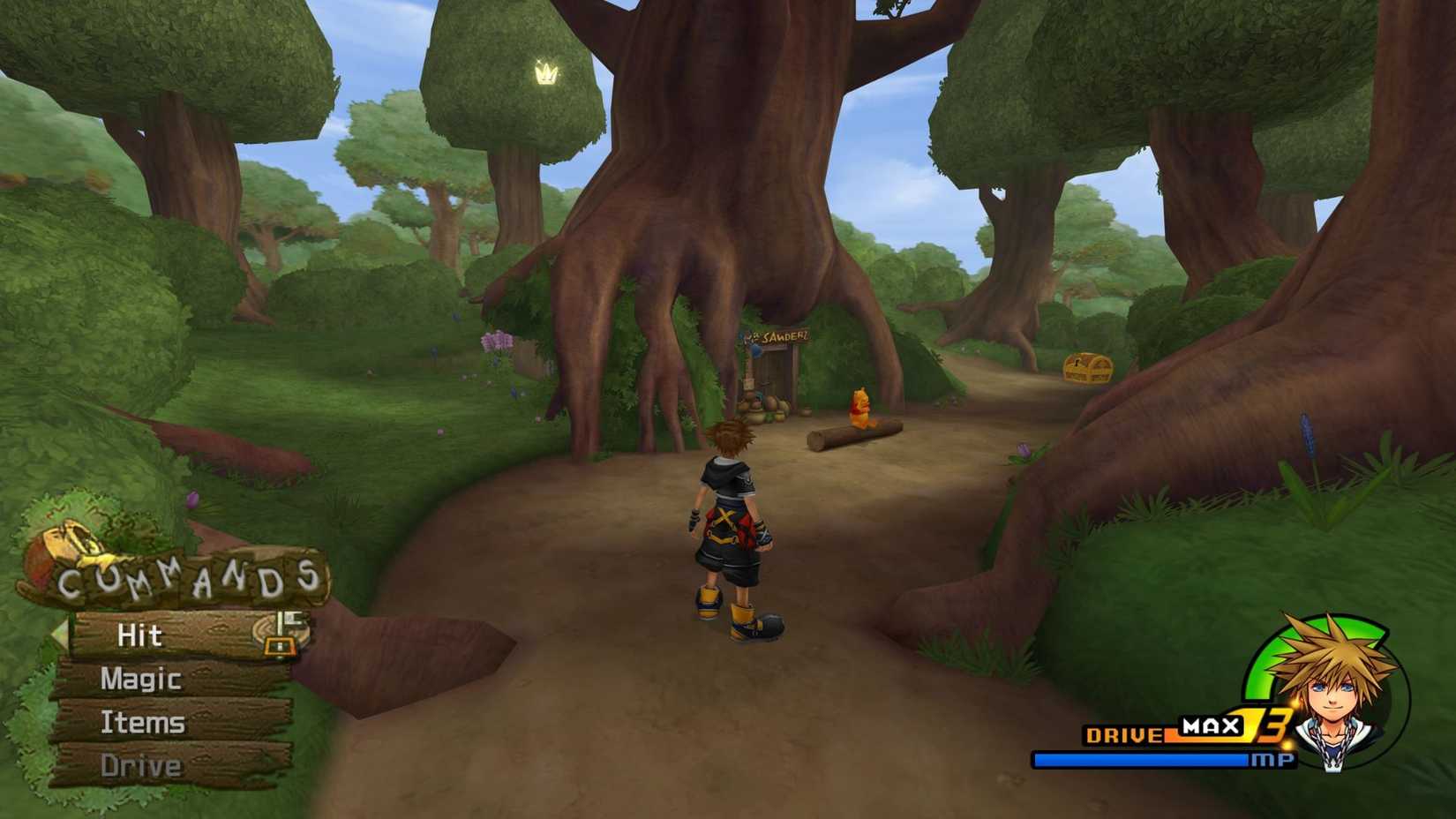
The 100 Acre Wood, the whimsical home of Winnie-the-Pooh and his friends, is one of the most frequently visited worlds across the Kingdom Hearts series, appearing in five different titles, including all mainline entries. While the enduring charm of Winnie-the-Pooh is undeniable, and many fans hold nostalgic affection for these segments, the gameplay and design of the 100 Acre Wood levels have consistently been a point of contention. Each iteration has largely consisted of a series of rather bland mini-games and fetch quests, often feeling like a tedious detour from the main narrative.
The problem with the 100 Acre Wood lies in its inherent simplicity and the repetitive nature of its challenges. After experiencing these segments multiple times across different games, the novelty wears off, and the objectives can feel uninspired and time-consuming. While these worlds are typically optional, their recurring presence suggests a reliance on nostalgia that may no longer be sufficient to justify their inclusion. As players progress through the increasingly complex narratives and sophisticated gameplay of the Kingdom Hearts series, the simplistic nature of the 100 Acre Wood may feel out of step. It would be fitting to "close the book" on this particular childhood classic within the Kingdom Hearts universe, allowing for new stories and worlds to take its place.
5. San Fransokyo: A City Lacking Soul
Lack of Detail
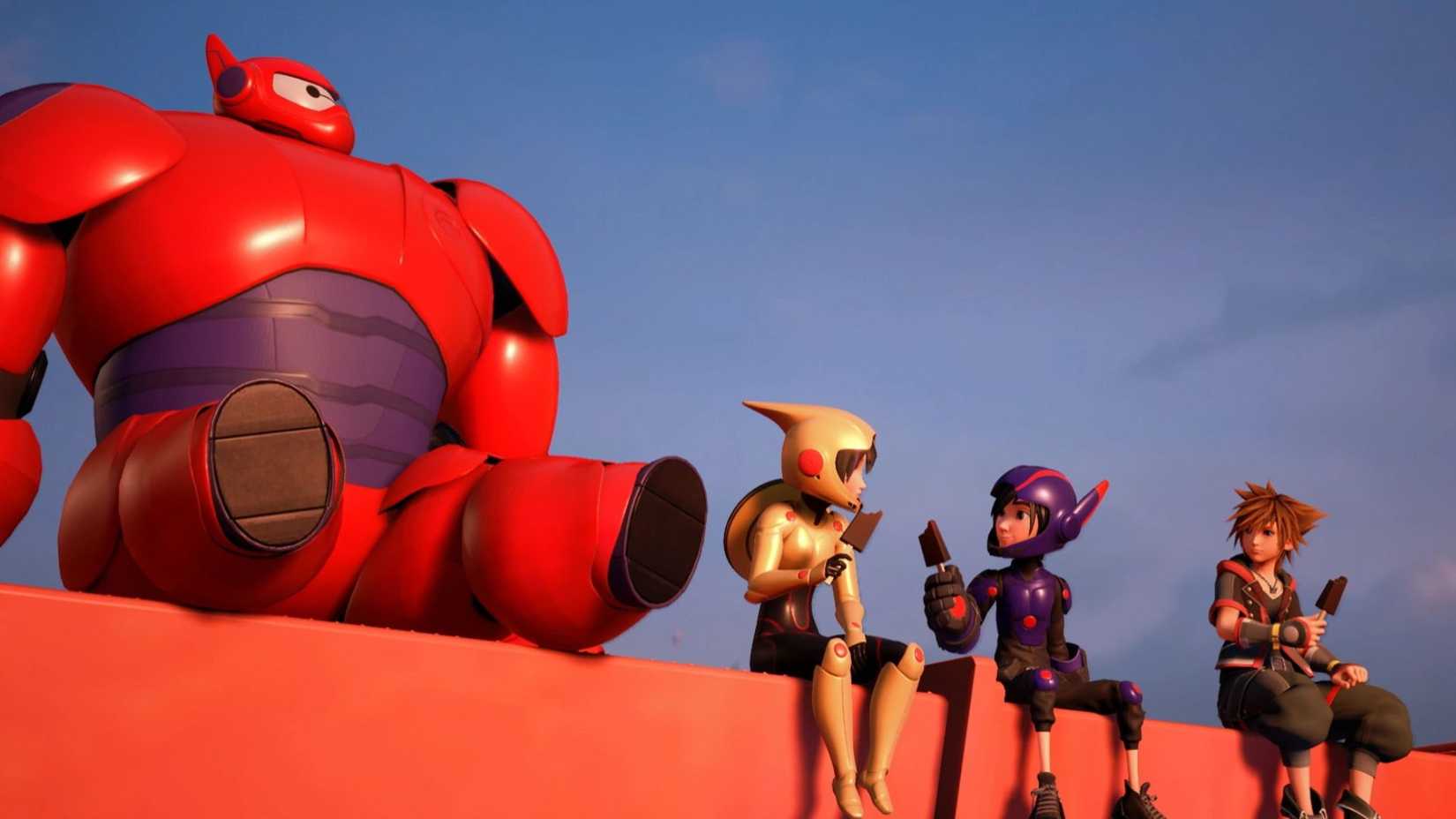
The prospect of visiting San Fransokyo in Kingdom Hearts 3, a vibrant metropolis inspired by the beloved Disney film Big Hero 6, was met with considerable excitement. The potential for dynamic city traversal, engaging character interactions, and a visually striking environment seemed immense. However, the execution of this world in Kingdom Hearts 3 ultimately fell short of expectations. The primary criticism leveled against San Fransokyo was its surprising lack of detail and interactive elements.
Despite its futuristic cityscape, the world felt strangely devoid of life and engaging content. The absence of typical city-based mini-games, the lack of opportunities to engage with citizens, and the limited interaction with the Heartless left the player feeling disconnected from the environment. The cityscape itself, while visually impressive from a distance, often felt more muted and less vibrant than anticipated, contributing to a sense of dullness rather than excitement. Furthermore, with Kingdom Hearts 4 already showcasing a new urban setting, the need for another, less compelling city environment becomes questionable. San Fransokyo, despite its cinematic origins, failed to deliver a truly captivating Kingdom Hearts experience, making its return in the upcoming title unlikely to be a priority.
4. Deep Space: A Sterile Voyage
Cold and Sterile
The Lilo & Stitch franchise is cherished for its heartwarming portrayal of family and belonging, set against the backdrop of the beautiful Hawaiian islands. However, its appearance in Kingdom Hearts: Birth by Sleep as the "Deep Space" world proved to be a stark disappointment. Instead of immersing players in the tropical paradise of Hawaii, the game confined them to the cold, sterile, and monotonous interior of a spaceship. This environment, characterized by its uninspired grey corridors and lack of visual distinctiveness, offered little in the way of engaging exploration or thematic resonance with the source material.
The gameplay within Deep Space was similarly forgettable. The verticality of the spaceship design, while offering a change of pace, quickly became repetitive. The combat encounters, including the boss fight against Gantu, failed to leave a lasting impression. The stark contrast between the vibrant potential of the Lilo & Stitch universe and the drab reality of Deep Space was a missed opportunity. If Lilo and Stitch were to be revisited, it would be far more compelling to see Sora and his companions experience the world of Hawaii, perhaps engaging in beachside battles or even wielding their Keyblades on a surfboard. The current iteration of Deep Space is a testament to how a beloved franchise can be poorly represented within the Kingdom Hearts framework.
3. Arendelle: Frozen Out of Relevance
Stay Frozen
The inclusion of Arendelle, the kingdom from Disney’s Frozen, in Kingdom Hearts 3 was met with mixed reactions. While the film’s immense popularity suggested a potentially exciting world, its implementation felt disjointed and underdeveloped. Many players felt that the narrative within Arendelle shifted abruptly, pulling players away from the main storyline for a prolonged period without offering sufficient narrative payoff. The world itself, largely confined to an ice cavern, lacked the dynamic exploration and engaging gameplay that players had come to expect from Kingdom Hearts titles.
Beyond the narrative pacing issues, Arendelle suffered from a lack of overall world depth. The emphasis on icy environments and limited interactive elements contributed to a feeling of stagnation. The subsequent release of Frozen 2 might tempt Square Enix to revisit this world in Kingdom Hearts 4, perhaps to incorporate elements from the sequel. However, given the lukewarm reception of the original Arendelle world, such a return is unlikely to generate significant excitement. Many players found the original Arendelle experience to be underwhelming, and the prospect of returning to its frozen landscapes, even with new content, may not be met with enthusiasm. It would be prudent for the series to move on, leaving Arendelle’s icy grip behind.
2. Olympus: A Myth Tired of Repeating Itself
Tiresome
The world of Olympus, drawing from the classic Disney film Hercules, has been a near-constant presence in the Kingdom Hearts series since its inception. While the story of Hercules and the Greek gods offers a rich mythological backdrop, its repeated inclusion has led to a sense of narrative fatigue. Square Enix has, for years, relied on the familiar tale of Hercules, his trials, and his eventual triumph, often with Sora acting as a supporting hero or a training partner. At this point, the narrative threads have become somewhat predictable.
The core issue with Olympus is not necessarily the quality of its individual representations, but the sheer frequency of its appearances. Each iteration, while featuring updated graphics and slightly varied gameplay, often retreads familiar ground. We witness Hercules seeking strength, facing familiar villains, and learning lessons that have been presented numerous times before. While the character of Hercules, affectionately known as "Wonder Boy," is a likable figure, the narrative potential of his story within the Kingdom Hearts saga feels largely exhausted. For Kingdom Hearts 4, it would be beneficial to allow Olympus and its inhabitants a well-deserved respite, opening up space for new mythological realms or entirely different Disney properties to be explored.
1. Atlantica: Submerged in Mediocrity
Under the Sea No More
Consistently cited as one of the most disliked worlds in the Kingdom Hearts series, Atlantica, the underwater kingdom from Disney’s The Little Mermaid, has a troubled history across multiple installments. Its appearances in the original Kingdom Hearts, Chain of Memories, and Kingdom Hearts 2 have been met with widespread criticism, primarily centered around its clunky swimming mechanics. Despite the advancements in game design and technology, the underwater traversal in Atlantica has never felt intuitive or engaging, often leading to frustrating control issues and awkward movement.
Beyond the gameplay woes, the repeated inclusion of Atlantica has also contributed to player fatigue. The novelty of swimming through Ariel’s world has long since worn off, and the typical mini-games featured within these segments, particularly the singing and dancing numbers, have been described as tedious and, in some cases, outright maddening. While the singing in Kingdom Hearts 2 was intended to be whimsical, for many players, it became an annoyance that detracted from the overall experience. The damage has been done; the swimming mechanics are inherently flawed, and the characters and scenarios have been overused. For the continued success and evolution of the Kingdom Hearts series, it is time to let Atlantica remain submerged in the past.
The Future of Worlds: A Call for Innovation
As Kingdom Hearts 4 approaches, the potential for new and exciting worlds is immense. The franchise’s strength lies in its ability to blend disparate narratives and characters into a cohesive whole. By retiring worlds that have become stale or problematic, Square Enix can pave the way for fresh explorations of Disney and Pixar’s vast catalog. The focus should be on worlds that offer unique gameplay opportunities, compelling narrative hooks, and thematic relevance to Sora’s evolving journey. The success of Kingdom Hearts 4 will undoubtedly hinge on its ability to surprise and delight players with both familiar faces and entirely new, unforgettable realms. The time has come to leave these less-traveled paths behind and embark on a new adventure into uncharted territories.


 Lina Irawan
 Sagoh
Sagoh