Ali Ikhwan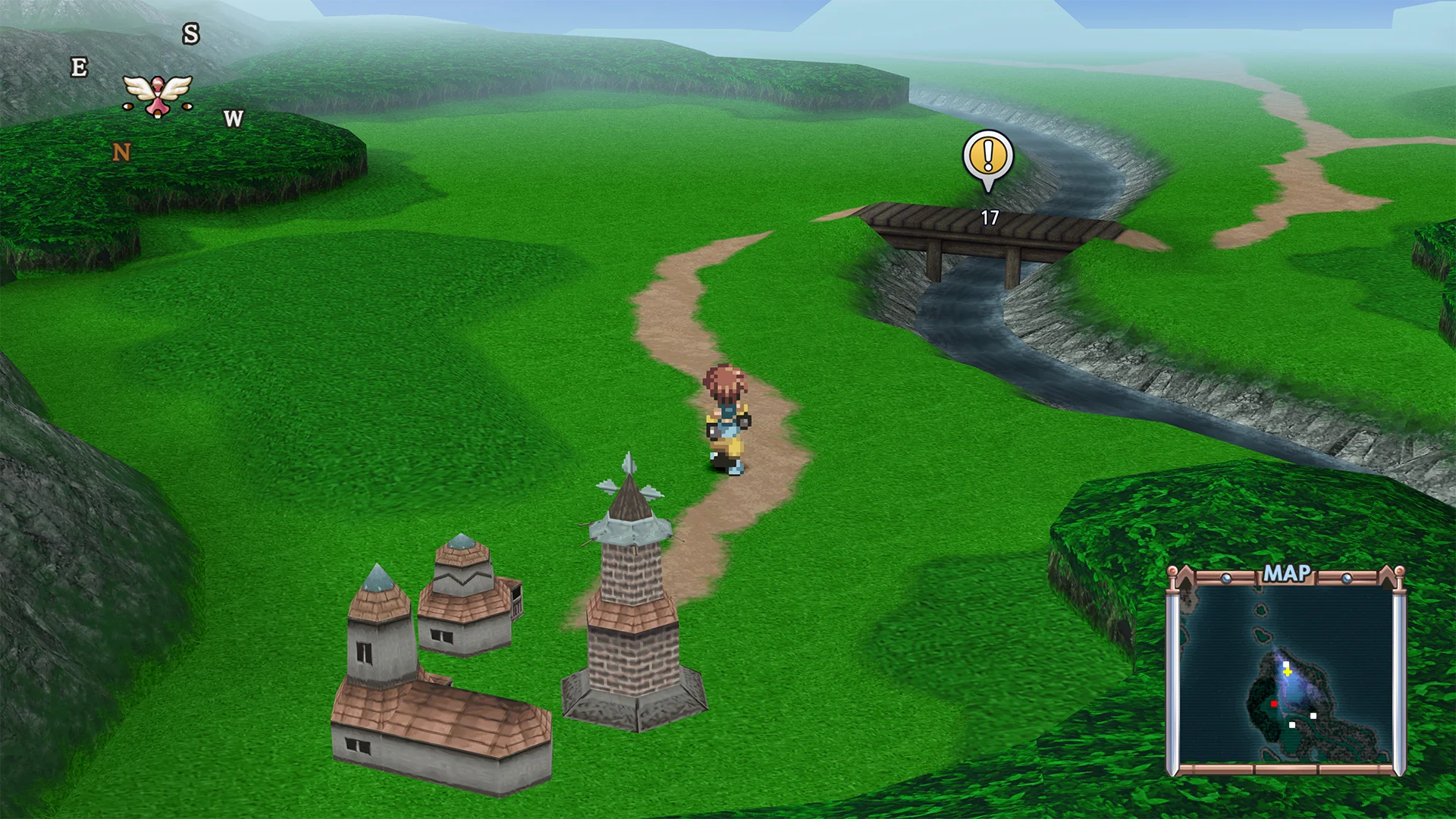
In a reveal that has sent waves of excitement through the Japanese RPG community, Bandai Namco Entertainment, in collaboration with developer Tose, has officially announced Tales of Eternia Remastered. Unveiled during the latest Nintendo Direct presentation, this comprehensive revitalization of the classic title is set to launch on October 16th, bringing the beloved adventure to Nintendo Switch, the upcoming Nintendo Switch 2, PlayStation 5, PlayStation 4, Xbox Series X|S, and PC via Steam.
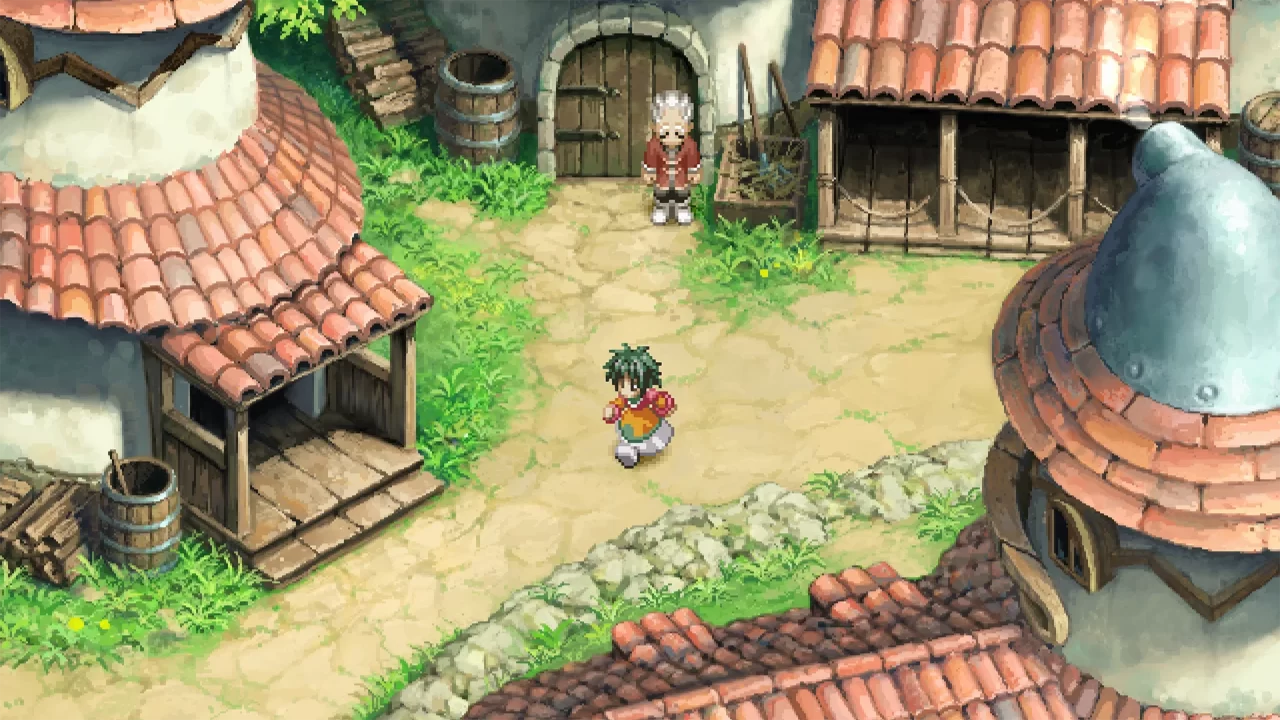
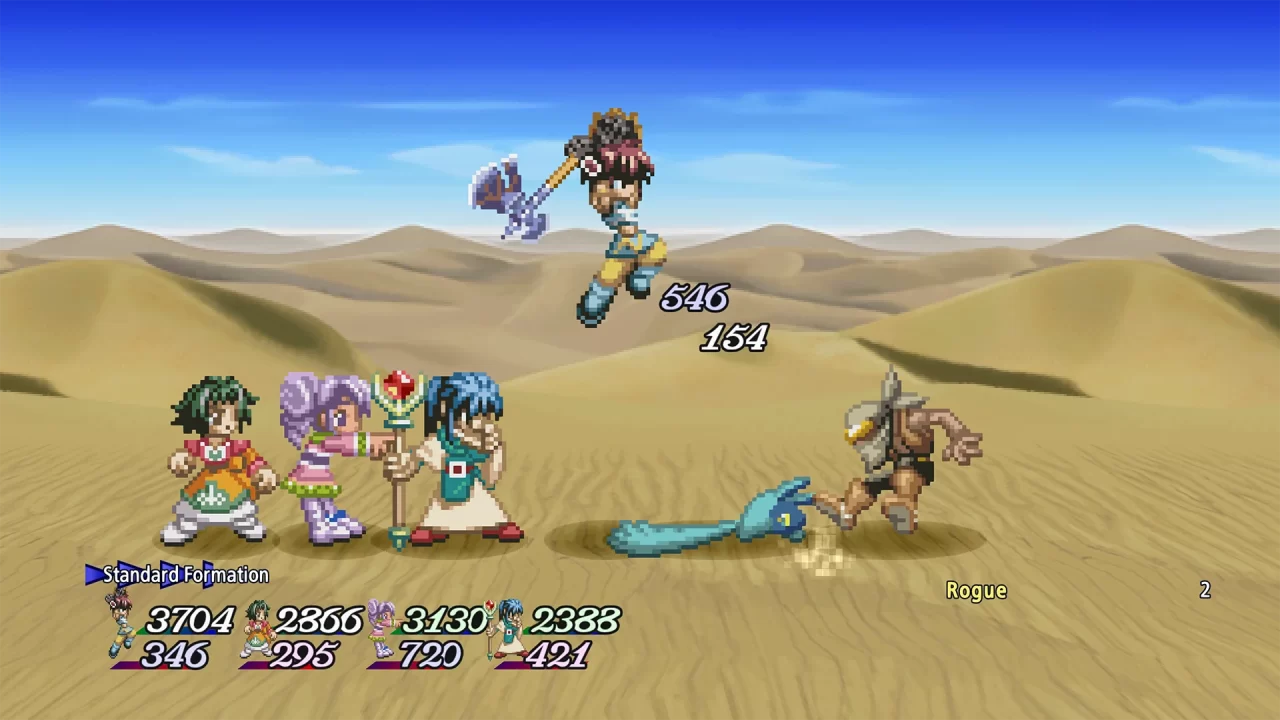
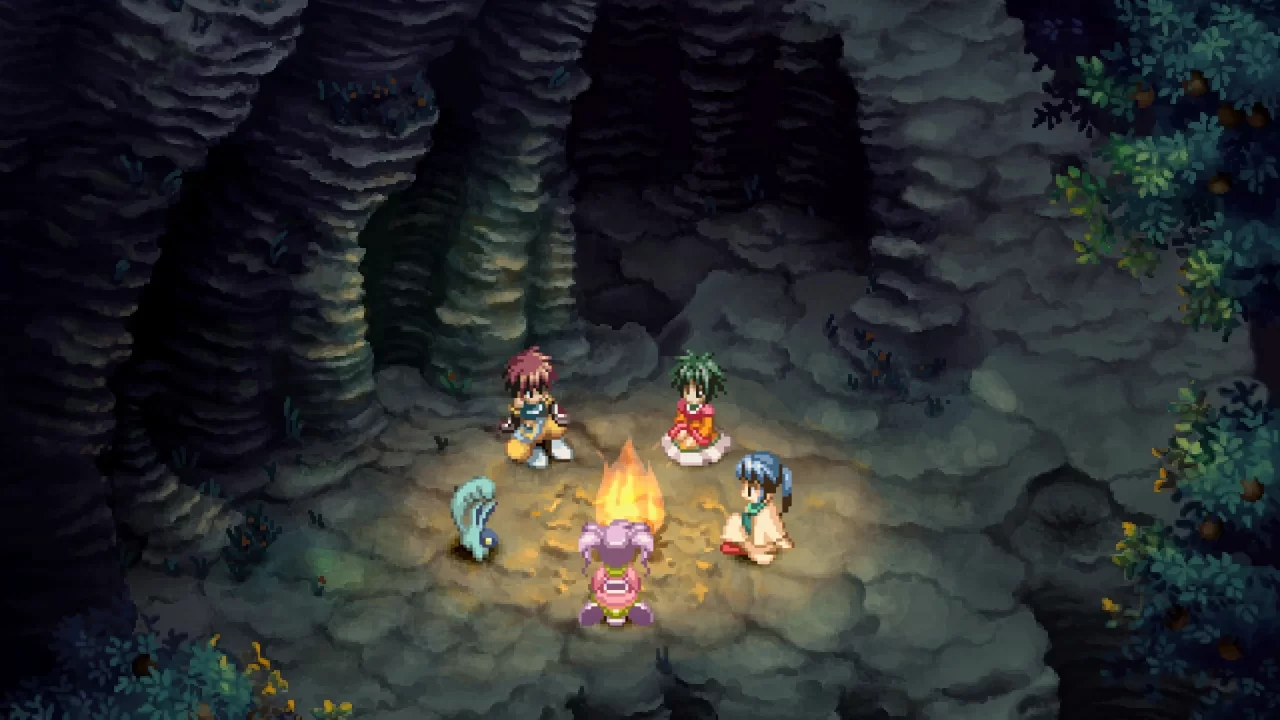
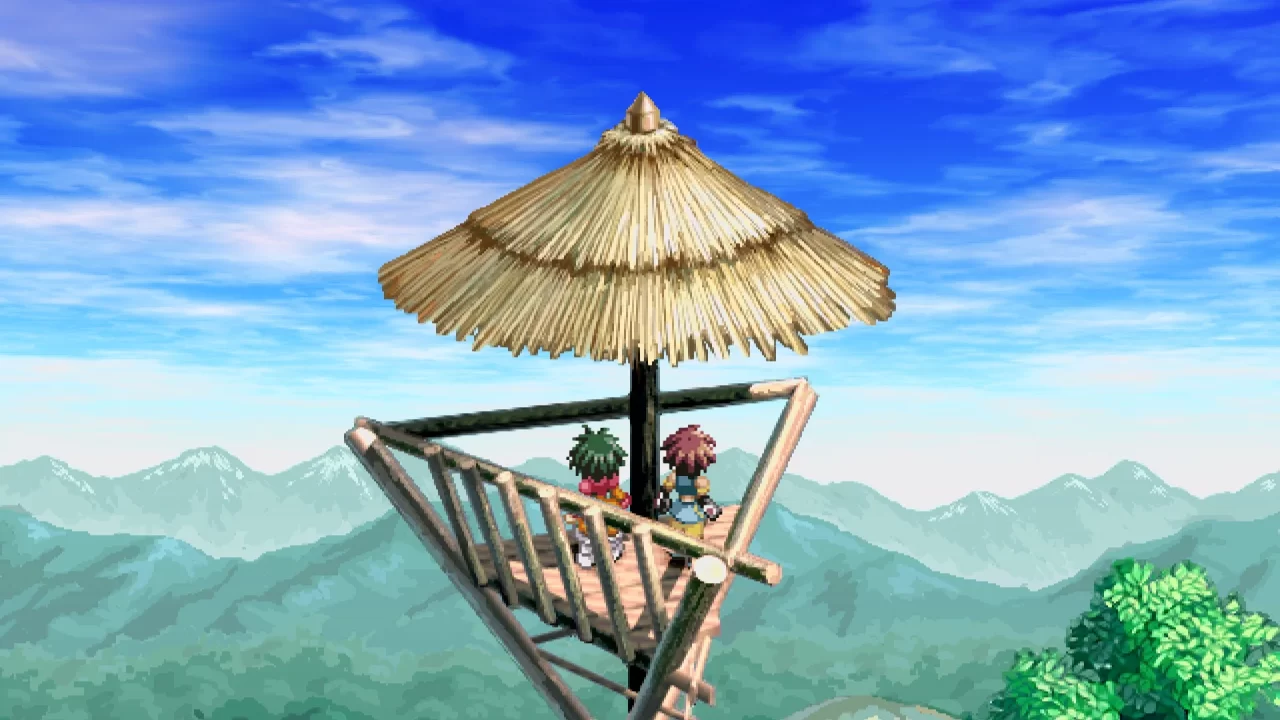
The announcement was accompanied by a high-definition debut trailer that perfectly captured the game’s enduring charm. Featuring updated visuals that maintain the series’ signature vibrant anime aesthetic, the footage showcased refreshed character models and polished environments, all while preserving the iconic 2D-inspired spirit that made the original release a cult classic.
Main Facts: The Return of a Genre Staple
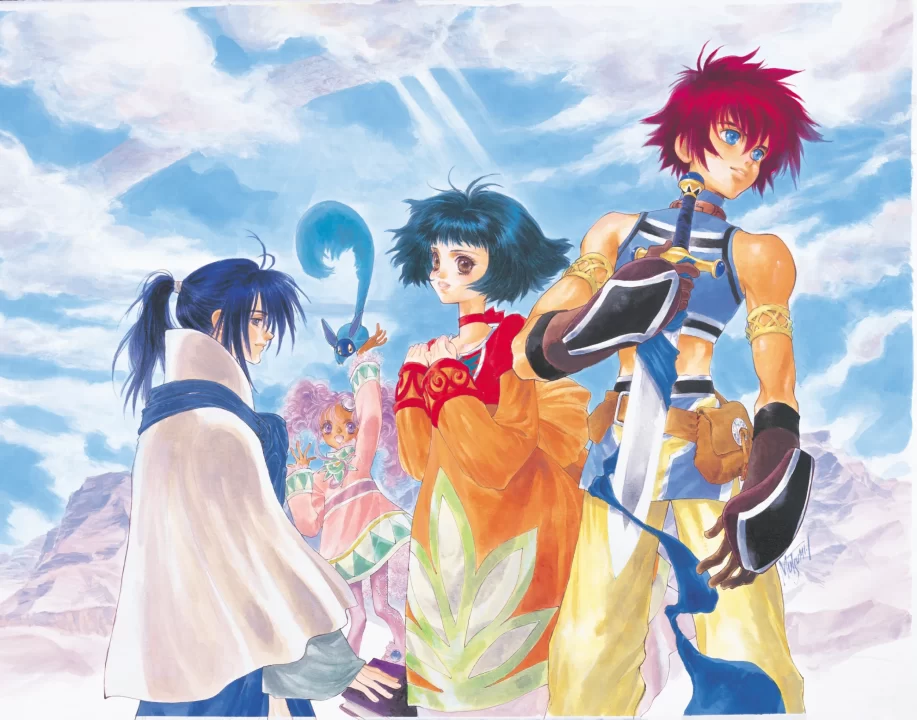
Tales of Eternia has long been regarded as one of the most mechanically robust entries in the Tales series. The upcoming remaster aims to make the experience accessible to a new generation of players while offering veteran fans a definitive way to play. The game is set in a world divided into two isolated realms—Inferia and Celestia—and follows the journey of Reid Hershel and his childhood friend, Farah Oersted. After an encounter with a mysterious girl named Meredy, the protagonists are thrust into a global crisis: the "Grand Fall," a cataclysmic event threatening to merge the two worlds, which would result in total destruction.
To modernize the experience, Bandai Namco is implementing an array of "quality-of-life" features. These include:
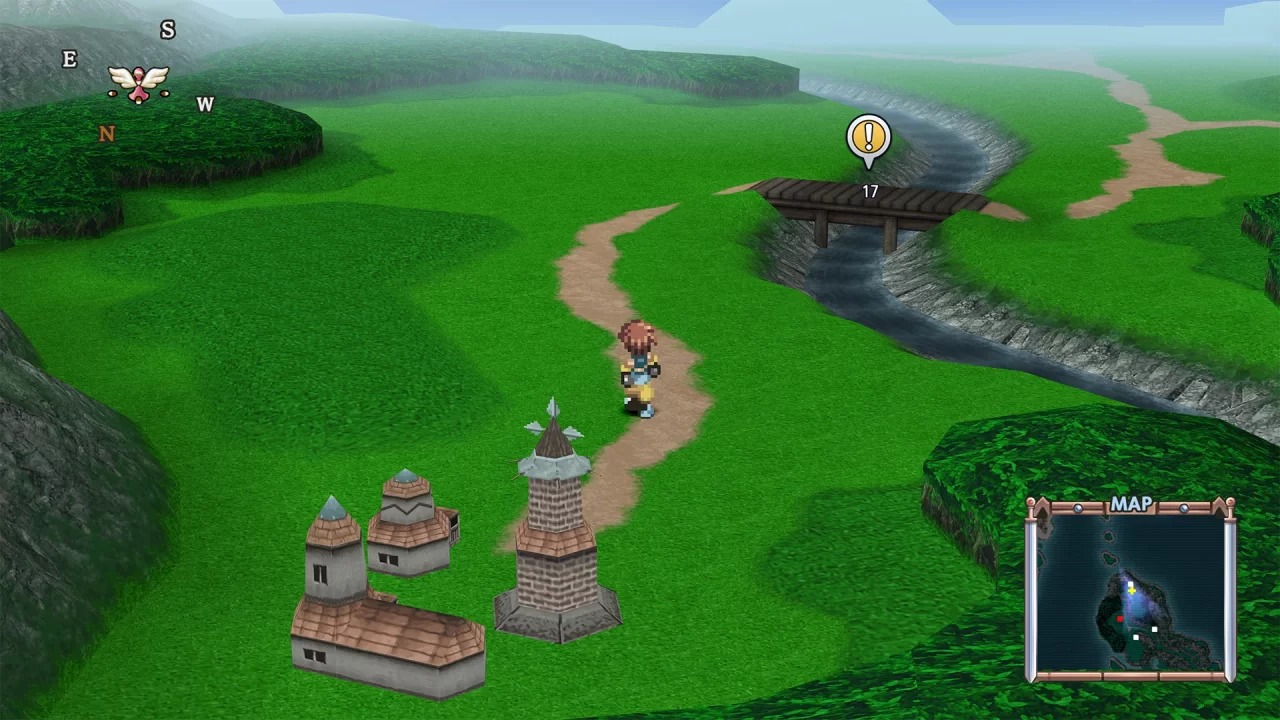
- Navigation Assistance: Implementation of destination markers to help players navigate the expansive world map.
- Encounter Management: The ability to disable random encounters for those focused on exploration or narrative progression.
- Efficiency Tools: A high-speed mode coupled with automated battle options for grinding or revisiting areas.
- Adjustable Difficulty: A greater variety of difficulty settings available from the start of the game, catering to both newcomers and veterans seeking a challenge.
- Legacy Toggle: A visual and audio switch that allows players to toggle between the high-definition remastered assets and the original pixel-art graphics and sound design.
Chronology: A History of Identity and Localization
To understand the significance of this release, one must look back at the chaotic history of the game’s Western launch. Originally released in Japan in 2000, the game was brought to North America under the title Tales of Destiny II.
At the time, the publisher (Namco) believed that attaching the "Destiny" brand name would ensure higher sales, as 1997’s Tales of Destiny was the first title in the franchise to receive a Western release. However, this marketing decision caused significant confusion, as the games shared no narrative, setting, or thematic connection. This misbranding is often cited by historians and fans as a primary reason why the true sequel to Tales of Destiny—the Japan-only Tales of Destiny 2—was never officially localized for Western audiences.
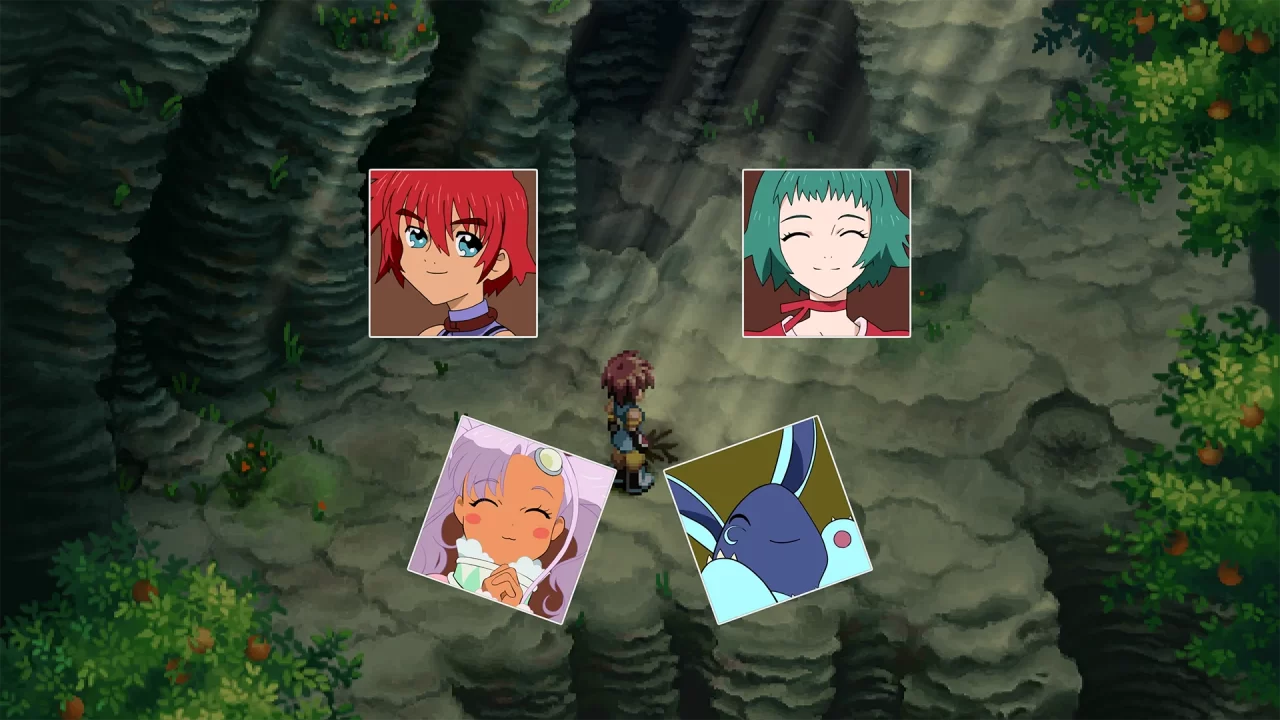
The decision to restore the title to its original name, Tales of Eternia, in this remaster is a symbolic correction. It marks the first time Western fans will experience the title with its proper branding, officially decoupling it from the Destiny legacy and allowing it to stand on its own merits as a foundational entry in the series.
Supporting Data: The Expanding "Remastered Project"
Tales of Eternia Remastered is not an isolated effort; it is a key component of Bandai Namco’s ongoing "Remastered Project." Launched to commemorate the 25th anniversary of the Tales franchise, this initiative seeks to modernize and preserve the legacy of the series. By bringing these titles to current-generation hardware, Bandai Namco is effectively creating a digital library of their most successful RPGs.
The project has seen notable success with previous releases, including:
- Tales of Symphonia Remastered
- Tales of Graces f Remastered
- Tales of Xillia Remastered
- Tales of Berseria Remastered
By integrating Tales of Eternia into this lineup, the company is demonstrating a commitment to the "long tail" of their intellectual property. The shift toward multi-platform releases—now including simultaneous support for the next generation of Nintendo hardware and current-gen consoles—suggests that Bandai Namco is prioritizing accessibility and longevity, ensuring that these classic JRPGs remain playable for decades to come.
Official Responses and Tactical Overview
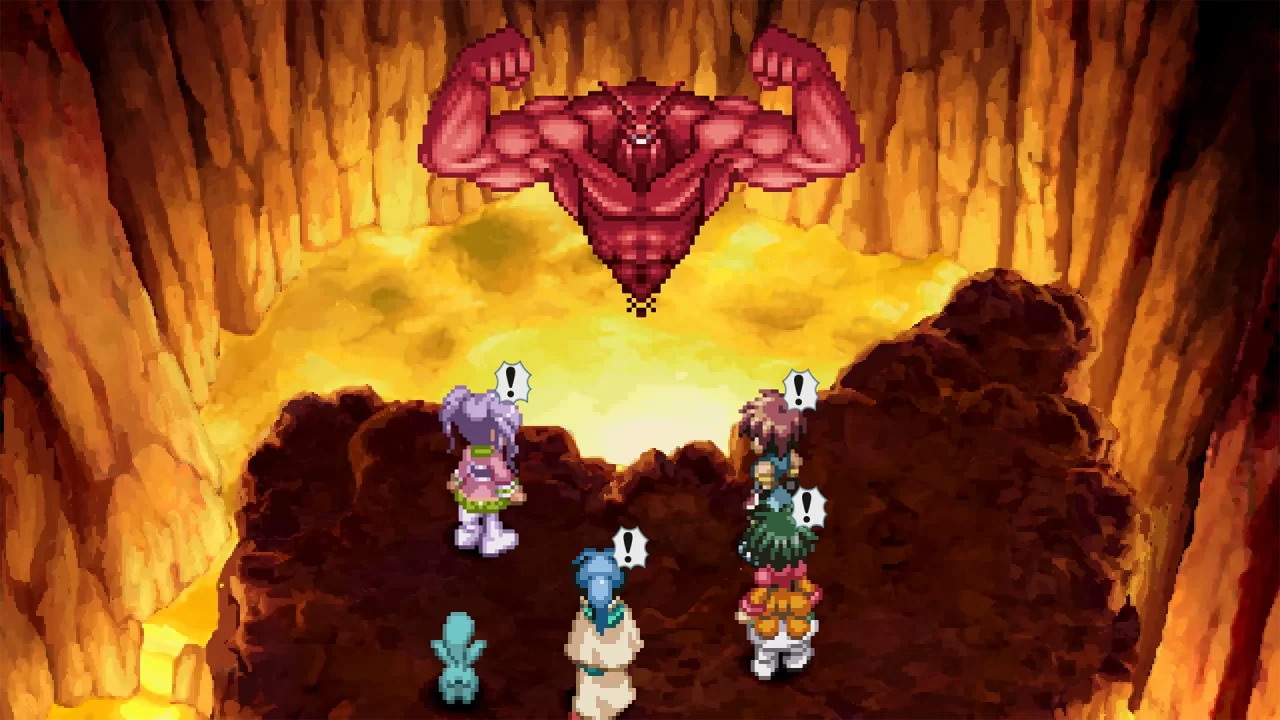
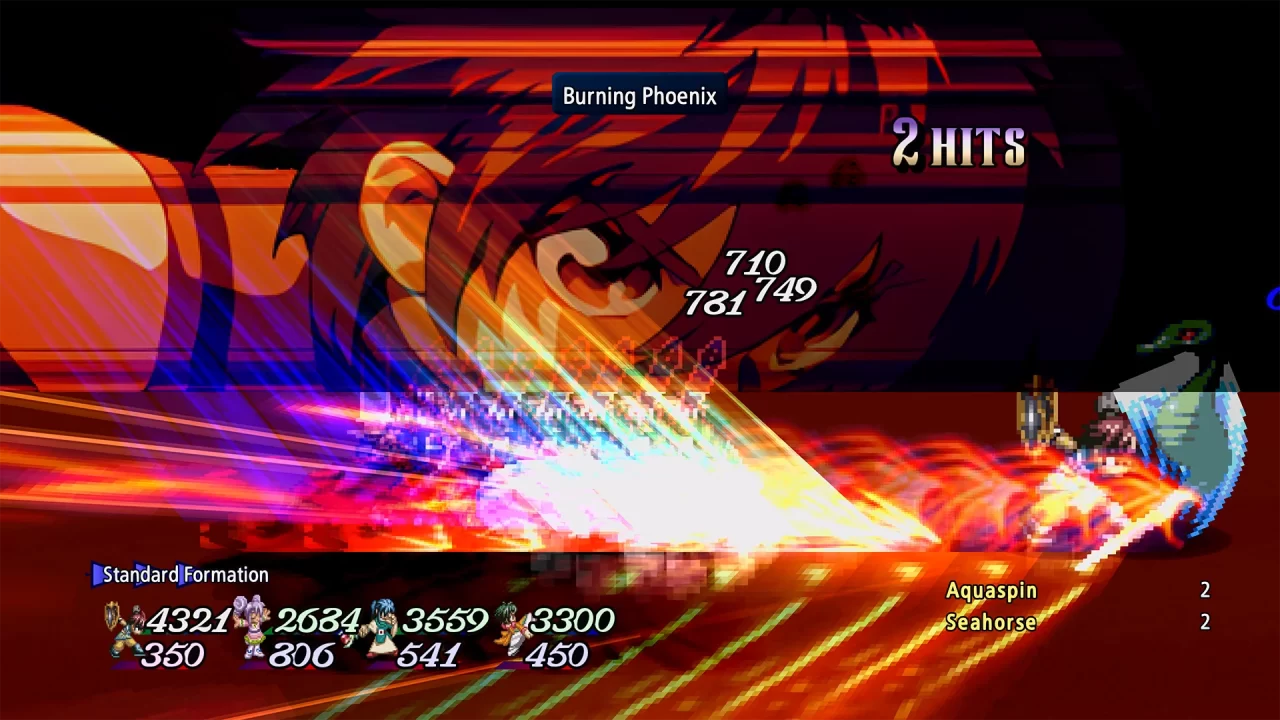
The combat system at the heart of the experience remains the "Aggressive Linear Motion Battle System" (A-LMBS). This system was revolutionary for its time, allowing for real-time, side-scrolling combat that rewarded player reflexes and strategic combo chains.
According to the official project overview provided by Bandai Namco: "Players will engage in real-time battle, utilizing abilities known as Artes that are interweaved with basic attacks in combo strings, aiming to deal massive elemental damage. By harnessing the power of elemental spirits known as the Greater Craymels, players can unleash devastating attacks that define the tactical depth of the series."
The studio has confirmed that a Digital Deluxe Edition will be available at launch, though specific details regarding the contents of this edition are expected to be disclosed in the coming weeks via the official Tales portal. Fans are encouraged to monitor the official website for updates on pre-orders and potential collector’s edition physical releases.
Implications: What This Means for the JRPG Landscape
The re-release of Tales of Eternia carries significant weight for the RPG landscape. In recent years, the market has seen a resurgence in interest for "Golden Age" JRPGs. By remastering these titles, Bandai Namco is not merely cashing in on nostalgia; they are performing a necessary service of game preservation.
Many of the titles in the Tales series have been trapped on legacy hardware—the PlayStation and PlayStation 2—making them difficult for modern audiences to access without resorting to emulation or expensive secondhand markets. By providing a stable, high-fidelity, and feature-rich version for Steam and modern consoles, Bandai Namco is lowering the barrier to entry for the series.
Furthermore, the inclusion of "high-speed mode" and "enemy encounter toggles" signals a shift in the company’s philosophy. They are acknowledging that modern gaming habits have changed; players today often value respect for their time as much as they value the challenge of a traditional JRPG. By offering these options, the developers are allowing the game to be played in a way that suits both the busy professional and the purist seeking the original difficulty curve.
If the Remastered Project continues at this pace, it is highly likely that we will see further announcements for the remaining titles in the series that have yet to see a Western release or a modern port. The success of Tales of Eternia Remastered will likely serve as a barometer for how much investment the company will pour into future legacy projects.
Conclusion
As we look toward the October 16th launch date, it is clear that Tales of Eternia Remastered is poised to be a landmark release. It bridges the gap between the franchise’s humble beginnings and its current status as a global powerhouse. For those who grew up playing the game under the Destiny II moniker, this is a chance to finally experience the game as it was always intended to be known. For those new to the series, it serves as a masterclass in 2D-combat design and world-building.
Stay tuned to RPGFan for further coverage, including in-depth looks at the new battle mechanics, interviews with the development team, and a comprehensive review when the title hits the market later this year. The journey to the world of Eternia is about to begin anew.


 Asro
Asro
 Muslim