Nana Wu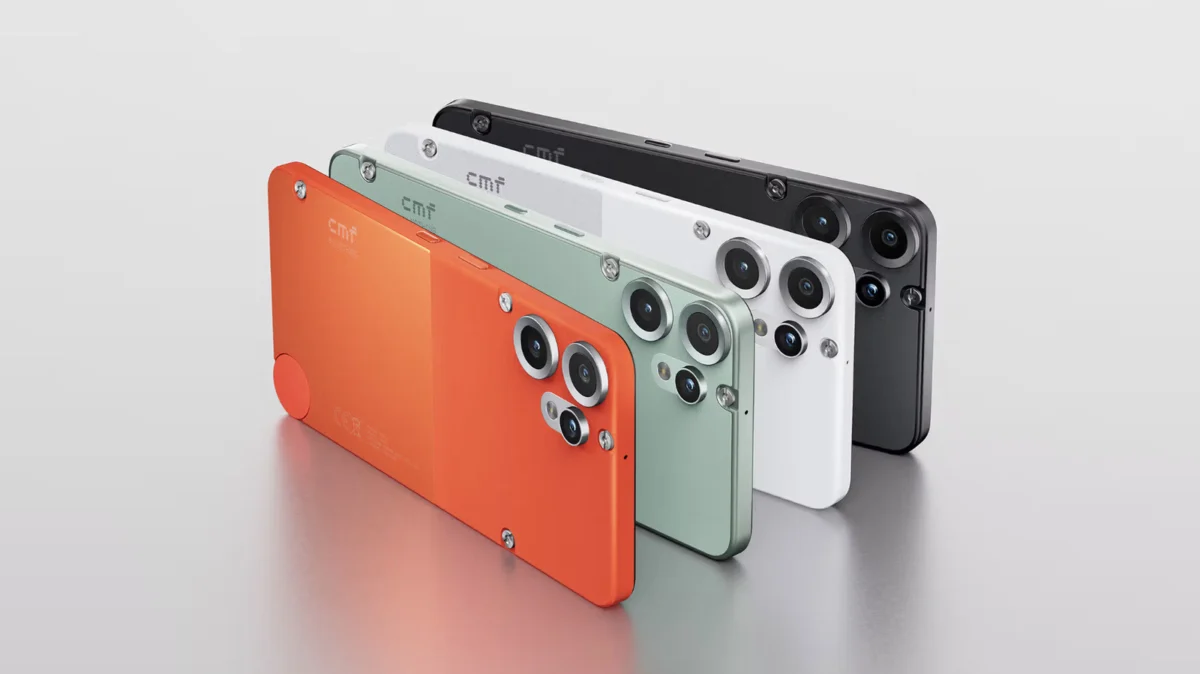
In a move that signals a cooling period for the aggressive smartphone market, CMF—the budget-conscious sub-brand under the Nothing umbrella—has officially confirmed that it will not be launching a successor to its Phone 1 or Phone Pro 2 devices this calendar year. The announcement, delivered with characteristic transparency by Nothing co-founder Akis Evangelidis, marks a strategic pivot for the India-based subsidiary. As the tech industry grapples with a global surge in component costs, CMF has opted to prioritize the integrity of its value proposition over the pressure of an annual release cycle.
The Core Decision: A Matter of Price and Progress
For many consumers, the annual smartphone refresh cycle has become an expectation, if not a requirement. However, CMF’s recent decision to hit the brakes serves as a stark reminder of the fragile supply chains that underpin the consumer electronics industry.
"A lot of you have been asking when the next CMF phone is coming, and as always, we’d rather be transparent," Akis Evangelidis wrote in a public statement on X (formerly Twitter). The core issue, according to Evangelidis, is not a lack of ambition or engineering capability, but rather the prohibitive cost of memory components.
CMF was in the advanced stages of developing a successor to the Phone Pro 2, but the team hit a wall. When evaluating the final price-to-performance ratio, they concluded that the current market conditions would force them to either compromise on the user experience or inflate the price to a point that would alienate their core demographic. In the brand’s view, a new model must represent a "genuine step forward." If the cost of RAM and other high-end components makes that step impossible to achieve while maintaining the "budget" status that defines CMF, the company believes it is better to wait.
Chronology: From Launch to Independence
To understand the weight of this decision, one must look at the meteoric rise of the CMF brand.
- April 2024: Nothing launched the Phone Pro 2. It was marketed as the thinnest, lightest, and most efficient smartphone in the brand’s history, boasting battery life that could endure two full days of use. It was a critical success that solidified CMF’s reputation for offering premium-adjacent aesthetics at a fraction of the cost.
- Late 2024: Nothing made the strategic decision to spin off CMF into an independent subsidiary. Headquartered in India—a market where the brand had seen its highest density of adoption—the move was designed to give CMF the agility to cater to local market trends and specific regional demands.
- Early 2025: As the company began mapping out its hardware roadmap for the year, the macroeconomic realities of the global memory market began to take hold.
- Present Day: CMF has officially moved to cancel its 2025 smartphone release, choosing instead to double down on product diversification.
The Memory Crunch: Why RAM Prices are Dictating Innovation
CMF’s struggle is not an isolated incident; it is a symptom of a broader, systemic issue within the technology sector. The "memory crunch" has become the primary antagonist for hardware manufacturers in 2025.
The root cause of this price surge is the massive, industry-wide pivot toward Artificial Intelligence. As tech giants like NVIDIA, Microsoft, and Google scramble to build out massive data centers to power large language models (LLMs) and generative AI, the demand for High Bandwidth Memory (HBM) and standard DDR5 RAM has skyrocketed.
Because memory manufacturers have redirected a significant portion of their production capacity to meet the high-margin demand of AI-centric hardware, the supply for consumer electronics—specifically smartphones and PCs—has tightened. When supply drops and demand remains steady or increases, prices inevitably climb.
Industry analysts at IDC have been tracking this trend closely, warning that the global PC market could see shipments shrink by nearly 10 percent this year as manufacturers struggle to keep retail prices within reach of the average consumer. Major industry players like Apple and Samsung have already publicly signaled that price hikes across their device lineups are becoming unavoidable. For a brand like CMF, which prides itself on aggressive pricing, these cost fluctuations are not just a hurdle—they are a fundamental threat to their business model.
Official Responses and Strategic Pivots
The transparency of CMF’s communication style is a deliberate branding choice that distinguishes them from more traditional, corporate-heavy tech firms. By acknowledging the "why" behind their inaction, they maintain trust with their community of enthusiasts.
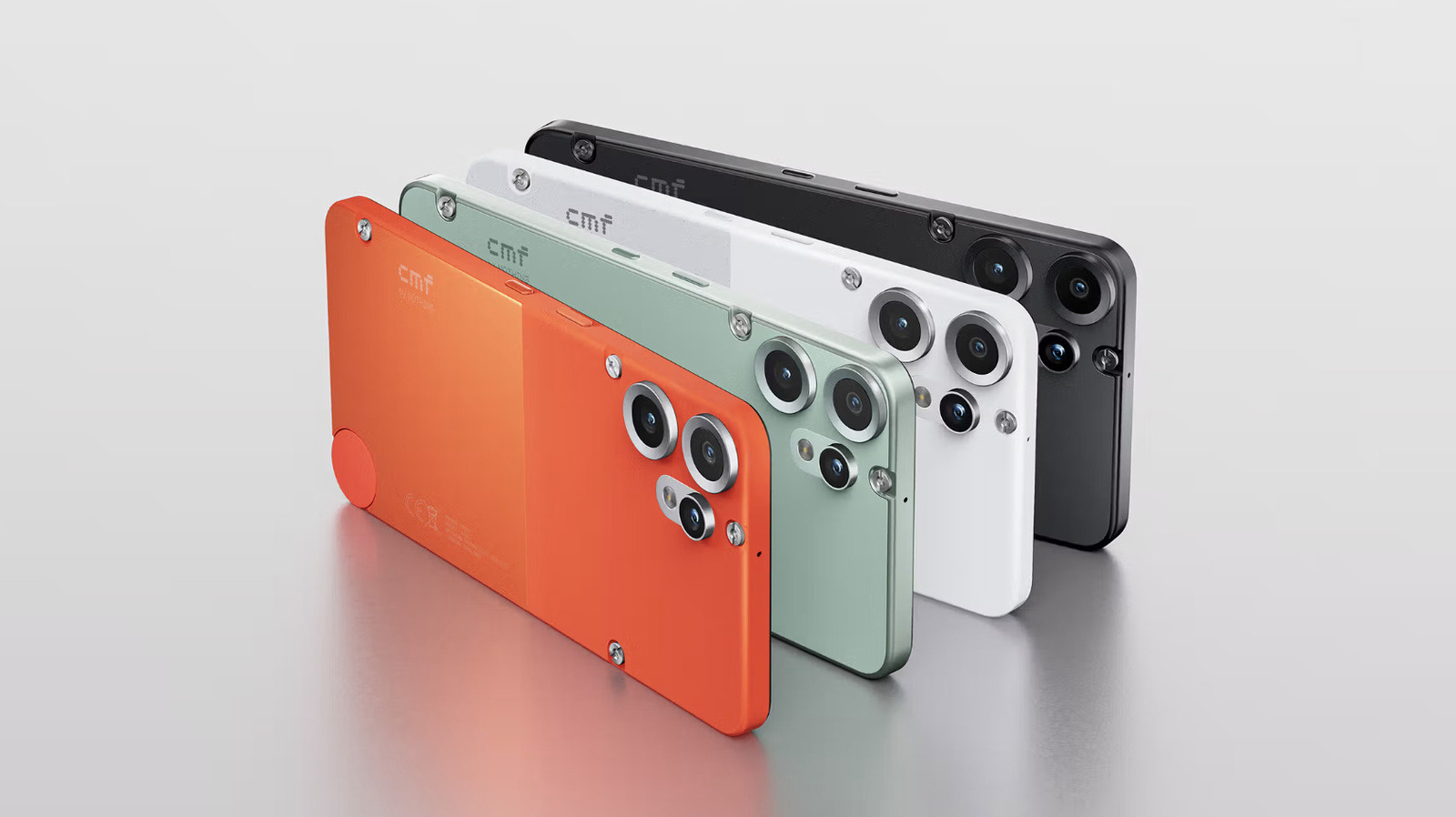
Evangelidis’s statement was not merely an announcement of a cancellation; it was a roadmap for the future. While the smartphone segment will remain dormant for the remainder of the year, CMF is not retreating from the market. The brand plans to fill this void by expanding into entirely new product categories.
This pivot toward "new categories" is likely to involve accessories or lifestyle-tech gadgets where memory component costs have a lower impact on the final retail price. By focusing on areas where their industrial design expertise can shine without being tethered to the volatile pricing of the semiconductor market, CMF aims to sustain its growth momentum while waiting for the memory supply chain to stabilize.
Implications for the Smartphone Market
The implications of CMF’s decision extend far beyond the Nothing ecosystem. It represents a potential shift in how "budget" brands will have to operate in the coming years.
1. The Death of the Annual Cycle
For years, the industry has operated under the assumption that a new phone must arrive every twelve months. CMF’s decision suggests that for budget-conscious brands, the risks of forced innovation might outweigh the rewards. If the market continues to be volatile, we may see more brands moving to an 18- or 24-month release cycle to ensure that each device launch is financially viable and technologically significant.
2. The AI Tax
The "AI Buildout" is essentially imposing a tax on all other consumer hardware. Because every manufacturer is fighting for the same limited pool of memory and processing power, the average user is seeing their costs rise. CMF’s decision is the first public example of a brand refusing to pass that "AI Tax" onto its users, choosing instead to opt out of the market for the time being.
3. The Premium/Budget Divide
We are likely to see a widening gap between premium flagship devices—which can absorb high component costs—and budget devices. Premium devices can hide the cost of expensive RAM within their high price tags, but budget devices operate on thin margins. This environment creates a "missing middle" where consumers may find it harder to find high-quality, affordable phones that offer meaningful upgrades over their predecessors.
Looking Forward: Patience as a Strategy
The decision by CMF to pause its smartphone development is a mature, calculated move. In an era where many brands are criticized for "planned obsolescence" and iterative updates that offer little to no real-world improvement, CMF is choosing to step back.
By refusing to release a product that fails to meet their internal threshold for "genuine progress," the brand is attempting to protect its reputation. For its user base, this means that while the anticipation for a new phone may be deferred, the expectation of quality remains high.
As the memory market eventually stabilizes—as it inevitably will when production capacity for HBM and DDR5 catches up to the demands of the AI sector—CMF will be in a position to re-enter the smartphone fray with a product that is not compromised by the cost-cutting measures of today.
For now, the brand is shifting its focus to "entirely new categories," signaling that the Nothing philosophy of design-first, user-centric technology will continue to manifest in other ways. Whether these new ventures will include wearables, home technology, or audio accessories, one thing is clear: CMF is choosing to play the long game. In a volatile market, sometimes the most disruptive thing a company can do is wait for the right moment to strike.


 Jia Lissa
 Ammar Sabilarrohman