Lina Irawan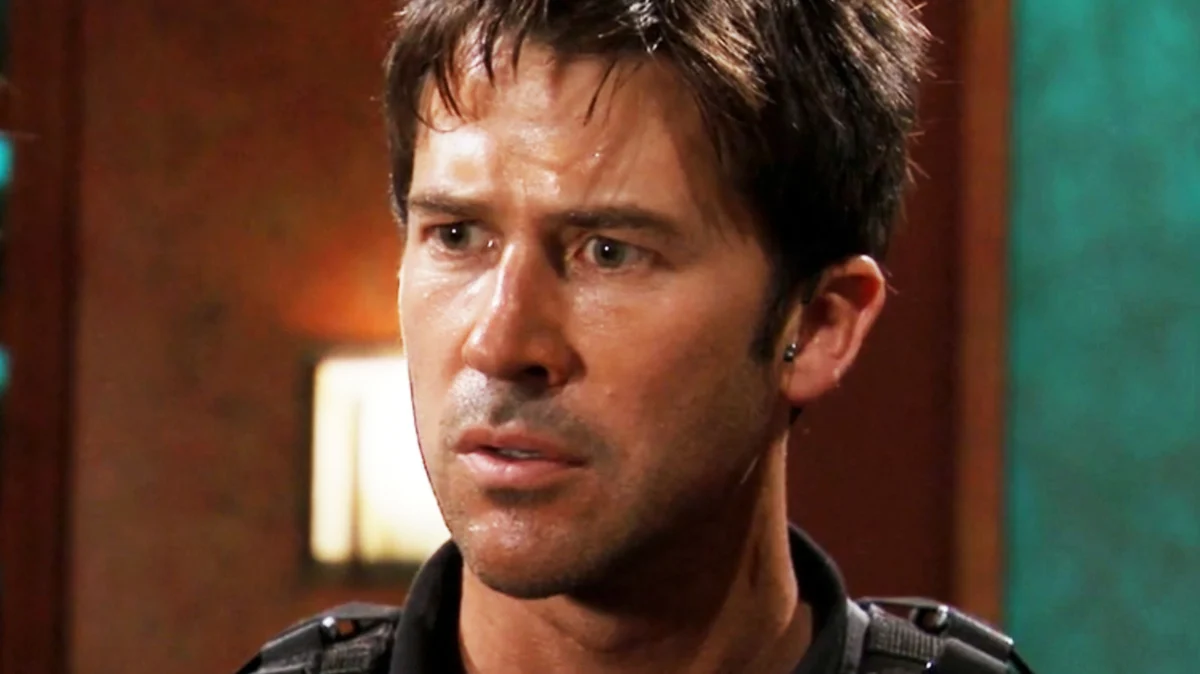
In the annals of science fiction television, few franchises have nurtured a cross-media dialogue as persistent and playful as the relationship between Stargate and The Simpsons. While the Stargate universe is defined by high-stakes space exploration, ancient mythology, and advanced technology, it has always maintained a grounded sense of humor. Perhaps no single instance better encapsulates this than a pivotal, life-or-death scene in the Season 5 premiere of Stargate Atlantis, where a humble can of fictional beer becomes the ultimate test of human identity.
The Convergence of Two Pop Culture Titans
To understand the significance of this moment, one must look at the foundation laid by Stargate SG-1. For ten seasons, the show maintained a well-documented obsession with Matt Groening’s The Simpsons. The connection was driven largely by the character of Colonel Jack O’Neill, played by Richard Dean Anderson, who frequently referenced the animated sitcom.
This was not a one-way street of fan service. The writers of The Simpsons clearly held the Stargate franchise in high regard, embedding various Easter eggs and references into their episodes. The symbiosis reached a meta-fictional peak when Dan Castellaneta, the legendary voice of Homer Simpson, made a guest appearance in the Stargate SG-1 episode "Citizen Joe." This cross-pollination established a "Simpsons Protocol" within the writers’ room—an unspoken rule that the franchise’s legacy should be honored through nods to the yellow family of Springfield.
Chronology: From SG-1 to the Pegasus Galaxy
The tradition of referencing The Simpsons was firmly cemented during the SG-1 era. Because O’Neill was an established Simpsons fanatic, his dialogue often served as the primary vehicle for these references. However, when Stargate Atlantis launched in 2004, the creative team faced a challenge: how to transplant the specific tonal DNA of SG-1 into a new setting, the Pegasus Galaxy, while maintaining the franchise’s established brand of humor.
It took until the start of the final season, Season 5, for Atlantis to formally pay homage to its predecessor’s favorite show. The Season 5 premiere, "Search and Rescue," serves as the specific nexus point where this tradition was honored. By this time, the Stargate fandom was well-versed in the "Simpsons connection," and the inclusion of a Duff Beer reference acted as a bridge between the two iterations of the franchise, signaling to long-term viewers that despite the shift in location and tone, the spirit of Stargate remained unchanged.
The Duff Beer Protocol: Anatomy of a Scene
In "Search and Rescue," Lt. Colonel John Sheppard (Joe Flanigan) and his team are reeling from the fallout of the Season 4 finale. They are trapped within the wreckage of Michael Kenmore’s facility, with Sheppard pinned beneath heavy debris. The atmosphere is tense, desperate, and claustrophobic.
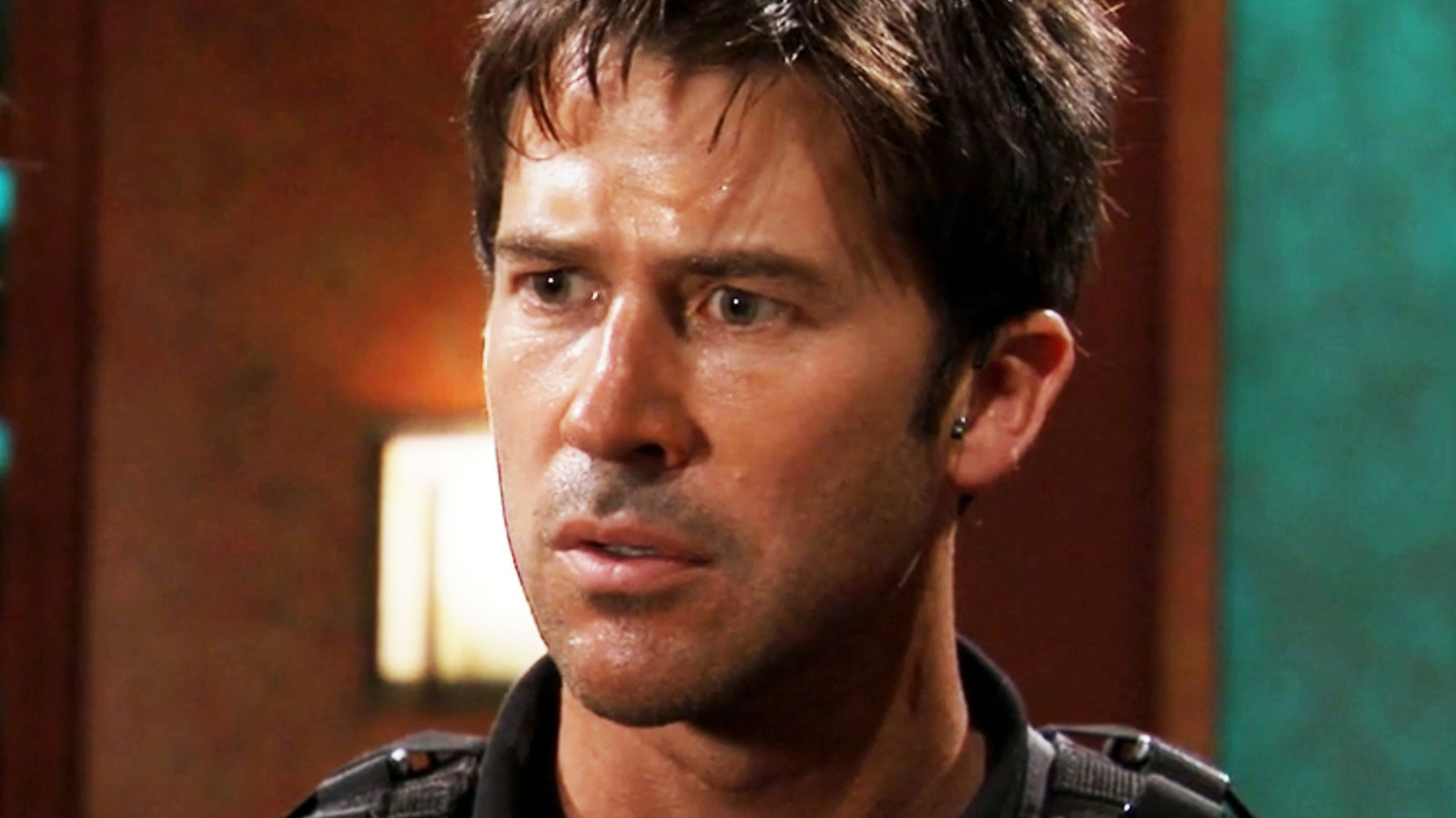
As the team waits for rescue, their survival instincts are put to the test. When a group of soldiers arrives to "rescue" them, Sheppard’s tactical mind immediately flags a discrepancy. He notices that one of the soldiers, Harris, is supposed to be on leave. The potential for a deception—specifically that the rescue party consists of Human-Wraith Hybrids—becomes a mounting concern.
Sheppard, ever the pragmatist, devises a "truth test" that relies on cultural literacy rather than military intelligence. He asks the arrivals: "If we get out of here, beer’s on me, boys. What do you like, Duff Beer or Oprah Ale?"
The test is brilliant in its simplicity. Duff Beer, the iconic, fictional lager from The Simpsons, serves as a litmus test for "humanity" as understood by a pop-culture-savvy American soldier. When the soldiers choose "Duff," they pass the superficial test, but their lack of genuine enthusiasm and their failure to recognize the absurdity of the "Oprah Ale" option allows Sheppard to confirm his suspicions. As he whispers to Ronon Dex (Jason Momoa), "They don’t watch ‘The Simpsons’ or drink beer." This moment transforms a mundane brand reference into a survival mechanism, proving that in the Stargate universe, pop culture knowledge is as valuable as a P90 submachine gun.
Supporting Data: Why Duff Beer?
The choice of Duff Beer as the "password" is not accidental. Since its first appearance in the 1990 episode "Homer’s Odyssey," Duff has become the most recognizable fictional beverage in media history. It represents the quintessential, blue-collar American experience—the exact demographic that characters like Jack O’Neill and John Sheppard are meant to represent.
By choosing Duff, the Atlantis writers tapped into the cultural shorthand that defined the Stargate franchise. It was a nod to the "average guy" appeal of the protagonists. If an alien were to attempt to infiltrate a Stargate base, they might be able to memorize military protocols or mimic human speech patterns, but they would struggle to understand the nuances of a pop-culture-obsessed human’s lexicon. The scene effectively argues that to be truly human, one must have a sense of humor and an appreciation for the mundane, silly elements of society.
Official Responses and Creative Intent
While the production team rarely issued formal press releases regarding these "easter eggs," interviews with the creative staff of Stargate Atlantis have consistently highlighted the importance of keeping the show’s "human" side alive. The writers often noted that they wanted the characters to feel like real people who grew up in the same world as the viewers.
Joe Flanigan, in discussing his character’s development, often touched on Sheppard’s dry, irreverent humor. The inclusion of the Duff Beer line was a scripted choice that fit perfectly into the persona of a man who would rather be watching television or playing video games than fighting intergalactic wars. The reference was a nod to the audience—a way for the writers to say, "We know who we are, and we know who you are."
The Implications of "Simpsons" Integration
The integration of The Simpsons into the Stargate narrative carries significant implications for the legacy of both shows.
- Building a Shared Mythos: By referencing The Simpsons, Stargate positioned itself not just as a standalone space opera, but as a show that occupies a shared reality with its audience. It normalized the idea that these characters existed in a world where pop culture matters.
- Characterization through Consumption: Sheppard’s test is a masterclass in character writing. It demonstrates that under extreme stress, his brain defaults to the things that make him feel comfortable and familiar. It humanizes him in a way that technical jargon or military strategy never could.
- The "Easter Egg" Economy: The relationship between Stargate and The Simpsons helped pioneer the modern era of the "easter egg." It created a scavenger-hunt mentality among fans, encouraging them to pay closer attention to background details, dialogue, and set design. This level of engagement has become a standard requirement for modern television, from Stranger Things to the Marvel Cinematic Universe.
Conclusion: A Legacy of Humor
As Stargate Atlantis concluded its five-season run, the Duff Beer reference remained a highlight of the series. While the show was ultimately canceled in 2009, the "Simpsons connection" serves as a enduring reminder of the lighthearted spirit that defined the franchise.
Whether it was through the lens of a weary soldier trapped in a collapsing facility or a Colonel looking for a reason to smile during a mission, the Stargate franchise’s commitment to its pop culture roots turned potential "throwaway lines" into moments of genuine character depth. The Duff Beer protocol remains a testament to the idea that even in the vast, dangerous, and often incomprehensible reaches of the Pegasus Galaxy, the most powerful weapon an explorer can carry is a sense of humor—and perhaps a good, fictional beer.

 Nana Muazin
 Nana
Nana