Laily UPN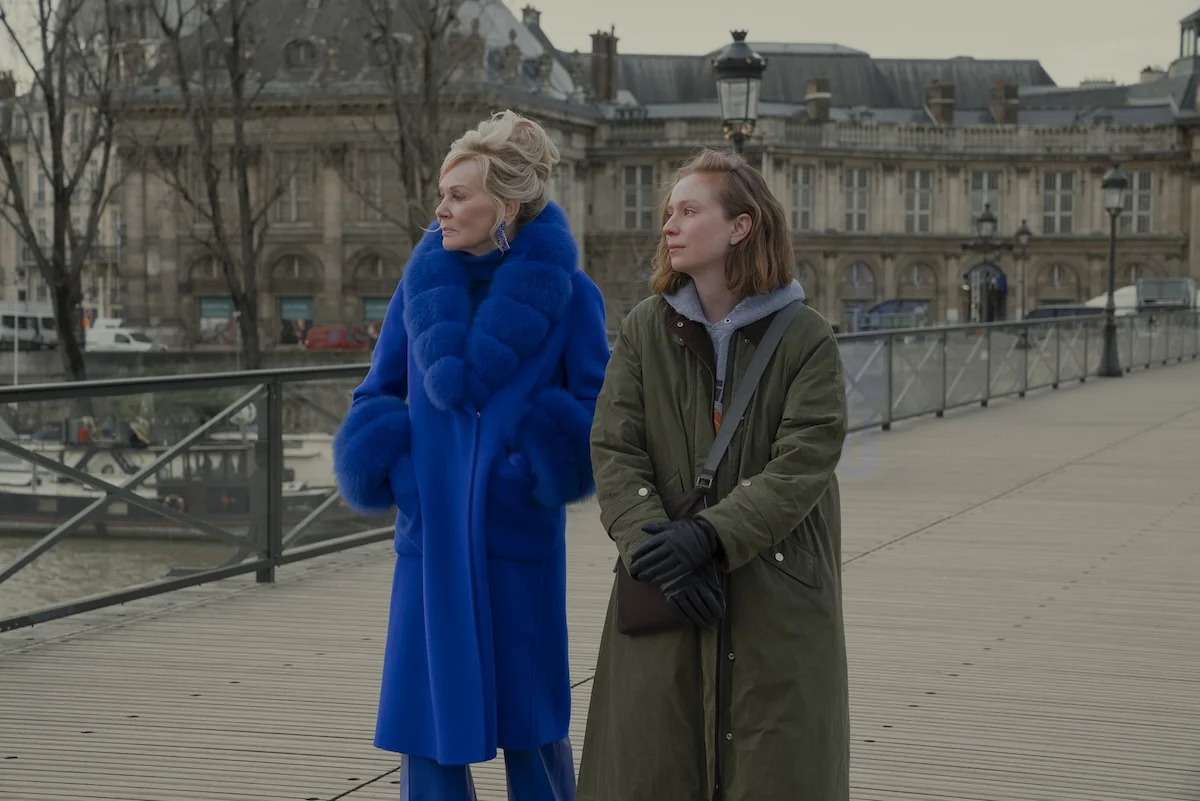
For any television creative, the series finale represents a high-stakes tightrope walk. It is the culmination of years of narrative labor, character development, and audience investment. While showrunners and writers often view the opportunity to conclude a series on their own terms as a professional "blessing"—a luxury many shows, cancelled in their prime, never receive—it is simultaneously a "curse." The pressure to deliver a conclusion that honors the show’s legacy while satisfying the fervent expectations of a loyal fanbase is immense. As history has shown, even the most decorated creative teams in Hollywood can falter when attempting to "stick the landing."
Recently, the creative team behind the critically acclaimed Max series Hacks found themselves navigating this exact high-pressure environment. As the show reached its pivotal conclusion, the anxiety of crafting a final statement was palpable. Jon Philpot, the editor of Hacks, recently offered an intimate look into this process during his appearance on IndieWire’s Craft Roundtables, providing a rare glimpse into the mechanics of ending a modern television masterpiece.
The Architecture of an Ending: A Chronology of Anxiety
The journey toward the Hacks finale was not a linear path but a complex, iterative process. According to Philpot, the creative tension began long before the final frame was locked. In the writers’ room, the team faced the daunting task of resolving the volatile, symbiotic, and often explosive relationship between legendary comedian Deborah Vance (Jean Smart) and her ambitious, millennial protégé, Ava Daniels (Hannah Einbinder).
The Pre-Production Pressure
Months prior to the final edit, the writing team engaged in what Philpot described as a period of intense, often stressful deliberation. The challenge was twofold: the show had established a rhythm of sharp, acerbic wit that relied on the friction between its two leads. To resolve that friction too neatly would feel unearned, yet to leave it unresolved would feel like a betrayal of the characters’ growth. The "plane" that the team had to land was one of significant emotional weight, requiring a delicate balance of comedic timing and dramatic payoff.
The Editing Room Evolution
When the footage reached the editing suite, the focus shifted from thematic resolution to rhythmic precision. Philpot notes that the process was an exercise in restraint. The editors had to ensure that the final episodes didn’t lose the "bite" that defined the show’s earlier seasons, even as they moved toward a more harmonious conclusion for the characters. This meant meticulously curating the cadence of scenes, ensuring that the banter between Deborah and Ava felt authentic to their established history while signaling their evolution into a more stable partnership.
Supporting Data: The Evolution of an Intergenerational Duo
To understand the weight of the finale, one must look at the trajectory of the Deborah-Ava dynamic. Hacks has never been a static show; it has been a fluid, reactive exploration of two women operating at different stages of their careers and lives.
The Lifecycle of a Partnership
Philpot characterizes the relationship as an "intergenerational duo" that has fluctuated wildly across the show’s run:
- The Collision (Season 1): The relationship began as a forced collaboration, defined by mutual disdain and professional necessity.
- The Instability (Season 2): As they spent more time on the road, the power dynamics shifted. The two fell in and out of a professional love, grappling with betrayals and successes.
- The Synthesis (Final Season): The finale represents a unique period where the characters are "back in love."
Philpot emphasizes that in these final episodes, the comedy changed its texture. "They can pick at one another and it’s funny," he noted, "because you don’t feel like they’re going after each other." This shift in the nature of their conflict is what provided the emotional bedrock for the finale. It allowed the audience to enjoy the familiar verbal sparring without the underlying dread of a potential schism.
Official Responses: Insights from the Craft Roundtable
The dialogue surrounding the Hacks finale is indicative of a broader trend in television craft. During the IndieWire Craft Roundtables, experts from various disciplines—editing, cinematography, and production design—discussed the unique stressors of the final chapter.
Philpot’s commentary highlights the psychological toll on the crew. "This was a huge plane to land, and it wasn’t exactly easy," he admitted. His perspective is particularly valuable because, as an editor, he is the final arbiter of tone. He sees the raw material, the discarded takes, and the frantic attempts to capture the "perfect" ending. His role is to synthesize the disparate visions of the writers, directors, and actors into a cohesive final statement.
The fact that Philpot and his colleagues were "stressed out" is not an admission of failure, but rather a testament to their commitment. The team recognized that the stakes were not merely about entertainment; they were about the cultural legacy of the characters. When a show becomes a "beloved" piece of media, the creators become stewards of an experience that belongs, in part, to the audience.
Implications: The Legacy of ‘Hacks’ and the Future of Finales
The success of the Hacks finale serves as a case study for future television productions. It underscores several critical implications for the industry:
The Value of Character-Centric Resolution
In an era of high-concept, plot-heavy television, Hacks succeeded by betting on its characters. The resolution was not found in a grand narrative twist or a dramatic change in circumstances, but in the internal evolution of Deborah and Ava. This reinforces the idea that, for long-form storytelling, the "ending" is less about the plot’s destination and more about the characters’ emotional arrival.
The Role of Editing in Emotional Resonance
Philpot’s insights reveal that the editor is a storyteller in their own right. By choosing when to cut, how long to hold on a reaction, or when to pace a scene, the editor dictates the emotional reception of the finale. The Hacks finale’s success in feeling "light" yet "meaningful" is a direct result of the meticulous work done in the edit suite to balance the characters’ sharp tongues with their growing affection.
The "Sticking the Landing" Phenomenon
The conversation around the Hacks finale also contributes to the ongoing cultural discourse regarding how shows should end. The "curse" of the finale—the fear of audience backlash—often leads creators to over-complicate their endings. Hacks offers a counter-narrative: by embracing the simplicity of its core relationship, the creative team was able to navigate the "high pressure" environment by leaning into what made the show work in the first place.
Conclusion: A Masterclass in Narrative Closure
The anxiety surrounding the Hacks finale was both inevitable and justified. In the landscape of prestige television, the final episode is the permanent record of the series. Jon Philpot’s reflections remind us that behind every satisfying conclusion is a team of artists grappling with the weight of expectation and the complexities of human emotion.
Ultimately, the Hacks team succeeded because they understood that the most important thing they were landing was not a plane, but a relationship. By allowing Deborah and Ava to reach a place of genuine, albeit imperfect, connection, they provided a satisfying resolution that honored the journey of the characters. For creators, the lesson is clear: if you remain true to the characters you have built, the "curse" of the finale can, in fact, become the final piece of the legacy.
IndieWire’s TV Craft Roundtables, which feature further in-depth discussions with the creative teams behind the year’s most impactful television, are now streaming on PBSSoCal, the PBS App, and are available via IndieWire.com.

 Nana Muazin
 Nana
Nana