Nila Kartika Wati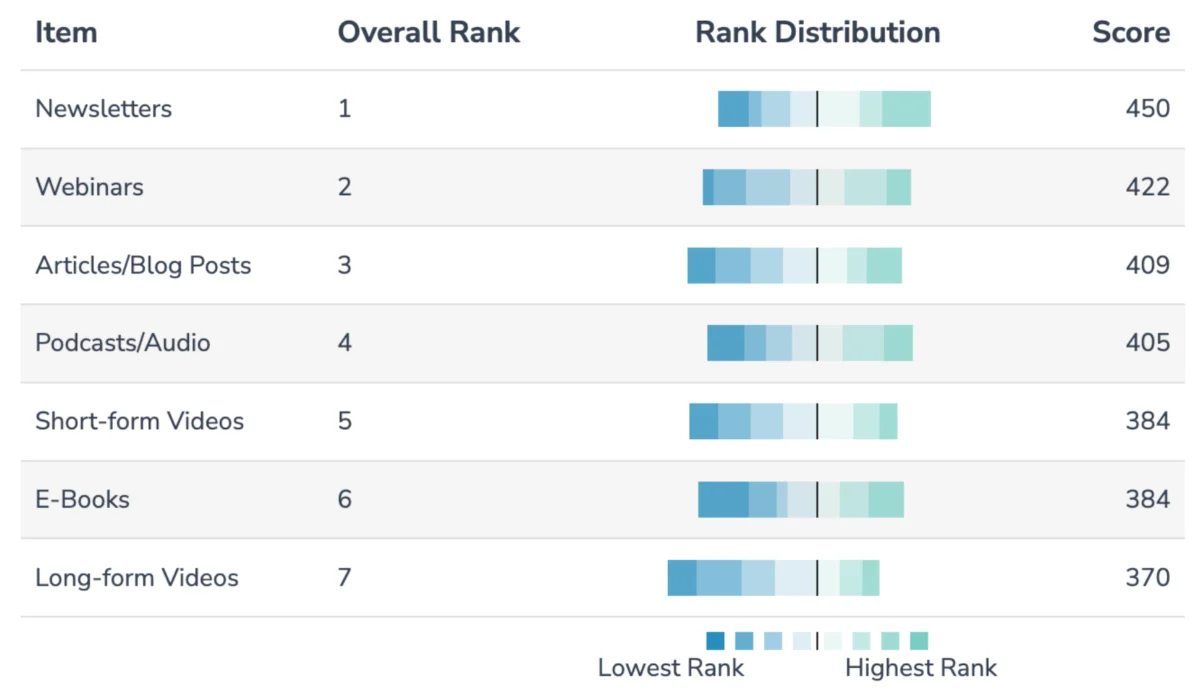
In an era defined by the relentless "infodemic," marketing leaders are facing a paradox: they are drowning in content while starving for insight. The daily flood of LinkedIn think-pieces, white papers, industry podcasts, and rapid-fire news cycles has created a fatigue that is forcing a major strategic shift in how professional knowledge is consumed and distributed.
The consensus among industry observers is clear: the modern marketing leader does not need more content—they need better filters. This realization has triggered a quiet revolution in email marketing, moving away from the "link-heavy" newsletters of the last decade toward highly curated, "debrief-style" intelligence reports that prioritize synthesis over volume.
The Shift: From Content Aggregation to Strategic Curation
For years, the gold standard for brand newsletters was the "link roundup"—a chronological list of blog posts, news snippets, and podcast episodes. While this format served its purpose during the internet’s expansion, the quality bar has been raised significantly. Today’s decision-makers, under immense time pressure, are increasingly rejecting newsletters that require them to do the heavy lifting of clicking through to find value.
The transition from Convince & Convert’s long-standing newsletter, ON, to its newly launched successor, The Trendline, serves as a case study for this industry-wide pivot. The move is not merely a rebranding; it is a fundamental shift in philosophy. Instead of acting as a content aggregator, The Trendline operates as a strategic filter, distilling complex industry shifts into actionable, "read-in-the-inbox" insights.
Supporting Data: What the Audience Actually Wants
The impetus for this evolution is grounded in rigorous audience research. In a recent survey conducted by the team at Convince & Convert, marketing leaders were asked to rank their preferred formats for consuming industry trends. The results were decisive: newsletters ranked as the number one medium for staying informed, significantly outpacing short-form video, webinars, blogs, and podcasts.
When asked to rank seven different content formats, respondents were nearly twice as likely to place newsletters in the top spot compared to any other medium. This data suggests that while video and audio have their place, the text-based, curated format of a newsletter offers a unique "low-friction" environment for learning. It is the only format that effectively respects the reader’s time by delivering the "so what?" behind the "what happened?" immediately, without forcing the reader to leave the application.
The Anatomy of the New Newsletter Model
The evolution of The Trendline highlights four specific pillars that are becoming essential for effective email marketing in 2025 and beyond:

1. The Debrief Approach
Rather than providing a laundry list of news, the new format functions as a "debrief." Each edition provides a strategic lens on topical issues. It answers the critical questions: Why does this story matter to a marketer? What questions should they be asking their teams? This transforms the newsletter from a passive feed into an active decision-making tool.
2. Value Upfront
The "click-to-read" model is increasingly viewed as a barrier. The new strategy focuses on delivering the core insight—the "meat" of the argument—directly within the body of the email. Links are now supplemental, used for those who want to dive deeper, rather than requirements for those looking for a quick, high-level summary.
3. Structural Hierarchy
By moving away from a format organized by "content medium" (e.g., "Our latest blog," "Our latest podcast"), the new structure is organized by "strategic importance." This allows readers to scan for the information that is most relevant to their current business challenges, rather than having to parse through every department’s output.
4. Interactive Engagement Metrics
The introduction of "Sound Off"—an embedded poll at the end of each newsletter—serves two purposes. First, it fosters a community feedback loop. Second, it provides the brand with granular, intentional engagement data that is far more reliable than the increasingly "muddied" metrics of open and click-through rates.
Implications for Marketing Strategy
This shift carries profound implications for any brand or agency managing an owned media channel. As trust and attention become the scarcest resources in the digital economy, the newsletter has become a critical asset for building authority.
Rethinking the "Owned" Channel
The decision to rebrand ON to The Trendline was driven by the need for a more "shareable" identity. "ON" was functional but lacked the distinctiveness required for word-of-mouth growth. The Trendline implies both the topicality of the news and the analytical nature of the firm’s strategic lens. For marketing leaders, this underscores a vital lesson: your owned media channels must be branded and positioned with the same rigor as your core products.
The Cost of Quality
It is important to acknowledge that this model is more resource-intensive. Producing a high-quality, curated, and synthesized newsletter requires more time, sharper editorial judgment, and a deeper understanding of the reader’s pain points than the automated "RSS-to-email" workflows of the past. However, the return on this investment—measured in trust, authority, and deeper audience engagement—is significantly higher.

Expert Perspective: The CMO’s Lens
When presenting to C-suite executives, the demand for brevity and clarity is absolute. Industry veterans point out that CMOs rarely have time for twenty charts or a deep dive into technical minutiae; they need information that helps their teams solve problems today.
When crafting any communication—whether it is a quarterly report or a weekly newsletter—the guiding principle should be: Who is the target, and what is the smallest amount of information they need to feel smarter and more capable?
Lessons for the Future of Email Marketing
As brands move forward, the "Trendline" model offers a blueprint for survival in an attention-starved market. The key takeaways for marketing teams are as follows:
- Audit Your Value Proposition: Stop treating your newsletter as a repository for all your company’s content. Start treating it as a product that must stand on its own merits, even if the reader never clicks a single link.
- Prioritize Synthesis: Your audience is already bombarded with news. Your role is not to be a reporter, but to be an analyst. Tell them why the news matters, not just what happened.
- Invest in Audience Research: If you haven’t surveyed your audience about their content preferences in the last 12 months, you are likely operating on outdated assumptions. Understanding the "pain points" of your readers is the only way to ensure your content remains relevant.
- Embrace the "Less is More" Philosophy: If your newsletter feels like a chore to produce, it likely feels like a chore to read. Focus on creating fewer, higher-quality editions that offer immediate, actionable value.
Conclusion: A New Era of Trust
The migration toward these high-value, curated resources marks a maturing of the digital marketing landscape. We have moved past the "growth at all costs" phase of content creation, where the goal was simply to be seen. We are now in an era of "value at all costs," where the goal is to be essential.
For Convince & Convert, the launch of The Trendline is a testament to the fact that even established brands must periodically tear down their legacy formats to build something more aligned with the realities of their audience. In the end, the most effective marketing isn’t about shouting louder in a crowded room—it’s about becoming the trusted filter that helps your audience cut through the noise.
As the industry continues to evolve, the brands that win will be those that view their newsletter not as a marketing channel, but as a utility—a trusted, weekly partner in their audience’s professional success. Whether you are a small consultancy or a global enterprise, the mandate is the same: stop adding to the noise, and start providing the signal.


 Rifan Muazin
 Layla Zulfa