Asep Darmawan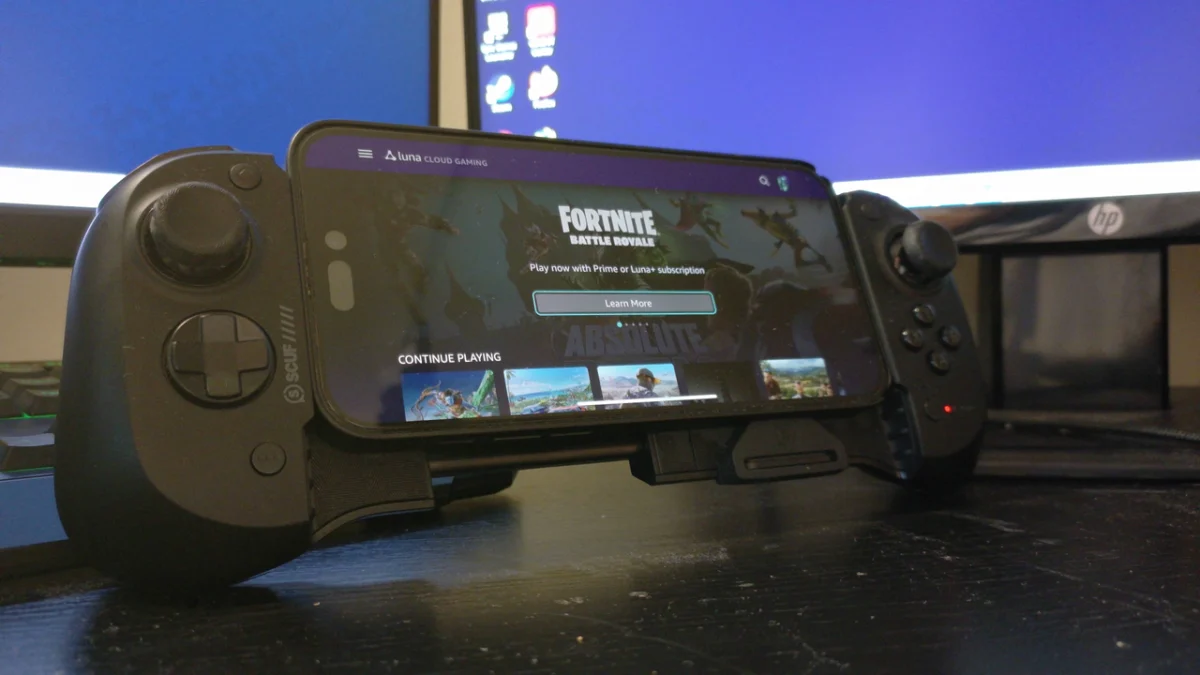
The landscape of mobile gaming has undergone a seismic shift. What was once the domain of casual "tap-and-swipe" experiences has evolved into a powerhouse of high-fidelity gaming, with AAA titles like Resident Evil, Death Stranding, and Call of Duty: Warzone finding a home on the smartphone. However, this transition has highlighted a significant hardware bottleneck: the touchscreen.
As professional hardware critics and casual gamers alike have discovered, there is no substitute for physical inputs. Enter the Scuf Nomad, a premium mobile controller that is currently disrupting the market with a compelling $31 discount on Amazon. For iPhone users, this represents more than just a peripheral; it is an essential upgrade that fundamentally alters the gaming experience.
Main Facts: The Scuf Nomad at a Glance
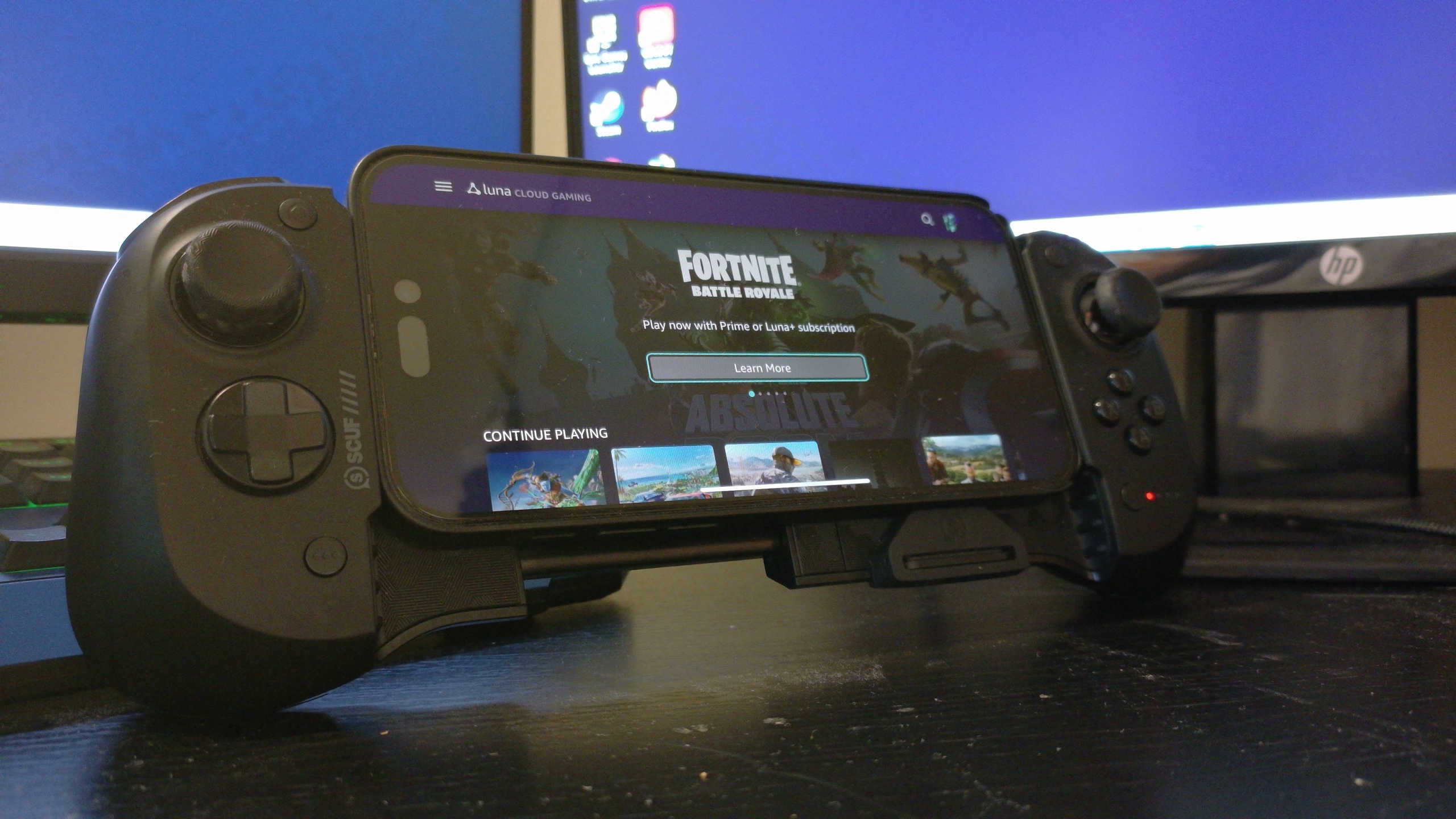
The Scuf Nomad is a high-performance, paddle-style mobile controller designed specifically for the Apple ecosystem. Unlike many of its competitors, the Nomad opts for a Bluetooth-only connection, liberating the device from the constraints of a physical Lightning or USB-C port. This design choice not only enhances durability—removing the risk of port damage—but also ensures compatibility across a vast range of iPhone models, from the legacy iPhone 8 through to the latest iPhone 16 iterations.
Key features include:
- Symmetrical Thumbsticks: Designed for ergonomic comfort and precision, mirroring the layout preferred by many console enthusiasts.
- Paddle-Style Ergonomics: The device wraps around the phone, creating a handheld console experience that feels familiar to PlayStation and Xbox players.
- Customization Software: Through the dedicated Scuf app, users can remap buttons, adjust sensitivity curves, and manage dead zones, tailoring the controller to their specific playstyle.
- Broad Ecosystem Compatibility: The controller seamlessly integrates with Apple Arcade, Xbox Game Pass, Steam Link, and PS Remote Play, effectively turning your phone into a handheld console capable of streaming desktop-grade titles.
A Chronology of Mobile Control Evolution
To understand the importance of the Scuf Nomad, one must look at the trajectory of mobile input methods.
The Early Era (2008–2015): Mobile gaming was defined by simple, reactive touch inputs. Developers focused on mechanics that prioritized brevity, such as Angry Birds or Fruit Ninja, where physical buttons were unnecessary.
The Hybrid Transition (2016–2020): As mobile processors grew in power, developers began porting more complex titles. The "virtual joystick" emerged—an attempt to overlay gamepad logic onto a glass screen. While functional, it remained a point of frustration for competitive players.
The Professionalization Era (2021–Present): The rise of cloud gaming services like Xbox Game Pass and the expansion of the "Pro" mobile gaming market necessitated hardware that could keep pace. The Scuf Nomad represents the current zenith of this evolution, focusing on low-latency wireless connectivity and professional-grade build quality. By moving away from physical connectors, Scuf has successfully addressed the "port-fatigue" that plagued earlier generations of controllers.
Supporting Data: Why Touch Controls Fall Short
The debate between touchscreen inputs and physical controllers is no longer a matter of preference—it is a matter of objective performance. In high-speed, competitive environments such as Call of Duty Mobile or Apex Legends Mobile, the latency inherent in a glass screen is a critical disadvantage.
1. Reaction Speed and Ergonomics
Human motor skills are optimized for tactile feedback. When a user presses a physical button, the brain receives a haptic confirmation that the action has been registered. Touchscreens lack this, forcing the brain to process visual confirmation instead. Research into mobile peripheral usage suggests that players using physical controllers exhibit an average increase in reaction speed of 15% to 25% compared to those relying on standard screen taps.
2. Screen Real Estate
On-screen controls occupy a significant portion of the display. In modern mobile gaming, where high-definition graphics are a key selling point, obscuring 20% of the screen with thumbs is a detriment to both visibility and tactical awareness. The Scuf Nomad removes this barrier, allowing the player to view the entire screen while maintaining total control over the action.
3. Portability and Battery Life
A common criticism of early mobile controllers was their reliance on the phone’s battery to power the peripheral. Because the Scuf Nomad operates via Bluetooth and possesses its own internal battery, it avoids the "power-drain" effect that often shortens gaming sessions. Furthermore, its foldable design allows it to slip into a pocket or bag, bridging the gap between "console-grade" performance and true portability.
Official Perspectives: The Professional Critic’s Dilemma
In our comprehensive 4.5-star review of the Scuf Nomad, the device was praised for its robust build and the intuitive nature of its companion app. However, there is a recurring theme among industry experts: the "curse" of the superior experience.
For professional reviewers who must evaluate phones based on their "out-of-the-box" capability—which includes the use of touch controls—the Scuf Nomad presents a professional paradox. Once a reviewer adapts to the superior precision and comfort of a physical controller, returning to the limitations of a glass screen feels akin to a regression in technology.
"Using a controller for games like Call of Duty feels almost like cheating," one reviewer noted. "The moment you experience the fluid motion of physical thumbsticks, the ‘fiddly’ nature of on-screen buttons becomes impossible to ignore." This sentiment underscores why the Nomad is currently being recommended as one of the best in its class: it doesn’t just improve the game; it redefines the expectations for what a mobile device can achieve.
Implications for the Future of Mobile Gaming
The success of the Scuf Nomad has significant implications for the broader gaming industry.
1. The "Console-in-Your-Pocket" Paradigm:
With Apple and Google pushing harder into the gaming space, the divide between mobile and console is blurring. Hardware like the Nomad signals to publishers that mobile players are ready for complex, input-heavy titles. This, in turn, encourages developers to optimize games for controllers rather than touch, potentially leading to a new wave of high-end mobile-native experiences.
2. The Android Divide:
One of the most critical takeaways for potential buyers is the current lack of Android support for the Nomad. As the mobile gaming market is roughly split between iOS and Android, the exclusivity of this device highlights a growing trend of ecosystem-specific hardware. Android users are not left without options, but they must look toward alternative hardware that specifically supports the fragmented Android controller API.
3. The Shift in Market Demand:
As we look toward major retail events like Prime Day, the focus is shifting away from "mobile accessories" and toward "gaming hardware." The demand for premium, durable, and highly responsive controllers is at an all-time high. Consumers are no longer willing to settle for budget-tier plastic peripherals; they are seeking the same level of quality they expect from their home console controllers.
Conclusion
The Scuf Nomad is more than a convenience; it is a vital tool for anyone serious about mobile gaming. While it is a bitter pill for those who pride themselves on mastering the "raw" touchscreen experience, the reality of the performance gains is undeniable. By providing a comfortable, responsive, and highly customizable interface, the Nomad transforms a phone from a simple communication device into a legitimate portable gaming rig.
For iPhone owners, the current $31 discount on Amazon makes this the optimal moment to bridge the gap between their mobile device and a true console experience. Whether you are an Apple Arcade enthusiast or a competitive Warzone player, the Nomad offers an essential upgrade that renders the "fiddly" nature of touch controls obsolete. Ignore the nostalgic attachment to the touchscreen—the future of mobile gaming is physical.


 Nana Muazin
 Nana
Nana