Nana Wu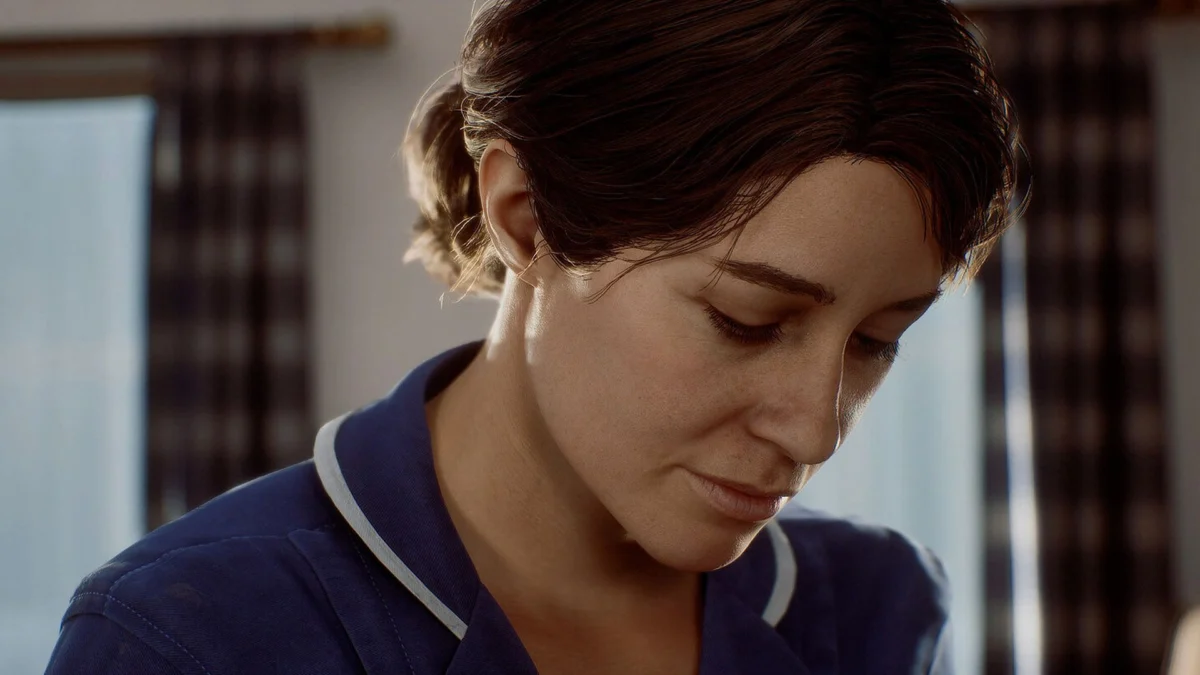
For over a quarter-century, the Silent Hill franchise has stood as a monolith in the psychological horror genre. Since its debut on the original PlayStation, the series has cultivated a legacy defined by suffocating atmosphere, existential dread, and a persistent, unsettling mystery that often feels more personal than monstrous. Following the commercial and critical success of the 2024 Silent Hill 2 remake and the profound impact of last year’s Silent Hill f, Konami is clearly invested in a renaissance for its flagship horror IP.
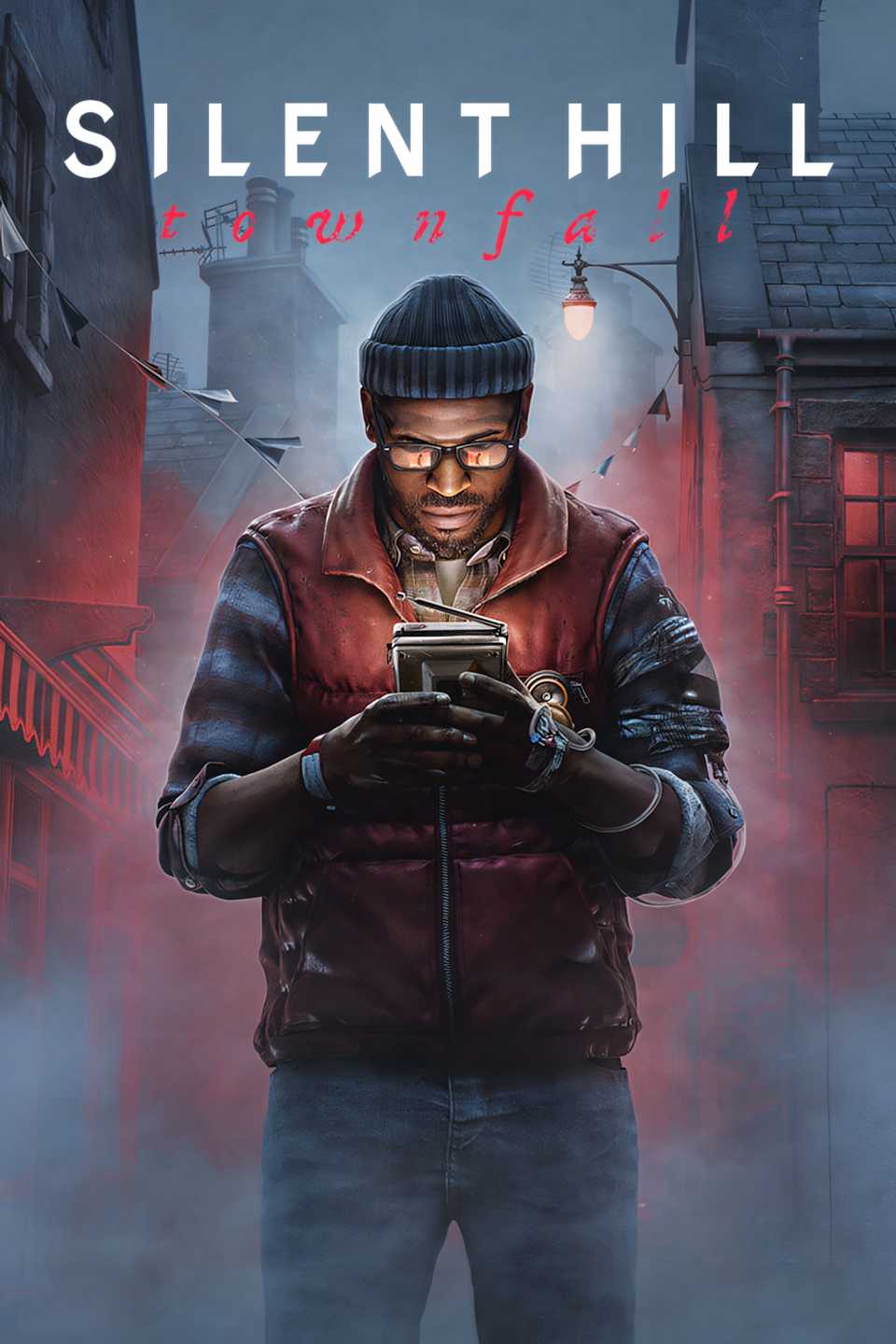
At this year’s Summer Game Fest, the curtain was pulled back on the next evolution of this lineage: Silent Hill: Townfall. Developed through a high-profile collaboration between Konami, Screen Burn Interactive, and Annapurna Interactive, Townfall promises to break away from the traditional tropes of the series while maintaining the series’ signature, claustrophobic DNA.
A Legacy of Unease: The Chronology of Silent Hill
To understand the significance of Townfall, one must look at the turbulent history of the franchise. After the original trilogy and The Room set the gold standard for survival horror in the late 90s and early 2000s, the series began to experience a period of inconsistent quality and identity crises. Following the release of Silent Hill: Downpour in 2012, the franchise entered a prolonged state of hibernation. For over a decade, fans were left in a vacuum, with the only notable spark being the aborted Silent Hills project.
The tide finally turned in 2024. The release of the Silent Hill 2 remake successfully reintroduced the psychological weight of James Sunderland’s journey to a modern audience, proving that the classic formula still resonated. This was followed by the critically acclaimed Silent Hill f, which pushed the series into new narrative territory. Townfall represents the third major pillar in this modern era, signaling that Konami is no longer interested in sporadic releases, but rather a sustained, multi-studio effort to keep the fog alive.
Setting the Stage: St. Amelia, Scotland
The setting of a Silent Hill game is arguably as important as the protagonist. While the town of Silent Hill itself is the series’ namesake, Townfall opts for a fresh location: the small, isolated town of St. Amelia, Scotland.
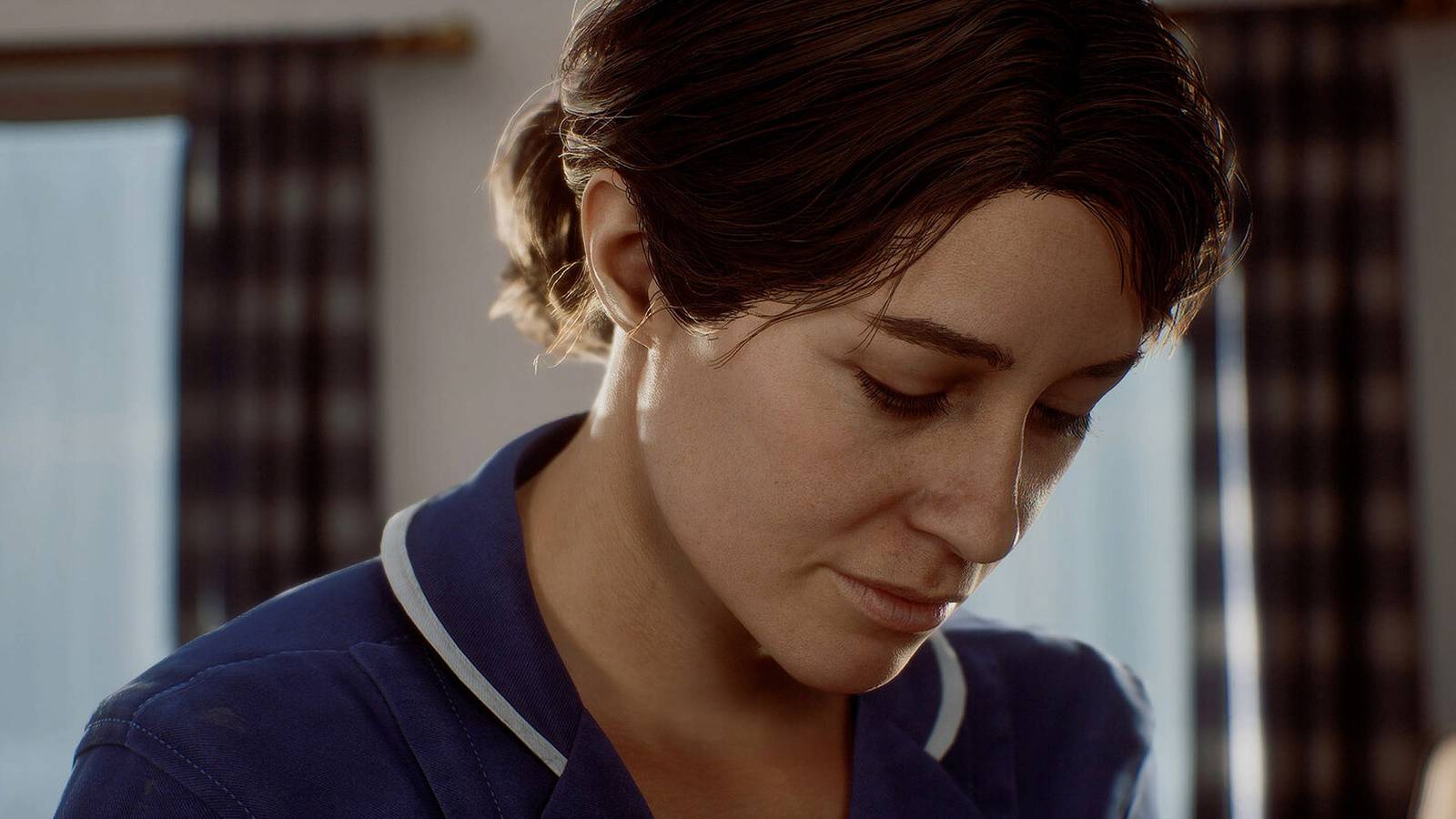
From the preview presented at Summer Game Fest, it is clear that the development team has prioritized visual fidelity and environmental storytelling. The rendering of the Scottish landscape is hauntingly beautiful, characterized by jagged coastlines, oppressive architecture, and the omnipresent, suffocating fog that has become the hallmark of the franchise. The fog here serves more than just a technical purpose of obscuring draw distance; it is a narrative tool that isolates the player, making every step through the narrow, rain-slicked streets feel like a descent into madness.

The protagonist, Simon Ordell, is a departure from the battle-hardened or trauma-laden heroes of the past. Simon is an everyman, lacking combat expertise or military training. This shift in perspective is crucial to the gameplay loop; players are not encouraged to seek out confrontation. Instead, the demo focused on observation, environmental deduction, and the primal urge to run rather than fight.
The Mechanics of Fear: Stealth and the CRTV Scanner
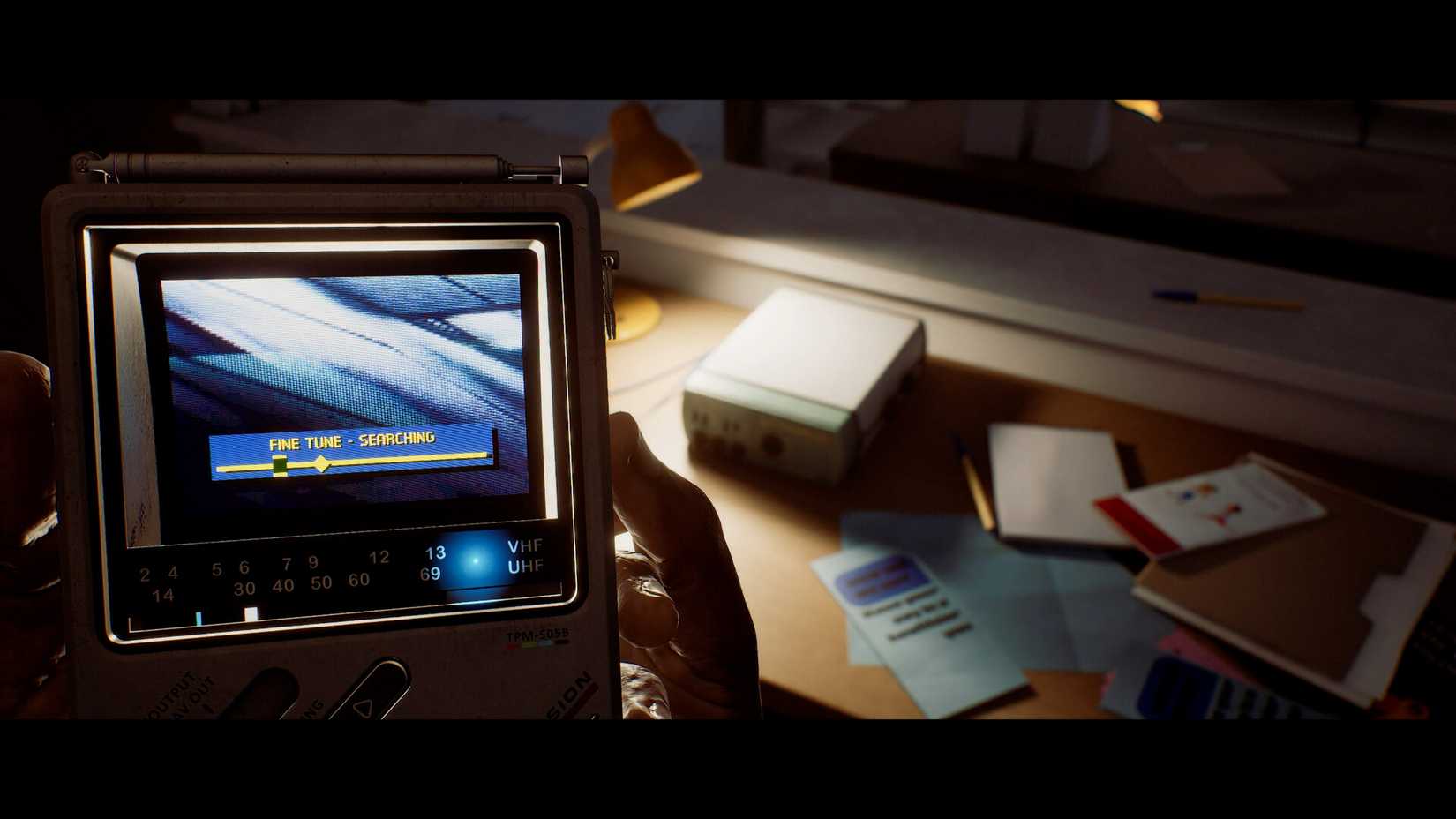
One of the most innovative aspects revealed during the presentation is the introduction of the "CRTV" (Cathode Ray Tube) scanner. In previous entries, the iconic radio served as an auditory warning system, alerting players to the proximity of enemies through static. The CRTV scanner updates this concept for a more modern, screen-based era.
The device does not merely emit sound; it provides a low-resolution, flickering visual feed of the surrounding environment. This adds a layer of tactical tension: to see what is lurking in the dark, the player must take their eyes off the main path and focus on the handheld screen. It creates a "blind spot" in the player’s real-time awareness, forcing a choice between knowing the threat exists and seeing where the player is stepping.
When combat is unavoidable, the game emphasizes the vulnerability of the character. Simon can utilize melee implements like pipes or wooden planks, but the combat mechanics are intentionally designed to feel "clunky" and heavy. This is a deliberate design choice by Screen Burn Interactive, intended to replicate the helplessness of the early PS1 era. Monsters in Townfall are not obstacles to be cleared; they are lethal threats that hold the upper hand, reinforcing the notion that survival is a matter of luck and avoidance rather than skill.
Official Perspectives and Industry Implications
The partnership between Konami, Screen Burn, and Annapurna Interactive is a significant move for the industry. By bringing in a publisher known for indie darlings like Stray and Twelve Minutes, Konami is clearly signaling a shift toward more narrative-driven, experimental horror experiences.
During the Summer Game Fest presentation, representatives noted that the goal of Townfall is to "interrogate the core formula of survival horror." They aren’t trying to reinvent the wheel, but rather to strip the genre down to its psychological roots. The implication here is that Silent Hill is evolving from a single, static experience into a platform for different creative voices to explore the nature of fear.
This approach puts Silent Hill in direct competition with the high-octane, action-oriented horror of the Resident Evil remakes. While Capcom has found massive success with its polished, combat-heavy approach, Silent Hill: Townfall seems content to lean into the "claustrophobia of the mind." This distinction is vital; it ensures that the market for horror remains diverse, offering players both the visceral thrills of an action-horror game and the slow-burn, atmospheric terror that Townfall promises.
Technical Specifications and Release Data
Silent Hill: Townfall is built to leverage the hardware of current-generation systems. The attention to detail in the lighting—specifically how light reflects off the wet, cobblestone streets of St. Amelia—showcases the power of the PlayStation 5 and modern PC architectures.
- Release Date: September 24, 2026
- Developer: Screen Burn Interactive
- Publishers: Konami, Annapurna Interactive
- Platforms: PlayStation 5, PC
- Rating: Mature 17+ (Blood, Strong Language, Violence)
- Genre: Single-player Psychological Horror
The Future of the Fog
As we approach the September 24 release date, the anticipation surrounding Townfall is palpable. The industry is currently in a "Golden Age" of horror gaming, with independent developers and major studios alike finding success by revisiting the genres that defined the late 90s.
Townfall enters this landscape with a unique advantage: it is backed by the history of the most famous horror franchise in gaming, yet it is unafraid to experiment with the formula. The decision to move away from the titular town of Silent Hill and focus on a new, distinct location like St. Amelia demonstrates a confidence that the series’ identity is not tethered to a single map, but rather a state of mind.
For those who have spent the last decade waiting for the fog to return, Silent Hill: Townfall appears to be exactly the kind of evolution the franchise needs. It is respectful of its past, yet clearly focused on a future where horror is found not in the strength of the hero, but in the vulnerability of the player. As September nears, the only question remaining is whether Simon Ordell—and by extension, the player—can survive the secrets hidden within the mist.


 Asro
Asro
 Muslim