Layla Zulfa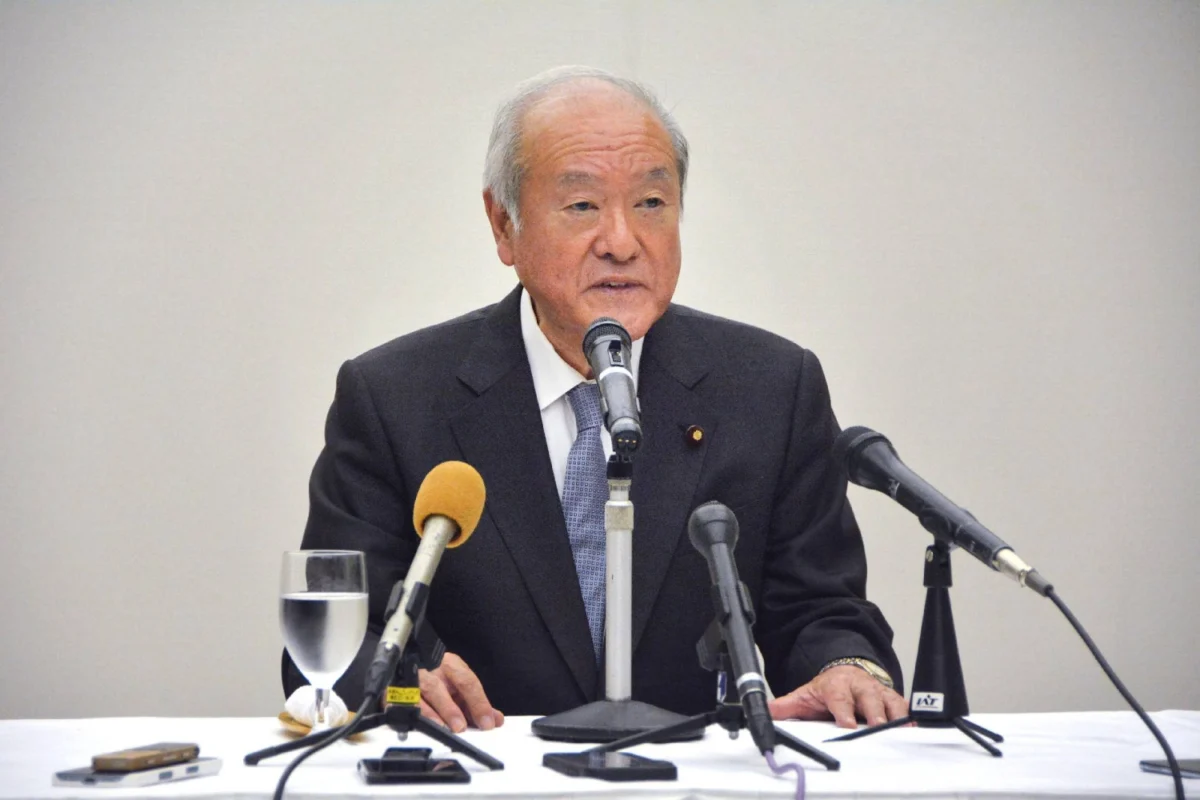
SAPPORO — The political temperature in Japan is rising as the Liberal Democratic Party (LDP), the bedrock of the nation’s governing coalition, has signaled a firm intention to conclude the current parliamentary session on schedule. On Sunday, Shunichi Suzuki, the LDP’s secretary-general, poured cold water on growing calls from opposition forces and coalition partners to extend the legislative calendar beyond the current deadline of July 17.
Speaking before a gathered crowd at a convention of the party’s Hokkaido prefectural chapter in Sapporo, Suzuki articulated a disciplined approach to the final weeks of the session. "We want to move forward on various issues within the current Diet session without extending it," Suzuki stated, signaling that the ruling party is eager to avoid a protracted legislative battle as it looks toward internal party management and upcoming political priorities.
This stance, however, sets the stage for a high-stakes standoff with the Japan Innovation Party (JIP), which has been aggressively lobbying for more time to push through critical structural reforms.
Chronology: The Road to the July 17 Deadline
The current tension is the culmination of months of legislative maneuvering and policy negotiations.
- Early 2024: The LDP and its junior coalition partners, alongside the JIP, began high-level discussions regarding a shared policy agenda, focusing on administrative efficiency and the preservation of the Imperial succession system.
- Late June 2024: As the Diet session entered its final month, the backlog of pending legislation—specifically concerning political ethics and the Imperial House Law—became a point of contention.
- Monday, July 1: A critical meeting occurred between LDP Secretary-General Shunichi Suzuki and his counterpart, Hiroshi Nakatsuka of the Japan Innovation Party. During these talks, Nakatsuka formally proposed an extension of the Diet session, arguing that key bills, particularly those concerning the reduction of House of Representatives seats, required more time for meaningful deliberation.
- Sunday, July 7: Suzuki’s remarks in Sapporo served as the LDP’s definitive public response to the JIP’s proposal, effectively closing the door on the possibility of a voluntary extension.
Supporting Data: The Legislative Bottleneck
The debate over the Diet’s timeline is not merely procedural; it is rooted in a fundamental disagreement over which issues take precedence. The legislative agenda currently faces a "bottleneck" effect caused by three primary categories of policy:
1. The Imperial House Law Revision
The preservation of the Imperial line is perhaps the most sensitive item on the agenda. The proposed revisions aim to address the dwindling number of Imperial Family members, a demographic crisis that threatens the stability of the monarchy. Suzuki underscored the urgency of this, stating that related efforts "must be completed" before the July 17 cutoff. The LDP views this as a matter of national heritage and security that cannot be delayed.
2. The House of Representatives Seat Reduction
This is the primary point of friction with the JIP. The Japan Innovation Party has campaigned on a platform of "small government," which includes a concrete plan to reduce the number of seats in the Lower House. Proponents argue this is necessary to streamline the government and reduce taxpayer burdens. However, critics within the LDP argue that such a structural change requires deep constitutional deliberation that cannot be rushed in the final days of a session.
3. The Coalition Pact Implementation
The LDP and JIP are bound by a coalition pact that mandates cooperation on several key policy areas. Suzuki has publicly maintained that these items "must be steadily implemented," yet he remains vague on whether these items warrant an extension of the parliamentary calendar.
Official Responses and Political Maneuvering
The discord between Suzuki and the JIP leadership highlights the evolving nature of the LDP’s dominance. By refusing an extension, the LDP is asserting its control over the legislative calendar, effectively forcing the opposition and junior partners to either pass the bills in their current form or risk the legislation failing altogether.
The LDP Perspective
From the LDP’s vantage point, the Diet calendar is a tool for efficiency. Extending the session could invite "political grandstanding" from opposition parties, potentially derailing the party’s broader strategy for the second half of the year. Suzuki’s firm rhetoric is designed to keep the party rank-and-file focused on the immediate goal: closing the session with a victory on the Imperial House Law.
The JIP Perspective
The Japan Innovation Party finds itself in a precarious position. By requesting an extension, the JIP is attempting to prove to its voter base that it is an effective change-maker within the Diet. A failure to secure the seat-reduction bill would be a significant blow to their political narrative. Secretary-General Nakatsuka’s call for more time is a strategic attempt to force the LDP into a corner, banking on the idea that the LDP would rather concede on time than be seen as obstructionist to reform.
Implications: A Shift in Governance Style?
The refusal to extend the session carries profound implications for the remainder of the year.
1. The Fragility of Coalition Dynamics
The rift between the LDP and the JIP signals that the current coalition, while functional, is becoming increasingly transactional. If the LDP continues to prioritize its internal timeline over the reformist agenda of its partners, the coalition may face instability or a complete realignment before the next general election.
2. The Risk of Policy Stagnation
If the session ends on July 17 without addressing the House of Representatives seat reduction, that issue will likely be sidelined for months. Political analysts suggest that once a session concludes, the momentum required to reintroduce such high-profile reforms often evaporates. This risks a "do-nothing" perception that could be exploited by the Constitutional Democratic Party and other opposition forces.
3. Constitutional and Imperial Considerations
The success of the Imperial House Law revision is now the sole barometer of this session’s success. Should the LDP fail to shepherd this bill through, the failure will be laid squarely at the feet of the party leadership. Conversely, if they succeed, they will likely use the accomplishment to justify the decision to close the session early, arguing that they prioritized "the most important" national issues over "political theater."
Conclusion: A High-Stakes Final Week
As the clock ticks down toward July 17, all eyes remain on the corridors of the National Diet Building. The tension between the LDP’s desire for a clean exit and the JIP’s demand for structural reform reflects a broader struggle over the direction of Japanese politics.
Shunichi Suzuki’s refusal to extend the session is a calculated gamble. He is betting that the party’s core supporters, as well as the broader public, prioritize the stability of the Imperial system over the contentious debate regarding the size of the legislature. Whether this gamble pays off or leaves the government vulnerable to charges of legislative negligence will become clear in the coming days. For now, the Diet remains a theater of competing interests, where every hour of floor time is fought for with the intensity of a general election campaign.
The coming week will be defined by back-room negotiations, late-night committee sessions, and the constant threat of a legislative logjam. Should the parties fail to reach a compromise, the July 17 deadline will mark not just the end of a session, but the potential beginning of a more fractious chapter in Japanese parliamentary history.


 Neng Nana
 Asro
Asro