Layla Zulfa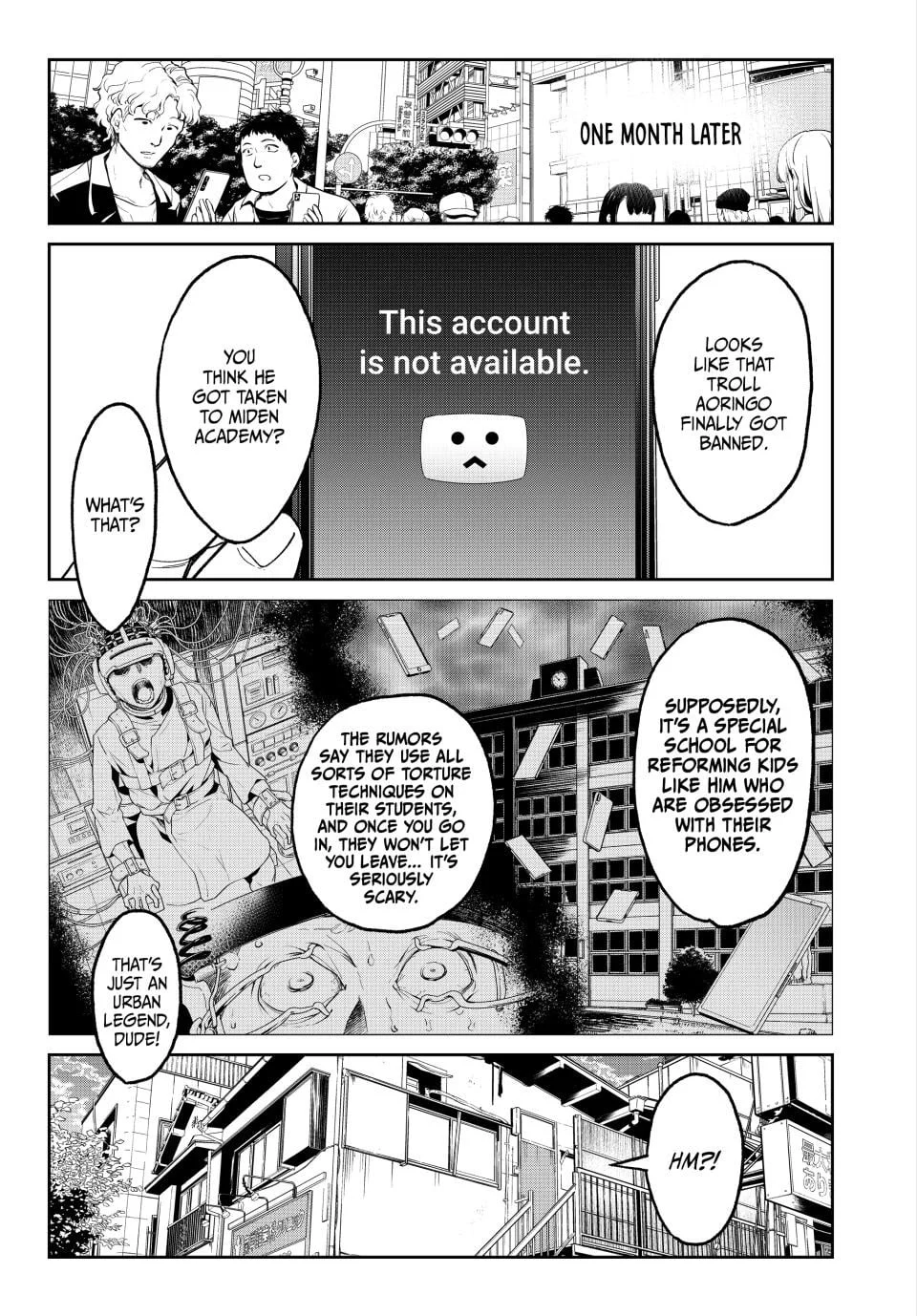
The global anime industry is currently navigating a period of unprecedented growth, but with that expansion comes heightened scrutiny over how Japanese media is adapted for Western audiences. Crunchyroll, the world’s leading anime streaming platform, has recently come under fire from fans and critics alike for its localization choices. Despite a recent increase in membership fees, subscribers are pointing to a perceived decline in script quality, specifically regarding the English-language dub of the supernatural series Dead Account.
The controversy centers on the heavy-handed insertion of "chronically online" internet slang and "Zoomer" memes into the dialogue—terms like "yassified," "girlie-pop," and "cope, seethe, and mald"—which many argue deviates significantly from the original Japanese intent and the established tone of the source material.
Main Facts: The Core of the Controversy
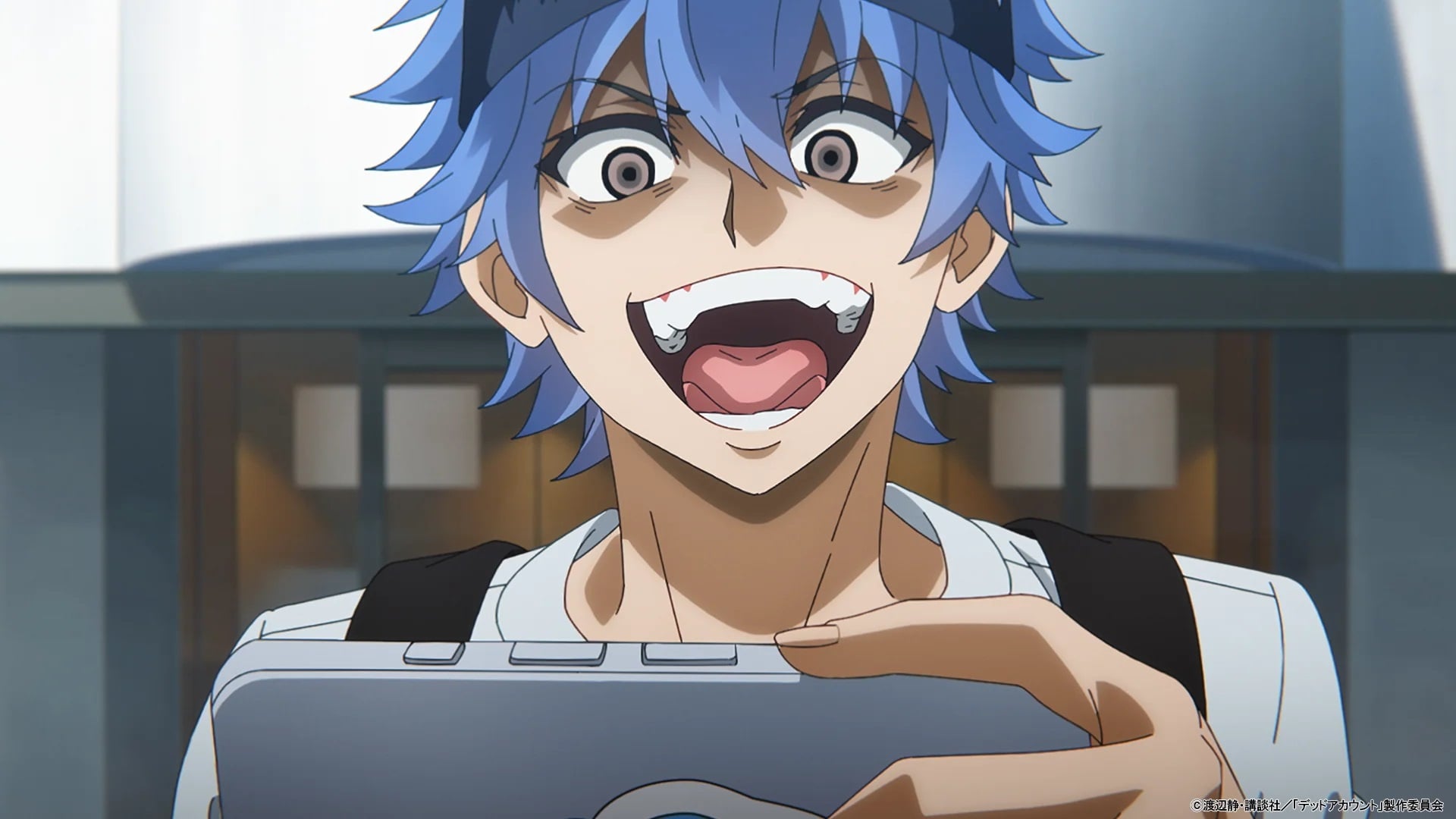
Dead Account, based on the manga by Shizumu Watanabe, is a modern take on the exorcist genre. The story follows students at Miden Academy who hunt "ghost accounts"—aberrations born from the social media accounts of the deceased. These spirits are exorcised using "cyberkinesis," a smartphone-based spiritual power.
The central issue involves Crunchyroll’s in-house localization team for the English dub and, in some instances, the English subtitles. Critics allege that the localizers have prioritized "meme-culture" over faithful translation. While the series does deal with social media, the original Japanese script utilizes specific internet terminology that has a different cultural weight than the English slang substituted in the dub.
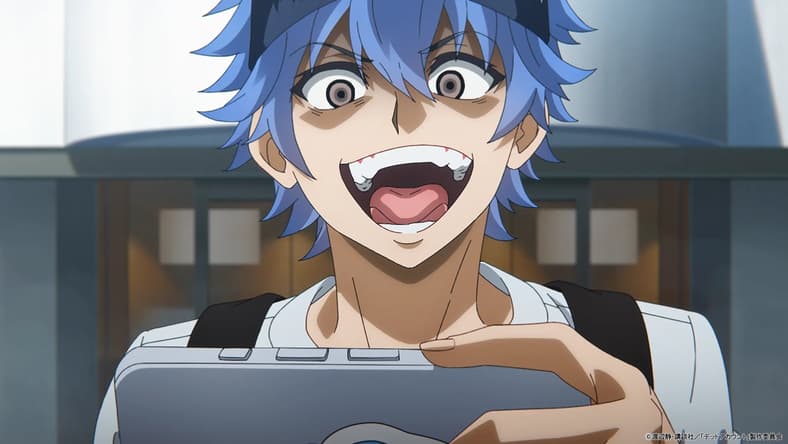
Comparisons between the original Japanese dialogue, the official manga translation by Kodansha, and Crunchyroll’s localized versions reveal a pattern of "punching up" the script with Western internet colloquialisms that many fear will date the series rapidly.
Chronology of Localization Incidents
The discrepancies in Dead Account began with the very first episode and have escalated as the series progressed, particularly in the fourth and fifth installments.
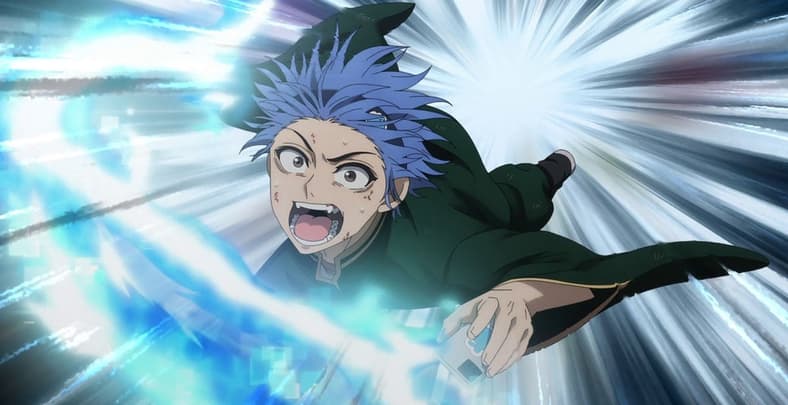
Episode 1: "The Ultimate Flamebaiter"
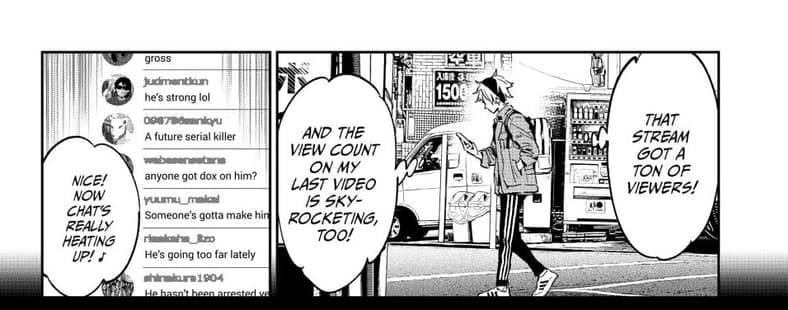
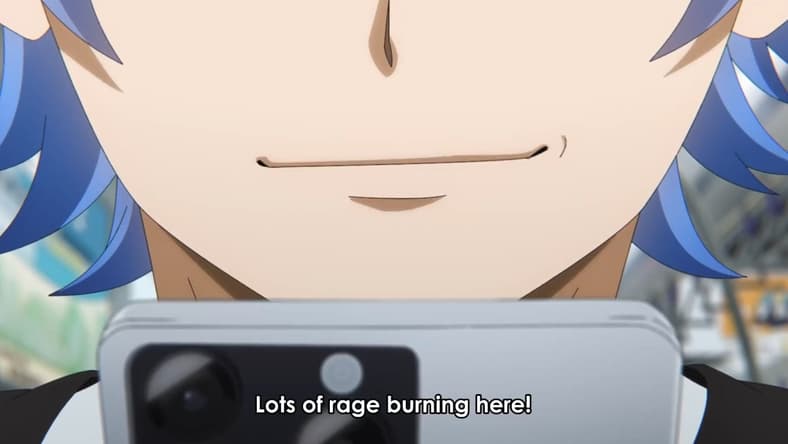
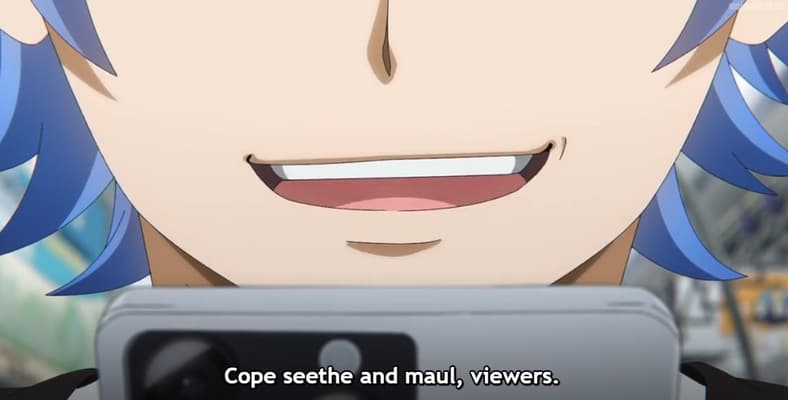
In the series premiere, the protagonist, Soji Enishiro, is introduced as a "flamebaiter" on the fictional platform MyTube. In the original manga and the Japanese audio, Soji’s dialogue reflects his persona as a provocateur who thrives on "fire" and "heat."
- Manga Translation (Kodansha): "Nice! Now chat’s really heating up!"
- Crunchyroll Subtitles: "Lots of rage burning here."
- Crunchyroll English Dub: "Cope, seethe, and mald, viewers!"
The dub’s use of "cope, seethe, and mald"—a trio of terms popularized in Western Twitch and Twitter circles—replaces the thematic fire-based imagery of the original text with a specific Western meme format.
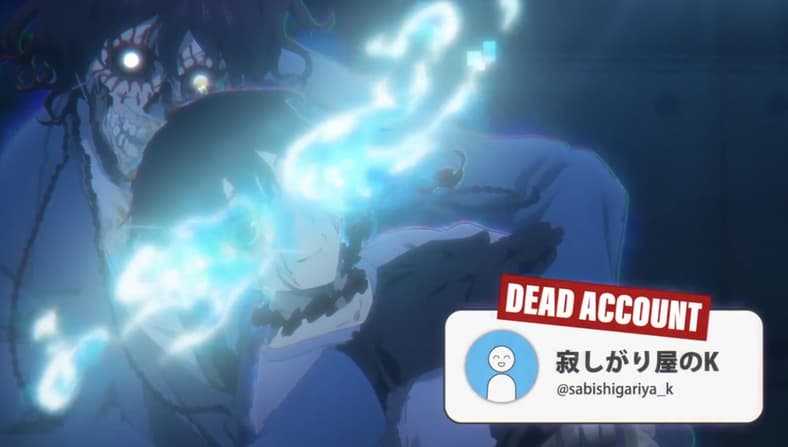
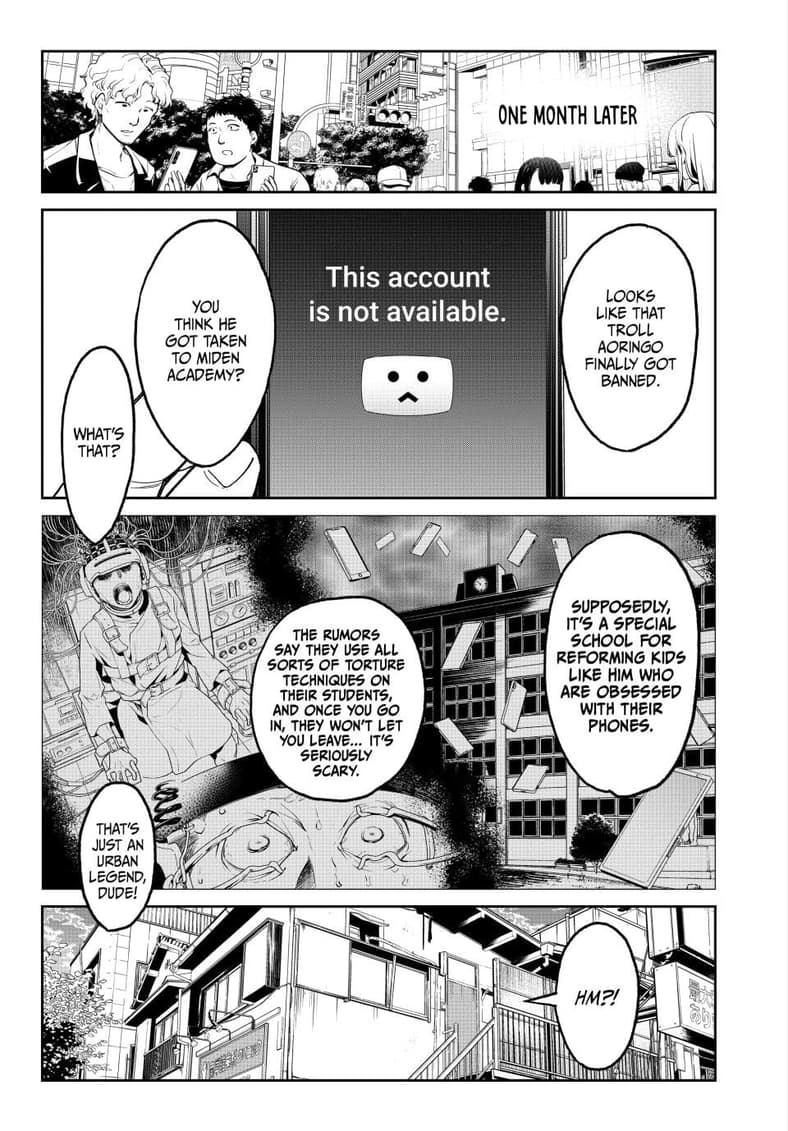
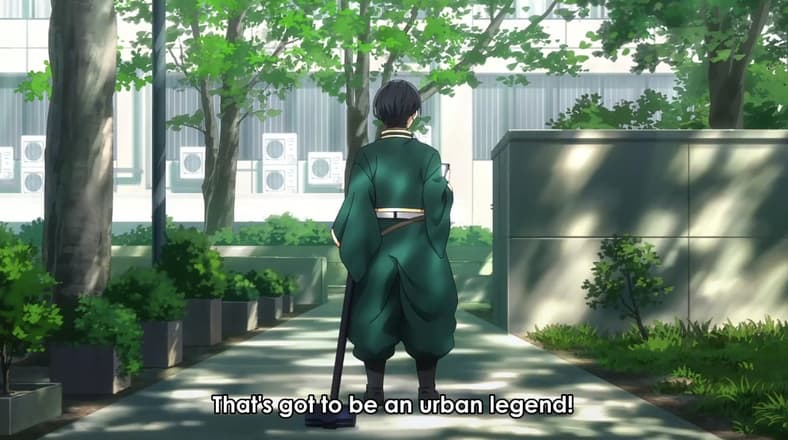
Later in the same episode, a character discusses the "urban legend" of Miden Academy, where children are rumored to be reformed through torture.
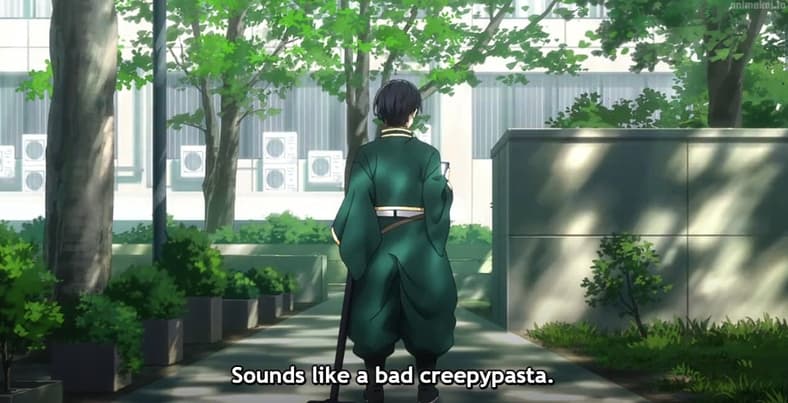
- Manga/Subtitles: "That’s just an urban legend, dude!"
- Crunchyroll English Dub: "Sounds like a bad creepypasta!"
While "creepypasta" refers to internet horror stories, it is a specific subgenre of digital folklore that was not present in the original Japanese term for "urban legend" (toshi densetsu).
Episode 4: "The Worst Possible Trio"
The localization choices became more pronounced in the fourth episode during a confrontation with a mid-level ghost account named Kirika-chan. This character, obsessed with beauty and photography, becomes the primary vehicle for modern slang in the English dub.
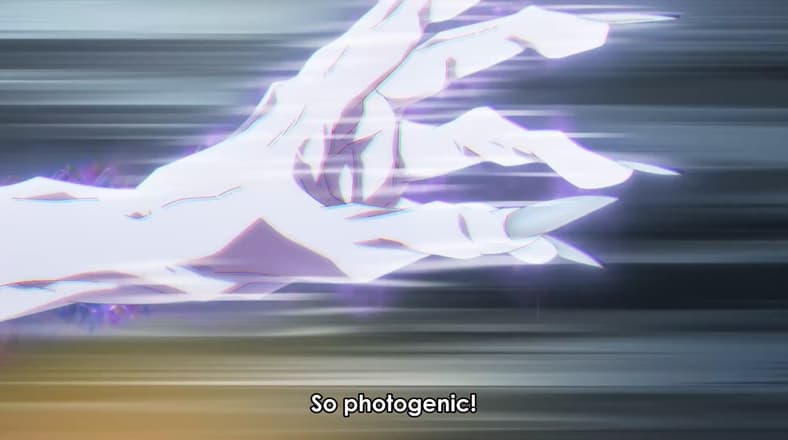
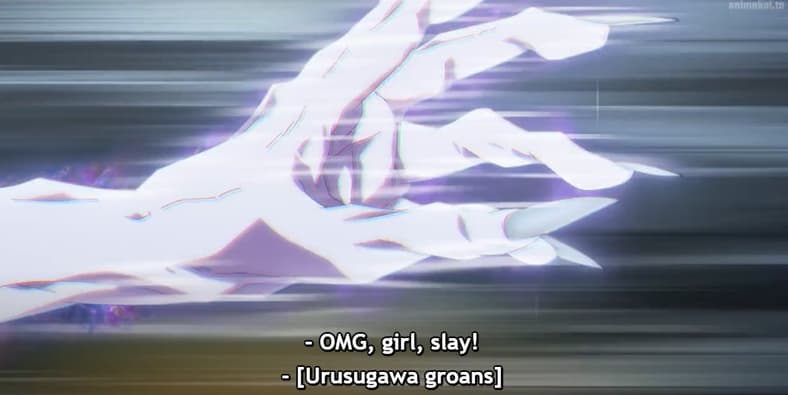
When Kirika-chan breaks out of a slime trap and reaches for a character, the subtitles provide a relatively literal translation:
- Crunchyroll Subtitles: "So photogenic!"
- Crunchyroll English Dub: "OMG, girl, slay!"
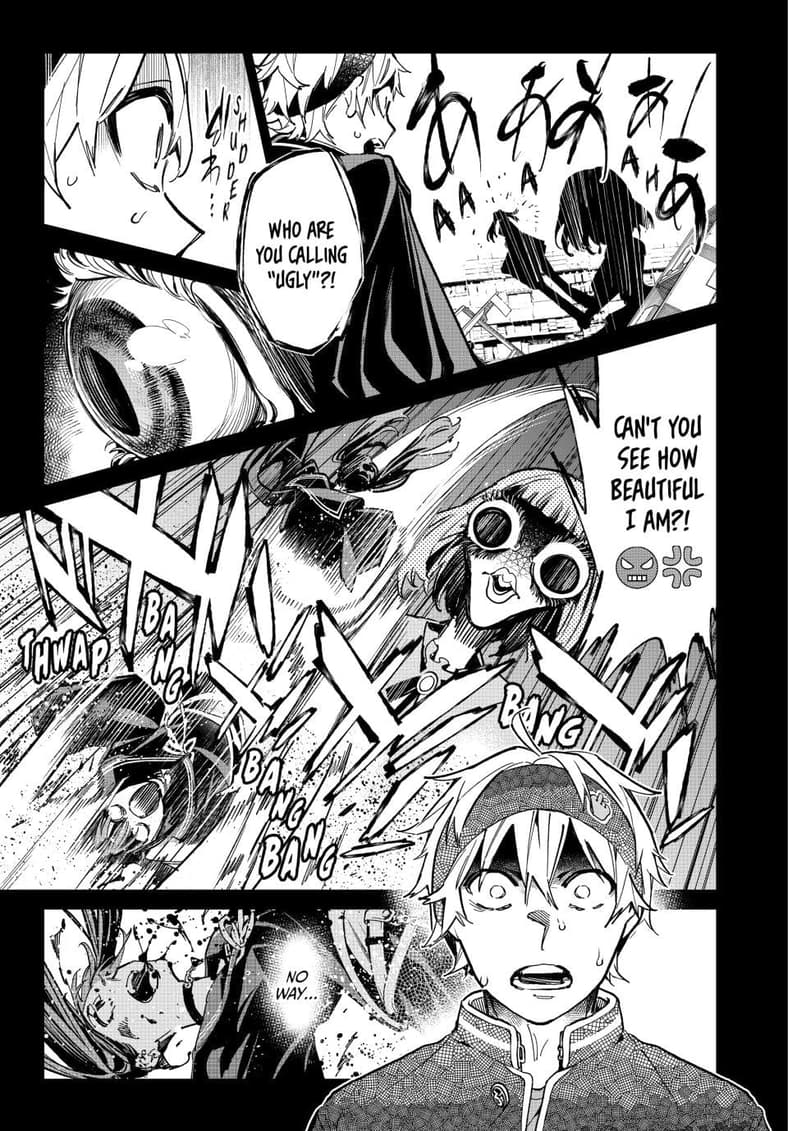
The trend continued during a scene where Kirika-chan retaliates against being called ugly.
- Manga Translation: "Who are you calling ugly?! Can’t you see how beautiful I am?!"
- Crunchyroll Subtitles: "Who are you calling ‘uggo’? I’m totes photogenic!"
- Crunchyroll English Dub: "That wasn’t very nice was it? Don’t be jelly just ’cause I’m serving!"
The dub’s use of "jelly" (jealous) and "serving" (a term from drag and ballroom culture used to describe a high-fashion look) shifts the character’s voice from a menacing supernatural threat to a caricature of Western social media personalities.
The "Yassification" of the Script
The most widely discussed change occurred toward the end of Episode 4, when Kirika-chan describes her "masterpiece"—a grotesque plan to mutilate the protagonists.
- Manga Translation: "Best customization yet! Even better than that time I customized a five-year-old girl!"
- Crunchyroll English Dub: "It’ll definitely top the one with that girlie-pop that I hardcore yassified before!"
The term "yassify" refers to the process of applying heavy beauty filters to an image, while "girlie-pop" is a slang term for a pop star or a feminine friend. By using these terms to describe the violent "customization" of a child, the dub creates a tonal dissonance that many viewers found jarring and inappropriate for the horror-themed context.
Supporting Data: The Disconnect Between Sub and Dub
An analysis of the Dead Account localization reveals a significant disconnect between the subtitled version (which generally stays closer to the Japanese script) and the dubbed version. This suggests that the dub scriptwriters are taking "creative liberties" to localize the content for what they perceive as a younger, "chronically online" demographic.
| Scene Context | Original/Manga Intent | Dub Localization | Slang Origin |
|---|---|---|---|
| Provoking an audience | Heating up/Burning | Cope, seethe, mald | Twitch/Gaming |
| Supernatural Legend | Urban Legend | Bad Creepypasta | 2010s Internet Horror |
| Violent Attack | Dollie! / Let’s get photogenic! | Slay! | Ballroom/Pop Culture |
| Mutilation/Alteration | Customized | Hardcore yassified | Social Media Filters |
| Reputation/Legend | Respected/Living Legend | Super cringe title | Gen Z Slang |
In Episode 5, even the subtitles began to lean into this trend. When discussing the "Living Legend" status of the teacher Yoimaru Azaki, the subtitles and dub both inserted the word "cringe."
- Manga Translation: "…became a living legend."
- Crunchyroll Subtitles/Dub: "Apparently, it earned him the super cringe title the Living Legend."
Official Responses and Industry Context
As of this writing, Crunchyroll has not issued a formal statement regarding the specific localization choices in Dead Account. This silence is consistent with the platform’s handling of previous localization controversies.
In recent months, the anime community has been increasingly vocal about "localizer overreach." Similar controversies have erupted over:
- Oshi No Ko: Where Sentai Filmworks was criticized for inserting references to "cancel culture" into the script.
- Blue Box: Where Netflix localizers were accused of changing a character’s compliment from "feminine" to "feminist."
- Syd Craft: Love is a Mystery: Where Viz Media was criticized for inserting modern slang into a period-piece setting.
The defense often provided by localizers is that literal translations can be "stiff" and that they must adapt the spirit of the dialogue to make it relatable to a target audience. However, the counter-argument from fans is that these "updates" often reflect the personal politics or social circles of the localizers rather than the actual content of the Japanese script.
Implications: The Shelf-Life of "Meme-Speak"
The primary concern regarding the "Zoomerification" of anime scripts is the issue of longevity. Professional journalism and media critics point out that internet slang has an incredibly short half-life. Terms that are popular in 2024, such as "yassified" or "girlie-pop," may be entirely obsolete or viewed as "cringe" within a few years.
1. The Aging of Media
By tethering a series to highly specific, ephemeral slang, localizers risk making the show unwatchable for future audiences. For example, English dubs from the early 2000s that used then-popular slang like "radical" or "talk to the hand" are now often cited as examples of poor localization that pulls the viewer out of the story.
2. Tonal Dissonance
Dead Account is a series about death, ghosts, and the dark side of digital obsession. By replacing the horror elements with "slay" and "yassify," the dub arguably undermines the stakes of the narrative. When a villainous spirit uses the same language as a fan on Twitter, the sense of supernatural menace is diminished.
3. The Trust Gap
For streaming services like Crunchyroll, these controversies create a "trust gap" with their core audience. As subscription prices rise, fans expect a premium product that respects the original creator’s vision. When scripts are perceived as being "vandalized" by localizers, fans often turn to "fansubs" (unofficial, fan-made translations) or physical media, which they perceive as being more faithful to the source.
4. Cultural Erasure
There is also a broader discussion regarding the erasure of Japanese social media culture. Japan has its own rich history of net-slang (such as terms used on 2channel or Nico Nico Douga). By replacing these unique Japanese cultural markers with Western equivalents like "creepypasta," localizers are essentially overwriting the Japanese setting of the story with a Western digital veneer.
Conclusion
The localization of Dead Account serves as a flashpoint for a much larger debate within the anime industry. While the goal of localization is to bridge the gap between cultures, the aggressive insertion of modern Western slang has, in this instance, created a barrier for many viewers. As the industry moves forward, the balance between "relatability" and "faithfulness" will remain the most contentious issue in the world of subtitling and dubbing. For now, Soji Enishiro’s battle against "ghost accounts" remains overshadowed by his battle against a script that many fans feel has been "hardcore yassified" beyond recognition.

 Laily UPN
 Lina Hope