Suro Senen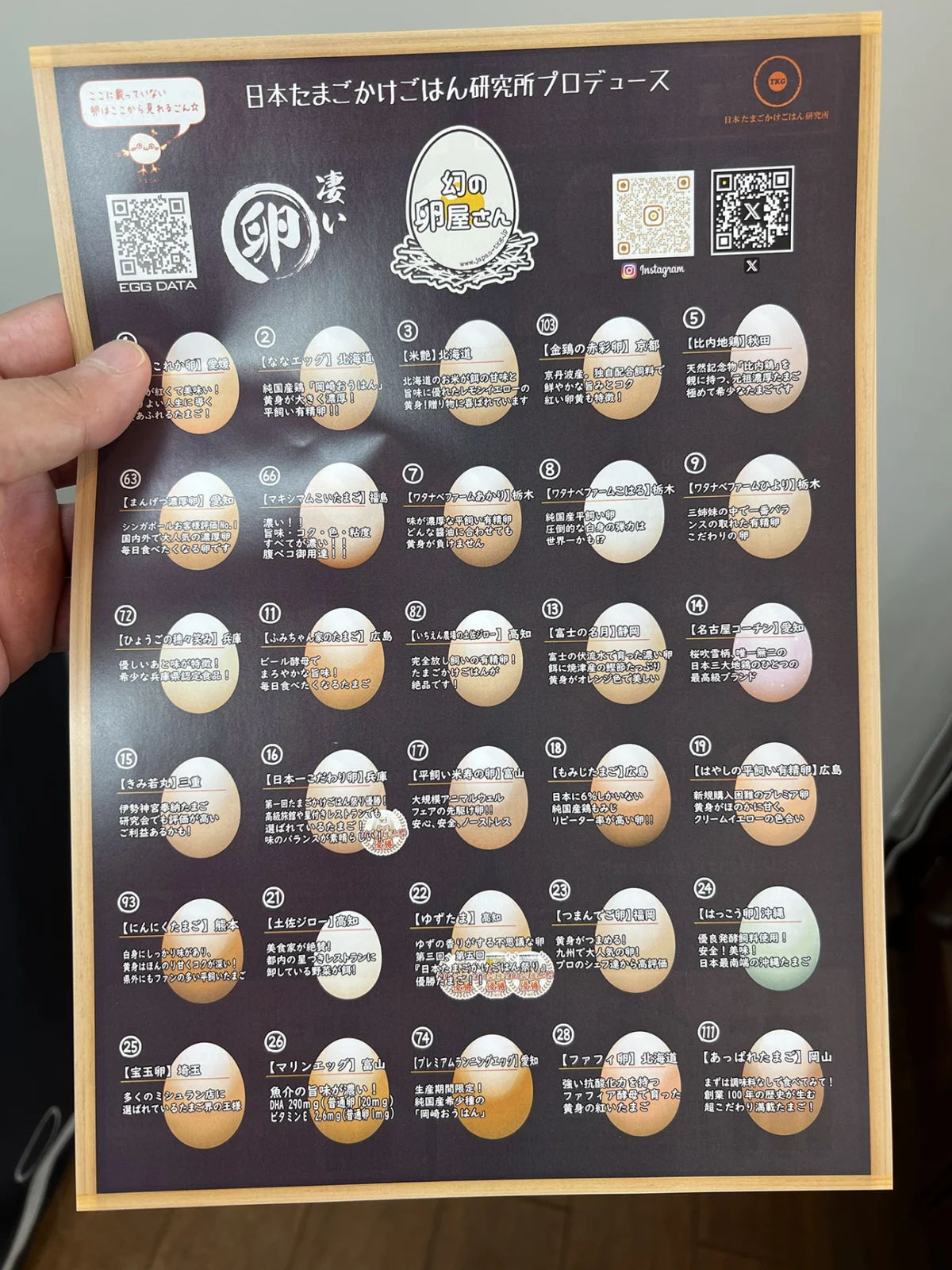
In the landscape of Japanese gastronomy, there is a profound reverence for the shokunin spirit—the unwavering dedication to mastering a singular craft. While this philosophy is often associated with sushi masters or sword smiths, a new, highly specialized retail space in Tokyo’s Bunkyo Ward is proving that this level of obsessive focus can be applied to even the most humble of ingredients: the chicken egg.

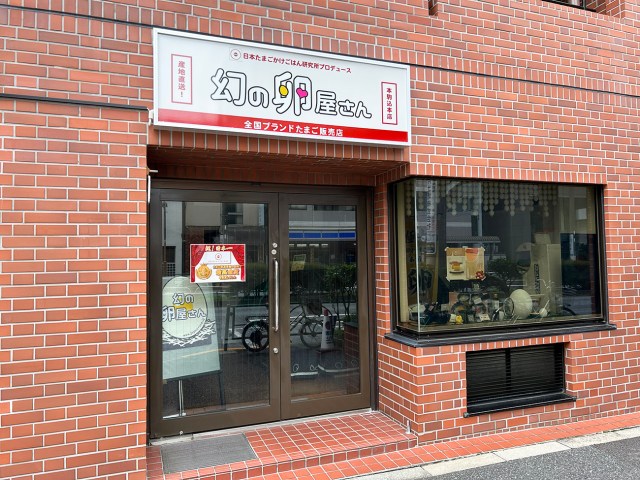
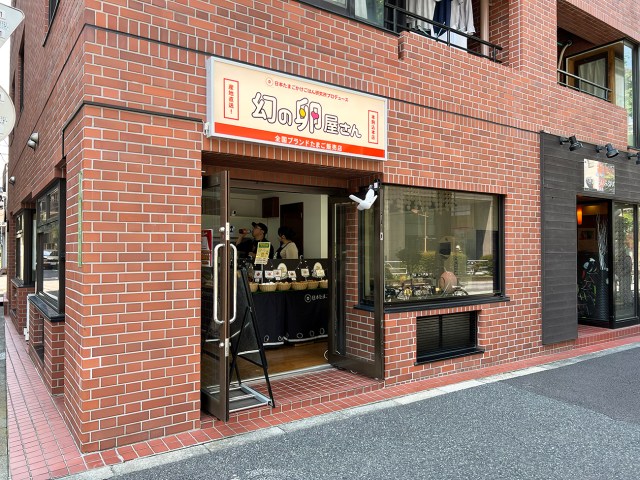
The newly opened Gen no Tamagoya (translated as "The Phantom Egg Shop") has arrived in Komagome, signaling a new chapter for the nation’s beloved comfort dish, tamago kake gohan (TKG)—a simple yet revered preparation of raw egg stirred into steaming white rice. Far from a standard grocery store experience, this shop functions more like a gallery of biodiversity, offering rare, region-specific, and high-end eggs that rarely reach the shelves of commercial supermarkets.
The Genesis of the "Phantom" Concept
The store, which celebrated its grand opening on June 13, 2026, is the first permanent, directly operated retail location for a group deeply embedded in the egg industry. Known colloquially as "Mr. TKG," the proprietor—also the representative director of the Japan TKG Research Institute—has spent years operating in the wholesale sector, supplying high-end ryokans and Michelin-starred restaurants.
For years, the best eggs in Japan were kept within a "closed system." Farmers, focusing exclusively on production, would establish direct contracts with luxury inns or regional eateries. Because these eggs were produced in small batches and distributed locally, they remained "phantoms" to the general public.

The catalyst for change was the global COVID-19 pandemic. As tourism plummeted and hospitality businesses were forced to shutter or significantly scale back, the supply chain for these artisanal farmers collapsed. Many were left with high-quality inventory and no market. Seeing an opportunity to bridge the gap between rural producers and urban connoisseurs, the Japan TKG Research Institute launched their direct-to-consumer initiative, culminating in the opening of this Komagome storefront.

A Chronology of a Gastronomic Discovery
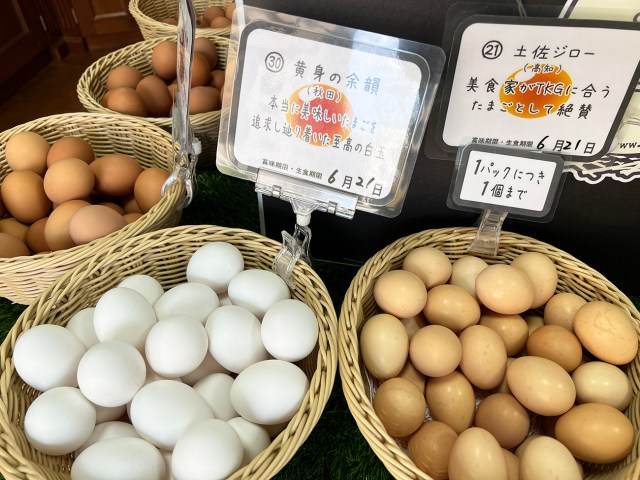
When our reporter first arrived at the shop on its opening day, the atmosphere was one of quiet, disciplined excitement. Stepping inside, one is immediately struck by the curated nature of the selection. Unlike the uniform cartons of a supermarket, the walls are lined with baskets, each containing eggs that vary in size, color, and texture.
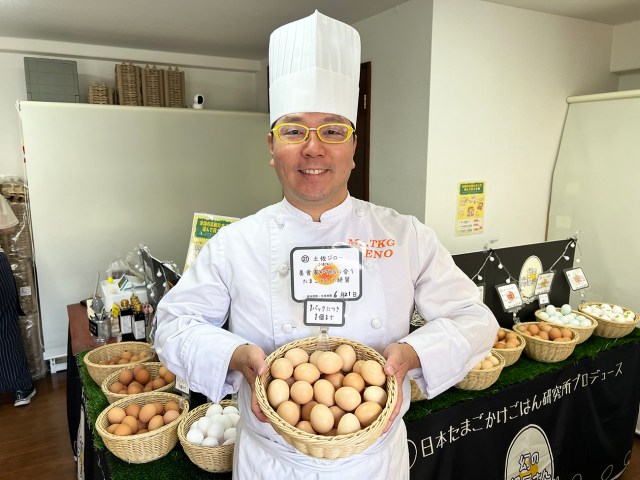
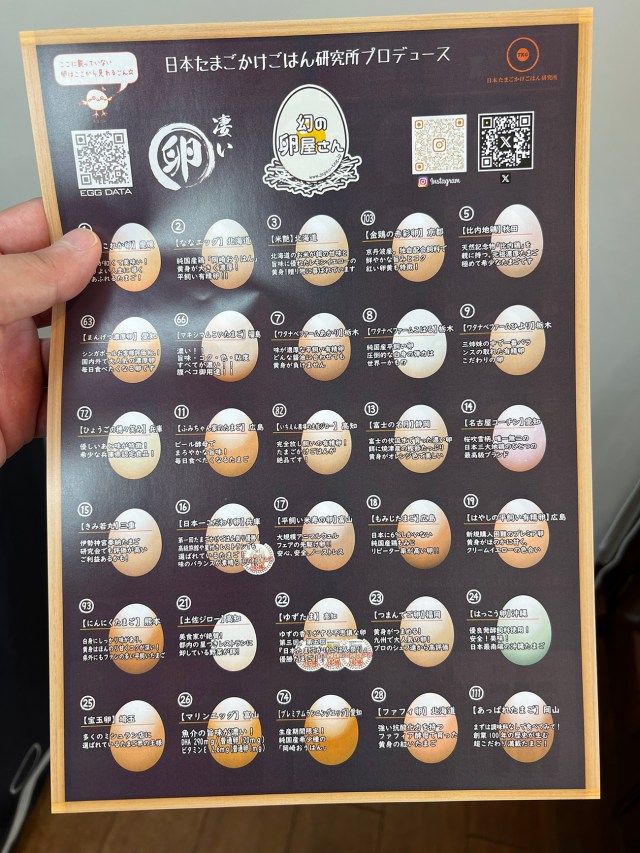
"We have roughly 130 different brand eggs currently registered in our database," the proprietor explained. "At any given time, we rotate between 70 and 100 varieties on our shelves."
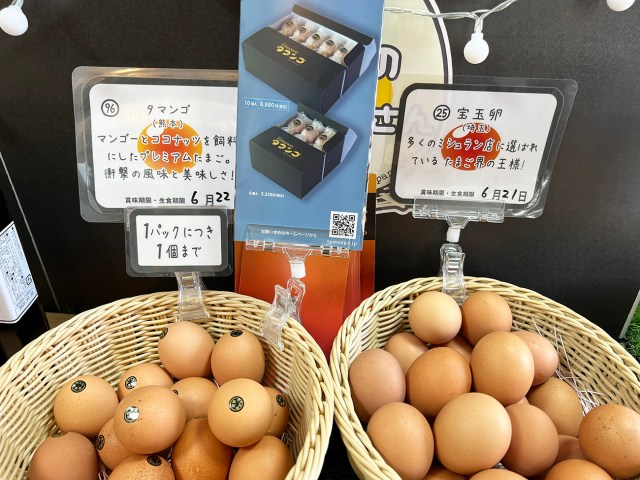
The process of selection is rigorous. The store employs a strict screening process, rejecting more applicants than they accept. This is not merely a retail outlet; it is a curated collection of agricultural excellence. Each egg represents a unique farming philosophy, ranging from the type of feed—which can include everything from tropical fruits to local grains—to the specific breed of chicken and the environment in which they are raised.

The Hierarchy of the Egg: Top Recommendations
During an exclusive interview, Mr. TKG provided a breakdown of the three most significant varieties currently in stock, each representing a different facet of the egg-eating experience.
1. The "Tamango": A Tropical Experiment
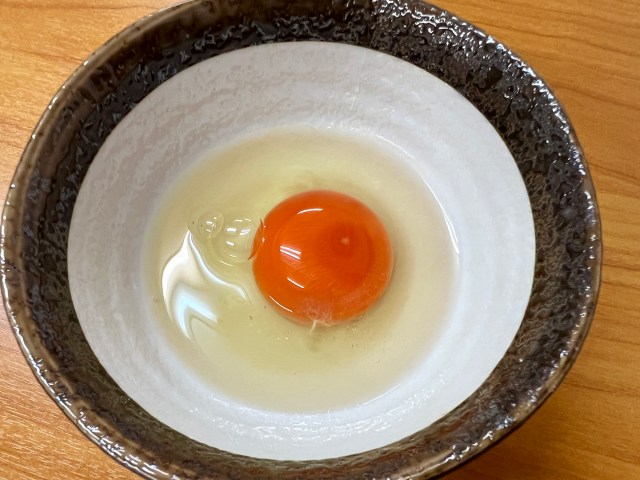
At a staggering 880 yen (approximately $5.46 USD) per egg, the "Tamango" from Kumamoto is the crown jewel of the store’s inventory. Its name is a clever portmanteau of tamago (egg) and mango. The hens producing these eggs are raised on a specialized diet of mango and coconut. The result is an egg that possesses a remarkably rich, viscous yolk and a flavor profile that is distinct from anything else on the market. It is, by all accounts, a dessert-like experience in savory form.
2. "Kimi no Yoin": The Imperial Standard
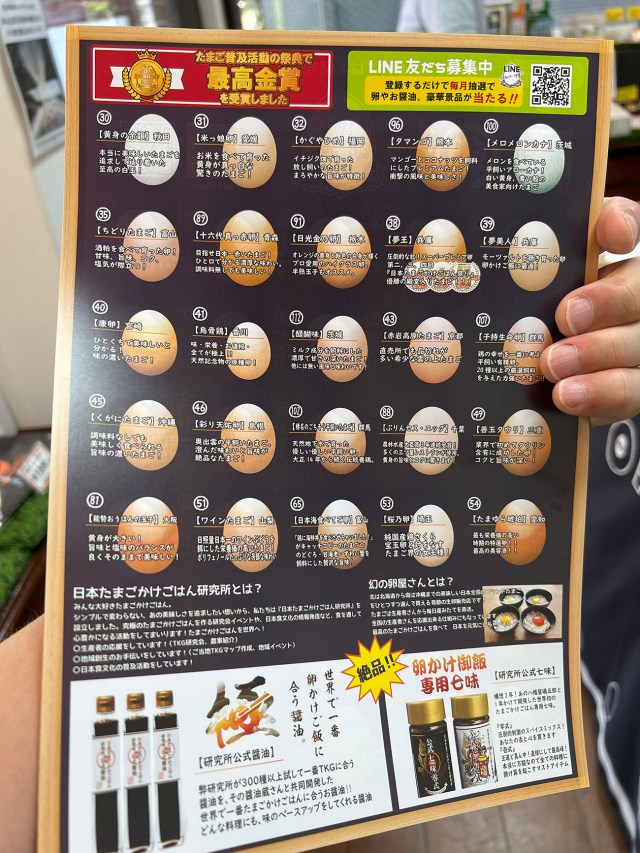
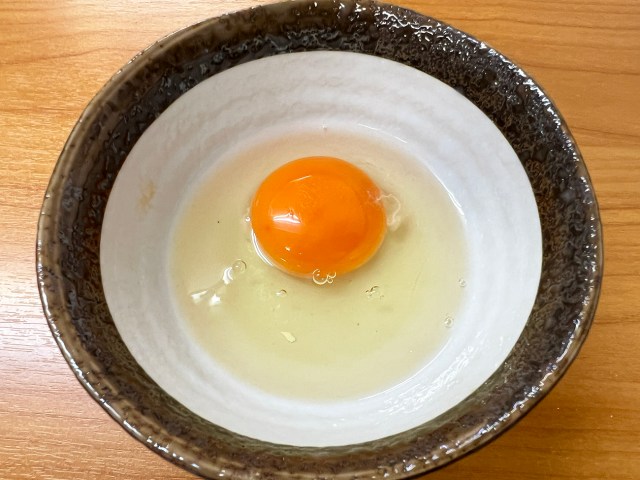
Hailing from Akita Prefecture, "Kimi no Yoin" is marketed as the "ultimate white egg." With a pedigree that includes being presented to the Imperial Household, it is a testament to traditional Japanese poultry farming. In contrast to the heavy, rich profile of the Tamango, the Kimi no Yoin offers a cleaner, more delicate mouthfeel, making it a favorite among purists who prefer their TKG to have a nuanced, lingering finish.
3. "Yumeou": The Hall of Fame Champion
No discussion of elite eggs in Japan is complete without mentioning "Yumeou." Having claimed the top prize at the Japan TKG Festival for three consecutive years (the 2nd, 3rd, and 4th editions), it has been inducted into the event’s Hall of Fame. It is the gold standard of consistency, balance, and flavor intensity.
Beyond the Big Three: The Diversity of Production
The store’s inventory extends far beyond these three titans. Our reporter noted the presence of:
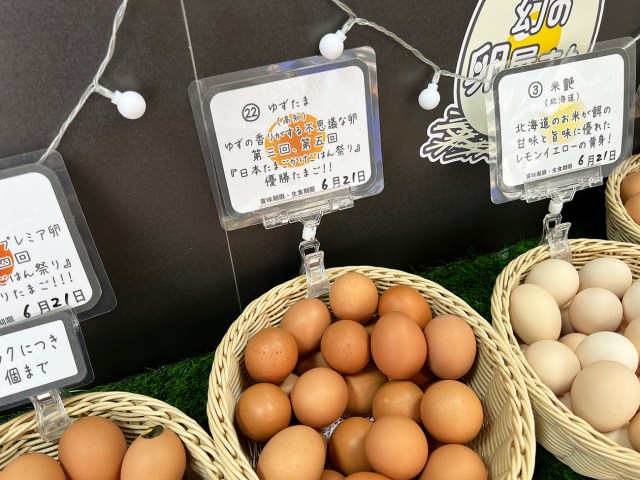
- Yuzutama (Kochi Prefecture): A unique variety prized for the faint, citrusy yuzu aroma infused into the yolk through the chicken’s diet. It is particularly popular for its refreshing aftertaste.
- Tosa Jiro (Kochi Prefecture): A breed highly regarded by professional chefs for its perfect balance of yolk-to-white ratio, specifically for those who prefer a "creamy" TKG.
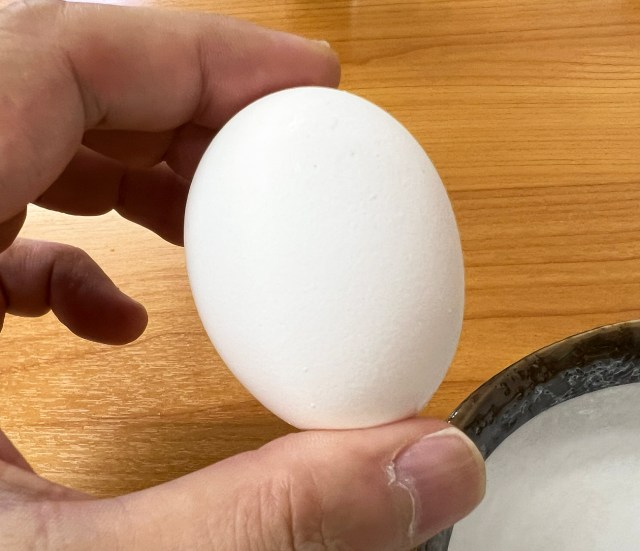
- Hakkou (Okinawa): Easily identified by its striking, bluish-tinted shell, representing the vast regional differences in Japanese poultry farming.
The "Build-Your-Own" Experience
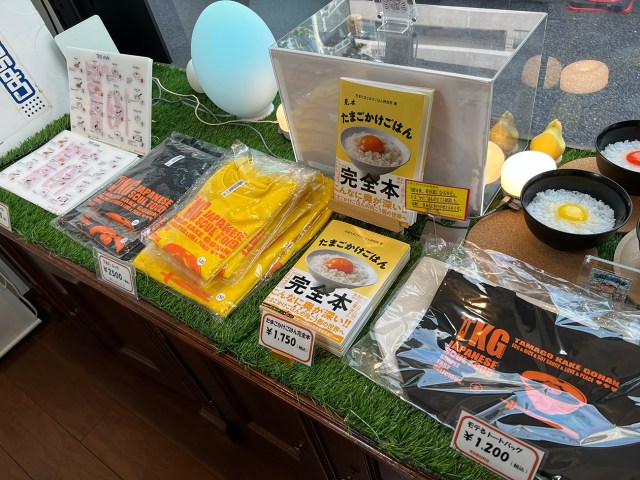
A significant part of the shop’s appeal is the interactive, customized shopping experience. Customers are not forced to buy pre-packaged cartons. Instead, they are provided with a selection card and allowed to choose their own six-egg assortment for 1,000 yen.
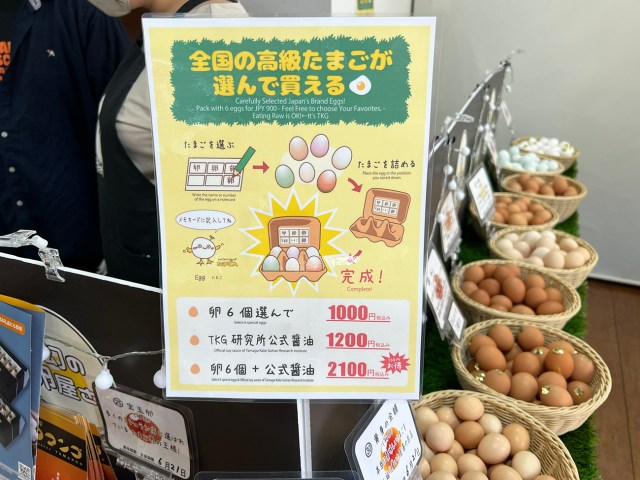
This model encourages experimentation. By allowing customers to mix a rich Tamango with a delicate Kimi no Yoin, the shop creates a sensory laboratory. For the average consumer, this provides a low-barrier, high-reward entry point into the world of luxury agricultural products.

Implications for the Future of Food Retail
The existence of Gen no Tamagoya signals a shift in urban consumer habits. In a city like Tokyo, where mass-produced goods are the norm, there is a growing, localized movement toward "traceable" ingredients.
The implications of this store are twofold:
- Economic Sustainability for Farmers: By providing a direct retail channel, the shop allows farmers in remote regions—from the tropical farms of Okinawa to the mountainous regions of Aomori—to bypass traditional middleman wholesalers. This ensures a higher profit margin for the producer and a fresher product for the consumer.
- Culinary Education: The shop serves as a hub for the "TKG culture." Through pamphlets, staff consultations, and the sheer variety of products, the store is educating a new generation of foodies on the importance of terroir—the concept that the environment, feed, and breed significantly impact the final flavor of an ingredient.
Conclusion: A New Standard for the Breakfast Table
For the uninitiated, paying 880 yen for a single egg may seem like an absurdity. However, as the industry moves toward premiumization, the "Phantom Egg Shop" is proving that there is a market for quality over quantity.
When comparing the eggs side-by-side, the differences in viscosity, color, and mouthfeel are undeniable. Whether one prefers the heavy, decadent richness of a mango-fed yolk or the elegant, fluid grace of an imperial-grade white egg, the store offers a spectrum of flavors that turns a simple bowl of rice into a complex, gastronomic event.
For those planning to visit, the store is located in the heart of Bunkyo Ward at 5-72-1 Honkomagome. Note that the shop remains closed on Mondays and Tuesdays, respecting the labor-intensive nature of the supply chain. As Japan continues to refine its culinary identity, stores like Gen no Tamagoya serve as a reminder that even the simplest ingredients, when handled with enough care and respect, can be transformed into something truly extraordinary.


 Neng Nana
 Asro
Asro