Nana Muazin
The comic book industry is no stranger to the intersection of high art and pulp narrative, but few upcoming projects promise to dismantle the commodification of creativity with as much visceral intensity as The Patron. Hailing from Ignition Press, the new series marks a significant creative milestone for writer Christian Ward and illustrator John J. Pearson. As the title approaches its Final Order Cutoff (FOC), industry anticipation has reached a fever pitch, driven by a premise that is as cynical as it is grounded in the grim realities of the art market.
The Genesis of a High-Stakes Thriller
Christian Ward, a luminary in the modern comic landscape, has spent the last several years cementing his reputation not just as a visionary artist, but as a master of atmospheric, high-concept writing. His recent tenure at DC Comics, particularly on the critically acclaimed Batman: City of Madness and Two-Face, demonstrated a unique ability to weave cosmic horror into the fabric of established mythos. However, The Patron represents a return to his roots as a creator-owned storyteller. It is his first original project in four years, following the success of the vampire-crime series Blood Stained Teeth.
The spark for the series, according to Ward, was born from a moment of dark serendipity. While sharing a meal in Harrogate, England, years ago, John J. Pearson shared an anecdote about an art collector who had jokingly suggested that the value of Pearson’s work would skyrocket only after he had passed away.
For many artists, this is a gallows-humor trope—a dark, distant reality they choose to ignore. For Ward and Pearson, it became the foundation of a narrative. They envisioned a world where this morbid observation is not a passive observation of the market, but an active, blood-drenched business model.
A Chronology of a Murderous Empire
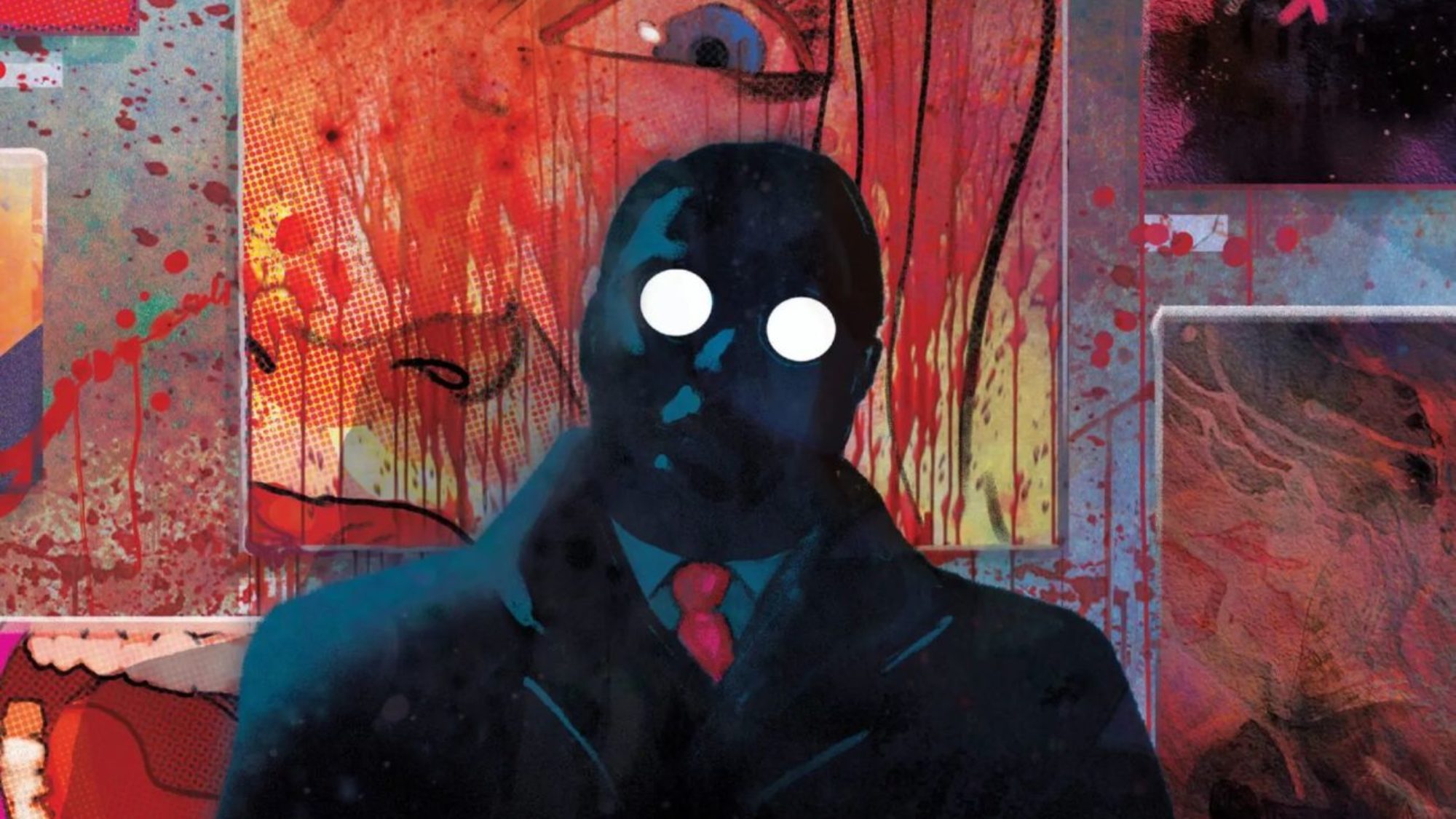
The narrative of The Patron centers on Mr. Cherish, a figure who operates as both a sophisticated benefactor and a serial killer. To the public eye, Cherish is a visionary scout, plucking emerging artists from obscurity and catapulting them into the stratosphere of the global art market. He provides the resources, the connections, and the platform required for success.
However, the "secret sauce" of Cherish’s success is the systematic elimination of his protégés. By engineering "spectacular tragedies" for these young creators, Cherish ensures that their bodies of work are instantly transformed into finite, posthumous treasures. In the cold, unfeeling world of fine art, scarcity drives value. Cherish understands this better than anyone, refining his methodology to ensure that he can harvest the fame of his victims without leaving a trail of evidence.
The conflict of the series ignites when Cherish sets his sights on Matty Barnes, a painter whose work is destined for greatness. But as Cherish moves to finalize his latest "investment," the script is flipped. Barnes, discovering the truth behind his benefactor’s philanthropy, turns the tables, putting the entire murderous fine art empire at risk.
The Mechanics of Art: A Painterly Approach
One of the most ambitious aspects of The Patron is the commitment to its aesthetic premise. John J. Pearson, who garnered significant acclaim for his work on The Department of Truth and The Infernals, is not merely drawing the comic; he is actively "curating" the art within it.
To authentically portray the diverse victims of Mr. Cherish, Pearson is hand-painting every piece of fine art featured in the book. By shifting his own stylistic approach to mirror the unique sensibilities of each fictional artist within the story, Pearson is creating a meta-narrative layer that few comics have ever attempted. This laborious, painstaking process is designed to elevate the visual experience, potentially positioning Pearson for a second Eisner Award. His previous win in 2021 for Blue In Green—a book similarly obsessed with the cost of artistic genius—serves as a testament to his ability to blend traditional fine art techniques with the sequential storytelling of the comic medium.
Supporting Data: The Reality Behind the Fiction
While The Patron is a work of fiction, its premise is deeply rooted in the history of the art market. The trope of the "dead artist" becoming more valuable is a well-documented phenomenon that has seen extreme real-world examples in the 21st century.
The most notable recent case is that of Matthew Wong. Following his passing in 2019 at the age of 35, his works—which previously traded in the tens of thousands—experienced a meteoric rise, with auction prices reaching millions of dollars. Similarly, the 2015 death of Noah Davis at 32 triggered a massive revaluation of his paintings. These are not anomalies; they are part of a cycle that includes legends like Jean-Michel Basquiat and Keith Haring, whose estates and individual works continue to be the cornerstones of global art commerce.
Ward and Pearson are essentially holding a mirror to the art world, asking a uncomfortable question: When a collector values a painting more because the artist can no longer produce it, are they actually supporting art, or are they merely consuming the tragedy of the creator?
Official Endorsements and Industry Momentum
As the series approaches its Final Order Cutoff (FOC), the buzz surrounding the project has reached a critical mass. On social media, the creators have been joined by an impressive coalition of peers. Notable comic writers Si Spurrier and Rob Williams have publicly lauded the project, highlighting the creative synergy between Ward and Pearson.
Perhaps most unexpectedly, actor and writer David Dastmalchian—widely recognized for his work in the DC Cinematic Universe and his own horror-tinged projects—has thrown his support behind the book. His public recommendation has acted as a catalyst, encouraging fans to place pre-orders and ensure their local comic shops are stocked.
The first issue also features an incentive cover by Eisner Award-winner Anand RK, whose involvement reinforces the high-brow, fine-art pedigree of the project. The publisher, Ignition Press, has signaled that they are backing the title with a robust release strategy, including a planned series of variant covers featuring contributions from both Ward and Pearson, further emphasizing the "art as product" theme the story explores.
Implications for the Future of Creator-Owned Comics
The Patron arrives at a time when the comic book industry is increasingly focused on high-concept, creator-owned stories that push the boundaries of the medium. The success of books like The Department of Truth and Blood Stained Teeth has proven that there is a hungry market for narratives that challenge the status quo.
By positioning the book at the intersection of "fine art" and "bloody thriller," Ward and Pearson are not just telling a story; they are making a statement about their own industry. The comic acts as a critique of the machinery that sustains creators—the editors, the publishers, the patrons, and the fans—who all participate in the life cycle of a comic book.
For readers, the implications are clear: The Patron is not just a standard monthly release. It is a dense, multilayered experience that demands to be read as both a narrative and an artistic object. As the FOC date approaches, the urgency of the release is palpable. For those interested in the darker, more introspective side of the industry, The Patron represents a rare opportunity to see two of the medium’s most talented creators operating at the peak of their collaborative powers.
The, the question remains: When the final page of the series is turned, will the reader have been entertained, or will they, like Mr. Cherish, find themselves complicit in the sacrifice of the artist? The answer lies in the ink and paint of the upcoming debut. Pre-orders are essential for those looking to secure a copy, as the high-concept nature and prestige-level art suggest this will be one of the most talked-about books of the coming season.

 Sagoh
Sagoh
 Ammar Sabilarrohman