Neng Nana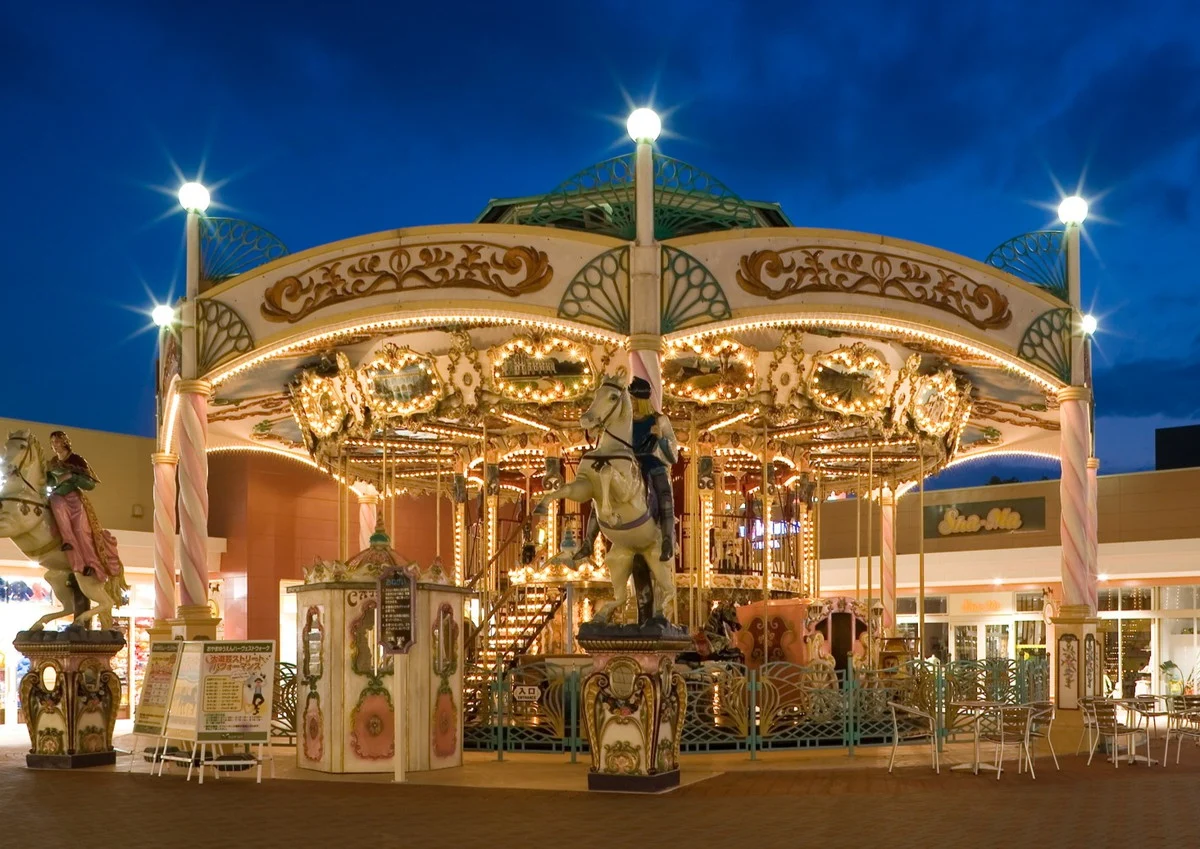
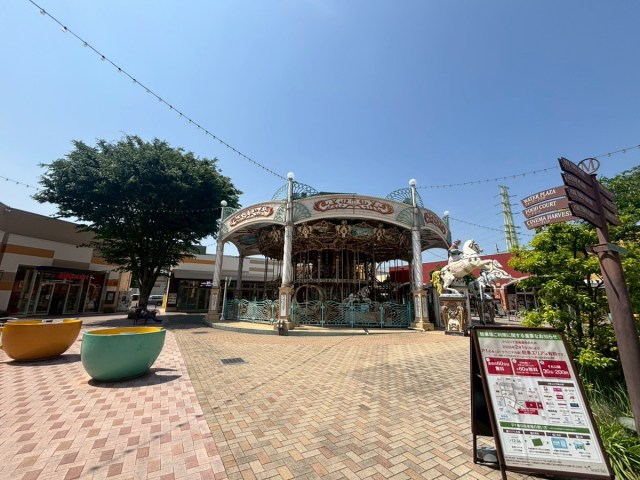
In the rapidly modernizing landscape of Japan, where aging infrastructure is frequently razed to make room for high-efficiency retail complexes, the story of the Oyama Yuen Harvest Walk in Tochigi Prefecture stands as a rare, heartwarming exception. At the heart of this sprawling shopping center sits a magnificent, two-story, hand-painted carousel—a relic of the defunct Oyama Amusement Park that once occupied the same grounds.
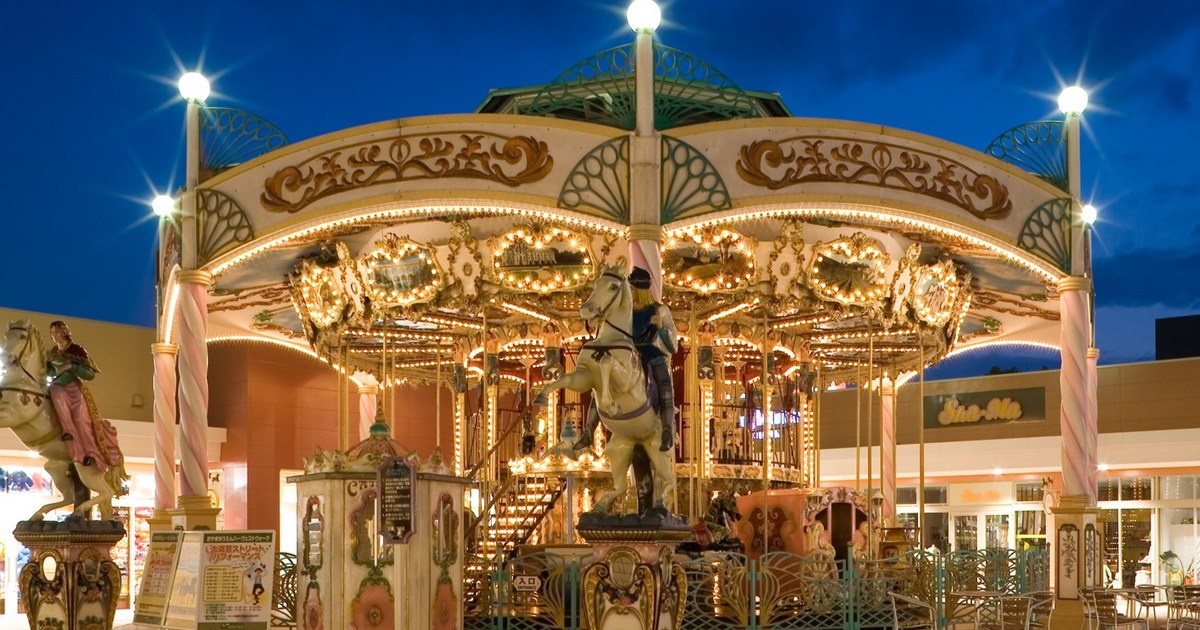
For the modern traveler, this ride is more than just a nostalgic photo opportunity; it is a functioning piece of living history. As our reporter Natsuno Futon discovered during a recent visit, the carousel remains a beacon of joy, offering an experience that transcends the commercial nature of its surroundings and serves as a vital bridge to the past.

The Legacy of "Oyama Yuenchi"
To understand the significance of the merry-go-round, one must first appreciate the history of the ground it stands on. From 1960 until its closure in 2005, the Oyama Amusement Park—affectionately known by locals as "Oyama Yuenchi"—was a cornerstone of entertainment in the Kanto region. For 55 years, it provided a backdrop for the childhood memories of generations of Tochigi residents.

When the park shuttered its gates in 2005, it marked the end of an era. The subsequent demolition of the park’s iconic coasters and carnival games signaled the inevitable march of progress. However, developers and local officials made a conscious, commendable decision to preserve the carousel. Today, it remains the centerpiece of the "Merry Go-Round Town" section of the Harvest Walk, standing as a defiant and beautiful reminder of the laughter and wonder that once filled the space.
A Chronology of Continuity
The survival of this ride is nothing short of a miracle in the world of mechanical maintenance.
- 1960: The Oyama Amusement Park officially opens, quickly becoming a premier destination for families in Tochigi.
- 2005: After 55 years of operation, the park closes its doors, leaving a void in the local community.
- 2007: The site is repurposed as "Oyama Yuen Harvest Walk," a modern open-air shopping complex. The decision is finalized to retain and restore the original carousel.
- 2007–Present: The carousel is integrated into the architectural design of the new facility, serving as a functional, year-round attraction rather than a static display.
More than two decades after the original park ceased operations, the ride continues to run with surprising mechanical integrity. This longevity is a testament to the high-quality craftsmanship of its original manufacturers and the meticulous care provided by the current maintenance staff at the Harvest Walk, who treat the machine not as an old relic, but as a living piece of art.

The Experience: Beyond the Traditional Carousel
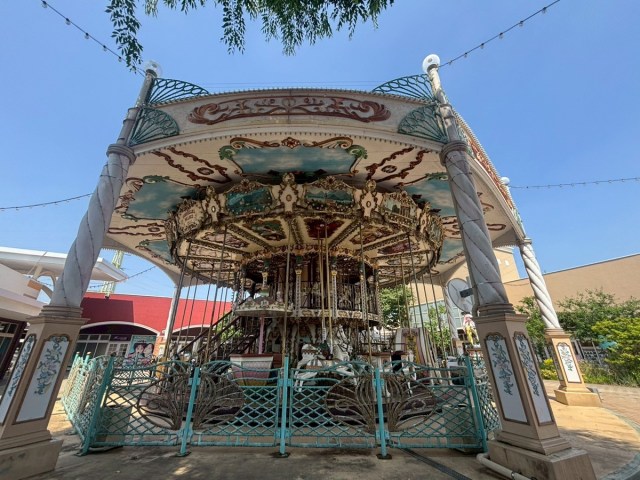
When Natsuno Futon stepped onto the platform, her initial expectation of a "standard" ride was quickly dismantled. Unlike modern, mass-produced carousels that rely on simple fiberglass horses, the Oyama Yuen carousel is an intricate, hand-crafted wonder.
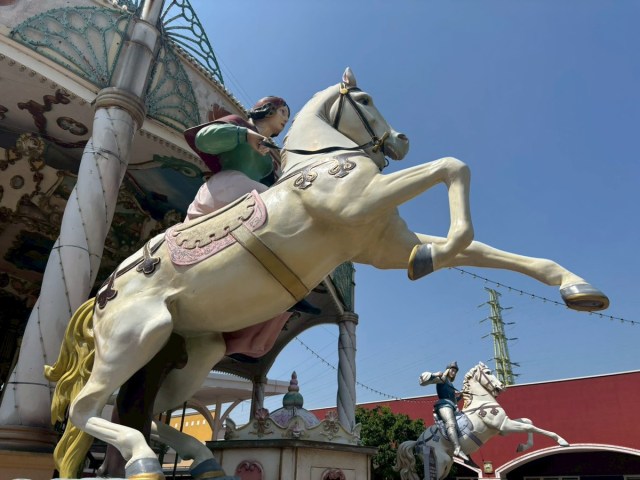
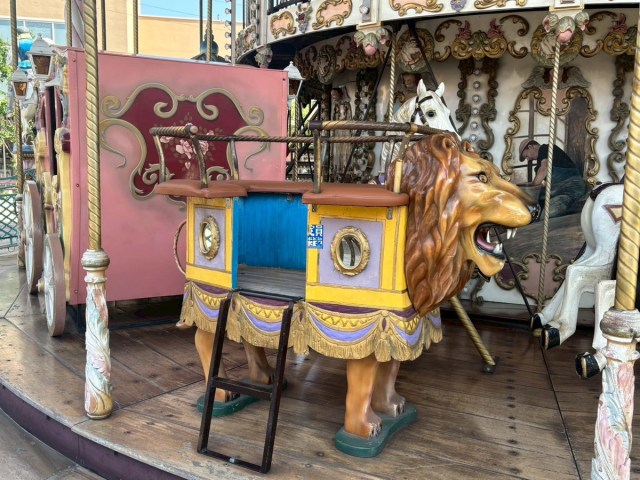
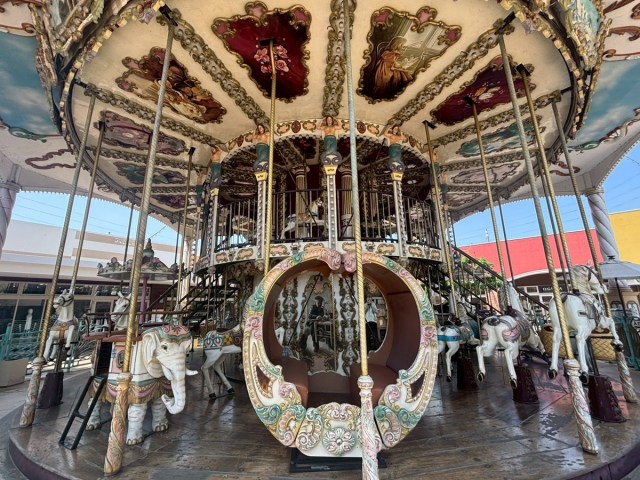
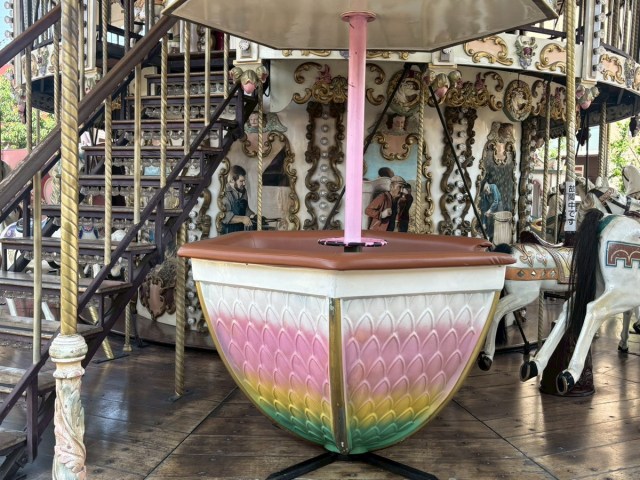
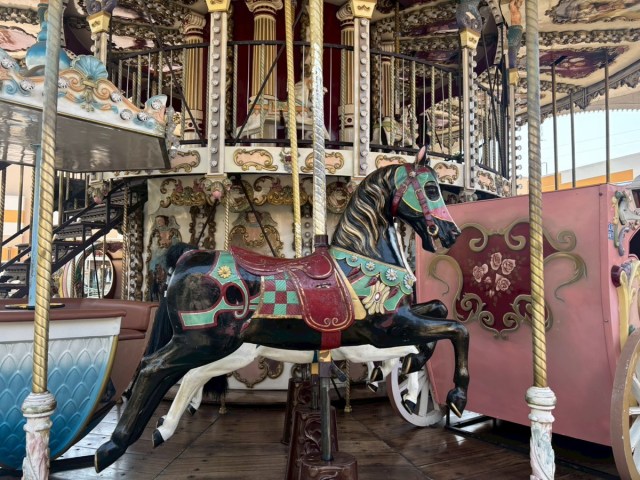
The ride features a diverse array of mounts, including majestic lions and charming donkeys that appear to nod as the ride rotates. The "carriage" seats offer a more sedate, rocking experience, while the teacup-style seats provide a dynamic, spinning thrill that surprised even our seasoned reporter.
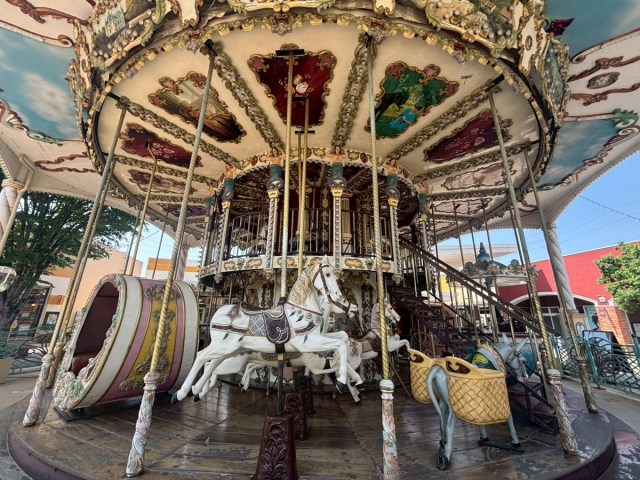
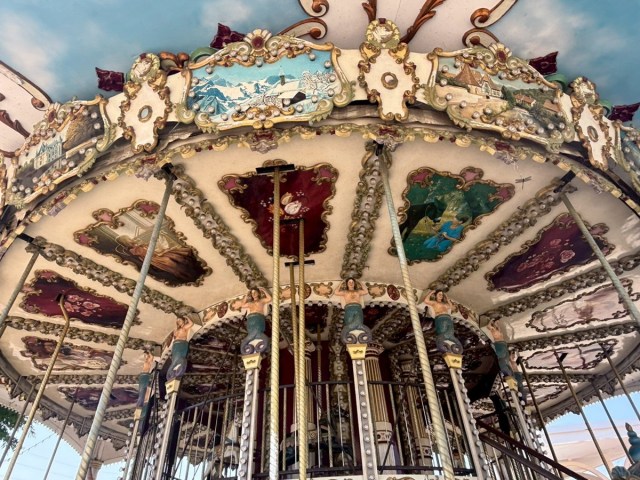
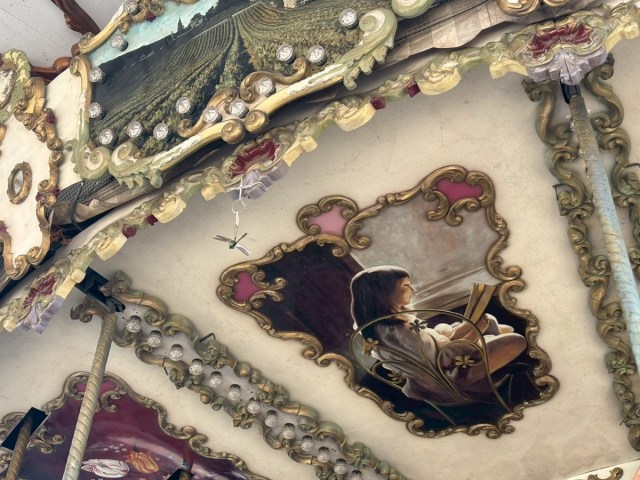
The attention to detail is staggering. The overhead panels feature bucolic, hand-painted scenes that evoke a sense of European fairy tales. Keen-eyed riders can even spot small, whimsical charms, such as metal dragonflies suspended from the canopy. The horses, with their intricate saddles and flowing tails, carry a gravitas that only decades of use can bestow.
Economic Accessibility: A Rare Gift
In an era where theme park tickets and "express pass" add-ons have turned family outings into a luxury expense, the accessibility of the Oyama Yuen carousel is a breath of fresh air.

On weekdays, the ride is completely free of charge. This policy transforms the attraction from a commercial endeavor into a public service, encouraging families to visit the shopping center not just to consume, but to engage in play. During weekends and public holidays, the pricing remains remarkably modest: 300 yen (approx. US$2) for adults and 200 yen for children aged three and over.

This pricing strategy has profound implications for the local community. It democratizes the experience, ensuring that parents from all walks of life can treat their children to the same magical experience they might have had at the original park decades ago.
Operational Details
For those looking to experience this piece of history, the carousel operates with a predictable, user-friendly schedule:
- Weekdays: 11:00 a.m. – 12:00 p.m. / 1:00 p.m. – 6:00 p.m. (Note the hour-long midday maintenance break).
- Weekends & Public Holidays: 10:00 a.m. – 7:00 p.m.
The carousel operates on a cycle of four times per hour, allowing for a steady flow of visitors without the crushing, soul-sucking wait times typical of major Tokyo-based attractions. As night falls, the ride undergoes a transformation; the thousands of lights lining the structure flicker to life, turning the area into a glowing, ethereal landscape that feels entirely disconnected from the surrounding retail stores.

Implications for Heritage Preservation
The survival of the Oyama Yuen carousel offers a compelling case study for urban planners and developers. Often, the "new" is seen as the enemy of the "old." However, the Harvest Walk model demonstrates that integrating historical elements can actually increase the value and appeal of a new development.
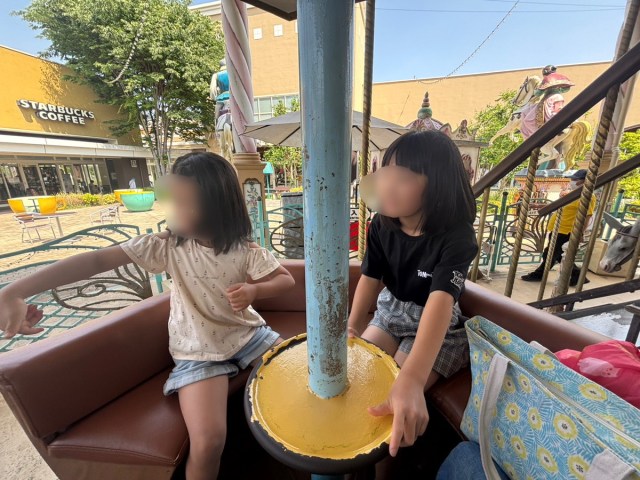
By anchoring the shopping center with this ride, the developers have created a "sense of place"—a psychological anchor that gives the modern complex a soul. It serves as a generational bridge; grandparents who rode the carousel in the 1970s can now bring their grandchildren to ride the very same horses. This continuity fosters a sense of local pride and communal identity that a generic, steel-and-glass mall could never hope to achieve.
Furthermore, the "under-the-radar" status of this attraction protects it. While major tourist traps are often overwhelmed by the influx of social-media-driven tourism, the Oyama Yuen carousel maintains a peaceful, intimate atmosphere. It is a space where one can actually hear the retro carnival music playing, smell the mechanical grease of the turning gears, and experience a genuine moment of childlike glee without the pressure of a crowd.

Conclusion: A Call to Visit
Natsuno’s final reflection on her experience was one of gratitude. "If a ride like this existed in a big city like Tokyo, the wait times and the crowds would totally detract from the true joy of the experience," she noted.
The Oyama Yuen carousel is a quiet, beautiful reminder that not everything from the past needs to be discarded. It is a testament to the power of preservation, the joy of simple, tactile play, and the enduring nature of childhood wonder. For anyone traveling through the Kanto region, a detour to Tochigi is well worth the effort. It is not merely a ride; it is an invitation to step off the treadmill of modern life and take a few turns in the company of ghosts, horses, and the echoes of a happier, simpler time.
Site Information:
- Location: Oyama Yuen Harvest Walk, 1475 Kizawa, Oyama-shi, Tochigi-ken.
- Website: harvestwalk.com
- Accessibility: Located a short distance from the main shopping areas, accessible via public transport or car from Oyama Station.



 Asro
Asro