Sagoh
Sagoh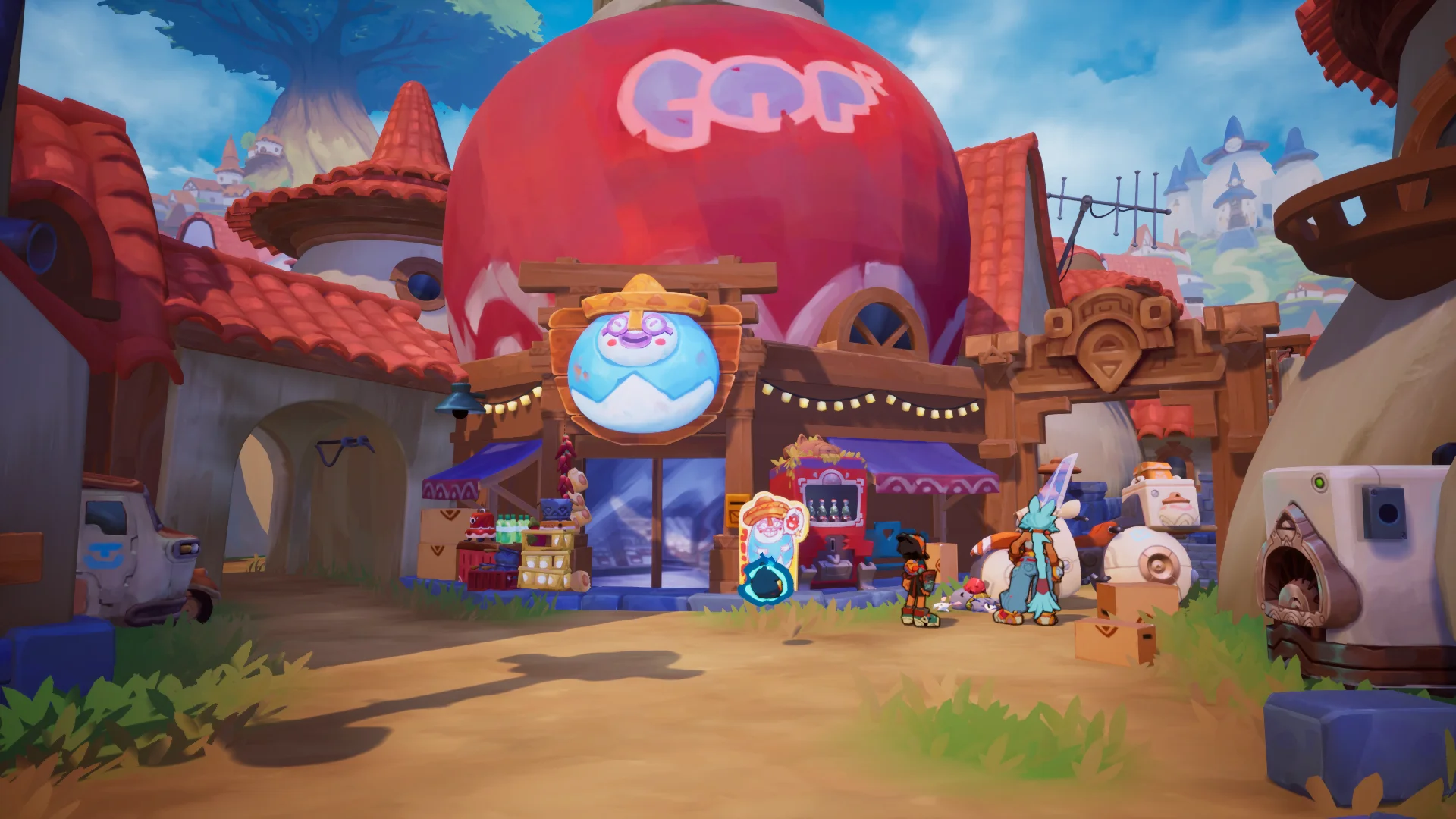
The modern gaming landscape is currently defined by the "Cozy Revolution." Following the seismic success of indie giants like Stardew Valley and the revitalized cultural relevance of heritage franchises such as Story of Seasons and Rune Factory, the farming simulation genre has ballooned into a powerhouse category. Today’s developers are no longer content with mere 2D pixel-art tributes; there is a concerted effort to evoke the charm of the PlayStation 2 era—an age of experimental, polygonal, and vibrant 3D worlds.
Town of Zoz, the latest release from Studio Pixanoh, arrives with the weight of these lofty expectations on its shoulders. It is a title that wears its inspirations—ranging from the whimsical charm of Dark Cloud 2 and Radiata Stories to the distinct, rich cultural tapestries of Central and South America—proudly on its sleeve. Yet, while Town of Zoz succeeds in crafting a breathtaking aesthetic presentation and a heartfelt, character-driven narrative, it serves as a cautionary tale: a beautiful shell cannot compensate for a hollow mechanical core.
The Narrative Foundation: A Tale of Fathers, Sons, and Spirits
At the heart of Town of Zoz is a surprisingly grounded story. The protagonist, Ito, returns to his hometown of Zoz after an extended period of self-imposed exile in the untamed wilds. He is not entirely alone; he is accompanied by Zee, a mystical spirit companion who serves as his primary tether to a world beyond the physical.
Upon his return, the emotional stakes are established with commendable clarity. His mother, Eeza, offers a warm, traditional welcome, but his father, Conki, is a different story. A hardened warrior who has spent his life protecting Zoz from the encroachment of unruly spirits, Conki views his son’s shamanistic connection to creatures like Zee with deep-seated suspicion.
This domestic friction forms the backbone of the player’s journey. The gameplay loop is framed by this father-son power dynamic: Conki is tasked with teaching Ito the traditional duties of their people, while Ito, feeling stifled by his father’s judgment, seeks to carve out his own identity. It is a classic "coming-of-age" trope, but one executed with a level of sincerity that elevates the game’s quieter moments. As the narrative progresses, the bond between the two men—and Ito’s evolving relationship with Zee—provides the necessary momentum to push players through the game’s more tedious stretches.
The Cultural Tapestry: Visuals and Audio
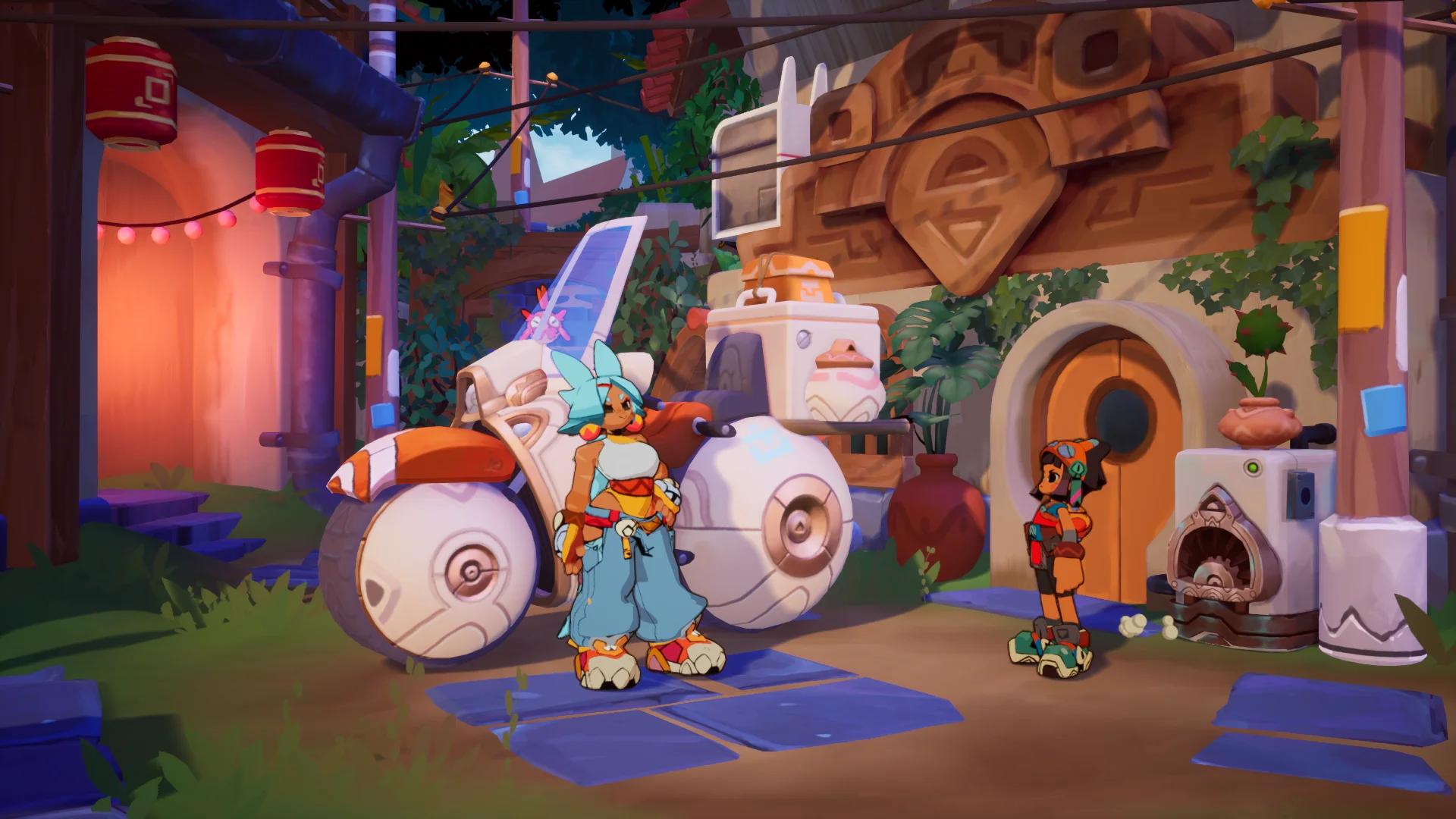
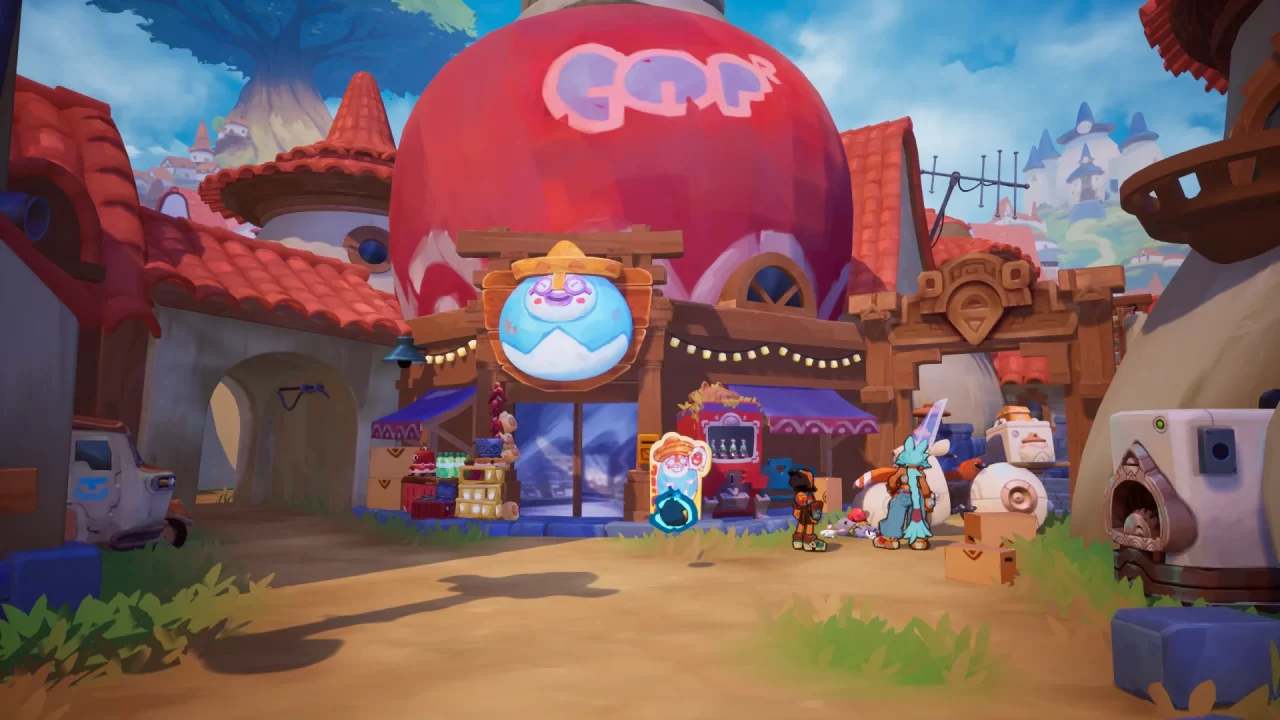
If Town of Zoz were judged solely on its artistic merit, it would be an undisputed masterpiece. Studio Pixanoh has clearly invested significant effort into creating a world that feels both culturally authentic and distinctively fantastical. The character designs are a highlight, blending traditional Central American indigenous fashion with a contemporary, anime-inspired flair.
The cutscenes are particularly striking, utilizing hand-drawn animation that channels the expressive, high-energy aesthetic of Saturday morning cartoons. Even the in-engine visuals maintain a high level of polish; the vibrant, low-poly world feels like a love letter to Mega Man Legends, rendered with a modern, cell-shaded clarity that makes every street corner and field in Zoz feel lived-in and welcoming.
This visual identity is bolstered by a soundscape that eschews the standard "farming sim" MIDI tropes in favor of a robust, percussive, and melodic fusion of electronic and Latin American influences. The soundtrack does not merely accompany the gameplay; it builds the atmosphere, grounding the player in a location that feels genuinely unique.
The Disconnect: Where the Gameplay Stumbles
For all its aesthetic triumphs, Town of Zoz suffers from a fundamental misunderstanding of its own genre. While marketed alongside titles like Rune Factory—games known for a delicate, addictive balance between social simulation, farming, and dungeon crawling—Town of Zoz lacks that equilibrium.
The Shallow Harvest
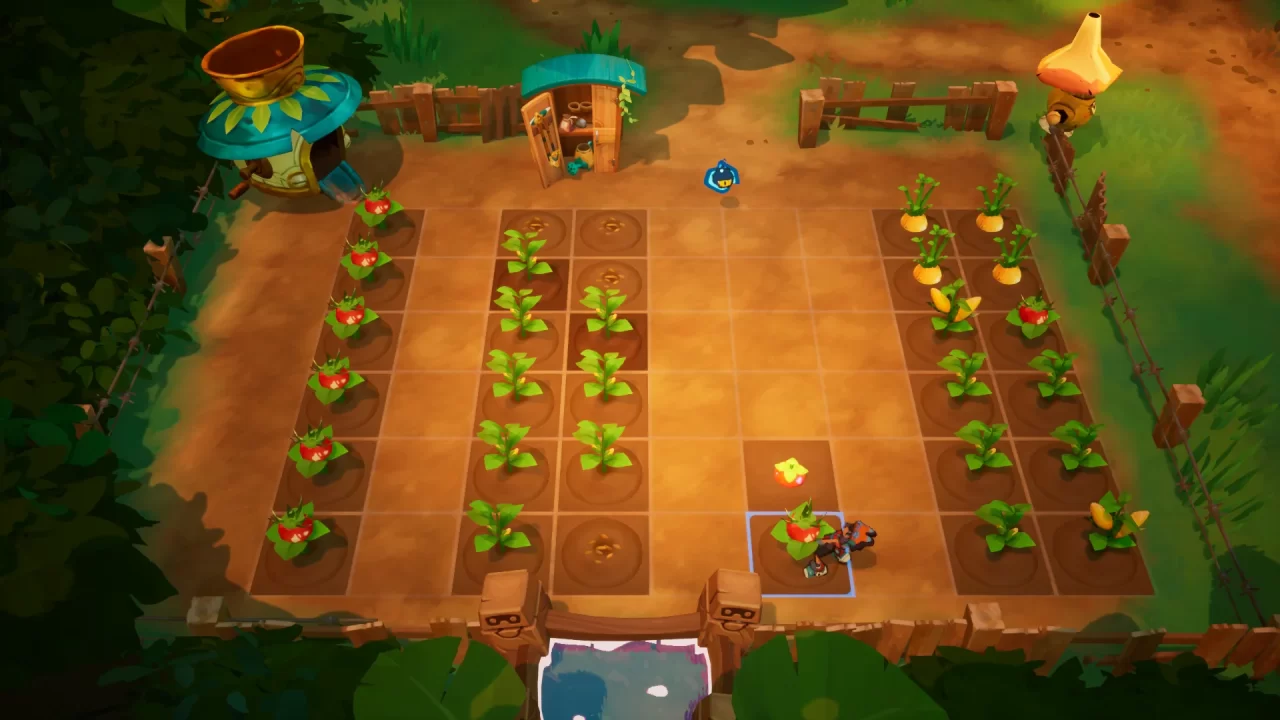
Farming, theoretically a core pillar of the game, is relegated to a superficial afterthought. Ito has a small plot of land near his home, but the act of farming involves little more than perfunctory daily watering. There is no seasonal calendar, no complex crop rotation, and no meaningful crafting system to incentivize the player to care about their yield. The stamina bar, a staple of the genre used to manage daily time-sinks, is entirely irrelevant outside of combat. Consequently, the "day-by-day" rhythm that defines the cozy gaming experience is entirely absent.
The Cooking Minigame
The cooking mechanics, which focus on traditional Central American cuisine, are similarly hollow. Utilizing a basic, repetitive quicktime-event minigame, cooking provides temporary buffs to Ito’s stats. However, due to restrictive story-gating, players are rarely given the freedom to experiment. For long stretches, the game forces the player into a specific narrative-mandated meal, effectively removing all agency. When the player finally is allowed to cook, the lack of depth makes the process feel more like a chore than a rewarding activity.
The Combat Conundrum: A Sluggish War of Attrition
The most significant failure of Town of Zoz lies in its combat. Despite the game spending 80–90% of its runtime in combat-heavy dungeons, the system is fundamentally broken.
- Fixed-Angle Frustration: Combat occurs from a locked, zoomed-out camera that makes tracking enemies difficult.
- Lack of Responsiveness: Ito’s basic machete combos are slow and cannot be canceled. Once a player commits to an attack, they are locked into that animation.
- Defensive Failures: The dash mechanic is notably sluggish and lacks invincibility frames. Trying to evade one attack often results in being caught by another, creating a situation where taking damage is essentially unavoidable.
- The "Damage Sponge" Problem: As the game enters its latter half and introduces "nightmare" enemies, the difficulty shifts from challenging to tedious. These enemies have massive health pools, and with no way to upgrade Ito’s damage output to match, the game devolves into a sluggish grind.
Because healing items are plentiful and there is no real penalty for using them, the "challenge" of combat disappears. The game doesn’t demand skill; it demands patience as the player mindlessly chugs potions to offset the poorly balanced enemy encounters.
Platforming and Technical Instability
The attempt to add variety through platforming and puzzles fails to land. The lack of a dedicated jump button, combined with a stamina-gated sprinting requirement, makes movement feel clumsy. Falling off a ledge simply because the stamina bar depleted mid-sprint is a frequent, frustrating occurrence.
Compounding these design flaws are severe technical issues. Frequent crashes, game-breaking bugs that cause softlocks, and inconsistent texture loading plague the experience. In its current state, Town of Zoz feels like an unfinished build, released to the public long before its performance issues could be ironed out.
Implications for the Genre
The rise of "cozy" games has created a massive market of players hungry for experiences that blend relaxation with meaningful progression. Town of Zoz serves as a stark reminder that style alone cannot sustain a long-form RPG. When developers ignore the fundamental "loop"—the satisfaction of planting, harvesting, and seeing the fruits of one’s labor reflected in a growing, thriving community—the genre loses its identity.
Studio Pixanoh has proven they possess a singular, beautiful artistic vision. They have built a world that people want to inhabit. However, until the technical bugs are resolved and the core gameplay is reworked to provide a more balanced, responsive, and rewarding experience, Town of Zoz remains a beautiful facade. It is a game that beckons the player with the promise of a vibrant summer vacation, only to leave them stranded in a stagnant, repetitive loop. For those seeking a true farming-RPG hybrid, there are far more competent destinations to explore.


 Asro
Asro
 Muslim