Layla Zulfa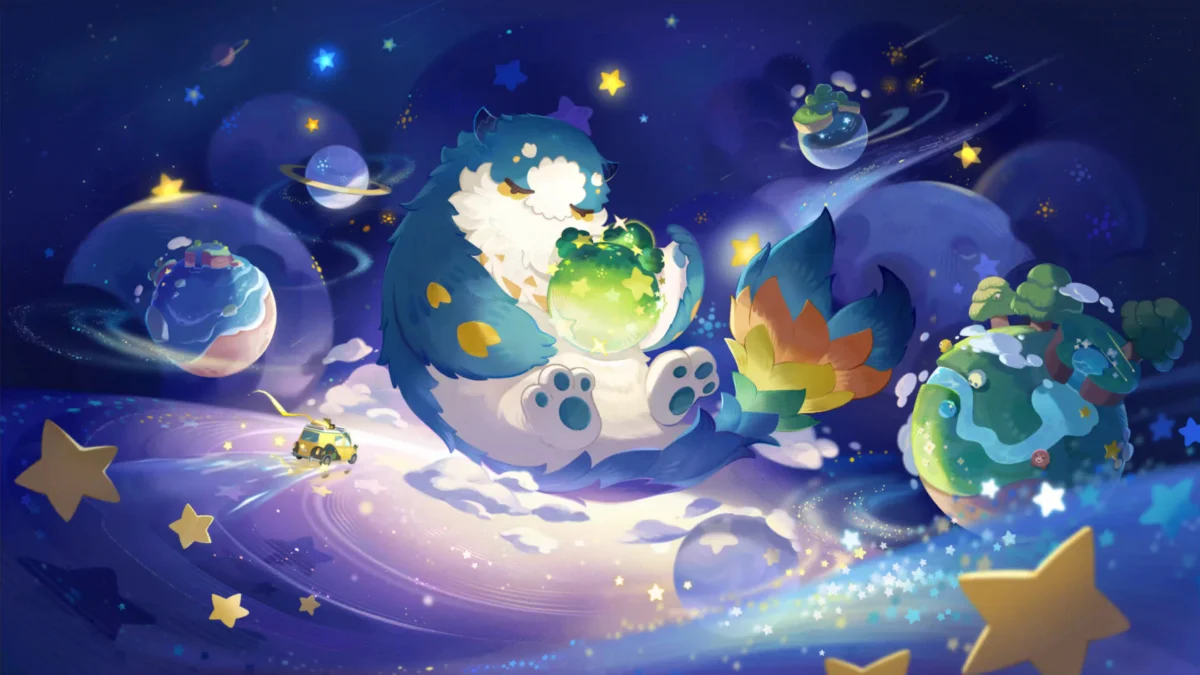
SHANGHAI, CHINA – HoYoverse, the global gaming titan renowned for its groundbreaking action RPGs like Genshin Impact and Honkai: Star Rail, is charting a new course, venturing into the tranquil yet competitive waters of the social simulation genre with its upcoming title, Petit Planet. Currently undergoing its second beta test, the game presents an appealing sci-fantasy aesthetic, transforming the familiar "desert island" trope into a vibrant "desert planet in space." However, early impressions suggest that while the visual polish is undeniable, Petit Planet struggles to introduce genuinely novel mechanics, largely adhering to a formula perfected by genre stalwart Animal Crossing.
The gaming landscape of the 2020s has been significantly shaped by the enduring appeal of social simulators, a trend arguably reaching its zenith with the release of Animal Crossing: New Horizons. This title, which offered solace and connection during global lockdowns, left an indelible mark, inspiring a multitude of developers to craft their own interpretations. From Heartopia to Pokopia and even re-imagined IPs like Tomodachi Life, the influence of Nintendo’s whimsical life sim is pervasive. Petit Planet, by HoYoverse’s own tacit admission, is the latest entry in this burgeoning subgenre, a deliberate embrace of a proven, beloved formula.
A Familiar Formula: The Allure of Desert Island Social Sims
The immediate and striking comparison between Petit Planet and Animal Crossing is hardly surprising. When news of HoYoverse’s venture into a social sim first surfaced years ago, the parallels were drawn instantly. The studio, known for its strategic silence on such comparisons, has done little to actively distance Petit Planet from these inevitable associations. This approach mirrors their earlier strategy with Genshin Impact, which, in its nascent stages, was frequently likened to The Legend of Zelda: Breath of the Wild. While Genshin Impact eventually forged its own distinct identity as a party-based action RPG, the question remains whether Petit Planet will achieve similar differentiation or settle into the comfortable role of a polished homage.
The phenomenon of "AC-likes" dominating the 2020s gaming scene speaks volumes about the genre’s broad appeal. Players crave escapism, creativity, and gentle progression, elements that social sims provide in abundance. These games often involve tasks such as resource gathering, crafting, decorating, and fostering relationships with quirky, anthropomorphic neighbours. Petit Planet clearly aims to tap into this desire, offering a tranquil experience centered around community building and exploration on miniature celestial bodies.
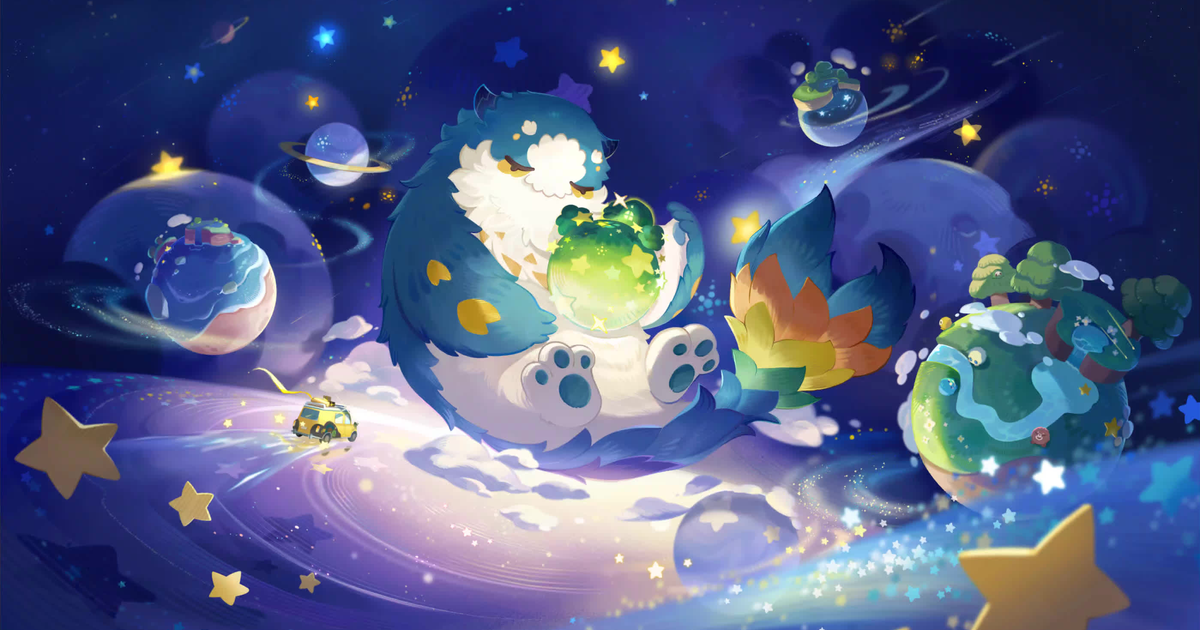
The core differentiator for Petit Planet, at least aesthetically, is its "sci-fantasy paint job." Instead of a tropical island, players find themselves on a small, spherical desert planet, replete with cosmic vistas and potentially unique flora and fauna. The image accompanying the game’s announcement, featuring "a large fluffy blue-and-white animal of indeterminate species cradling a green planet," hints at a charming, whimsical universe. This shift from terrestrial to celestial offers a fresh visual backdrop, but whether this cosmetic change translates into genuinely innovative gameplay mechanics remains a central point of contention for veteran players of the genre.
HoYoverse’s track record with Genshin Impact offers a compelling precedent. While heavily inspired by Breath of the Wild‘s open-world exploration and environmental puzzles, Genshin carved its niche through a robust gacha system, a diverse cast of characters, and a unique elemental combat system that diverged significantly from Nintendo’s action-adventure template. By 2026, reducing Genshin Impact to a mere BOTW clone would be a mischaracterization. The challenge for Petit Planet is to achieve a similar level of distinctiveness. Without a clear mechanical innovation, its appealing sci-fantasy wrapper might not be enough to elevate it beyond being a highly polished, albeit familiar, social sim experience.
Gameplay Mechanics and Design Philosophy
Delving into the beta experience, Petit Planet showcases a gameplay loop that is undeniably "cute and relaxing." Players engage in activities instantly recognizable to any Animal Crossing enthusiast. Shaking "faintly apple-looking plums from a rather familiar tree," catching "fish and insects and deliver[ing] them to a kindly and cultured anthropomorphic animal who displays them in his vivarium" – these actions resonate strongly with the core tenets of Nintendo’s franchise. Even the task of helping an "energetic little monkey organise the settlement’s resources" evokes the industriousness of Animal Crossing‘s beloved secondary characters.
The design philosophy behind Petit Planet appears to lean heavily on comfort and familiarity. For players well-versed in the life/social/farming sim trifecta, the game offers an intuitive and immediately enjoyable experience. The minute-to-minute gameplay is engaging, providing the soothing rhythm of resource management, community interaction, and creative expression that defines the genre. A screenshot showing a player’s avatar discussing "tomato growing with small red panda girl Yunguo in a cliffside field" exemplifies the gentle, nurturing interactions at the heart of the game.

However, this adherence to established norms also forms the crux of the critique: a perceived lack of genuine innovation. While the visual aesthetic is fresh, the underlying mechanics seem to be a direct translation of existing ideas into a new skin. The question for players, particularly those who have invested hundreds of hours into games like Animal Crossing: New Horizons, is what Petit Planet offers that isn’t already available or done equally well elsewhere. The comfort of familiarity is a strong draw, but in a saturated market, a game needs a compelling reason for players to abandon their established digital homes and embark on a new, largely similar, journey. For a studio celebrated for its intricate combat systems and expansive worlds, this straightforward approach to a new genre is both a testament to their versatility and a point of potential concern regarding creative ambition.
Navigating a Crowded Galaxy: Competition in the Life Sim Genre
The social simulation genre is far from barren; it’s a bustling galaxy teeming with established constellations and rising stars. The classic trio of The Sims, Animal Crossing, and Harvest Moon have continuously inspired and cross-pollinated, giving rise to countless spiritual successors and genre hybrids. Titles like Stardew Valley, which redefined what an indie farming sim could achieve, have cemented the idea that there is ample room for diverse interpretations within the genre. The question for Petit Planet is not whether it can exist, but whether it can thrive and establish a unique identity amidst such formidable company.
One of Petit Planet‘s most direct contemporary rivals appears to be Heartopia, a charmingly "playdough-y gacha social sim" that shares similar demographic targets and genre inspirations. Heartopia currently boasts a significant advantage: global availability since January. In contrast, HoYoverse remains tight-lipped about Petit Planet‘s definitive release window, leaving potential players in a state of anticipation. More critically, Heartopia presents a clear Unique Selling Proposition (USP): its town is populated by other players, transforming the social sim into a genuinely multiplayer experience. This fundamental difference offers a distinct reason to engage, fostering a dynamic and unpredictable social environment that single-player focused titles struggle to replicate.
Petit Planet, for all its visual charm, has yet to articulate a similarly compelling USP beyond its appealing sci-fantasy aesthetic. While the "desert planet in space" concept is undeniably cute and provides a refreshing visual departure, the underlying gameplay loop remains deeply rooted in Animal Crossing‘s traditions. This makes it challenging for Petit Planet to distinguish itself from the myriad of options already available to dedicated life sim fans. For players who have already sunk "100+ hours" into Heartopia or "900-hour[s]" into their ACNH islands, the prospect of starting fresh in a largely analogous experience requires a powerful incentive. The sheer investment of time and emotional connection players develop with their digital communities means that any new entrant must offer a truly disruptive or uniquely captivating proposition to warrant a full commitment. Without it, Petit Planet risks being a pleasant, but ultimately fleeting, diversion.

The Generative AI Conundrum: Transparency and Innovation
Perhaps the most contentious aspect surrounding Petit Planet and, indeed, HoYoverse’s broader development strategy, is the explicit integration of generative AI. The studio has made no secret of its commitment to this technology, and Petit Planet reportedly includes disclosures flagging AI-generated content within the beta. While this transparency is a step beyond many developers, it still leaves a "frustrating opacity" regarding the specifics of its implementation. The article notes that "so far I’ve seen nothing that couldn’t have been sensibly developed using an SLM trained on HoYo’s own in-house data," suggesting a less egregious application, yet the lack of explicit detail leaves room for speculation about the true scope and source of the AI’s training data.
The critique intensifies when observing the practical outcome of this AI integration, particularly in NPC dialogue. The author notes that NPCs are "conversing" in real-time with a level of naturalism comparable to Façade, a pioneering interactive drama from two decades ago. While Façade was revolutionary for its time, leveraging cutting-edge AI for dialogue that merely matches a 20-year-old indie title raises significant questions about the tangible benefits of HoYoverse’s proclaimed "all-in" commitment to generative AI.
This perceived disparity between the significant ethical and practical implications of generative AI and its seemingly modest impact on in-game quality highlights a broader industry dilemma. Publicly championing generative AI without fully addressing its potential harms to artists, workers, product quality, and the environment, only to unveil results that merely "reinvent the wheel," is a precarious stance. It invites scrutiny and skepticism, especially from a community increasingly aware of the ethical quandaries surrounding AI development. The commitment to AI, therefore, becomes not just a technical decision but a statement on HoYoverse’s values and its vision for the future of game development, one that demands more clarity and demonstrable innovation to justify its potential costs.
Monetization and the Family Audience: A Strategic Shift?
One of the most intriguing mysteries surrounding Petit Planet is the curious absence of gacha mechanics within its current beta build. This marks a significant departure for HoYoverse, a studio whose entire current roster of five titles—including its immensely profitable flagship games—is monetized through gacha systems. The success of this model has been undeniable for the company, making its omission from Petit Planet a noteworthy strategic pivot.

While the article speculates that a "seasonal pass subscription type model" might be in the works for the full release, the complete lack of a "gacha-shaped hole" is striking. This strategic choice strongly suggests that HoYoverse is targeting a different demographic with Petit Planet: the "family" audience, particularly younger players. If true, this could be an attempt to make the game more palatable to parents, who often hold the purse strings for younger gamers and may be wary of the predatory monetization practices often associated with gacha.
This potential shift towards a family-friendly, gacha-free model aligns with the observation that Petit Planet is "the first game from the studio to explicitly target a ‘family’ audience." For children born around 2020, who are now reaching primary school age, the peak of Animal Crossing: New Horizons might be a distant memory or entirely unknown. Petit Planet could be positioned as their entry point into the genre, offering a fresh, contemporary, and importantly, less monetarily aggressive alternative.
However, this strategic move is not without its own set of alarm bells. HoYoverse, a live-service specialist whose monetization tactics, even when aimed at fully-informed adults, have faced scrutiny, venturing into games for children raises valid concerns. Even without gacha, the potential for aggressive seasonal passes, cosmetic microtransactions, or other engagement-driven monetization strategies targeted at a younger, less discerning audience remains a point of watchfulness for parents and consumer advocates alike. This foray into the family market signifies a bold new chapter for HoYoverse, one that will undoubtedly be closely observed for its ethical implications alongside its commercial success.
HoYoverse’s Diversification and Future Prospects
Petit Planet represents a significant step in HoYoverse’s ongoing diversification strategy. Alongside the romance visual novel Tears of Themis, it serves as concrete proof that the developers possess the talent and ambition to expand beyond their established stronghold of action RPGs. To successfully step outside of a core specialty and deliver a polished, presentable, albeit "by-the-numbers," entry into a new genre is an achievement in itself. It demonstrates the studio’s technical prowess and adaptability.

Calling Petit Planet a "perfectly competent social sim" might sound like a backhanded compliment, but it accurately reflects its current standing. It is well-executed within its chosen framework, offering a smooth and enjoyable experience for fans of the genre. The charming aesthetic, intuitive gameplay loop, and HoYoverse’s signature production values ensure a high level of polish.
However, competence alone may not be enough to "set the world on fire" in a genre as creatively fertile and fiercely competitive as social simulation. While Petit Planet may not revolutionize the genre, its modest yet achievable goal seems to be carving out a comfortable niche among life sim fans eager for a fresh, visually appealing, and "comfortingly familiar playground." For players who prioritize a serene, well-crafted experience over groundbreaking innovation, and particularly for a younger audience being introduced to the genre, Petit Planet could very well find its devoted community. The journey of Petit Planet will ultimately reveal whether HoYoverse can leverage its formidable resources to not just replicate, but genuinely evolve, the beloved social sim experience for a new generation.

 Lina Irawan
 Sagoh
Sagoh